Why Use Epoxy Fiberglass Tube in High Voltage Applications?
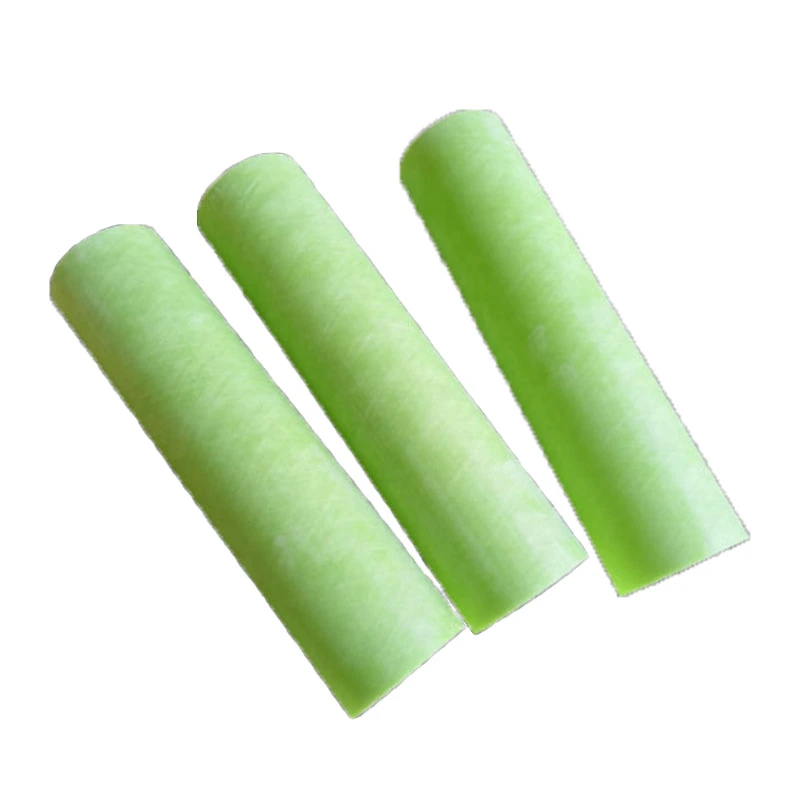
When engineers and procurement managers face the challenge of selecting insulation materials for high-voltage systems, one material consistently rises to the top: the epoxy fiberglass tube. Made from alkali-free glass cloth saturated with epoxy phenolic resin through hot rolling and baking, this composite tube delivers outstanding dielectric strength, thermal endurance, and structural rigidity. Whether you are designing switchgear assemblies, transformer coil supports, or arc barrier components, understanding why this material outperforms conventional alternatives is essential to making confident, cost-efficient procurement decisions.
Understanding Epoxy Fiberglass Tubes and Their Key Properties
What Makes the Material Work?
Epoxy phenolic resin is used to tightly bond woven fiberglass cloth during the production process. This makes a thick, void-free composite structure. The end result is a tube that has a confirmed density of 1.70 g/cm³, a volume resistivity of 2.4×10²³ Ω·m, and an insulation resistance of 5.5×10²² Ω when everything is normal. These numbers don't come from theory; they are based on performance data from our production line, where tests for thermal stability at 150°C for 24 hours show that there is no cracking or swelling.
Core Material Properties That Matter in High Voltage Environments
Epoxy-glass laminate tubing is perfect for harsh electrical environments because it has nine properties that can be measured. These are the most important traits that experts look for:
- High dielectric strength: The electrical strength of the vertical layer is 8 MV/m when tested in oil at 90°C. This makes it reliable for use in transformer and switchgear assemblies.
- Superior mechanical integrity: The cured resin system can withstand both compressive and tensile loads without delaminating, which is important for keeping structures warm when they are under dynamic stress.
- Chemical and moisture resistance: These tubes work well in wet places and when they are submerged in transformer oil because they can handle up to 0.6 MPa of water and are also resistant to strong acids, bases, and solvents.
- Dimensional stability: A stable coefficient of thermal expansion and low shrinkage during curing make sure that tight tolerances are kept across production batches.
- Mold and tropical resistance: The system that has been cured can handle conditions that are wet, tropical, and chemically aggressive conditions without losing its surface.
Because of these features, Epoxy Fiberglass Tube is a reliable choice when a material fails and causes major safety and operating issues. Each of these confirmed features gives engineers a certain amount of confidence when choosing parts for power distribution or motor protection.
Comparing Epoxy Fiberglass Tubes with Alternative Materials
It's not enough to just pick the best material when picking an insulation tube. You also have to think about how well it conducts electricity, how heavy it is, how it reacts to rust, and how much it will cost in the long run. This is how the choices stack up:
- Metal tubes (aluminum, steel): Metal tubes, like aluminum and steel, naturally conduct electricity, so they can't be used as direct insulation in high-voltage systems. Also, they add a lot of weight and rust in places with harsh chemicals.
- PVC and standard plastic tubes: PVC and regular plastic tubes are cheap at low voltages, but their ability to conduct electricity weakens when they get hot. They can't be used above 80°C and aren't stiff enough to be used as structural insulation.
- Carbon fiber tubes: Carbon fiber tubes are very strong and light, but they carry electricity, so they can't be used in any situation that needs to keep electricity from flowing through them.
- Epoxy Fiberglass Insulation Tubes: Epoxy Fiberglass Insulation Tubes are non-conductive, light (about a quarter of the weight of steel), stable at temperatures up to and above 150°C, and not prone to arc tracking or surface leakage. They make the structure strong and keep the electricity safe.
There is a clear picture of the comparison. Glass-fiber reinforced epoxy tubing is the best choice for engineers and OEM sourcing managers when the job needs both strong physical strength and reliable electrical isolation.
Practical Applications of Epoxy Fiberglass Tubes in High Voltage Systems
Transformer and Motor Insulation
Electromagnets, dry-type transformers, and contactor coils all use Epoxy Fiberglass Tube to support the coils and stop arcs. Because they can handle being submerged in oil and going through repeated temperature changes, they are essential for power transfer equipment.
Switchgear, Busbar Supports, and Circuit Breakers
These tubes are used to stop arcs and separate busbars inside medium- and high-voltage switchgear panels. The substance doesn't turn carbonized when exposed to high-energy arcing, so it doesn't have the tracking failures that happen with traditional phenolic alternatives and shorten their useful life.
Renewable Energy and Substation Infrastructure
More and more, Epoxy Fiberglass Insulation Parts are needed for solar inverter housings, transformer isolation supports, and wind turbine nacelles. Because they are not magnetic or corrosive, they are easier to put outside or near the coast, where metal gear breaks down quickly.
Customized manufacturing adds even more value. J&Q sells tubes in natural green color with inner diameters ranging from φ8mm to φ550mm. This lets OEM engineers specify exact bore sizes, wall thickness, and cut lengths without having to pay for expensive secondary machining. This range of sizes makes it easier to assemble and works with production schedules that have a lot of different items.
Procurement Insights: Sourcing Quality Epoxy Fiberglass Tubes
What to Verify Before Placing an Order?
Finding Epoxy Fiberglass Tubes for important high-voltage uses takes more than just comparing prices. Before making a decision on a seller, technical procurement teams should check the supplier's thermal classification scores, dielectric test data, and batch consistency records.
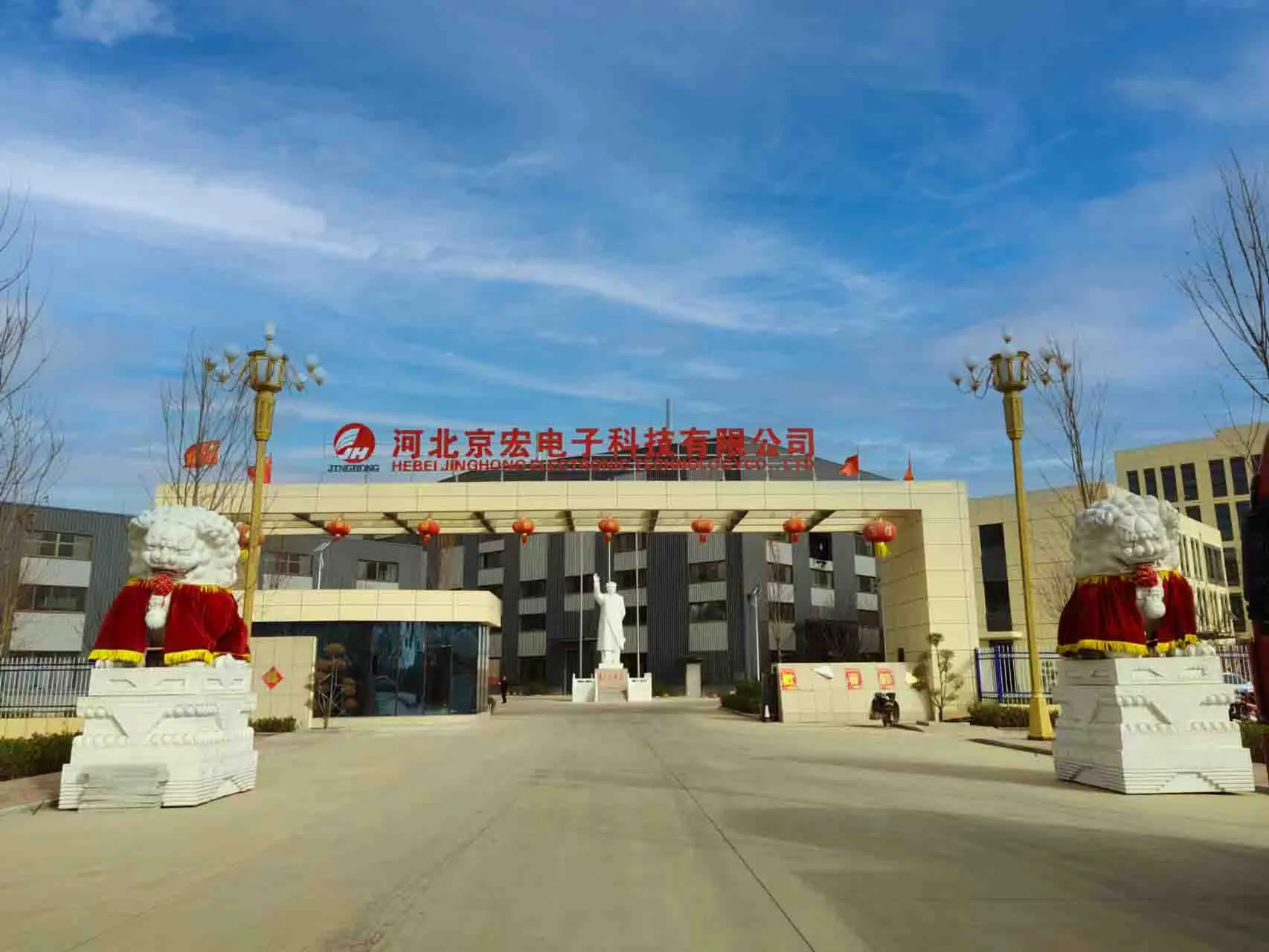
Hebei JingHong Electronic Technology Co., Ltd. owns J&Q Insulation Materials and runs fully automated production workshops that can make 43,000 tons of fiberglass tubes every year. This is one of the highest capacities of any Chinese fiberglass tube manufacturer. The company has been making things for more than 20 years and has been involved in international trade for more than 10 years. As a result, it has built trusting partnerships with trading companies and OEM buyers in North America, Europe, and Southeast Asia.
When buying from businesses, logistics freedom is just as important. J&Q has its own transportation company that handles ocean freight, land transport, and air shipping to meet the needs of both large orders and projects that need to be delivered quickly. Placing a direct order guarantees production priority, which cuts down on lead times for buyers who have tight project deadlines.
Why Epoxy Fiberglass Tubes Are the Preferred Choice in High Voltage Applications?
The performance case for Epoxy Fiberglass Insulation Tubing is based on tested data, a wide range of uses, and a total cost of ownership that regularly beats alternatives. The material keeps its rated dielectric performance after being submerged in water, doesn't grow mold in tropical environments, and stays within the same size tolerances across big production runs. These features lower the number of guarantee claims and unplanned maintenance costs.
Adoption in the industry shows how confident people are. As system voltages rise and safety certification requirements get stricter, more and more power utilities, transformer makers, automotive battery system designers, and original equipment manufacturers (OEMs) of industrial machinery are using epoxy composite insulation parts. The material easily fits with compliance standards like UL and RoHS, which helps engineers who need to meet both performance and regulatory requirements with a single material design.
Conclusion
Epoxy Fiberglass Tubes offer a unique mix of electrical isolation, mechanical strength, chemical resistance, and thermal endurance that can't be found in any other material. Because this material has been tested and shown to work well in a variety of situations, including transformer oil immersion, outdoor switchgear, and infrastructure for renewable energy, it is a good choice for high-voltage uses that don't break the bank. Engineers and purchasing managers who ask for glass-fiber epoxy insulation tubing get extra safety and trust in its long-term performance.
FAQ
How high a temperature can these tubes withstand continuously?
The epoxy phenolic resin tubes from J&Q have been tested for heat stability at 150°C for 24 hours and have not cracked or bulged. Because the cure system can handle a wide range of service temperatures, they can be used in transformer oil settings and as motor insulation.
How do epoxy fiberglass tubes differ from solid fiberglass rods?
Rods have solid cross-sections that give them the most compressive strength, while tubes have hollow bores that can be used to reduce weight, route cables, or keep fluids separate. When through-bore clearance or hollow structural insulation is needed in switchgear and busbar assemblies, tubes are still the best choice.
Can these tubes be custom-machined or cut to specific dimensions?
Yes. The inner sizes can be anywhere from φ8mm to φ550mm, and the wall thickness can be changed to fit the needs of the project. Standard CNC tools can easily cut this material, and the smooth, blister-free surface allows for tight-tolerance assembly without the need for extra surface treatment.
Are these tubes compliant with international electrical standards?
The way J&Q makes their products is based on well-known quality standards, and the dielectric and mechanical data they test match up with common industrial laminate classifications, such as NEMA G10/FR4 equivalents.
Partner with J&Q for Reliable Epoxy Fiberglass Tube Supply
J&Q has been making products for more than 20 years and can make 43,000 tons of goods every year. We are a reliable Epoxy Fiberglass Tube seller with our own logistics network. For straight clients, we offer consistent quality, a range of inner diameters from φ8mm to φ550mm, and production-priority scheduling. Contact our expert team at info@jhd-material.com or go to blog.jhd-material.com to learn more about all of our products and ask for a spec sheet or sample right away.
References
1. IEEE Transactions on Dielectrics and Electrical Insulation — IEEE, 2019
2. Handbook of Thermoset Plastics — William Andrew Publishing, 2014
3. IEC 60893: Specification for Industrial Rigid Laminated Sheets Based on Thermosetting Resins — International Electrotechnical Commission, 2003
4. Composites Science and Technology — Elsevier, 2020
5. NEMA LI 1: Industrial Laminating Thermosetting Products — National Electrical Manufacturers Association, 2020
6. Progress in Polymer Science: Epoxy Resin Systems and Their Applications — Elsevier, 2018

Get a complete product list and quotation
J&Q New Composite Materials Company