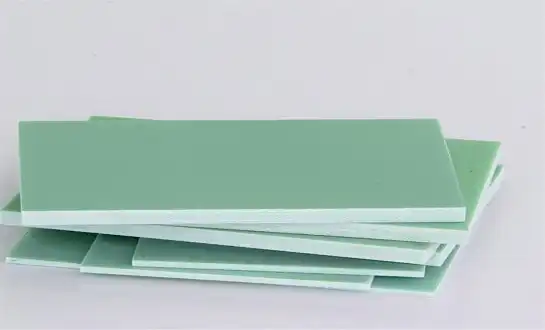
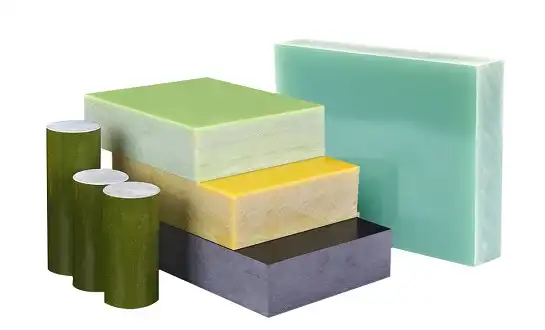
How EPGC308 Epoxy Sheet Supports Reliable Transformer Insulation Systems
When transformer insulation fails, the consequences reach far beyond equipment damage. Unplanned outages, safety incidents, and costly repairs ripple across entire production lines. The EPGC308 epoxy sheet addresses these risks at the material level. Manufactured by J&Q under the JingHong brand, this woven glass fiber-reinforced epoxy laminate is engineered specifically for Class H thermal endurance at 180°C continuous operation. Compliant with IEC 60893-3-2, it delivers the dielectric strength, mechanical stability, and chemical resistance that transformer OEMs and procurement engineers genuinely depend on.
Understanding EPGC308 Epoxy Sheet: Composition and Key Properties
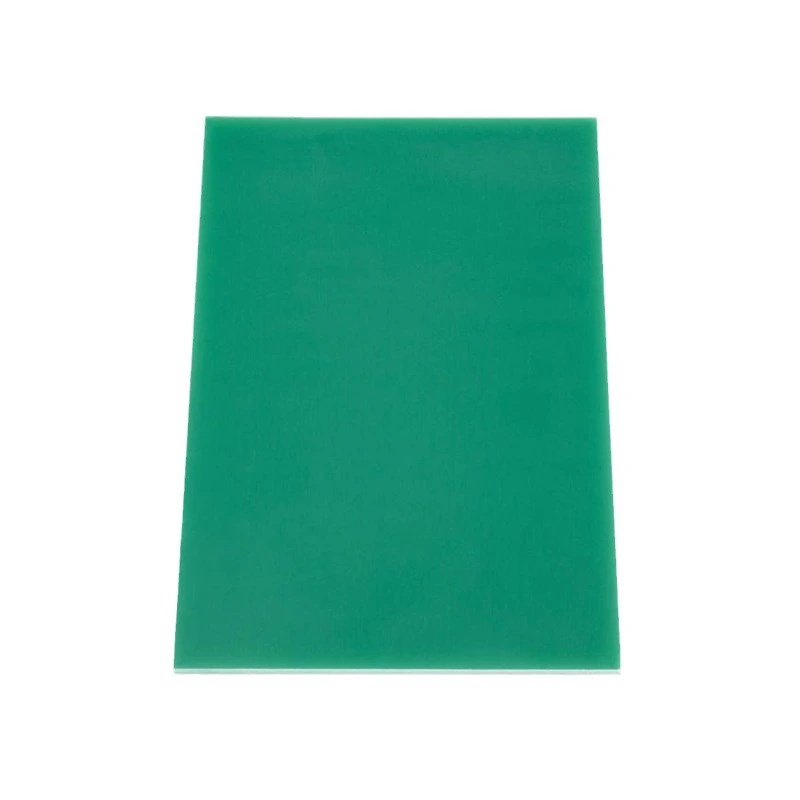
The material itself is the most important part of any good transformer insulation system. The EPGC308 laminate is made of woven glass fiber cloth that has been soaked in high-quality epoxy resin. The cloth is then cured under controlled heat and pressure. This way of making things gets rid of any holes inside that could weaken the insulation's ability to resist thermal stress.
Thermal and Electrical Performance
A compliant sheet usually has a glass transition temperature (Tg) above 170°C, which means it can work continuously at 180°C (Class H). If you test the dielectric strength perpendicular to the laminations in oil, it's at least 10 kV/mm. Depending on the resin mixture, the Comparative Tracking Index (CTI) can hit 600V. These numbers are not marketing guesses; they come from the IEC 60893-3-2 test methodology requirements.
Mechanical Integrity Under Load
At room temperature, the minimum tensile strength is 340 MPa. This grade is different from regular FR4 or G10 laminates because it retains more than half of its strength after an hour at 150°C, which is the temperature limit set by IEC 60893. In high-voltage switchgear and transformer coil systems, where parts often reach these temperatures, the insulation's ability to stay intact stops mechanical creep and deformation that could damage its shape.
For the JingHong EPGC308 sheet, the normal size is 1030mm × 1230mm, and the width ranges from 0.3mm to 100mm. Custom sizes, like 1220mm x 2440mm and 1030mm x 2070mm, can be made upon request to fit a variety of engineering layouts without the need for extra trimming.
Advantages of Using EPGC308 Epoxy Sheet in Transformer Insulation Systems
When transformer engineers work with standard G10 or general epoxy laminates, they often don't realize their flaws until after the fact—that they absorb water, change shape at high temperatures, or track too quickly on the surface. These weaknesses are fixed in the EPGC308 Epoxy Sheet grade by using a stricter bonding system.
Here are the main performance benefits that make this material stand out in environments that are tough on transformers:
- Sustained dielectric stability: The EPGC308 Epoxy Sheet doesn't take up much water after 24 hours of soaking, compared to hygroscopic laminates, absorbing less than 0.2% water by weight. When it's humid, low moisture uptake directly preserves insulation resistance, which is very important for oil-immersed transformers and sealed switchgear.
- Chemical compatibility with transformer oils: The epoxy resin system doesn't break down when it's submerged in mineral and synthetic transformer oils at high temperatures. It keeps its surface integrity and bulk dielectric properties for many years of service.
- Structural consistency across custom dimensions: J&Q can produce 43,000 tons of goods every year, which means that batch quality stays the same for both big and small orders. Thickness tolerances are based on IEC 60893-3-2 tolerance classes, which makes sure that precision-machined transformer assemblies will always fit correctly.
- CNC machinability for complex geometries: Phase barriers, arc chutes, coil spacers, and slot wedges can all be made from this material with great accuracy. Because the glass fibers are rough, solid carbide tools are suggested, and the dust must be properly collected.
These benefits directly lead to lower costs over the course of the lifecycle. Reduced repair intervals and longer insulation service life give transformer OEMs a clear return on investment (ROI). This is especially true in high-load distribution systems where downtime costs a lot of money.
Procurement Insights for EPGC308 Epoxy Sheet: What B2B Buyers Need to Know
Many buying teams don't realize how risky it is to choose where to get insulation laminates at first. If a sheet looks good but doesn't have enough resin embedded in it, it will fail dielectric testing when heated, and the failure might not be noticed until the transformer is in use.
Supplier Evaluation Criteria
Verified compliance with IEC 60893-3-2 is the minimum requirement for Epgc308 Epoxy Sheet. However, buyers should also ask for batch-level test reports that confirm the product's ability to maintain its flexural strength at 150°C and its ability to absorb water. Certifications that are in line with ISO, UL, and ASTM are another way to prove that production processes meet consistent quality standards.
Order and Logistics Practicalities
J&Q takes orders with a minimum of 500 kg, so they can handle both large-scale projects and regular production plans. You can pay with T/T, and based on the needs of the job, you can ship by ocean, land, or air freight. Palletized packaging covers the sides and surfaces of sheets while they're being shipped, which lowers the chance that they will arrive damaged or delaminated.
J&Q has been in business for more than 20 years and has been involved in international trade for more than 10 years. It runs its own logistics infrastructure and coordinates the whole supply chain without using third-party freight brokers. For procurement teams with tight plans, this integrated approach helps with shorter wait times and clearer tracking of deliveries.
Optimizing Transformer Insulation with EPGC308: Technical Guidance
Installation and Handling Best Practices
Sheets should be kept flat in a dry place that is about 20°C and has a relative humidity below 50%. They should also be kept away from UV light. Mechanical properties stay the same as long as the storage conditions are right, but surface oxidation can happen over time, so it's best to rotate long-term stock.
Machining and Tolerancing
To get tighter tolerances than the normal IEC tolerance class lets you have for precision parts like coil spacers and phase barriers, you might need to do secondary surface grinding. For example, the standard deviation for a 10mm sheet is ±0.50mm. When placing an order, engineering teams that want tighter fits should tell the seller straight what they need.
More and more new resin formulations in this laminate category are addressing halogen content. Most premium grades are now made without halogens to meet the needs of enclosed rail and industrial environments. Buyers should check the technical data sheet for the specific halogen content, as formulations vary from maker to maker.
Conclusion
For transformer insulation to work, the materials must be able to keep their qualities not only at room temperature, but also when they are exposed to chemicals, heat, and mechanical stress. The EPGC308 Epoxy Sheet meets that standard because it has been tested to keep its structural stability under stress and maintain its dielectric strength over time. It also meets IEC 60893-3-2 requirements. When engineering managers and procurement experts look at insulation laminates, J&Q is a reliable source because it offers approved performance, customizable sizes, and stable batch supply. This makes it a good base for transformer reliability programs.
FAQ
How does EPGC308 differ from standard G10 or FR4 laminates?
It is called EPGC308 and is regulated by IEC 60893-3-2. At 150°C, it has to keep its mechanical strength above 50%. Standard G10 and FR4 don't meet this specific thermal retention standard. This makes EPGC308 the safer choice for transformer uses that need to work in high temperatures for a long time.
Is this material suitable for high-voltage transformer applications?
Yes. The material can be used for high-voltage coil insulation, phase barriers, and arc chutes in both oil-filled and dry-type transformer assemblies because it has a dielectric strength of 10 kV/mm or more and a CTI of up to 600V.
How do I verify that a supplier's material is genuinely compliant?
Ask for test results that are unique to each batch and use the IEC 60893-3-2 method. Pay special attention to the high-temperature flexural retention test and the water absorption result. Certificates aren't enough to prove something; test data linked to the specific production batch is what really matters.
What thicknesses are available from J&Q?
Sheets with the JingHong brand name come in sizes from 0.3mm to 100mm. Through J&Q's OEM service, you can get widths that aren't in the usual range.
Can the sheets be customized for specific transformer designs?
OEMs can change things like the size, thickness, and color at J&Q. Standard sheet sizes range from 1030mm to 1230mm, and special sizes from 1220mm to 2440mm can be made upon request.
Partner with J&Q for Your EPGC308 Epoxy Sheet Supply
J&Q is a good EPGC308 Epoxy Sheet supplier because it has been making products for more than 20 years and has a fully integrated logistics network that helps customers all over the US and the world. Our laminates with the JingHong name meet ISO, UL, and IEC standards and come with batch-level quality control records. To get a datasheet, sample, or volume quote for your transformer insulation project, email our technical team at info@jhd-material.com or go to blog.jhd-material.com.
References
1. International Electrotechnical Commission. IEC 60893-3-2: Insulating Materials — Industrial Rigid Laminated Sheets Based on Thermosetting Resins for Electrical Purposes. IEC, 2003.
2. ASTM International. ASTM D709: Standard Specification for Laminated Thermosetting Materials. ASTM International, 2017.
3. IEEE Power & Energy Society. IEEE C57.12.00: Standard for General Requirements for Liquid-Immersed Distribution, Power, and Regulating Transformers. IEEE, 2021.
4. Bartley, W.H. "Analysis of Transformer Failures." Proceedings of the International Association of Engineering Insurers, 2003.
5. Tanaka, T., and Greenwood, A. Advanced Power Cable Technology: Volume I — Basic Concepts and Testing. CRC Press, 1983.
6. Brydson, J.A. Plastics Materials. 7th ed. Butterworth-Heinemann, 1999.

Get a complete product list and quotation
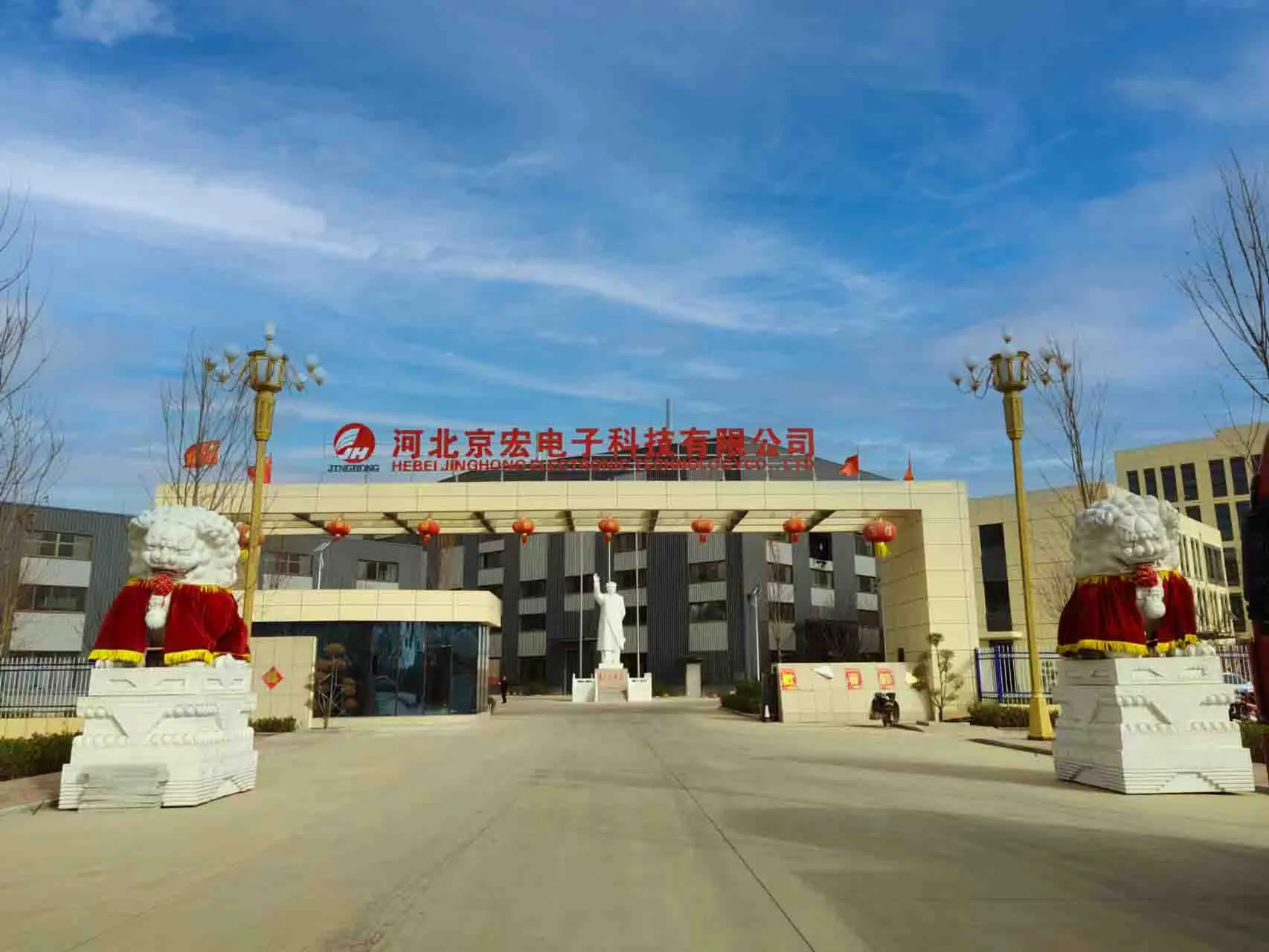
J&Q New Composite Materials Company