NEMA Grade FR4 Epoxy Sheet for Industrial Electrical Components
When engineering managers and procurement specialists search for reliable electrical insulation materials, FR4 epoxy fiberglass sheet consistently rises to the top of the list. Built from 7628 E-glass fabric bonded with epoxy resin, the NEMA Grade FR4 epoxy sheet delivers a rare combination of dielectric strength, thermal stability, and structural rigidity. Whether you are sourcing material for PCB substrates, switchgear insulation, or motor components, understanding what separates a certified FR4 laminate from inferior alternatives is the foundation of a sound procurement decision.
Understanding NEMA Grade FR4 Epoxy Sheets
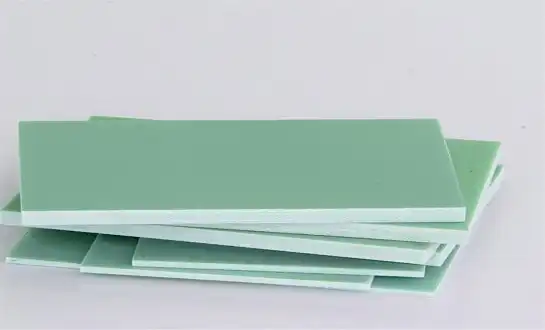
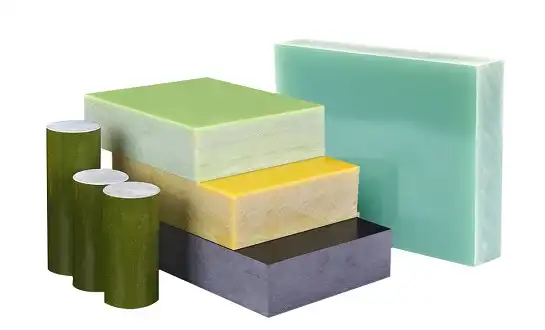
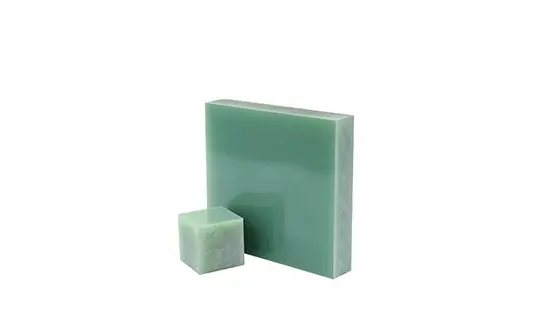
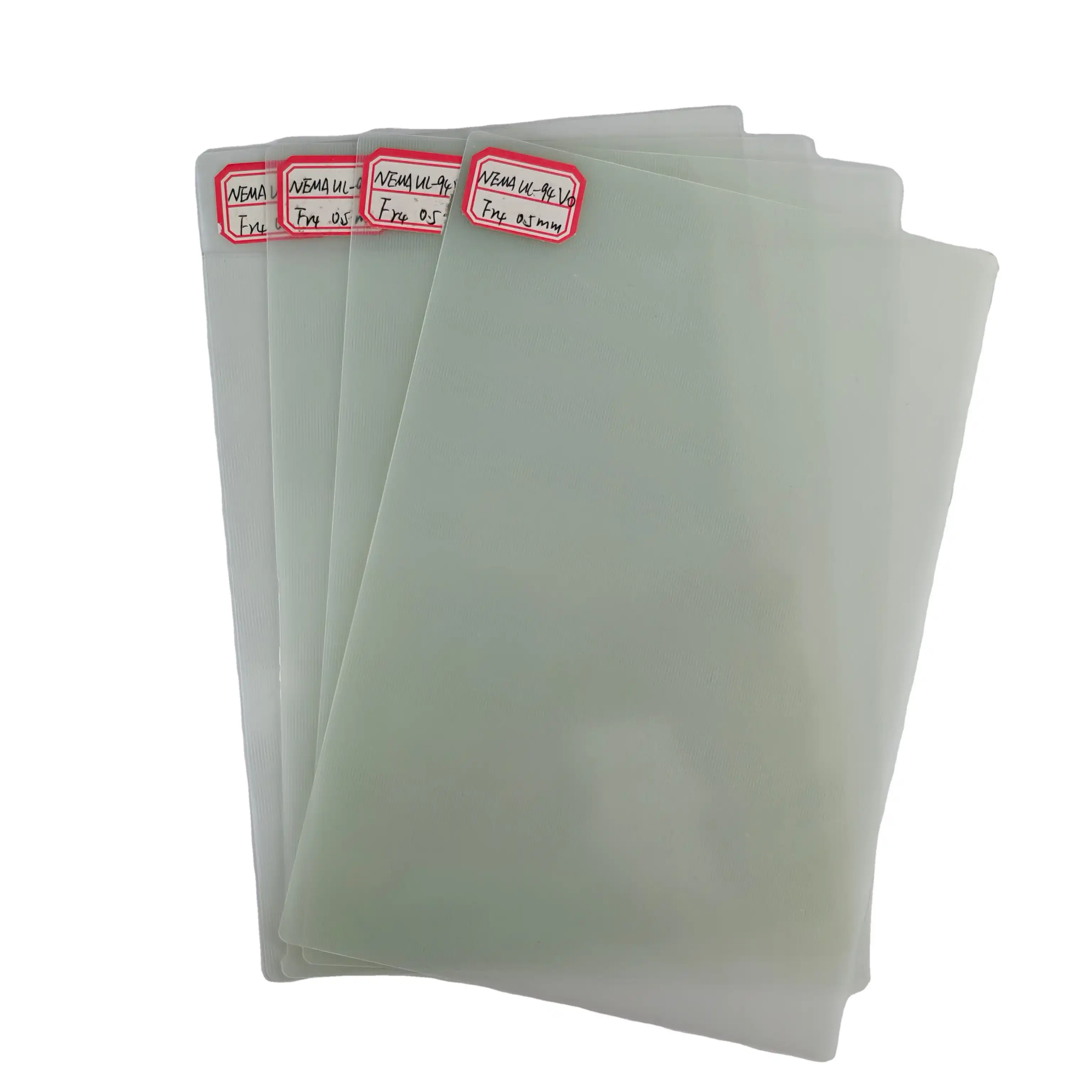
Nema Grade Fr4 Epoxy Sheets are a laminate grade based on NEMA LI-1-1990. It refers to a flame-resistant epoxy material made with glass fibers. The word "FR" means "flame retardant," and the material has a UL 94 V-0 fire rating, which means it goes out on its own without releasing flammable particles. The base is made of woven 7628 E-glass cloth that has been mixed with epoxy resin and then heated and pressed together at high temperatures to form a hard, stable sheet. This way of making things makes a laminate that has a specific gravity of about 1.85 g/cm³ and a light green color.
What Defines the NEMA FR4 Grade?
The performance profile of this epoxy fiberglass laminate is what makes it so useful in many fields. These are the most important technical factors that procurement engineers use to evaluate this material.
Core Technical Properties
- Mechanical strength: The sheet's flexural strength is higher than 415 MPa along its length and higher than 345 MPa across its width. This means that it can be used as a structural insulation component while being under constant mechanical load.
- Electrical insulation: The dielectric breakdown voltage is higher than 50 kV, and the dielectric constant (Dk) is usually between 4.2 and 4.8. This is very important for designing impedance-controlled circuits and making high-voltage arc barriers.
- Thermal performance: The normal glass transition temperature (Tg) is between 130°C and 140°C. High-Tg versions raise this temperature range to 170°C–180°C, which makes them suitable for lead-free soldering and tough thermal environments.
- Environmental resilience: Water absorption stays below 0.10%, so the insulation resistance stays stable even when the conditions are humid. The substance can also stand up to most industrial acids and chemical corrosives.
Because of these features, NEMA Grade Fr4 Epoxy Sheet is the best base material for uses where an electrical failure could cause serious safety or financial problems.
Comparing NEMA Grade FR4 with Other Epoxy Sheets and Materials
Nema Grade Fr4 Epoxy Sheets are often looked at with G10, phenolic laminates, CEM-1, and polyimide surfaces by procurement teams. G10 is almost exactly the same chemically as Nema Grade Fr4 Epoxy Sheet, but it doesn't have the flame-retardant label, so it can't be used in places where UL or IEC fire safety rules apply. Phenolic cotton laminate is cheaper and easier to work with, but at high temperatures, it can't compare to epoxy fiberglass in terms of dielectric strength or resistance to water.
The CEM-1 has a paper core with fiberglass layers on top of it. This saves money on materials but doesn't give it the uniform mechanical strength that through-thickness drilling and tight-tolerance CNC machining need. Polyimide laminates are better at withstanding high temperatures than Nema Grade Fr4 Epoxy Sheet, and can be used continuously above 200°C. However, they are much more expensive per unit, which is rarely a good reason to use them in non-military or aircraft settings.
As far as performance, ease of fabrication, and cost go, Nema Grade Fr4 Epoxy Sheet is the best choice for most industrial electrical uses. This includes switchgear insulation, transformer barriers, motor spacers, and PCB substrates.
How to Choose the Right Epoxy Sheet for Industrial Electrical Components?
To choose the right laminate grade, you must first have a clear picture of the working environment. The type of Nema Grade Fr4 Epoxy Sheet that works best for a given application depends on its electrical load, peak operating temperature, humidity exposure, and chemical contact.
Certifications and Compliance
Check that the sheet meets the requirements of NEMA LI-1-1990, UL 94 V-0, and appropriate ASTM standards, such as ASTM D638 for tensile strength. If you want to sell your goods in controlled markets, the maker must at least certify that they follow the ISO 9001 quality system. Suppliers who are certified under ISO 14001 and ISO 45001 show that they care about managing environmental and workplace safety, which is something that corporate procurement governance teams care about more and more.
Size, Thickness, and Customization
JingHong makes Nema Grade Fr4 Epoxy Sheets from 0.3 mm to 100 mm thick, which can be used for anything from thin PCB boards to heavy-duty insulation blocks for buildings. The standard sheet size is 1030 mm × 1230 mm. Custom sizes are 1030 mm × 2030 mm, 1220 mm × 2440 mm, 1030 mm × 1030 mm, and 1030 mm × 2070 mm. This physical freedom cuts down on material waste during subsequent CNC machining steps and directly lowers the cost of making a single unit.
When temperatures regularly reach or go above 140°C, choosing a High-Tg version during the purchase stage stops delamination before it happens and saves money on replacements in the field.
Procurement Guide: Buying NEMA Grade FR4 Epoxy Sheets for Industrial Use
Supply chain risk is greatly reduced when you work with a vertically integrated Nema Grade Fr4 Epoxy Sheet provider. This means that the supplier handles research and development, production, and shipping all under one roof. JingHong runs a 36,300 m² factory that can make 43,000 tons of goods every year. They also have their own logistics team that can handle ocean freight, land transport, and air shipping.
The least amount that can be ordered is 500 kg, and payment is made through T/T. Shipping sheets on boxes with protective wrapping keep the edges from getting damaged and the surface from getting dirty while in transit. For B2B buyers who are in charge of a lot of projects, placing big orders lets them better predict lead times and use their goods more efficiently.
When looking for a maker of Nema Grade Fr4 Epoxy Sheets, qualified buyers should give priority to providers who offer OEM customization, testing records that can be seen, and quick technical support. As standard, JingHong's team offers pre-shipment inspection data and material certificates. They have more than twenty years of experience in both production and international trade.
Quality Assurance and Testing of NEMA Grade FR4 Epoxy Sheets
Thorough testing during production is the first step toward reliable performance in the field. Every batch of Nema Grade Fr4 Epoxy Sheets from JingHong is checked against the following criteria:
- Dielectric breakdown voltage: Tested perpendicular to the laminates to make sure the insulation would hold up in a fault situation.
- Flexural strength: Tested both lengthwise and crosswise to make sure that the structure works the same way no matter which way it is machined.
- Thermal stability: This was proven by measuring the glass transition temperature and the thermal index at a continuous service rating of 140°C.
- Impact resistance: Tested to make sure the sheet can handle mechanical shocks without coming apart or cracking.
These test procedures are in line with ASTM and NEMA standards, and the data they produce is sent with every business package. This paperwork can be used by procurement specialists to meet the needs of incoming quality inspections without having to pay for extra testing to be done in-house.
Conclusion
In electrical manufacturing, industrial gear, power delivery, and car uses, Nema Grade Fr4 Epoxy Sheet is still the standard insulation substrate. Its high dielectric breakdown voltage, certified flame retardancy, and strong mechanical strength all address the main concerns of both engineering managers and OEM sourcing teams at the same time. JingHong is a reliable source for regular material that meets specifications because of its large production scale, ISO-certified quality system, and flexible sheet measurements. The best way to make a purchase decision that will last throughout the product's lifecycle is to compare this laminate to the thermal, electrical, and mechanical needs of your application.
FAQ
Why is FR4 epoxy laminate preferred over phenolic sheets for high-voltage applications?
The dielectric breakdown voltage of Nema Grade Fr4 Epoxy Sheet is much higher—more than 50 kV—and it keeps its insulation resistance in damp places because it absorbs less than 0.10% water. Phenolic laminates absorb more moisture and degrade faster under extended electrical stress, making Nema Grade Fr4 Epoxy Sheet the more stable choice for switchgear, transformers, and motor insulation.
What thicknesses and sizes are available for custom orders?
From 0.3 mm to 100 mm thick, JingHong sells Nema Grade Fr4 Epoxy Sheets. Standard sheet sizes are 1030 mm × 1230 mm, and special sizes up to 1220 mm × 2440 mm can be made upon request to keep CNC machining processes as waste-free as possible.
What is the typical lead time for bulk FR4 sheet orders?
Lead times depend on the number of orders and the level of customization needed. Standard designs are shipped from stock, while custom measurements need to be planned for production. Get in touch with JingHong's team at info@jhd-material.com to get a guaranteed wait time based on the details of your order.
Is the material RoHS compliant?
Nema Grade Fr4 Epoxy Sheet from JingHong is made using an ISO 9001 quality management system and meets all safety and environmental standards. If you ask, you can get compliance documents.
Request a Custom Quote from J&Q — Your Trusted FR4 Epoxy Sheet Supplier
With JingHong's 43,000-ton annual production capacity and ISO-certified quality systems, J&Q can give you Nema Grade Fr4 Epoxy Sheet solutions that are exactly what your industry needs. We can help you with your whole procurement process, from the sample to the bulk delivery, with our flexible sizes, OEM customization, and shipping around the world by sea, land, and air. To get your custom quote right away, email our technical team at info@jhd-material.com or go to blog.jhd-material.com.
References
1. National Electrical Manufacturers Association. NEMA LI-1: Industrial Laminated Thermosetting Products. NEMA, 1990.
2. Underwriters Laboratories. UL 94: Standard for Tests for Flammability of Plastic Materials for Parts in Devices and Appliances. UL Standards, 2013.
3. ASTM International. ASTM D638: Standard Test Method for Tensile Properties of Plastics. ASTM International, 2022.
4. Coombs, Clyde F. Printed Circuits Handbook, 7th Edition. McGraw-Hill Education, 2016.
5. Harper, Charles A. Electronic Materials and Processes Handbook, 3rd Edition. McGraw-Hill, 2004.
6. Seri Lee & Derek Torpy. "Thermal Management of Electronic Components Using Advanced Substrate Materials." IEEE Transactions on Components, Packaging and Manufacturing Technology, 2019.

Get a complete product list and quotation
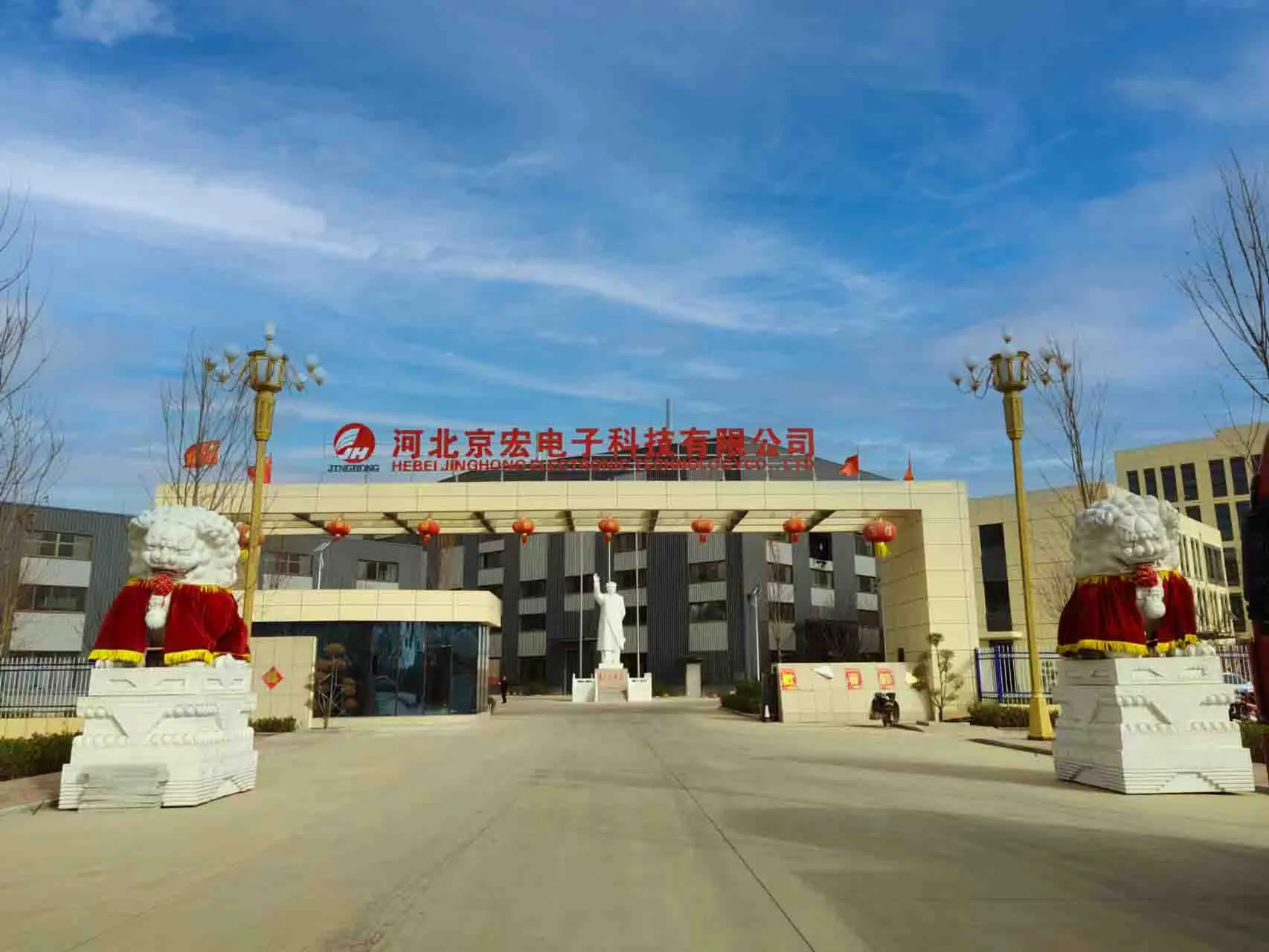
J&Q New Composite Materials Company