What Applications Require 3021 Phenolic Paper Sheet Materials?
If you work in electrical manufacturing, industrial machinery, or power distribution, you have likely encountered 3021 Phenolic Paper Sheet at some point. But what exactly makes this material such a staple across so many industries? And more importantly, is it the right fit for your next procurement cycle? Let me walk you through everything you need to know.
Introduction
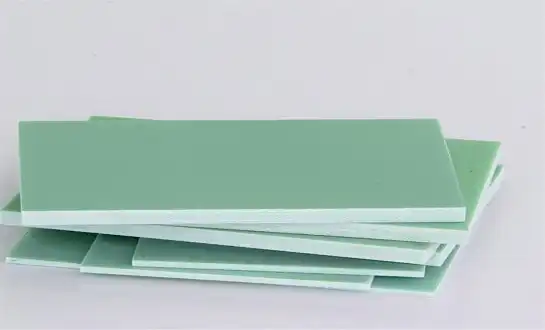
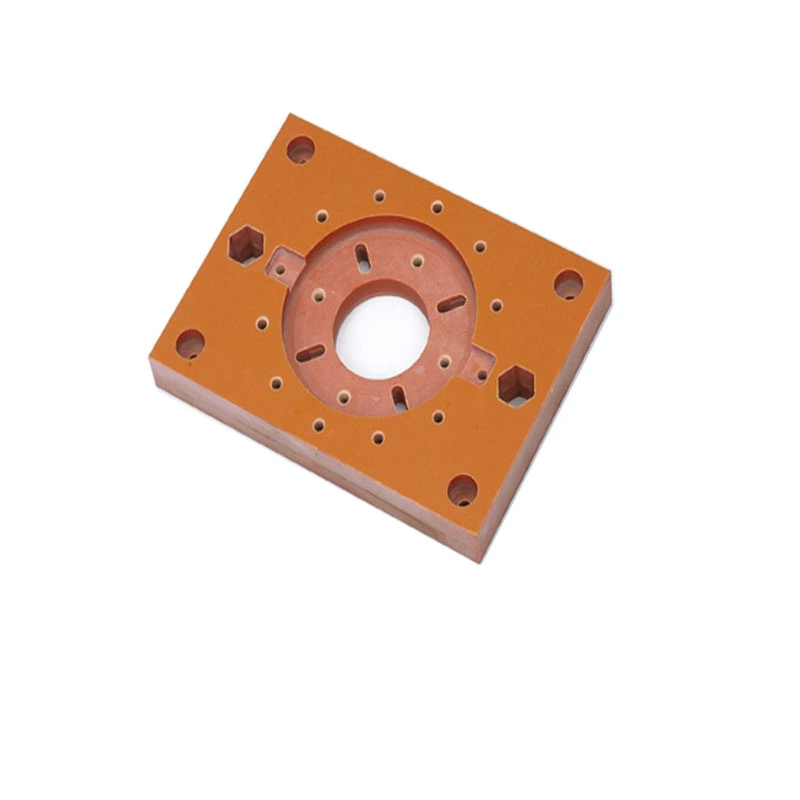
3021 Phenolic Paper Sheet is a thermosetting laminated material made by adding phenolic resin to insulating kraft paper and then using heat and pressure to bond the layers together. This makes a stiff, dense board that can withstand temperatures up to 120°C and comes in natural orange or black. At the most affordable price in the phenolic laminate family, it provides a solid mix of medium-level electrical protection, mechanical strength, and chemical resistance. This material meets a lot of different electrical and structural needs in a single, workable shape, whether you are looking for insulation parts for transformers, switches, or motor systems.
Understanding the Material: Properties and Technical Specifications
What Sets Phenolic Paper Laminate Apart?
It is made to meet the same standards as IEC 60893-3-4 (type PFCP201) and Chinese GB/T 1303 standards. This type of phenolic laminate sheet has clear physical and electrical requirements. These are the proven results of an independent test of JingHong's 3021 grade:
- Density: 1.33 g/cm³ weight
- Tensile Strength: 119 MPa
- Bending Strength Perpendicular to Laminations: 168 MPa
- Insulation Resistance after Soaking: 2.1 x 10⁸
- Vertical Layer Breakdown Voltage (in 25# transformer oil): 2.7 kV/mm
- Parallel Layer Breakdown Voltage: 11.8 kV
- Water Absorption: 115 mg (GB/T 1303.2-2009)
These numbers for 3021 Phenolic Paper Sheet show that the material's structure stays strong even when it's loaded, and it keeps its dielectric performance stable in oily places. Its low moisture absorption rate directly affects how stable its dimensions are over time, which is a very important quality for precision-machined insulation parts.
JingHong offers this material in thicknesses from 2mm to 100mm. The standard sheet size is 1040mm × 2080mm, and a custom size of 1220mm × 2440mm is also an option. Both of these sizes are perfect for large-format CNC routing and waterjet cutting.
Primary Industrial Applications
Electrical and Electronics Manufacturing
Insulation reliability is a must in switchgear assemblies and transformer construction. Phenolic paper laminate sheet works really well as a backing material for switchboards, a substrate for panel boards, and an insulating washer or bushing part. It is a reliable choice for coil separation and arc barrier uses because its breakdown voltage in transformer oil is stable and has been measured at 11.8 kV in a parallel layer. Engineering managers at OEM electronics businesses like how easy it is to cut with a CNC machine. This keeps tools from wearing out and speeds up the process of making parts.
Industrial Machinery and Structural Insulation
Machine builders need insulation parts that stay true to their measurements even when they are under a lot of mechanical stress. Phenolic paper laminates have an impressive bending strength of 168 MPa perpendicular to the laminates and an impressive glue strength of 3,438 N. These strengths make them ideal for use in mechanical spacers, structural frames, and insulation parts that are close to gears. Because it is stiff and doesn't creep much when compressed, the material works well for OEM equipment that needs to fit perfectly and last a long time between repairs.
Power and Energy Sector
Power distribution companies and companies that make transformers often ask for 3021 Phenolic Paper Sheet to be used for coil insulation, interleaving barriers, and thermal separation parts inside oil-filled enclosures. When you add the confirmed resistance to 25# transformer oil to the Class E thermal grade, you get a product that works well in medium-voltage distribution equipment. Long-term procurement experts in this field really value consistent batches and test documentation that can be tracked.
Automotive and Appliance Applications
Tier-1 automotive suppliers use phenolic laminates for heat-resistant fixture plates and insulation pads in assembly lines for parts. The material is used by companies that make home appliances for motor brackets and thermal separation inserts, where both low cost and high volume availability are important. The 3021 grade's antistatic qualities make it useful in places where electrical discharge could damage sensitive parts.
Why Choose This Grade Over Alternatives?
A Practical Cost-Performance Comparison
Teams in charge of buying things usually look at phenolic paper laminates along with epoxy glass laminates (like FR4 or G10), cotton phenolic sheets, and mica-based insulators. In real life, the comparison looks like this:
- Vs. Epoxy Glass (FR4/G10): FR4 is more expensive but has better dielectric strength and protection against moisture. If you only need a Class E thermal grade for low- to medium-power uses, phenolic paper laminate works well and doesn't cost as much to make or use.
- Vs. Cotton Phenolic (3025): Cotton phenolic grades are more resistant to pressure but not as good at insulating against electricity. The 3021 paper-based grade is the right choice when dielectric reliability is more important than shock absorption.
- Vs. Mica Sheets: Mica works better at high temperatures but is fragile and hard to work with. Phenolic paper laminates give designers a lot more freedom when making custom-cut insulation parts.
These differences are important when you are trying to keep purchase costs in check without sacrificing functional safety. In the laminated insulation category, this phenolic grade consistently has the best cost-per-performance ratio for uses below 120°C with moderate dielectric demands.
Procurement Guide: Sourcing with Confidence
What to Evaluate Before Placing an Order?
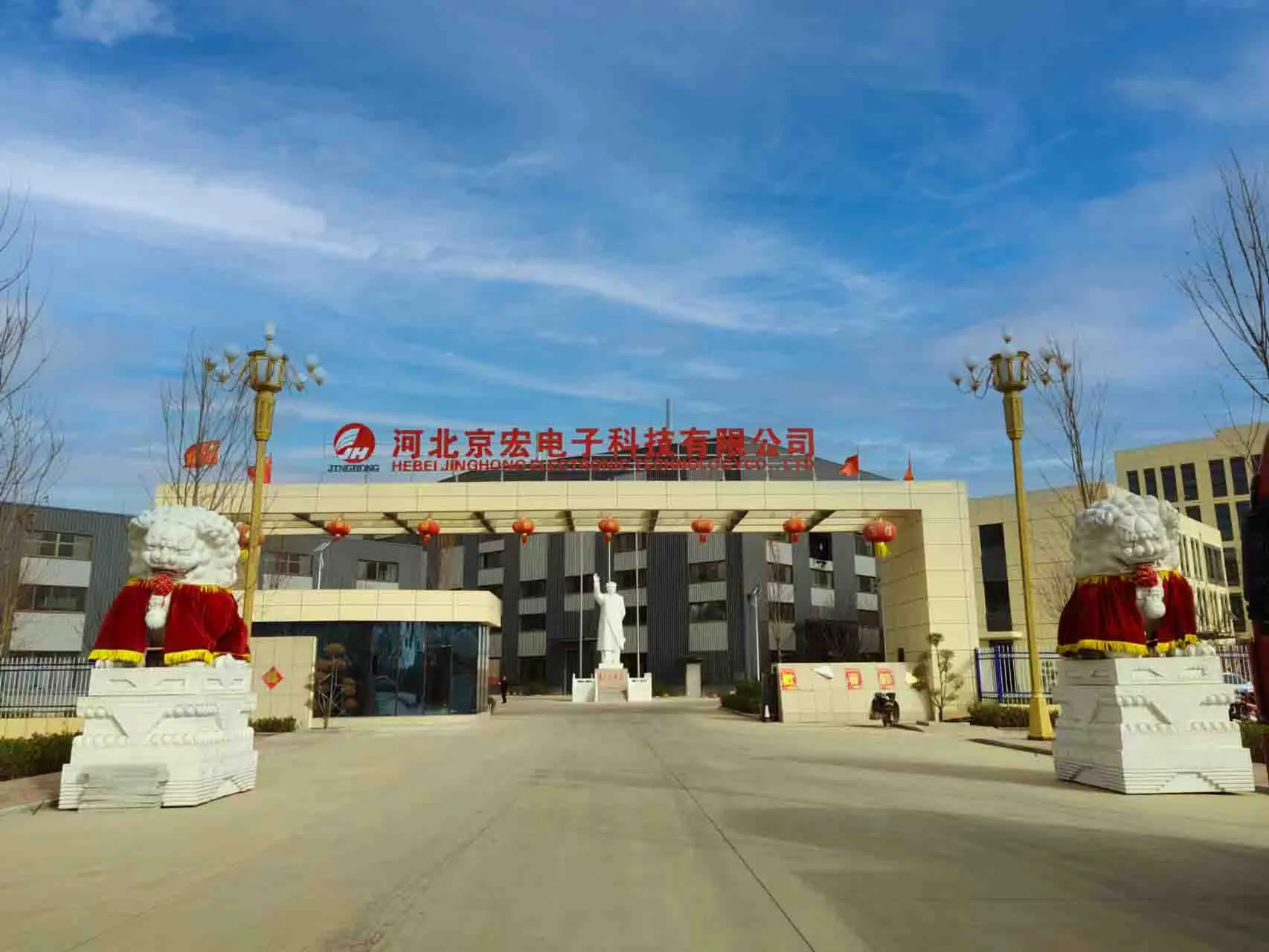
Getting 3021 Phenolic Paper Sheet from a well-known company greatly lowers the risk of supply. JingHong makes 13,000 tons of goods every year and has been in business for more than 20 years, both making things and trading with other countries. The company runs its own transportation infrastructure, which supports ocean, land, and air freight. This is helpful for buyers who have to meet tight delivery windows in different markets.
Key procurement parameters to confirm with any supplier:
- Thickness range and custom sizing availability (JingHong: 2mm–100mm; custom sheets up to 1220mm x 2440mm)
- Sheet color options and lot-level consistency (orange or black)
- Test documentation per GB/T 1303 or IEC 60893 standards
- MOQ alignment and T/T payment compatibility
- Pallet packaging and export crating standards
Working with a provider that keeps quality records that can be tracked and gives you certified test data for each lot saves your incoming inspection process and lowers the risk of production further down the line.
Installation and Handling Guidance
When you handle phenolic paper laminated sheet the right way, you can keep its shape and surface integrity. When the right feed rates and carbide tools are used, the material can be cut smoothly with normal CNC routers, band saws, and drill presses. Avoid storing thinner gauges in places with high humidity for long periods of time, as even low rates of moisture absorption can change how flat they are. JingHong uses pallet packing with edge protection, which is the best way to move and store goods in the business.
Conclusion
3021 Phenolic Paper Sheet has a clear and useful use in the production of electricity, power infrastructure, industrial gear, car parts, and home products. It is one of the most useful insulation laminates at its price because it has proven dielectric qualities, is mechanically stiff, doesn't react chemically with transformer oil, and can be machined on a CNC machine. If it comes from a qualified, high-capacity manufacturer with test data that can be checked, it gives procurement workers a solid material that can be used for a lot of different structural insulation tasks.
FAQ
What thickness options are available for phenolic paper laminated sheet?
Standard and custom thicknesses of JingHong's 3021 grade range from 2 mm to 100 mm. For OEM needs, custom sheet sizes of up to 1220mm x 2440mm can also be made.
What is the thermal rating of this material?
It carries a Class E thermal rating, which means that it can work continuously at temperatures up to 120°C. Short-term contact tolerance may be different depending on the situation.
Is it suitable for use in transformer oil?
Yes, it is safe for electrical parts that are submerged in oil because independent testing has shown that it has stable insulation resistance and proven breakdown voltage performance in 25# transformer oil at 90°C.
How does it machine compared to other phenolic grades?
It cuts cleaner than cotton phenolic grades when cutting and turning, and it wears down tools less than glass-reinforced epoxy laminates, which makes it a cheap option for making a lot of parts.
What certifications and test standards apply?
JingHong tests according to GB/T 1303.2-2009 and GB/T 1303.6-2009, which are the same as IEC 60893-3-4 type PFCP201.
Request a Quote from J&Q — Trusted 3021 Phenolic Paper Sheet Supplier
J&Q works with JingHong to provide certified 3021 Phenolic Paper Sheet to manufacturers in North America and around the world. We can meet all of your sourcing needs, from small samples to large orders, thanks to our 13,000-ton annual production capacity, in-house logistics, and more than 20 years of proven manufacturing experience. To get product specs or a reasonable price right away, email our technical team at info@jhd-material.com or visit blog.jhd-material.com.
References
1. IEC 60893-3-4: Industrial Rigid Laminated Sheets Based on Thermosetting Resins for Electrical Purposes — Specification for Phenolic Paper Laminated Sheets (International Electrotechnical Commission, 2003)
2. GB/T 1303.2-2009: Thermosetting Resin Industrial Laminated Sheets — Part 2: Test Methods (Standardization Administration of China, 2009)
3. NEMA Standards Publication LI 1-1998: Industrial Laminated Thermosetting Products (National Electrical Manufacturers Association, 1998)
4. Harper, C. A. (Ed.). Handbook of Plastics Technologies. McGraw-Hill, 2006.
5. Brydson, J. A. Plastics Materials, 7th Edition. Butterworth-Heinemann, 1999.
6. Ku, C. C., & Liepins, R. Electrical Properties of Polymers: Chemical Principles. Hanser Publishers, 1987.

Get a complete product list and quotation
J&Q New Composite Materials Company