Why Use 3021 Phenolic Paper Sheet for Electrical Insulation Parts?
When engineers and procurement managers search for a dependable, cost-efficient insulation material, the 3021 phenolic paper sheet consistently stands out. Made from insulating kraft paper impregnated with phenolic resin and then cured under heat and pressure, this laminated sheet delivers a well-balanced profile of dielectric strength, mechanical rigidity, and chemical resistance. Its Class E (120°C) thermal rating makes it a practical choice for switchgear panels, transformer components, insulating washers, and structural insulation parts across power, electronics, and industrial sectors. If you need a material that performs reliably without inflating your BOM cost, phenolic paper laminate deserves serious evaluation.
Understanding 3021 Phenolic Paper Sheet: Properties and Manufacturing Process
What Makes This Grade Distinct?
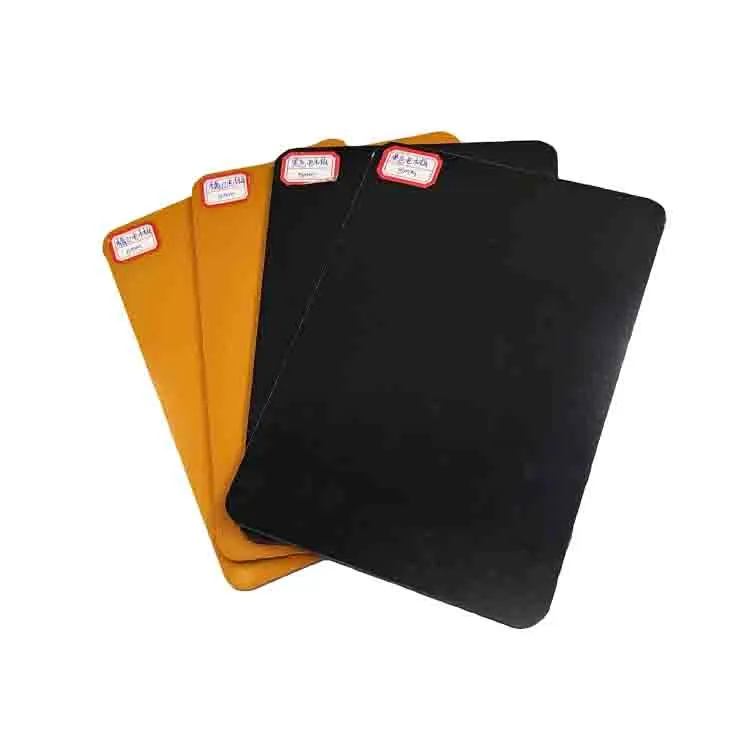
The process of making something starts with high-quality insulation paper that is carefully mixed with phenolic glue. After the sheets are wet, they are stacked, heated, and pressed together to make hard laminates. This process makes a stable, thick board that weighs about 1.33 g/cm³ and naturally turns orange or black based on the type of resin used.
This grade of 3021 Phenolic Paper Sheet is different from other phenolic boards because it is specifically designed to work well in electrical settings. The tests done according to GB/T 1303.2-2009 guidelines show that the insulation has a resistance of 2.1×10⁸ Ω after soaking and a vertical layer breakdown voltage of 2.7 kV/mm in 90°C transformer oil. The parallel layer breakdown voltage is 11.8 kV. The tensile strength is 119 MPa, and the bending strength is 168 MPa perpendicular to the laminations. These numbers show a material that was made to work in electrical assemblies that are submerged in oil, not just in general mechanical tasks.
The thermal rating is in line with IEC 60893-3-4 type PFCP201 and NEMA Type X/XX standards, which means it can be used for foreign purchases.
Applications and Advantages of 3021 Phenolic Paper Sheet in Electrical Insulation
Where This Material Performs Best?
3021 Phenolic Paper Sheets can be used for a huge variety of electrical shielding tasks. In the power industry, they are cut into spark barriers, coil separators, and bushing covers for transformers that are filled with oil. The material is used for panel boards, terminal boards, and insulation spacers in switchgear systems. It is used by companies that make automotive parts for battery pack barriers and heat-resistant mounting fixings. Companies that make appliances depend on it for motor bracket insulation and thermal separation frames.
This layered sheet is a top choice in these areas because of its core performance benefits:
- Excellent dielectric properties: The material keeps its electrical integrity even in harsh oil-filled settings, with a confirmed breakdown voltage of 11.8 kV (parallel layer) and stable insulator resistance after soaking.
- Superior machinability: The paper-based composite cuts, drills, mills, and punches smoothly without delamination, which cuts down on processing time and tool wear compared to options made of glass fiber.
- Chemical resistance: Transformer oil, common acid solutions, and organic solvents don't affect the cured phenolic matrix. This makes it chemically stable in sealed enclosures and wet-process environments.
- Low moisture absorption: Under standard test settings, water absorption is recorded at 115 mg. This keeps the electrical performance stable over a long service life and limits changes in size.
- Competitive material cost: Phenolic paper laminate has one of the lowest costs per kilogram of all thermosetting laminates. This is important when making a lot of insulation parts.
Because of these benefits, both the cost of materials and the cost of maintenance in the future are lower. When engineers work on making transformers or switchgear panels, they always say that switching from ceramic or unreinforced plastic parts to phenolic laminates cuts down on scrap and speeds up sub-assembly cycles.
Comparing 3021 Phenolic Paper Sheet with Alternative Insulation Materials
Choosing the Right Material for the Right Job
It's not always easy to choose the right material. There are pros and cons to each insulation material that become important only when you compare them to your real-world working conditions.
FR4 fiberglass laminate is more expensive and harder to work with mechanically than 3021 Phenolic Paper Sheet. However, FR4 has a higher dielectric strength and better moisture protection for PCB settings that are humid or have high voltage. The phenolic paper grade is usually the better choice if your application is in a dry, oily, or moderately wet climate and saving money is important.
Compared to mica-based insulators, phenolic laminates are much easier to shape with a machine. They can be made in thicknesses ranging from 2 mm to 100 mm, giving them more shapeability than rigid mica sheets. Mica works better at very high temperatures (above 500°C), but it costs too much for Class E (120°C) systems.
It's important to note the difference between grade 3021 and grade 3020, which are very similar. Grade 3020 has a similar base construction, but it is rated for lower levels of mechanical performance. Because Grade 3021 has higher bending strength and better impact resistance, it is the best grade to use when both electrical insulation and structural load are needed at the same time. Before finishing orders, procurement teams should check the grade label in the supplier's paperwork.
How to Choose the Right Phenolic Paper Sheet for Your Electrical Insulation Needs?
Matching Material Specs to Application Demands
Three technical factors help you choose a 3021 Phenolic Paper Sheet grade: the temperature class of your system, the dielectric strength you need, and the mechanical load the part will have to carry. Phenolic paper composite is a good insulation material for Class E systems that work at up to 120°C in dry or oily conditions. It doesn't need a more expensive Class F or Class H material.
Picking the right thickness is important in real life for 3021 Phenolic Paper Sheet. This material is available from JingHong in thicknesses between 2mm and 100mm. The standard sheet size is 1040mm x 2080mm, but you can also get it in a custom size of 1220mm x 2440mm. In high-volume CNC routing processes, wider sheets cut down on waste from offcuts, which adds up when orders reach millions of pieces.
Think about the supplier's skill as well as their basic specs. You can avoid the expensive rework cycles that come with using raw materials that aren't consistent by buying from a company that does quality testing in-house, has proof that they follow GB/T 1303 standards, and keeps limits constant from batch to batch. Customization options, such as non-standard sizes and surface treatments, are a useful way to measure the depth of a manufacturing process.
Procurement Insights: Buying 3021 Phenolic Paper Sheet Efficiently and Confidently
Building a Resilient Supply Chain
When buying 3021 Phenolic Paper Sheets in large quantities, procurement teams need more than just a product description. They need to know how much they can produce, be sure of the wait time, and be able to change how their goods are shipped. The most that JingHong can produce in a year is 13,000 tons. This gives them the extra output they need to handle surge orders without affecting shipping to other customers.
Shipping flexibility includes ocean freight, freight transported by land, and freight transported by air. It can handle both bulk container shipments and needs for priority delivery. Palletized packaging keeps sheets from getting damaged during shipping, which cuts down on disputes about damage. T/T is the normal way for businesses to do business with each other internationally. The MOQ structure is made to help OEM buyers who buy in bulk and care more about keeping their supplies steady than buying on the spot.
Buyers who have worked with JingHong over multiple years always say that the consistent quality of production across batches cuts down on the time needed for receiving quality inspections by a large amount. The company has been making things for more than 20 years and trading with other countries for more than 10 years. It runs its own transportation network, which lets it help with the whole supply chain, from the plant floor to the warehouse where the goods are sent.
Conclusion
For electrical insulation parts in oil-immersed transformers, switchgear panels, motor assemblies, and industrial machinery, 3021 Phenolic Paper Sheet is still one of the best and most cost-effective options. This material is a good backbone for Class E insulation systems because it has a confirmed breakdown voltage, controlled moisture absorption, and strong mechanical qualities. This material has a supplier with proven experience in foreign trade, flexible sheet sizes, and a high production capacity. It gives procurement teams the rare chance to be sure of both performance and supply chain trust.
FAQ
Why is phenolic paper laminate preferred over standard plastic sheets for electrical insulation?
Standard plastic sheets don't usually have the dielectric consistency and temperature stability that are needed in electrical settings with a lot of load or oil. When you combine a phenolic resin matrix with a paper fiber substrate, you get dielectric strength and mechanical rigidity that thermoplastics that haven't been treated can't match at the same price.
Can this material be machined into custom shapes?
Yes. Standard CNC equipment for routing, drilling, and punching can cleanly work on the laminated structure. Custom sizes other than the normal 1040mm x 2080mm sheet are available upon request to fit the specific shapes of OEM parts.
What thickness range is available?
This material is available from JingHong in thicknesses ranging from 2 mm to 100 mm, making it suitable for both thin insulating plates and thick structural barriers.
Is this material suitable for transformer oil environments?
Yes, test results show that the insulation resistance stays stable after being soaked, and a breakdown voltage of 2.7 kV/mm was recorded in 90°C transformer oil. This means that it is specifically rated for service conditions where it will be submerged in oil.
What certifications apply to this material?
Production and testing are done according to GB/T 1303 standards, and the 3021 Phenolic Paper Sheet is classified as IEC 60893-3-4 type PFCP201 and NEMA Type X/XX, which meets the requirements for international procurement documentation.
Partner with J&Q for Reliable 3021 Phenolic Paper Sheet Supply
J&Q connects buyers around the world with verified, high-capacity 3021 Phenolic Paper Sheet manufacturers who have more than 20 years of experience making products and a dedicated logistics network. Whether you need standard stock sizes or fully customized insulation parts cut to OEM specs, our team offers clear pricing, documented quality data, and reliable delivery dates. Get in touch with us to learn about bulk supply options and technical support that is tailored to your needs. To find out more, email us at info@jhd-material.com or go to blog.jhd-material.com.
References
1. IEC 60893-3-4: Insulating Materials — Industrial Rigid Laminated Sheets Based on Thermosetting Resins for Electrical Purposes — Specification for Sheets Based on Phenolic Resin, International Electrotechnical Commission, 2003.
2. NEMA LI 1: Industrial Laminating Thermosetting Products, National Electrical Manufacturers Association, 2020.
3. GB/T 1303.1: Laminated Sheets and Tubes — General Requirements, Standardization Administration of China, 2009.
4. Blythe, T. & Bloor, D.: Electrical Properties of Polymers, Cambridge University Press, 2005.
5. Harper, C.A.: Handbook of Plastics Technologies, McGraw-Hill, 2006.
6. Dissado, L.A. & Fothergill, J.C.: Electrical Degradation and Breakdown in Polymers, Peter Peregrinus Ltd. for IEE, 1992.

Get a complete product list and quotation

J&Q New Composite Materials Company



