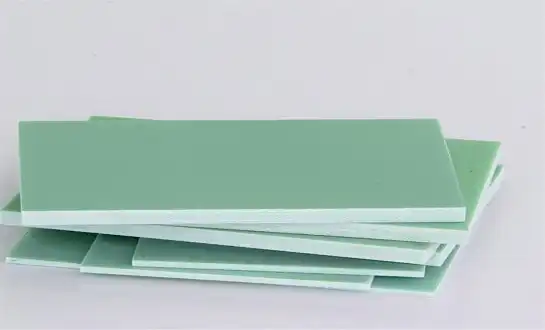
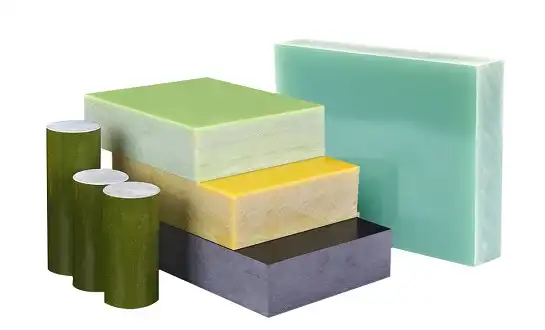
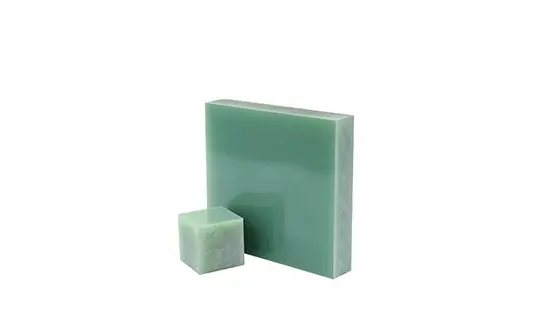
Why Select Phenolic Paper Sheet for Mechanical Support Components?
When engineers and procurement teams evaluate insulation laminates for mechanical support components, phenolic paper sheet consistently earns a place on the shortlist. Made by impregnating kraft paper with phenolic resin under heat and pressure, this thermosetting composite delivers a practical combination of mechanical rigidity, electrical insulation, and cold-punching capability — all at a cost point that glass-fiber alternatives simply cannot match. Whether you are designing busbar supports, motor brackets, or fixture boards, understanding why this material outperforms in load-bearing insulation roles is essential before committing to a sourcing decision.
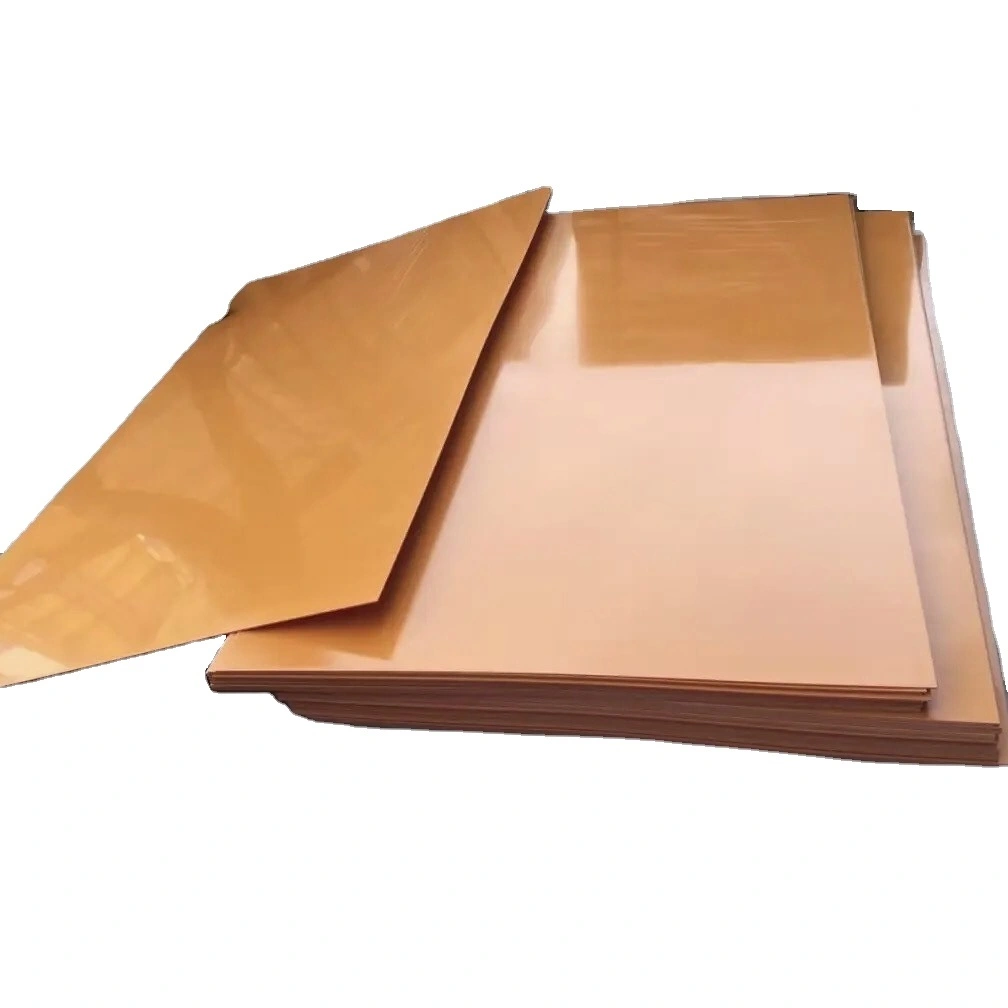
Understanding Phenolic Paper Sheets and Their Key Properties
What Makes This Material Tick?
The phenolic paper layer is a Class E insulation material that can work continuously at 120°C. Its density is between 1.30 and 1.45 g/cm³, and its flexural strength is at least 120 MPa perpendicular to the laminations. These numbers are backed up by IEC 60893 and NEMA grade designations (X, XX, XXX). The NEMA grading system shows how much resin is in a part and how well it resists moisture. The X grade is for mechanical performance, and the XXX grade has the most resin saturation and the best dielectric stability when it's wet or oily.
How It Compares to Alternatives?
Phenolic paper laminate is softer than FR4 (epoxy-glass), which means it wears down carbide tools much less when CNC cutting or pressing. When compared to clay insulation, it is much easier to machine. Sheets made of melamine are more likely to break when they are hit hard. For uses like fixture boards, low-voltage insulation panels, and punched washers where expensive polymers aren't needed, Phenolic Paper Sheet offers a great mix of performance and cost that few other materials can match.
Evaluating Phenolic Paper Sheets for Mechanical Support Components
Choosing an insulation laminate such as Phenolic Paper Sheet isn't usually a simple matter of picking one option. When buying technology, industrial tools, or power distribution equipment, business-to-business buyers usually look at performance, compliance, and total landed cost all at the same time.
Key Performance Criteria to Assess
Procurement engineers should look at these main factors before making a final decision about a material choice:
- Mechanical load capacity: A flexural strength of ≥120 MPa makes phenolic paper laminate reliable as a structural spacer, gear blank, or mechanical support bracket. This figure holds stable under dry operating conditions typical of motor assemblies and switchgear enclosures.
- Thermal stability: Continuous service at 120°C (Class E) covers the vast majority of low-voltage electromechanical environments. Exceeding this threshold for extended periods causes carbonization of the paper substrate — a critical failure mode that engineers must design around.
- Dielectric performance: Dielectric strength typically exceeds 10 kV/mm when tested in oil, making it well-suited for coil insulation, arc barriers, and busbar supports in transformer environments.
- Punchability: Grades formulated with plasticizers support cold punching without edge cracking — a decisive advantage for high-volume production of washers, terminal strips, and insulating gaskets in appliance and automotive applications.
Together, these factors explain why the material is still a reliable choice in five different fields. In addition to meeting specifications, certification compliance seals buyers' trust. Phenolic paper laminates meet the requirements of IEC 60893-3-4 (type PF CP 201), NEMA standards, and UL-approved formulations. These are the credentials that engineering managers at tier-1 OEMs look for before approving a new material source.
How Phenolic Paper Sheets Meet Modern Mechanical Support Challenges
Things are tougher in the workplace now than they were ten years ago. Tougher safety rules, pressures to make things smaller, and longer upkeep periods force insulated materials to work at their best. Several of these pressures are dealt with at the same time by phenolic paper laminate.
Thermal and Electrical Resilience
Its phenolic resin structure makes Phenolic Paper Sheet resistant to weak acids, solvents, and middling oils, which is useful in places like transformer oil and car engine compartments. This chemical resilience helps keep the dielectric stable over long service cycles, which lowers the chance of insulation breaking down in motor support and switchgear.
Mechanical Durability Under Load
When a part needs to keep its exact dimensions even when it's vibrating or under repetitive stress, rigidity is important. Phenolic Paper Sheet doesn't break when it bends, which makes it useful for mechanical spacers and fixture boards in high-throughput PCB drilling operations. It is used as the standard drilling backup board in PCB production because it is not as hard as a drill bit. This keeps the copper-clad laminate from getting burrs and protects the micro-drill tip shape.
Regulatory and Safety Alignment
Flame retardancy, chemical resistance, and grade certifications that are recognized around the world make it possible for procurement teams to meet the needs of both internal quality audits and external compliance requirements without having to find a specialty composite. This alignment cuts down on the time needed for qualification and speeds up the process of introducing new products.
Procurement Essentials: How to Source Quality Phenolic Paper Sheets?
It's only half the work to get the specs right. The second part is finding a provider who can always meet your standards for thickness, wait time, and documentation.
What to Look For in a Supplier?
Three things about a Phenolic Paper Sheet provider that you can't change are the start of reliable buying. If a seller is transparent about certification, they give you test data that you can follow, not just a grade sticker. OEMs who need non-standard sheet sizes or precisely cut pieces need to be able to customize the sizes. Logistics integration lowers the cost of importing goods and makes the paperwork easier, especially when ordering from another continent.
Ask for material certifications that reference IEC or NEMA standards when discussing large orders. Also, find out if the seller has its own logistics network and get clear on lead times for both stock and custom orders. Suppliers who do their own manufacturing and have a lot of experience exporting usually offer tighter thickness limits and can fix quality problems faster.
Maximizing ROI: Why Phenolic Paper Sheets Are the Smart Choice?
There are many more costs than just the unit price that go into figuring out the total cost of ownership for mechanical insulation laminates. The low tool wear, ease of machining, and consistent physical stability of phenolic paper laminate lower the cost of making each part over long production runs. This means that companies that make home appliances and make a lot of motor brackets or insulation frames will save money every shift. Longer component service lives mean fewer times when parts need to be replaced and lower maintenance labor costs for companies that make power equipment.
Another layer of value is added by the ability to customize. Phenolic paper laminate comes in different thicknesses, grade specs, and sheet forms to fit changing engineering designs. This is helpful for R&D teams that are making changes to battery pack barriers, insulation pads, or arc chutes. Because the material is flexible, it can be used to make new products without having to go through the material-qualification process all over again every time the design changes.
Conclusion
Because of its proven mechanical performance, electrical insulation reliability, regulatory compliance, and cost-effective buying strategy, Phenolic Paper Sheet is a popular choice for mechanical support uses. It's not perfect for all situations—ultraviolet light and high acidity levels are two things that hurt it the most—but when it comes to electrical uses, few laminates are as good value for money. When engineers and procurement teams test it systematically, using real application needs and checked supplier credentials, they always find that it meets their expectations for both performance and lifecycle cost.
FAQ
What thickness options are available, and how do they affect performance?
The thickness of phenolic paper laminates ranges from 0.5 mm to 100 mm. The flexural stiffness and load-bearing capacity of thicker sheets are higher, but the machining settings may need to be changed. When precise measurements and the ability to punch holes are the most important factors, thinner sheets are best for gaskets and punched parts.
How does its heat resistance compare to other insulation laminates?
When it comes to constant service at 120°C (Class E), it's not as hot as epoxy-glass laminates, which usually reach Class B (130°C or higher). 120°C is more than enough for most low-voltage electrical uses. Applications that need to keep temperatures high for a long time or motor windings that work beyond this limit should look at higher-class options.
Can it be customized for specific mechanical support needs?
Yes, you can choose the grade (X, XX, or XXX), the thickness, and the size of the sheet when you place your order. Standard machining grades and punching grades are made in different ways.
Is it suitable for oil-immersed transformer applications?
Because phenolic paper laminate is very resistant to transformer oil, it is often used for busbar supports and coil insulation in transformers that are submerged in oil. In oil tests, its dielectric strength is higher than 10 kV/mm.
Partner With J&Q for Reliable Phenolic Paper Sheet Supply
J&Q has been making insulation laminates for more than 20 years and has been trading with other countries for more than 10 years. As a reputable Phenolic Paper Sheet provider with our own in-house transportation network, we offer complete purchasing solutions, including custom sizing and grade choice, as well as certified paperwork and on-time shipping around the world. To get a sample or price quote right away, email our expert team at info@jhd-material.com or go to blog.jhd-material.com.
References
1. NEMA Standards Publication LI 1 — Industrial Laminated Thermosetting Products, National Electrical Manufacturers Association, 2020.
2. IEC 60893-3-4 — Industrial Rigid Laminated Sheets Based on Thermosetting Resins for Electrical Purposes, International Electrotechnical Commission, 2003.
3. Harper, C.A. — Handbook of Plastics Technologies, McGraw-Hill, 2006.
4. Brydson, J.A. — Plastics Materials, 7th Edition, Butterworth-Heinemann, 1999.
5. Electrical Insulation for Rotating Machines: Design, Evaluation, Aging, Testing, and Repair — Stone, G.C. et al., IEEE Press / Wiley, 2014.
6. Transformer Engineering: Design, Technology, and Diagnostics — Kulkarni, S.V. & Khaparde, S.A., CRC Press, 2012.

Get a complete product list and quotation
J&Q New Composite Materials Company