Why Is G10 Epoxy Sheet Preferred for Precision Insulating Components?
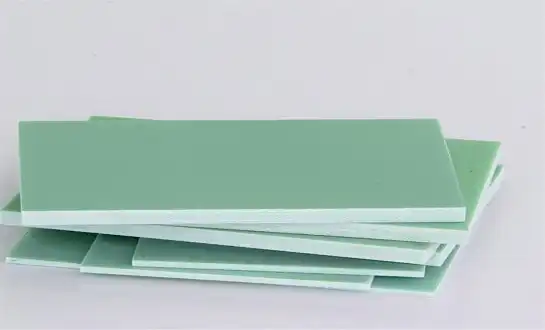
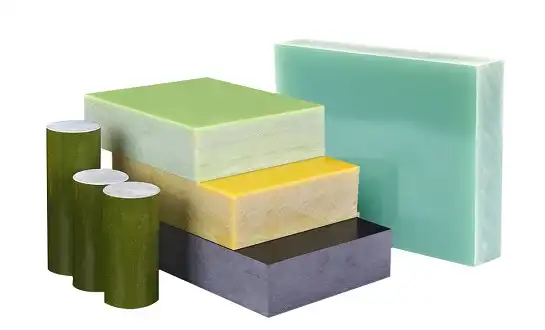
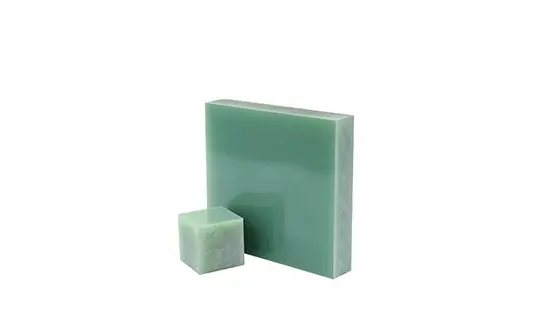
When electrical engineers and procurement managers search for reliable insulation materials, G10 epoxy sheet consistently emerges as the top choice for precision components. This composite material—comprising woven fiberglass cloth saturated with epoxy resin—delivers unmatched electrical insulation, mechanical robustness, and thermal stability. Its low moisture absorption rate, exceptional dimensional accuracy, and superior dielectric properties make it indispensable across electronics, power systems, industrial machinery, and automotive applications. Understanding why G10 outperforms alternative materials helps technical teams optimize component longevity while reducing lifecycle costs.
Understanding G10 Epoxy Sheet and Its Core Properties
Composite Material Composition and Manufacturing Process
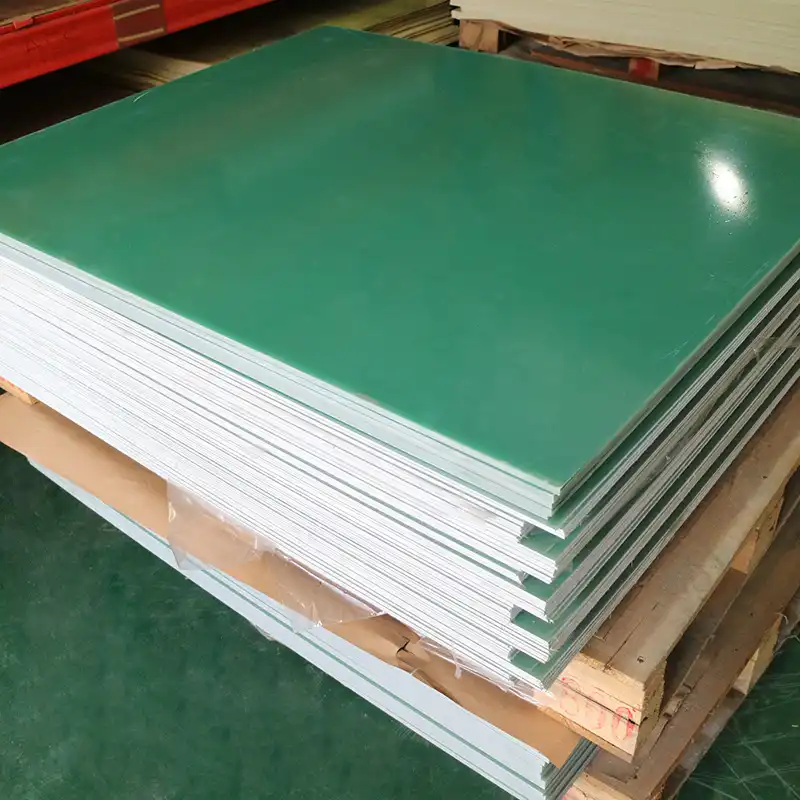
G10 epoxy sheet is made by layering continuous woven fiberglass fabric that has been filled with heat-cured epoxy resin. During production, controlled heat and pressure are used to compress several layers of cloth, making a thick laminate structure. This process gets rid of empty spaces and makes sure that the glue is spread out evenly, so the mechanical and electrical properties of each sheet are the same. The fiberglass reinforcement keeps the structure strong, and the epoxy matrix protects against chemicals and increases the strength of the bond.
The accuracy with which the material is made has a direct effect on how well it works in tough situations. When products are being cured, good manufacturers keep temperatures within strict ranges. This stops internal stresses that could affect the stability of the dimensions. Because they pay so much attention to process control, authorized providers can promise thickness tolerances that are well within the required range. This is important for precision machining and fitting parts together.
Key Mechanical and Electrical Performance Metrics
G10 epoxy sheet can withstand large mechanical loads without deforming because its tensile strength can reach 40,000 psi and its compressive strength is around 65,000 psi. In structural uses, thin pieces can withstand bending forces because their flexural strengths are close to 75,000 psi. While thermoplastics shrink when heated, these mechanical qualities stay the same across a range of temperatures.
Electrically, G10 epoxy sheet has great dielectric strength, which means that electricity doesn't drop through insulation walls. It can be used in RF components and telecommunications equipment because it has a low dissipation factor, which means it loses little energy in high-frequency uses. Its dielectric constant stays the same even when the humidity changes because it absorbs less than 0.1% of water after 24 hours of immersion, which is much less than phenolic laminates, which can absorb over 2%.
Certifications and Quality Standards
Materials from reputable makers meet NEMA standards and ISO certifications, which proves stability from batch to batch. From finding the raw materials to the final review, these quality methods make sure that everything can be tracked. UL approval verifies claims about flammability and thermal performance, which gives engineering teams peace of mind when choosing materials for safety-critical uses. Material data sheets, compliance certificates, and test records that confirm physical qualities are common parts of documentation packages. These are important for audit trails in industries that are regulated.
Comparing G10 Epoxy Sheet With Alternative Insulating Materials
G10 Versus FR4: Understanding the Distinction
Many procurement professionals get the G10 epoxy sheet and FR4 designations mixed up. Flammability is the main difference. FR4 has bromine added to it, which gives it UL 94 V-0 self-extinguishing ratings, but standard G10 epoxy sheet doesn't have these compounds. Most current suppliers, though, offer dual-rated materials that combine the mechanical benefits of G10 epoxy sheet with the flame protection of FR4. This means that you don't have to choose between the two performance traits.
Compared to standard FR4 formulas, G10 epoxy sheet is a little better at resisting water and being strong mechanically. When flame-retardant qualities aren't required by fire safety rules, G10 epoxy sheet is often a more cost-effective option that still has all the necessary insulation properties. On the other hand, FR4 is usually specified for applications that need to meet regulatory requirements and are indoors, contain flammable materials, or require UL listing.
Performance Against Phenolic and Mica Alternatives
Phenolic cotton laminates have lower material costs, but they take a lot more water, which makes them swell in wet places. Because it is sensitive to wetness, phenolic is not good for making accurate parts that need to be very close to the original. The material isn't as strong mechanically, so it can't be used in high-stress situations where G10 epoxy sheet works best.
Mica sheets are very good at resisting heat and being flexible, but they are not structurally rigid enough to be used for load-bearing parts. Mica works well as a high-temperature seal, but it can't be used instead of glass epoxy laminates in made parts that need to stay the same size. Mica is also harder to work with than G10 epoxy sheet because it is brittle and can't be machined with carbide tools.
Thickness Selection and Grade Considerations
The right sheet thickness is determined by the application, combining the need for mechanical strength with the availability of room. For insulation barriers and spacers that need to have as little material as possible, sheets that are between 0.5 mm and 3 mm thick work best. From 6 mm to 50 mm thicker pieces can hold structural parts, gear blanks, and fittings that need to be very rigid.
The operating temperature profiles also have an effect on the choice of grade. Standard G10 epoxy sheet works reliably up to 130°C of continuous exposure, which is enough for most industrial uses. When the temperature is above 155°C, you need higher grades with better resin systems that can keep their mechanical qualities at higher temperatures. Matching the specs of a material to its real use keeps it from breaking down too soon and gets the most out of its cost.
Why G10 Epoxy Sheet Is the Preferred Choice for Precision Insulating Components?
Superior Electrical Insulation Characteristics
G10 epoxy sheet's high dielectric strength keeps electricity from flowing between conductors, which is very important in high-voltage switchgear and transformer assemblies. When hygroscopic materials absorb water, their insulation resistance goes down. But glass epoxy laminates keep their electrical properties the same in all kinds of weather. This dependability cuts down on field failures and makes it possible for power distribution equipment to go longer between repair visits.
Low values for surface and volume resistivity stop leakage currents that could hurt the performance of the circuit or pose a safety risk. The arc resistance of the material keeps tracking damage from happening when it's exposed to electrical shocks. This makes parts last longer in harsh settings. Because of these electrical properties, it is usually used for PCB substrates, terminal blocks, and motor slot wedges, where the safety of the equipment depends on the insulation being good.
Thermal Stability and Heat Resistance
G10 epoxy sheet can work reliably in places where it is constantly heated, like motor housings, appliance frames, and the undercarriage of cars (130°C operating temperatures). The low coefficient of thermal expansion keeps the dimensions stable even when the temperature changes, which stops the material from warping or creating gaps that could weaken the assembly. This thermal performance is better than most thermoplastic insulators, which get soft and deformed when heated for a long time.
When exposed to sudden changes in temperature, the material doesn't crack, which is a common way for weak materials to fail. This toughness is useful for programs that have to start up and shut down often or that are exposed to high temperatures for short periods of time. The way heat deflects stays the same, which makes sure that carved features stay in place throughout the service life of the part.
Mechanical Strength and Durability
Thin cross-sections of G10 epoxy sheet can carry heavy loads because they have high compressive and tensile strengths, lowering the weight of the parts and the cost of the materials. It doesn't crack when bent because it has a high flexural strength, so it can be used in cantilevered supports and brackets. It can withstand more impact than weak clay insulators, which means it is less likely to break when being handled or installed.
In moving contact uses like bearing isolators and mechanical spacers, the hardened resin surface keeps the dimensions accurate by being resistant to wear. Glass epoxy laminates keep their surface finish intact for long periods of time, unlike soft plastics that wear away quickly. This means that maintenance costs will be cheaper and output machinery will be down less often.
Chemical and Moisture Resistance
The material can keep its properties even in dirty places like industrial facilities because it is resistant to oils, solvents, and cleaning agents. When hydraulic fluids, cutting oils, or transformer insulation liquids come in contact with the epoxy resin matrix, it doesn't get swollen or soft. Because the chemicals are stable, the sizes don't change, which could make fittings looser or cause clearance issues.
Moisture absorption below 0.1% keeps the shape stable in places with a lot of humidity, where phenolic materials would swell a lot. Fungal growth and bacterial colonization are not supported by the material, which keeps things clean in food processing and medical equipment uses. Because of these features, protective coatings or regular component repair are not needed as often.
Real-World Application Examples
Machined G10 epoxy sheet parts act as arc barriers between bus bars in power distribution systems, stopping faults from happening from one phase to the next. The dielectric strength and heat resistance of the material protect electronics while keeping the switchgear's small size. Precision-cut insulators are used by transformer makers to separate the coils, and the magnetic performance is directly affected by how well the dimensions are met.
Electronics companies make complex test tools and PCB support structures that need to be electrically insulated and perfectly machined. Because the material is stable across a wide range of temperatures, readings will be the same during thermal cycle tests. Automotive suppliers make battery pack insulators that keep electric vehicles from overheating because they are not easily caught on fire and have a high dielectric strength.
Procurement Guide: How to Source High-Quality G10 Epoxy Sheets Efficiently?
Identifying Qualified Manufacturers and Distributors
Working with certified manufacturers guarantees consistent quality of G10 epoxy sheet materials and a steady flow of supplies. Look for providers that use ISO quality management systems and offer full documentation packages that include test results and certifications for the materials. Manufacturers that have been around for a long time show that their processes are mature and they have a lot of technical knowledge. This lowers the risk of standard changes or delivery delays.
Regional distributors can help cut down on wait times and make it easier to get local goods, but it is still important to check where their materials come from. Authorized distributors for major manufacturers sell original materials that can be fully tracked, so you don't have to worry about getting low-quality replacements. Online platforms let you compare prices, but before you place a large order, you should carefully check out the supplier's references and evaluate samples.
Custom Manufacturing Capabilities and Lead Times
Standard sheet sizes and thicknesses usually ship within one to two weeks from reputable sources who keep stock on hand. Depending on the number of orders and the manufacturer's schedule, it may take four to six weeks to make custom widths or grades. Planning your buying cycles around these lead times will keep your production from being held up and keep you from having to pay extra for faster processing.
Precision cutting, CNC machining, and surface treatments are just a few of the services that many providers give that add value. Putting these tasks together with supplying the materials makes handling easier and makes sure that the properties of the G10 epoxy sheet materials and the methods used to make them work together. When you talk to potential suppliers about their manufacturing capabilities, you can find partners who can grow with your production needs and help with product development.
Price Structure and Volume Considerations
Material costs change based on the width of the sheet, its total size, and the number of items ordered. When you buy in bulk, the price per unit goes down by a lot, but you have to carefully balance the costs of keeping goods with price breaks. Setting up blanket orders with scheduled releases is the best way to get volume pricing benefits and improve cash flow.
When custom sizes of G10 epoxy sheet are cut from standard sheets, there may be waste that is reflected in the price. When you design parts around standard sheet sizes, you cut down on waste and costs. Suppliers often give advice on how to best nest parts and use sheets, which is an added value on top of just providing materials.
Supplier Evaluation Criteria
In addition to price, evaluating a supplier's quality systems, technical support, and responsiveness sets the stage for long-term partnerships. Ask for material data sheets that list the physical qualities and certifications that show the product meets legal requirements. Referrals from clients and signs of the industry's reputation help check claims about quality and delivery performance.
Check out the after-sales support, such as expert advice, help with fixing problems, and a desire to work together on improving material choice. When suppliers invest in their ties with customers, they get information that helps them make better products and run their factories more efficiently. Clear communication about production schedules and limited capacity builds trust, which is important for managing risks in the supply chain.
Best Practices for Using G10 Epoxy Sheets in Precision Component Manufacturing
Proper Storage and Handling Protocols
To keep the surface resin from breaking down, store G10 epoxy sheets in climate-controlled areas out of direct sunlight. Keeping the relative humidity below 60% keeps the best machining qualities while minimizing the amount of wetness that is absorbed. Stack sheets horizontally on flat pallets with separator sheets between them to keep the surfaces from getting scratched and to make sure that the whole area has the same amount of support.
Use clean gloves to handle sheets and avoid putting oil on your hands that could get in the way of later sealing steps. Before sending materials to production, check them for surface flaws, edge damage, or delamination. Using lot codes to keep track of materials lets you connect batches of materials to the performance of finished parts.
Machining and Fabrication Techniques
Because the G10 epoxy sheet material has a lot of glass in it, cutting it is very rough, so carbide or diamond-tipped tools are needed to make the tools last long enough. Normal high-speed steel bits get dull quickly, leaving a bad edge and causing too much heat to build up. Keep the cutting speeds reasonable and the feed rates high enough so that heat doesn't build up and damage the epoxy matrix.
During machining, dust extraction systems are required because fiberglass particles can irritate the lungs and make the work environment dirty. Using coolant during wet cutting cuts down on dust in the air and improves the quality of the surface finish. As part of the manufacturing process, workers are protected from sharp particles by wearing respirators and eye protection.
Peck drilling techniques help drill sites by getting rid of chips and keeping deep holes from getting too hot. Back up the material with spare sheets to stop delamination on the exit side when the drill bits break through. Keep the cutting edges sharp and the point geometries correct to keep drilling forces as low as possible, which could cause thin sections to crack.
Quality Control and Testing Methods
Dimensional inspection with calibrated micrometers and coordinate measuring machines makes sure that the product meets the requirements of the drawing. Keep an eye on the thickness tolerances across different sheet areas, as differences can affect how well precision parts work. Measurements of the surface finish show that the machining processes have not damaged the material's integrity by using too much heat or damaging the tools.
Using high-voltage testers at certain voltage levels, electrical testing verifies the insulating strength. Measurements of resistance between wires that are not connected to each other show that the insulation is good. Samples from production runs that are put through mechanical testing make sure that the strength traits stay within the ranges specified. This lets you know right away if there are any problems with the material.
Visual inspection finds flaws on the surface, problems with the quality of the edges, or delamination that could make the part less reliable. Setting standards for what is acceptable for small cosmetic differences versus functional flaws makes quality choices more consistent. Recording inspection results makes them easy to find, which helps with quality checks and efforts to keep getting better.
Conclusion
G10 epoxy sheet is the best material for accurate parts in many industries because it is good at insulating electricity, lasting a long time, and staying stable at high temperatures. Its high resistance to moisture, steadiness in shape, and resistance to chemicals make it reliable over time, which lowers upkeep costs and downtime. Understanding the features of the material, choosing the right grades, and using the right handling techniques will help you get the best performance out of your components while keeping costs down. The fact that the material has been used successfully in tough situations, ranging from power distribution to automotive electronics, shows that engineering teams all over the world can rely on it.
FAQ
What distinguishes G10 from FR4 glass epoxy laminates?
Flame retardancy is the main difference. FR4 has bromine additives that make it self-extinguishing according to UL 94 V-0 ratings, but standard G10 epoxy sheet does not have these compounds. However, many modern suppliers offer dual-rated materials that have both designations. These materials offer flame resistance without giving up G10 epoxy sheet's better mechanical properties or resistance to moisture.
Can G10 epoxy sheet withstand continuous high-temperature exposure?
Standard grades can safely work at temperatures up to 130°C all the time, making them good for most electronics and commercial uses. For temperatures above 155°C, better formulations with stronger resin systems are needed to keep the strength at high temperatures. Choosing the right grades based on how they will be used guarantees the best performance and the longest life of the component.
How does moisture absorption affect dimensional stability?
G10 epoxy sheet doesn't take much water—less than 0.1% after being submerged in water for 24 hours—so it stays very stable in wet places. This low absorption keeps the phenolic laminates from swelling, which makes it perfect for precision parts that need to be made with very tight tolerances. Because the material doesn't lose its properties when it gets wet, it can be used as electrical shielding in a wide range of environments.
Partner With J&Q for Premium Glass Epoxy Laminate Solutions
J&Q has been making things for over 20 years and trading with other countries for 10 years. They give approved insulation materials to engineering teams around the world. Our strict quality control methods make sure that every sheet meets the strict requirements for dielectric strength, mechanical properties, and accurate measurements. With in-house logistics that allow for seamless one-stop service, we make buying easier and guarantee reliable delivery. Our technical team works with clients to find the best materials, thickness requirements, and ways to make parts so that they work as well as possible. Email our experts at info@jhd-material.com to talk about your needs for precision insulation components or to get full product specs. We have established connections with suppliers and the industrial skills to support projects from prototypes to high-volume production, whether you need standard G10 epoxy sheets or custom-cut parts. You can find more technical tools and application tips at blog.jhd-material.com.
References
1. National Electrical Manufacturers Association. "Industrial Laminating Thermosetting Products Standard." NEMA Standards Publication LI 1-2020.
2. Harper, Charles A. "Handbook of Plastics Technologies: The Complete Guide to Properties and Performance." McGraw-Hill Professional, 2018.
3. Society of Plastics Engineers. "Electrical Properties of Thermoset Composite Materials." SPE Technical Papers Series, Vol. 47, 2019.
4. American Society for Testing and Materials. "Standard Test Methods for Electrical Insulating Materials." ASTM D229-20 Specification.
5. Institute of Electrical and Electronics Engineers. "Recommended Practice for Testing Insulation Systems." IEEE Standard 1776-2017.
6. Campbell, F.C. "Manufacturing Processes for Advanced Composites." Elsevier Science Publishing, 2021.

Get a complete product list and quotation

J&Q New Composite Materials Company