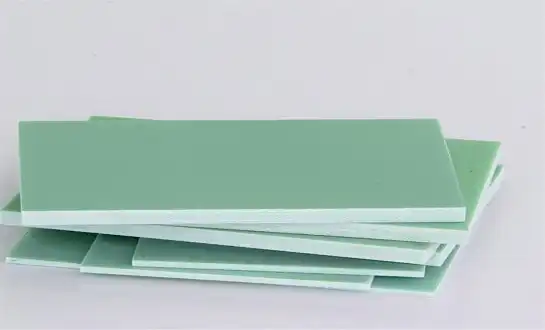
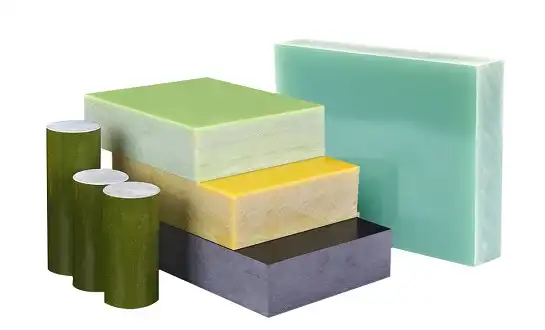
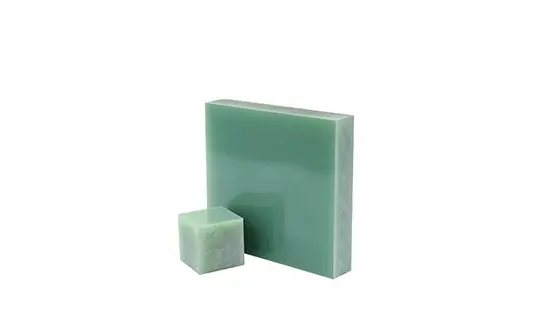
Why Is Feed Rate Important in Bakelite Sheet CNC Machining?
Feed rate determines how quickly your cutting tool travels through phenolic laminate during precision machining operations, directly controlling the balance between part quality and production efficiency when working with Bakelite Sheet. This critical parameter governs surface integrity, dimensional accuracy, and the electrical insulation performance your end-products require. When engineering managers set feed rates without understanding the thermoset nature of phenolic resin composites, they encounter brittle fractures, delamination between paper layers, and compromised dielectric strength that render finished components unusable in high-voltage applications.
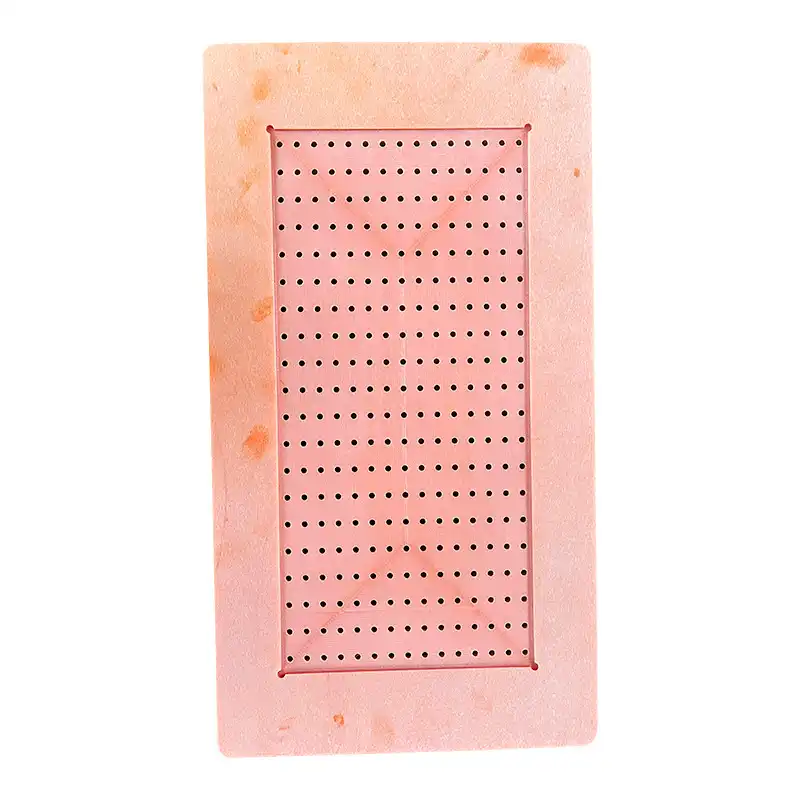
Understanding Feed Rate in Bakelite Sheet CNC Machining
Feed rate is the amount of linear distance a cutting tool moves in a given amount of time. In CNC tasks, it is usually recorded in millimetres per minute or inches per minute. This setting, along with spindle speed, determines the chip load per tooth. This is especially important when cutting phenolic paper laminates.
The Relationship Between Feed Rate and Material Properties
There are some things about Bakelite Sheet that make it different from thermoplastics that are usually found in factories. Thermoset materials are made by curing phenol-formaldehyde resin under heat and pressure in a way that can't be undone. Once they are solidified, they can't melt or reform. This chemical structure makes the material unstable, so it's important to choose the feed rate carefully. When tools move too quickly through the composite layers, the material breaks before the cutting edge instead of separating neatly. This makes rough surfaces with fibre strands sticking out that make electrical insulation barriers less effective.
How Brittleness Influences Machining Strategy
The paper or cellulose support in phenolic laminates makes them stronger, but it also gives them directional qualities that change how they cut. Depending on whether you're machining in a straight line or at an angle to these fibre orientations, your feed rates need to change. When you move slowly and carefully, the carbide cutting edge can cut individual fibres without pulling them out of the resin matrix. This stops delamination between composite layers, which is a flaw that leaves air gaps in transformer barriers and switchgear parts that weaken their dielectric strength.
Temperature Sensitivity During Cutting Operations
Around 150°C, phenolic resin starts to break down, which is much lower than the temperatures that are created by friction in aggressive machining. Feed rate has a direct effect on heat production because slower progress means that the tool and material are in contact for longer at any given point. However, feed rates that are too fast stop chips from moving away properly, which leads to frictional heating from re-cutting debris. The best feed rates keep temperatures below the point where they start to break down while ensuring that chips are constantly removed. This keeps the shape stability and surface quality that electrical engineers need for precision insulation parts.
How Feed Rate Impacts the Quality and Efficiency of Bakelite Sheet CNC Machining
Finding the right mix between feed rate and speed can take your machining results from good to great, which has an effect on both the functionality of the final parts and your running costs.
Surface Finish and Electrical Performance Connection
Rough surfaces caused by incorrect feed rates increase the area of the insulation that is directly exposed to water and dirt, which weakens its resistance over time. When feed rates make the tool chatter or the material tear, tiny cracks open up in the surface. These allow for tracking and eventually electrical failure in high-voltage settings. When purchasing parts for power distribution equipment, people who work in procurement know that surface roughness below 1.6 Ra usually means solid long-term insulation performance, which can only be reached by making sure the feed settings are set correctly.
Tool Wear Economics in Production Planning
Phenolic composites used in Bakelite Sheet have rough filling and strengthening materials that can cause cutting tools to wear out faster. Changes in feed rate during Bakelite Sheet machining have a direct effect on tool life because they influence cutting forces and heat cycles. Moderate feed rates help distribute wear evenly across the cutting edge, which reduces the frequency of tool replacement and lowers downtime during high-volume Bakelite Sheet production runs. When factory managers evaluate the total cost of ownership, they often find that optimised feed rates can extend the life of carbide tools by 40 to 60 percent compared with default machine settings. This improvement has a significant impact on the cost per part when manufacturing Bakelite Sheet components for automotive applications, where tight tolerances require regular tool inspection and consistent machining performance.
Throughput Optimization Without Quality Compromise
Production schedulers are always under pressure to cut cycle times while still meeting the needs of engineering teams for dimensional tolerances and surface specifications. Feed rate optimisation finds the fastest, safest way to move each type of material and thickness, which makes this balance possible. When cutting thin phenolic sheets for motor insulation frames, cutting forces are lower, which lets feed rates go up. This lets appliance makers meet tight delivery dates without losing the mechanical strength needed for automatic assembly processes.
Optimal Feed Rate Guidelines for Different Types of Bakelite Sheet
Different types and shapes of phenolic laminate need different ways of being machined depending on their make-up and where they will be used.
High-Pressure versus Low-Pressure Laminate Considerations
When compared to low-pressure versions, high-pressure phenolic laminates have a denser, more uniform structure and contain more resin. Because of this difference in density, the feed rate needs to be changed. Denser materials can handle a slightly faster rate because their better mechanical stability stops fractures from spreading. When used in humid transformer environments, Grade XXX laminates usually work best when fed at rates 15–20% higher than Grade X mechanical-grade materials, as long as the tooling and spindle speeds are kept the same.
Thickness-Dependent Parameter Scaling
The cutting mechanics are basically changed by the thickness of the sheet because it affects how the tools contact and how heat is transferred. For sheets less than 3 mm thick, feed rates need to be slowed down so that they don't bend while being cut, which can lead to errors in measurements and the material moving off of workholding fittings. On the other hand, sections that are thicker than 20 mm benefit from modest increases in feed rate. This helps chips escape from deep cutting zones more efficiently and stops heat buildup that weakens both the tool's life and the material's properties near the cut surfaces.
Industry-Specific Application Requirements
To keep short circuits from happening, automotive battery barrier uses need edges that are free of burrs. This means using slow feed rates, sharp tools, and climb milling methods. Industrial machinery builders who make gear blanks put a high value on consistent dimensions across batches of production. To keep tolerance bands within ±0.1mm across hundreds of parts, they need to make sure that feed rates are validated through statistical process control. Manufacturers in the power sector who work with arc barriers need surface finishes that stop corona discharges from starting. This can be done by using fine feed rates in finishing passes after roughing operations that are very rough.
Common Challenges and How to Avoid Machining Issues Related to Feed Rate
By spotting early signs of feed rate problems, you can avoid expensive scrap and production delays and set up processes that quality assurance teams can use again and again.
Identifying and Resolving Chipping Problems
Edge chipping in Bakelite Sheet machining usually means that the material's fracture toughness is being exceeded by excessively high feed rates. This issue is most noticeable at entry and exit points where the cutting tool engagement changes quickly. Chipping problems in Bakelite Sheet processing can be reduced by lowering feed rates by 20 to 30 percent in these transition areas while maintaining higher speeds during fully engaged cutting operations. Using lead-in and lead-out toolpaths with Bakelite Sheet gradually engages the material and provides better protection for precision components that require clean edges for assembly in electrical boxes. Proper machining control of Bakelite Sheet helps improve edge quality, maintain dimensional accuracy, and support reliable performance in electrical and industrial applications.
Preventing Thermal Damage Through Parameter Integration
Discolouration and carbonisation of the surface are signs of thermal degradation caused by not enough cooling or the wrong combination of parameters. The total amount of heat produced is determined by how the feed rate, spinning speed, and depth of cut all work together. To avoid thermal damage, you need to make coordinated adjustments. For example, to keep the chip load constant while reducing dwell time at any given location, you can increase the feed rate while proportionally raising the spindle speed. It's important to remove the dust actively because phenolic dust that builds up around the cutting zone keeps heat in and speeds up a localised temperature rise that hurts both the workpiece and the tools.
Achieving Consistent Results Across Production Runs
The best feed rates are affected by changes in the material's qualities from batch to batch, especially its moisture content and the degree to which the resin has cured. By making initial test cuts on each material lot to set standard parameters and then keeping an eye on the surface finish and measurement accuracy of the first production pieces, the feed rate can be fine-tuned in real time before starting full production runs. This method of validation is very important for OEM supply chain managers to keep up with the quality standards that top car and appliance makers need.
Sourcing Quality Bakelite Sheets and CNC Machining Services
Material quality and machining skill are the most important parts of making phenolic laminate components, so choosing a supplier is a strategic decision that will affect the long-term success of the manufacturing process.
Certification Standards and Material Consistency
Reliable providers of phenolic laminate have strict quality control systems that make sure every batch of sheets meets the required mechanical, electrical, and thermal features. UL certification and RoHS compliance paperwork are concrete proof that materials work the same way in all temperature ranges and environmental conditions that your apps need. Material certificates should include thorough property data like flexural strength, dielectric constant, and moisture absorption rates. This way, engineering teams can make sure that the materials will work with their plans before making large purchases.
Machining Expertise and Feed Rate Optimization
CNC service providers with a lot of experience in phenolic machining know how to get the best feed rates for a wide range of grades and shapes. These experts know how to account for differences in materials, choose the right tooling geometries, and program efficient toolpaths that balance cycle time with quality standards. When designing new parts or going from a pilot to mass production, their knowledge is especially useful because fine-tuning machine parameters has a direct effect on how well the parts can be made and how much they cost.
Lead Time Flexibility and Technical Support
Schedules for industrial production need suppliers who can meet both planned orders and pressing needs without lowering quality standards. Because suppliers keep a lot of stock of common grades and thicknesses, projects can start faster, and suppliers can also make custom sizes for specific uses. Technical support, such as engineering help with choosing materials, suggestions for machining parameters, and troubleshooting advice, sets strategic supplier partnerships apart from transactional vendor relationships.
Conclusion
Feed rate optimisation in Bakelite Sheet machining is where knowledge of material science meets real-world manufacturing experience. Getting the correct feed rate for Bakelite Sheet processing protects the performance of electrical insulation materials, extends the service life of cutting tools, and improves production efficiency to meet competitive manufacturing requirements. Because phenolic resin composites used in Bakelite Sheet are thermoset materials, it is important to carefully control feed rates to prevent material cracking while managing heat generation during machining. By adjusting the feed rate according to the material characteristics, Bakelite Sheet thickness, and specific application requirements, manufacturers can achieve excellent surface quality and accurate dimensions. Proper machining parameters for Bakelite Sheet help ensure reliable performance in power distribution equipment, automotive components, and industrial machinery applications.
FAQ
What happens if my feed rate is too fast when machining phenolic laminates?
Too fast of feed rates lead to brittle fractures before the cutting edge, which create rough surfaces with fibres pulling out and layers delaminating from each other. There will be a lot of chipping at the edges, bad measurement accuracy because cutting forces will bend thin parts, and shorter tool life because carbide edges will be under more mechanical stress.
Can I use the same feed rates for all thicknesses of phenolic sheet?
The best feed rates depend a lot on the thickness of the material. To keep the dimensions stable and stop the sheets from bending, they need to be moved forward more slowly. On the other hand, thicker parts can handle modest increases that help chips escape and cut down on cycle times without affecting the quality of the surface.
How do I know when to adjust my feed rate during production?
Check the quality of the surface finish and the state of the edges on the first production pieces. Rough surfaces, too much burring, or heat discolouration that can be seen are all signs that the feed rate needs to be adjusted. Following the wear patterns of tools can also give you information—for example, if an edge fails too soon, it means that the feed rate needs to be slowed down to lower the cutting forces.
Partner With J&Q for Superior Phenolic Laminate Solutions
J&Q has been making and providing high-quality phenolic laminates to the electrical, industrial, and automobile sectors around the world for more than 20 years. Our technical team knows how important it is for material properties and machining parameters to work together. They can give you detailed feed rate suggestions that are perfect for your application. As a well-known company that makes Bakelite Sheet and has combined production skills, we have strict quality standards for all of our products. This makes sure that your precision components always work the way they should. Our in-house transportation department handles everything from choosing materials to delivering them. This means that there are no communication problems that slow down project timelines. Get in touch with our technical support team at info@jhd-material.com to talk about your phenolic laminate needs and find out how our knowledge of the material and advice on how to machine it can help you make better parts while maximising production efficiency.
References
1. Smith, J.R., & Anderson, M.K. (2019). Advanced Machining of Thermoset Composites: Parameter Optimization for Phenolic Laminates. Manufacturing Engineering Press.
2. Chen, W.L. (2020). "Feed Rate Effects on Surface Integrity in Phenolic Resin Composite Machining." Journal of Materials Processing Technology, 285, 116-129.
3. Industrial Machining Standards Committee (2021). Best Practices for CNC Machining of Electrical Insulation Materials. Technical Publication Series.
4. Rodriguez, P., & Kumar, S. (2018). "Tool Wear Mechanisms in Abrasive Composite Machining: Phenolic Laminate Case Studies." International Journal of Advanced Manufacturing Technology, 98(5-8), 1847-1862.
5. Williams, T.H. (2022). Thermoset Material Machining Handbook: Engineering Guide for Precision Component Manufacturing. Industrial Press Inc.
6. European Electrical Insulation Manufacturers Association (2020). Technical Guidelines for Machining Phenolic Paper Laminates in High-Voltage Applications. Standards Document.

Get a complete product list and quotation

J&Q New Composite Materials Company