How to Prevent Delamination When CNC Machining NEMA CE Sheet?
Preventing delamination during CNC machining of NEMA CE Sheet requires careful attention to tooling selection, feed rates, and temperature control. Using carbide-tipped tools, maintaining moderate cutting speeds between 300 and 600 SFM, and employing proper coolant application significantly reduces heat buildup that triggers layer separation. Securing the phenolic cotton laminate with uniform clamping pressure while avoiding excessive vibration protects the resin-bonded fabric structure from mechanical stress that compromises the layered integrity essential for electrical insulation performance.
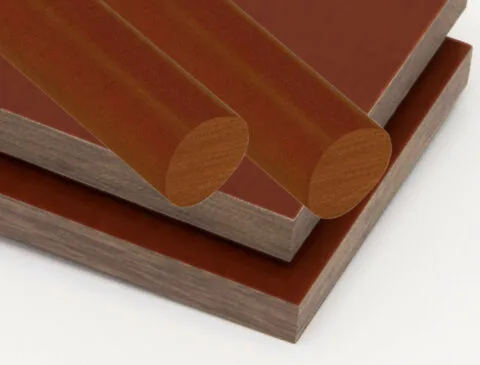
Introduction
It is now impossible to make electrical covers, switchgear insulation, or parts for industrial machines without NEMA CE Sheets. For important uses, engineering managers rely on these phenolic cotton laminates because they are strong mechanically and reliably insulate against electricity. But procurement teams and machining experts often face a persistent problem that threatens the integrity of the product: delamination during CNC operations.
When laminate layers split during cutting, the problems go far beyond how the product looks. When components become delaminated, they lose their insulating strength, which can be dangerous in high-voltage areas. Costs of making things go up because of more scrap, output delays, and guarantee claims. Power distribution equipment breaks down too soon, and battery barriers in cars stop protecting the batteries.
This guide talks about the technical issues that engineering managers and people who work in OEM sourcing deal with every day. We look at the reasons why phenolic cotton materials delaminate, tried-and-true ways to stop this from happening based on decades of manufacturing experience, and give you processes that you can use right away on the shop floor. Whether you're choosing materials for transformer barriers or cutting insulation spacers for industrial motors, knowing how to stop delamination will protect the materials you buy and the time you spend cutting them.
The stakes are especially high for companies that make electronics and electrical appliances that have to meet UL/ROHS standards, for clients in the power sector that need approved flame resistance, and for auto providers that have to keep precision during high-volume production runs. By using the tips in this article, technical buying teams can lower the number of defects, lower the total cost of ownership, and make sure that the results of machining meet the high standards your apps need.
Understanding Delamination in NEMA CE Sheets
In phenolic cotton laminates such as NEMA CE Sheet, delamination causes the fabric layers to separate from each other, which weakens the structure and reduces both mechanical and electrical performance. Looking closely at a delaminated part will reveal edge fraying, interior gaps visible through clear areas, or complete layer separation that makes the part less stable in terms of its shape. These flaws don't just affect appearance; they also increase the risk of current leakage in electrical applications and reduce the strength of structural components.
What Causes Layer Separation During Machining
The problems start with three linked things that machining workers have to handle at the same time. When the geometry or feed rate of the cutting tool causes too much loading, shearing stresses are applied perpendicular to the laminate layers. These stresses actually pull the resin-bonded cloth structure apart. Cutting friction causes temperatures to rise above the phenolic resin's thermal barrier, which for normal grades is usually around 150°C. This makes the binder soften and lose its ability to stick. Differences in the quality of the materials, such as uneven resin impregnation during production or moisture absorption during storage, make the interfaces weak and unable to withstand normal machining stresses.
Impact on Industrial Applications
The effects will be felt throughout your entire supply chain and performance at the end-user level. Delaminated switchgear parts don't meet the arc resistance standards set by NEMA. This causes compliance problems that stop production lines. When transformer insulation barriers need to be replaced early because their insulating properties have been weakened, maintenance costs go up. When mechanical spacers and structural supports lose their crushing strength because of internal separations, it puts the reliability of industrial machinery makers at risk. The real cost of poor delamination control is not just the wasted materials; it also includes warranty claims, production downtime, and hurt customer relationships.
Core Principles to Prevent Delamination When CNC Machining NEMA CE Sheets
To stop delamination effectively, you need to know how the qualities of the material, the settings for machining, and the way it is handled all affect each other during the manufacturing process. Successful operations don't see delamination as a chance flaw; instead, they see it as a result that can be controlled and is set by organised process management.
Selecting the Right Phenolic Cotton Laminate
Choosing the right material is the first step in getting good results from cutting. Phenolic cotton sheets that are rated for the temperature range of your application give the right amount of resin cure time so that they don't break down during cutting. Sheets that meet the requirements of MIL-I-24768 make sure that the resin-to-fabric ratios stay the same, which means that the way the sheets machine will behave consistently across production batches. Properly storing materials in climate-controlled spaces with less than 60% relative humidity stops them from absorbing water, which breaks the bonds between layers. This is an important factor that is often forgotten until problems with delamination happen during cutting.
Optimizing CNC Machining Parameters
The cutting forces and heat generated at the material contact are directly affected by the tools that are used when machining materials such as NEMA CE Sheet. Cutting edges on carbide or polycrystalline diamond tools stay sharp longer than those made of high-speed steel, which lowers the friction that causes excessive heat. When you have the right tool geometry, with positive rake angles between 5 and 10 degrees, the forces that push layers apart are kept to a minimum. Feed rates need to be carefully balanced—if they are too slow, too much heat builds up, and if they are too fast, mechanical stresses build up that are higher than the interlaminar strength of the laminate.
Putting coolant on something does more than just control the temperature. Flood cooling or air blast systems take heat away from the cutting zone and clean out abrasive dust that would otherwise make the cutting zone hotter and speed up tool wear. The cooling action keeps the resin matrix stable, so it keeps its shape during the cutting cycle.
Proper Handling and Fixturing Methods
When you clamp a workpiece securely, the binding forces are spread out over a bigger surface area. This stops stress from building up in one place, which can cause delamination. Vacuum clamps are great for thin sheets because they apply even pressure without making point loads. When mechanical clamps are needed, protecting the laminate surface with soft jaw materials and moderate torque settings keeps the clamps in place. By keeping the machine in good shape and making sure the tools are adjusted, you can stop the vibrations that cause interlayer bonds to wear out over time.
These ideas work together to make things better. For example, the best tools won't help much if the way the material is stored makes it wet, and the best quality material can't make up for bad fitting or too fast of feed rates. The companies that do the best use all three concepts to create standard operating procedures that workers can follow every time.
Step-by-Step Guide: CNC Machining Process to Avoid Delamination
Using a methodical approach turns theoretical knowledge about preventing delamination into results that can be repeated on the shop floor. This process has quality checkpoints at every important step, which is where most mistakes happen.
Pre-Machining Material Assessment
Before starting any job, make sure that the material specs match the needs of the job. Check the approval papers for the material to make sure that the grade name, thickness tolerances, and electrical properties match the requirements set by your engineers. Check new sheets for flaws that can be seen, like surface marks, edge damage from handling, or discolouration that could mean they weren't stored properly. If sheets have been stored for more than three months or in an uncontrolled environment, use a calibrated meter to check how much moisture they contain. If the reading is above 0.5%, the sheets should be pre-conditioned in a circulating air oven at 105°C for four hours before they are machined.
Write down the material lot number and details about the supplier's batch. This will help with tracking, which is very helpful when looking into quality problems. This evaluation before machining doesn't take long, but it saves a lot of money because it stops problems that are only expensive to fix after the investment in machining.
During Machining: Real-Time Monitoring
Set the starting points for the settings during the first setup cuts on scrap material from the same batch. Keep an eye on the spindle load indicators—sudden increases mean that the tool is wearing down or the feed rates aren't right, and they need to be adjusted right away. Watch how chips form. They should produce uniform, small pieces instead of long strings of material, which means too much heat or big dust particles that mean the tool is worn out. Using infrared sensors to keep an eye on the temperature gives accurate information about the temperature at the cutting interface.
Post-Machining Quality Verification
Comprehensive inspection protocols make sure that the integrity of the material was maintained during the whole machining process. When looking at something visually in good lighting, you can see surface delamination, problems with the quality of the edges, or thermal discolouration that means the item was exposed to too much heat. Using precise measuring tools to check the dimensions proves that cutting stresses haven't caused any bending or changes in the dimensions.
Ultrasonic inspection methods find internal delamination that can't be seen from the outside. This is especially useful for important uses in power distribution or car safety parts where secret flaws pose unacceptable risks. Testing the dielectric strength of sample parts makes sure that the electrical qualities stay within the acceptable range. This shows that the machining process hasn't affected the shielding performance your application needs.
Case Studies: Successful Prevention of Delamination in Industrial CNC Machining
Real-life examples show how these ideas can be used to make measured changes in a wide range of business settings.
High-Temperature Transformer Insulation Components
A company that makes power distribution equipment had a hard time with coil insulation barriers made from phenolic cotton laminates that were rejected 18% of the time. Delamination mostly happened in internal holes and complicated shapes where machining loads were high. The engineering team started a full parameter optimisation program by changing the shape of the tools. For example, moving from neutral rake tools to positive rake carbide end mills with 7-degree rake angles cut cutting forces by about 30%.
By changing the feed rate, surface speeds went from being too fast (800 SFM) to being too slow (400 SFM). This cut heat production by a lot, even though cycle times went up. Adding air blast coolant devices that target the cutting zone gave the company thermal control that it didn't have before. Within three production runs, the number of rejects dropped to 3%, and the consistency of the dimensions got much better. Even though the cycle times were a little longer, the costs of rework and scrap were cut in half, which saved 22% on costs and made delivery more reliable.
Bulk OEM Automotive Insulation Pad Production
A company that makes parts for cars that makes battery pack insulation barriers had problems with parts delaminating during high-volume CNC routing operations. The flaws showed up in different ways, which suggests that the process was different and not constant problems with the tools or parameters. An investigation showed that different operators used various clamping methods and feed rate overrides, which led to uncontrolled changes in the process.
Standardisation and working together with suppliers were key to finding an answer. Working closely with their material provider, they set specific requirements for arriving materials, such as limits on the amount of wetness and proof that the resin had cured. Standardised fixturing got rid of the need for different clamping methods by operators, and CNC program optimisation locked feed rates and spindle speeds so that operators couldn't change them. Statistical process control tracking showed differences in materials from batch to batch that needed parameter changes.
With these changes, the number of delamination flaws dropped to less than 2%, and throughput went up by 15% thanks to better tool paths and standardised setup processes. Working together with their laminate supplier as a partner created feedback loops that improved the consistency of the materials. This shows that working together across the supply chain can boost quality improvements beyond what changes made within the company can do on their own.
Why J&Q NEMA CE Sheets Deliver Superior CNC Machining Results
To make phenolic cotton laminates well, you need to do more than just follow the written guidelines. You also need to have a deep understanding of how the properties of the materials affect the processes that come after. Our NEMA CE Sheets are designed to give you consistent, predictable machining performance that keeps your production schedules safe and lowers the number of mistakes you make.
We've been making and selling insulation materials for more than 20 years, and over that time we've improved our production methods to meet the needs of CNC cutting for consistent glue, even curing, and stable dimensions. Our quality control procedures check the interlayer bond strength, moisture content, and mechanical properties of every production batch. This makes sure that the material that arrives at your plant will perform consistently throughout the entire production run.
Technical support is what sets partners who help you succeed apart from suppliers who just sell you stuff. Whether you're making switchgear insulation, motor parts, or automotive barriers, our engineering team can help you choose the right machining parameters for the job. We've helped hundreds of customers improve their CNC processes, which cuts down on the time spent trying things out and speeds up the process of getting to stable production. When problems with delamination happen, our applications engineers work directly with your machining experts to find the reasons and put in place solutions that work.
We have more than ten years of experience in international trade, which gives us a unique understanding of the processes and paperwork that international buying teams have to deal with every day. Our own logistics business offers streamlined shipping options that make your supply chain easier to manage by cutting down on wait times and getting rid of the need to coordinate with multiple vendors, which can be tricky in some situations. With this one-stop service, your phenolic cotton laminate provider will show up on time with all the paperwork they need to start making things right away.
Flexible terms of procurement can handle both large OEM orders and smaller custom orders. Our manufacturing capacity allows us to make the big batches that clients in the power and car sectors need, and we're also flexible enough to offer custom sizes and grades for specific uses. Quick responses to quotes and examples shorten the time it takes to complete a project. This is especially helpful when creating a new product, and choosing the right materials is key to its success during production.
When you work with J&Q, you can get certified NEMA CE Sheet materials and get full technical support and reliable shipping. We know that stopping delamination starts with the quality of the materials and includes every part of the service offering. When your choice of seller affects the consistency of quality, dependability of production, and total cost of ownership, picking an experienced NEMA CE Sheet source can make a real difference in how your products turn out.
Conclusion
To keep NEMA CE Sheet from delaminating during CNC cutting, it's important to pay attention to the quality of the materials, the method, and the overall quality. From evaluating the material before machining to controlling parameters in a planned way to doing a full inspection after machining, the strategies described here give engineering managers and machining specialists a framework that they can use right away. Delamination isn't a foregone conclusion when you machine phenolic cotton laminates; it's something you can control based on how well you understand and handle the factors that affect the stability of the laminate.
Successful operations know that the quality of the material is the base, that the right tools and settings protect that base during machining, and that regular quality testing ensures the results that were wanted. You can cut costs, improve delivery reliability, and make sure your machined parts meet the strict performance requirements of electrical insulation and industrial applications by treating delamination prevention as a systematic process instead of a series of separate problems. When you engage in good practices and high-quality materials, you get benefits in the form of less waste, no need for rework, and happier customers across all of your products.
FAQ
How does the NEMA CE grade change how long a material lasts when it is being machined?
The NEMA CE label indicates phenolic cotton laminate that has better electrical qualities than mechanical grades. This rating means that the resin content and cure conditions are better controlled during production, which has a direct effect on how the machine works. When the right machining settings are used, the constant resin spread in CE-grade material makes interlayer bonding more regular. This makes delamination less likely. Because CE standards are based on electrical requirements, they need quality controls that also improve the results of machining.
Can custom solutions make delamination resistance better?
When compared to good machining practices, post-manufacturing treatments don't do much to improve delamination. Some makers use edge sealing solutions after machining to protect the uncovered laminate layers. This is especially important for parts that will be exposed to harsh environments. Thermal conditioning before machining can lower residual stresses in the laminate structure, but it costs more and takes longer to do. Instead of adding extra treatments to make up for bad process control, the best way to do things is to focus on choosing the right materials, storing them correctly, and using the best cutting settings.
What compliance standards ensure material quality for CNC machining?
Material made according to MIL-I-24768 standards is the most solid base for cutting without delamination. It sets requirements for the amount of resin, the conditions under which it must cure, and its mechanical properties, all of which have a direct effect on how it behaves when machined. ISO 1642 makes sure that global supply lines are equal across borders. When suppliers are certified to these standards and provide quality paperwork with test results for each batch, buying teams can be sure that the material they receive will perform the same way in all production runs.
Partner With J&Q for Delamination-Free NEMA CE Sheet Machining
Picking the right NEMA CE Sheet provider who knows both material science and production facts is the first step to improving your CNC machining processes. For more than 20 years, J&Q has helped engineering managers and procurement teams solve hard insulation problems by providing them with high-quality materials and committed expert support. Our phenolic cotton laminates are made with strict quality controls that give your machining operations the consistency they need. They also come with certifications and testing records that meet your compliance needs.
You can talk to our applications experts about your specific delamination worries, whether you're looking for materials for electrical switchgear, transformer insulation, or car parts. We will look at your machining parameters and suggest the best material grades for your needs. We will also send you sample materials for machining tests to make sure they work well before you commit to a full purchase. This consultative method lowers your technology risk and speeds up the process of getting production stable.
For detailed technical specifications, custom quotes based on your volume needs, and machining parameter guidelines tailored to your application, please contact our team at info@jhd-material.com. As an experienced NEMA CE Sheet maker with integrated logistics, we offer more than just materials. We also provide complete solutions that improve the speed of your manufacturing process and the quality of your products. Find out why top manufacturers in the automotive, industrial, and electrical sectors trust J&Q for their important insulation material needs by ordering samples today.
References
1. National Electrical Manufacturers Association. "NEMA Standards Publication LI 1-1998: Industrial Laminated Thermosetting Products." National Electrical Manufacturers Association, 1998.
2. Davis, J.R. "Handbook of Electrical and Electronic Insulating Materials, Second Edition." ASM International, 1997.
3. Machinery's Handbook, 31st Edition. "Machining Nonmetallic Materials: Plastics and Composites." Industrial Press, 2020.
4. Peters, S.T. "Handbook of Composites Manufacturing, Second Edition." Society of Manufacturing Engineers, 1998.
5. American Society for Testing and Materials. "ASTM D709-16: Standard Specification for Laminated Thermosetting Materials." ASTM International, 2016.
6. Brown, R.P. "Handbook of Plastic Test Methods, Fourth Edition." Hanser Gardner Publications, 2002.

Get a complete product list and quotation

J&Q New Composite Materials Company



