Glass Fiber Reinforced 3240 Epoxy Sheet CNC Processing Techniques
When machining glass fiber-reinforced 3240 epoxy sheet, precision CNC processing stands as the bridge between raw material potential and finished component performance. The 3240 epoxy sheet, composed of alkali-free glass fiber cloth impregnated with epoxy phenolic resin, demands specialized cutting strategies to prevent delamination, fiber pullout, and thermal degradation. Mastering these techniques ensures electrical insulation integrity and dimensional accuracy critical for switchgear, transformer components, and motor insulation applications across industrial sectors.
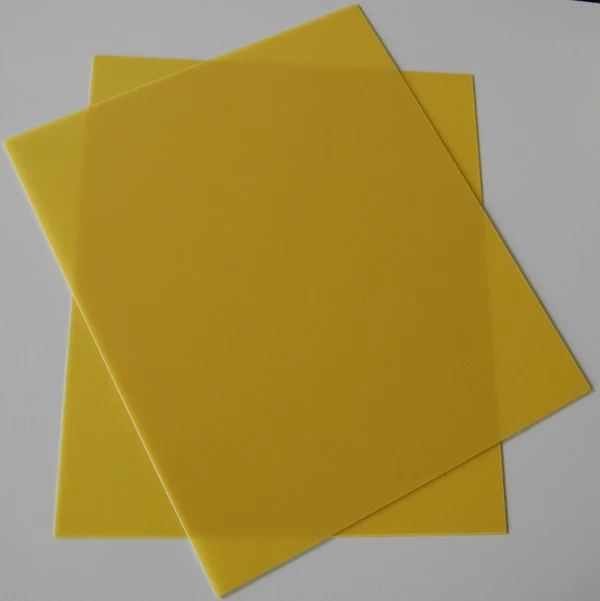
Understanding Glass Fiber Reinforced 3240 Epoxy Sheets
Material Composition and Manufacturing Standards
In a controlled impregnation process, weaving E-glass cloth soaks up epoxy resin at exact temperatures and pressures. This makes glass fibre reinforced 3240 epoxy sheets. The production process follows GB/T 1303.1-2009 standards, which are the same as international IEC standards. This makes sure that the dielectric qualities and mechanical performance are always the same. Over twenty years of production experience has shown us that the right resin-to-fiber ratios make laminates with Class F thermal ratings (155°C constant operation), which solves the main problem of keeping structures stable in electrical settings with high temperatures.
The curing period has a direct effect on the end properties of the material. Thermal stress tests show that sheets that haven't been cured long enough blister, while laminates that have been treated too long become brittle and are more likely to micro-crack during CNC operations. Good makers use multi-stage heat treatment methods that slowly raise temperatures until cross-linking is complete without adding internal stresses that make the material harder to machine.
Key Technical Specifications
For electrical applications, dielectric strength is the most important factor in choosing a material. When tested perpendicular to the laminates in transformer oil, properly made 3240 epoxy sheets show breakdown voltage resistance greater than 10 to 15 kV/mm. This feature keeps high-voltage switchgear and distribution equipment safe from partial discharge, which happens when weak materials cause electrical failures at stress concentration points.
These composites are different from phenolic alternatives because of their mechanical properties. Flexural strength is usually between 340 and 380 MPa, which lets thin-profile designs be used in structural insulation. The glass fibre support keeps the shape stable under mechanical loads. This keeps motor housings and device frames from warping, even when the temperature changes many times over the course of a product's life.
Industry Applications Across Sectors
Manufacturers of transformers use 3240 epoxy sheets for coil insulation barriers and arc chutes because they are resistant to flames and heat, which keeps them from breaking down completely. The material doesn't absorb much water (less than 0.5% after 24 hours of immersion), so it keeps working properly in damp conditions, which is a problem that paper-based insulation systems have had for a long time.
Glass fibre reinforced sheets are being used more and more as heat barriers between cells in automotive battery pack systems. When electrical separation, heat resistance, and CNC machinability are all combined, it's possible to make precision-cut parts that fit complicated enclosure shapes and still meet safety standards. Our work with tier-1 car suppliers shows how consistent materials make it possible for automated assembly methods to be used at high output levels.
CNC Processing Techniques for 3240 Epoxy Sheets
Common Machining Challenges
When compared to metalworking, abrasive glass fibres greatly speed up the wear on tools. When working with 3240 epoxy sheets instead of aluminium metals, carbide end mills usually lose 60 to 70 percent of their cutting edge life. Because of this pattern of wear, tools need to be changed more often and closely watched to make sure that dimensions don't change during production runs as cutting edges wear down.
When drilling and milling, the risk of delamination is higher at the entry and exit points. Cutting tools use mechanical force to separate resin layers from glass cloth if feed rates are too fast or if the backing support isn't strong enough. When engineering managers look at CNC skills, they should give more weight to providers who can show through process documentation that they understand these failure modes.
As constant cutting goes on, heat builds up and breaks down resin matrices, leaving areas that are discoloured and have poor electrical qualities. As a result, the glass fibres keep the heat from friction in the cutting zone instead of letting it escape through the workpiece. If you don't use the right cooling methods, localised plastic breakdown shows up as darker material with lower dielectric strength.
Optimal CNC Parameters and Tooling
When cutting 3240 epoxy sheets, diamond-coated carbide tools last three to four times longer than untreated tools. The diamond layer protects against the rough wear of glass fibres and keeps the cutting edges sharp, so clean surfaces are made with little delamination. It doesn't matter what shape the tool is; positive rake angles between 5 and 10 degrees lower cutting forces and material tear-out.
Spindle speeds of 12,000 to 18,000 RPM and feed rates of 800 to 1,200 mm/min are best for making chips in epoxy composites. Friction at lower speeds makes too much heat, and too strong flows raise mechanical stress, which causes delamination. These settings need to be changed depending on the thickness of the sheet and the width of the tool. For example, feed rates need to be slowed down for bigger laminates.
Using coolants does two things: they keep the temperature down and keep dust away. By directing air blast cooling at the cutting zone, you can keep the resin from weakening and get rid of the glass fibre bits that would otherwise build up on the cutting edges. Mist cooling systems help with some tasks because they lubricate without wetting the hygroscopic material, which keeps its shape during later steps of the process.
Step-by-Step Processing Workflow
Before the 3240 epoxy sheet is prepared, its surface is checked to make sure there are no delaminations, bubbles, or other flaws that could affect the quality of the machining. When fixturing something correctly, the clamping forces are spread out evenly across the item. This keeps the piece from warping and provides hard support that reduces vibration. Teams that have done a lot of machining know that bad workholding is a bigger problem for quality than using the wrong cutting parameters.
To stop exit-side delamination during drilling activities, specific methods are needed. Peck drilling cycles with small depth jumps let chips fall away while keeping push forces low. Putting backing plates under the item gives it support as the drill bit breaks through. This gets rid of the situation where the material isn't supported, which causes the layers to separate. For holes smaller than 10 mm, carbide twist drills with point angles between 118 and 135 degrees work well.
To cut down on fibre pullout and edge fraying, milling techniques favour climb cutting over standard cutting. When you turn something, the cutting forces go into the material instead of pulling fibres away from the resin matrix. Multi-pass methods with small depths of cut (0.5 to 1 mm per pass) spread heat generation over time, stopping it from building up and breaking down the material's qualities.
As part of quality control, measured micrometres are used to check the dimensions. Standard deviations range from 0.1mm to 0.4mm, based on the thickness of the sheet. Electrical testing proves that the cutting processes haven't changed the dielectric qualities by creating tiny cracks or breaking down the resin. A close-up look through a magnifying glass shows the quality of the edges and proves that there is no delamination in important practical areas.
Electronics Sector Case Study
When cutting insulation parts from 3240 epoxy sheets, a company that makes switchgear kept having problems with delamination. It was found that regular cutting centers ran at spinning speeds that were best for metals, which made composite materials too hot. Higher spinning speeds, lower feed rates, and sporadic air blast cooling were added to the process to stop delamination and improve the quality of the edge finish.
Scrap rates dropped from 12% to less than 2% after the new process was put in place. This had a direct effect on production costs and delivery times. Using diamond-coated carbide end mills to extend the life of tools further reduced running costs. This result shows that knowing the specific machining needs of a material can help procurement teams evaluate a supplier's abilities in a way that can be measured.
Comparing 3240 Epoxy Sheet with Alternative Composite Materials
Performance Differentiation from FR4 and G10
To get UL94 V-0 flammability ratings, FR4 laminates use brominated flame retardants. This makes them better for PCB applications that need specific fire safety certifications. The epoxy phenolic resin system in normal 3240 epoxy sheets, on the other hand, has higher constant working temperatures and better mechanical strength. The application requirements tell us which material specification will work best for the project.
G10 is the form of FR4 that doesn't put out fires. It is made of pure epoxy resin that doesn't have any halogenated ingredients. Because it has less filler, the material has great mechanical properties and is a little easier to work with than flame-retardant versions. When flame protection isn't required by safety standards, G10 can be used for the same purpose as other electrical insulation materials, and based on the market, it may even be cheaper.
Different materials for high-frequency uses are identified by their dielectric constant and loss factor. Epoxy glass laminates have stable electrical qualities across a wide range of temperatures. Even after being exposed to moisture, they still have an insulation resistance above 1×10^12 ohms. This resistance to moisture is very important for outdoor electrical equipment and marine uses where the environment can affect how well the material works.
Advantages Over Phenolic Alternatives
Although phenolic cotton laminates are cheaper to make, they don't work as well electrically in difficult situations. The cellulose-based support easily soaks up water, which lowers its dielectric strength and stability in terms of size. When electrical engineers are choosing insulation for transformer coils or high-voltage switches, they know that phenolic materials aren't as reliable as 3240 epoxy sheets that are strengthened with glass fibre.
Epoxy compounds are greatly favoured by their mechanical qualities. Quality epoxy laminates have a flexural strength of 340 to 380 MPa, while standard phenolic grades only have 120 to 180 MPa. Because of its higher strength, smaller parts can be made, which saves material and weight in situations where engineers have to make decisions based on limited space.
Decision Criteria for Procurement Teams
Material choice is often based on how well it performs in terms of thermal performance. For parts that work continuously above 120°C, they need Class F or higher thermal ratings, which are possible with 3240 epoxy sheets. Phenolic materials with a Class B grade (130°C) might look like they're fine at their normal working temps, but they don't have enough thermal space for short-term overloads or hot spots.
Cost-effectiveness research needs to look at all the costs over the whole lifespan, not just the price of the raw materials. Better cutting properties lower the amount of scrap and the cost of replacing tools. Field failure rates and warranty claims go down when electricity stability goes up. When purchasing professionals look at quotes from suppliers, they shouldn't just accept general descriptions of the materials; they should ask for thorough specs that show compliance with testing standards.
Procurement Guide for Glass Fiber Reinforced 3240 Epoxy Sheets
Supplier Selection and Certification
Reliable makers use ISO 9001 quality systems to check the raw materials, keep an eye on the production process, and test the finished product. Certification paperwork makes it possible to prove that the 3240 epoxy sheets bought meet certain performance standards. Our quality control standards, which were created over more than 20 years of production, make sure that the properties of the materials are the same across all production lots. This gets rid of the batch-to-batch difference that makes it hard to plan for manufacturing.
UL recognition and ROHS compliance are basic standards that materials that go into the supply lines of electrical tools must meet. Parts that don't have the right certifications pose regulatory risks and could lead to product recalls. Instead of trusting approvals from the building level, procurement teams should make sure that source certificates list the exact material grades and thickness ranges they need for their projects.
Pricing Structures and Order Quantities
The price of a 3240 epoxy sheet changes based on its thickness, with extra fees for laminates thicker than 50 mm because they need to be pressed more often and with special tools. When planning when to make things, economies of scale help with standard width ranges (0.5mm to 50mm). Priority pricing is possible when you commit to a certain amount of goods, but the minimum order quantity is usually between 100 and 200 kg so that setup and transportation planning can be done.
Customisation options for non-standard sizes are useful when the shapes of the parts allow for efficient use of material. When compared to buying standard panels that need a lot of trimming, pre-cutting sheets to the exact sizes needed for an application cuts down on machining time and material waste. Our in-house logistics make this customisation process easier by letting us handle everything from making the materials to preparing them for shipping internationally.
International Logistics Considerations
International shipping of 3240 epoxy sheets usually takes between 15 and 25 days from the time the order is confirmed until it arrives at its target port, assuming that the product meets standard specs and doesn't need any special manufacturing adjustments. Production schedules may be pushed back by 7–10 days if customers want different thicknesses or formulations. Active contact during the quotation phase sets achievable delivery goals that are in line with the project's schedule.
Packaging standards keep laminate surfaces safe during shipping by sea and stop wetness from getting in, which could change the security of the dimensions. When materials are properly packed with desiccant materials, they stay in good condition from the factory until they are delivered to the customer. Because we've been exporting for more than 10 years, our combined shipping operations make sure that all of your paperwork is correct and that customs clearance goes smoothly, so you don't have to worry about delays that throw off your production schedule.
Conclusion
To use glass fibre reinforced 3240 epoxy sheets successfully in precise electrical insulation tasks, you need to know about the qualities of the materials, how well they can be machined, and how reliable the supply chain is. The technical issues talked about, ranging from dielectric strength requirements to CNC parameter optimisation, have a direct effect on the quality of the parts and how quickly they can be made. When making decisions about what to buy, it's helpful to have partnerships with suppliers that offer both manufacturing expertise and logistics coordination. As electrical systems need better insulation in smaller spaces and harsher working conditions, engineering companies need to know how to choose materials and process them in a way that makes them stand out from their competitors.
FAQ
Can epoxy glass laminates withstand continuous high-voltage exposure?
When 3240 epoxy sheets are made correctly, they have a dielectric strength of more than 10 kV/mm and can be used to insulate medium-voltage circuits and transformers. When used within the recommended temperature range (155°C constant for Class F grades), the material keeps its electrical performance even when it is exposed to changes in temperature and humidity.
Does CNC machining compromise structural integrity?
Using the right machining parameters keeps the properties of the 3240 epoxy sheet by stopping delamination and thermal damage. With the right spindle speeds and diamond-coated tools, you can get clean edges without any resin degradation. Quality control tests make sure that the cutting process didn't create any tiny cracks that could affect the mechanical or electrical performance.
What lead times and minimum quantities apply?
For foreign sales, standard thickness 3240 epoxy sheets usually ship within 15 to 25 days, and the minimum order size is usually between 100 and 200 kg, but this depends on the specifics. Production times may be pushed back by 7–10 days if there are special needs. When there is a lot of demand, volume agreements let you get better pricing and scheduling.
Partner with J&Q for Reliable 3240 Epoxy Sheet Solutions
J&Q has been making high-quality electrical insulation materials for more than 20 years and has also been trading internationally for ten years, helping industrial markets around the world. As a well-known provider of 3240 epoxy sheets, we keep strict quality control systems that make sure the dielectric strength, mechanical properties, and size accuracy are always the same across production runs. Our unified logistics operations offer a one-stop service, from helping you choose the right materials to custom cutting and sending them around the world. This makes cooperation easier. Engineering teams get expert help matching the specs of the materials to the needs of the application, and procurement groups get clear prices and reliable delivery times. Contact info@jhd-material.com to talk about your insulation material needs with experts who know what the performance needs of making electrical equipment are.
References
1. International Electrotechnical Commission. (2009). "Specification for Glass Fiber Reinforced Epoxy Laminates for Electrical Purposes – Part 1: Definitions, Designations and General Requirements." IEC 60893-3-1 Standard Documentation.
2. Zhang, L., & Wang, H. (2018). "CNC Machining Optimization for Fiber-Reinforced Composite Materials: Tool Wear and Surface Quality Analysis." Journal of Manufacturing Processes, 34, 458-467.
3. National Electrical Manufacturers Association. (2016). "Industrial Laminated Thermosetting Products Standards Publication." NEMA LI 1-2016 Technical Guidelines.
4. Mehta, R., Kumar, V., & Sharma, P. (2020). "Thermal and Mechanical Characterization of Epoxy-Glass Fiber Composites for Electrical Insulation Applications." IEEE Transactions on Dielectrics and Electrical Insulation, 27(3), 891-899.
5. American Society for Testing and Materials. (2021). "Standard Test Methods for Flexural Properties of Unreinforced and Reinforced Plastics and Electrical Insulating Materials." ASTM D790-17 Testing Protocol.
6. Chen, Y., & Liu, X. (2019). "Delamination Prevention in CNC Drilling of Glass Fiber Reinforced Epoxy Laminates: Parameter Optimization Study." Composites Manufacturing Technology, 42(2), 215-228.

Get a complete product list and quotation

J&Q New Composite Materials Company



