How to Control Tolerance in NEMA CE Sheet CNC Machining?
Controlling tolerance in NEMA CE Sheet CNC machining requires a systematic approach that balances material properties, machine calibration, and environmental stability. Achieving dimensional accuracy starts with selecting high-quality phenolic cotton laminate sheets certified to NEMA standards, followed by optimized tool path programming and real-time measurement protocols. Proper fixturing techniques prevent warping, while carbide tooling minimizes wear during the abrasive machining process. Temperature-controlled environments and statistical process control methods ensure repeatable results across production batches, directly impacting component reliability in switchgear, motor insulation, and structural applications where precision defines performance.
Understanding CNC Machining Tolerance and NEMA CE Sheet Requirements
What Are CNC Machining Tolerances?
Tolerance is the allowed difference from a certain measurement, which is usually given in thousandths of an inch or millimetres. Tolerance in CNC cutting tells you if a part will fit in its intended setup and work reliably as an electrical or mechanical part. Tighter tolerances require more advanced tools, skilled workers, and strict checking procedures, which has a direct effect on wait times and production costs.
NEMA CE Sheet Material Characteristics
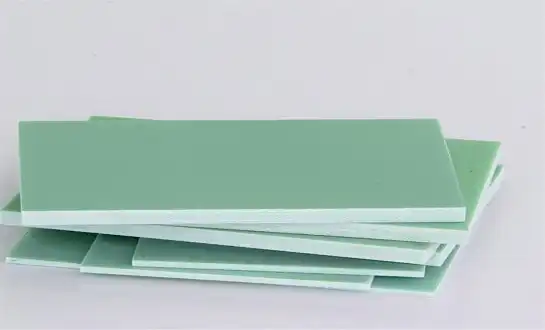
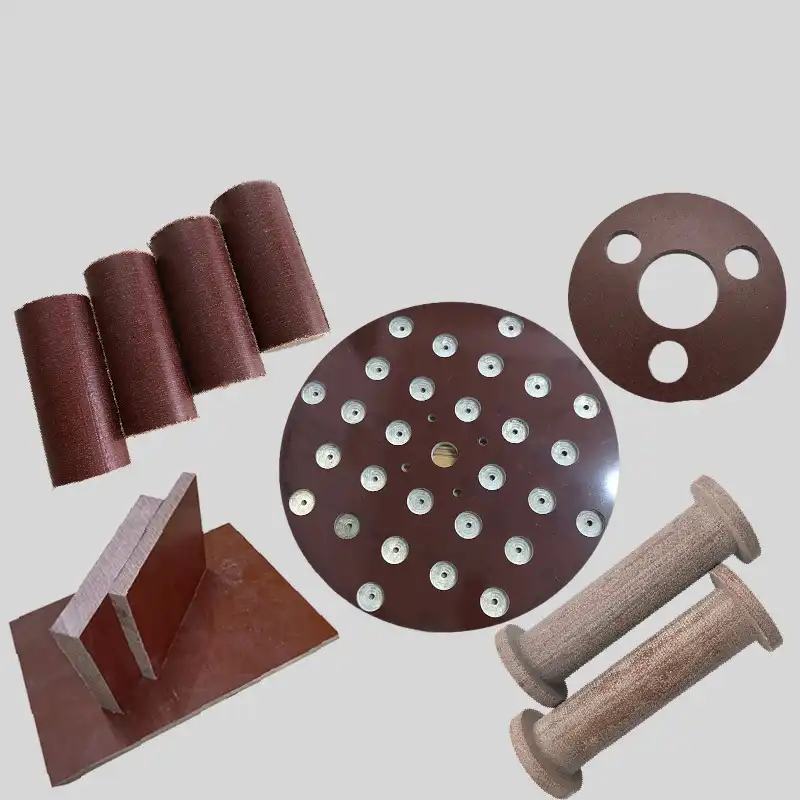
NEMA CE Sheet is made of woven cotton fabric that has been mixed with phenolic resin and then heated and pressed to harden it. This grade is stronger than paper-based phenolic laminates in terms of mechanical strength, electrical insulation, and ease of machining. In general, the specific gravity of the material is between 1.35 and 1.38, and its Rockwell Hardness (M Scale) is between 100 and 105. Knowing these basic qualities helps machinists guess how tools will wear and change the cutting settings to match. The structure of the cotton fabric keeps its shape at moderate temperatures, but if storage conditions aren't controlled, moisture absorption (which is low at about 0.5% per ASTM D229) can still mess up the accuracy.
Why Tolerance Control Matters in Electrical Applications
Manufacturers of electrical equipment need accurate measurement control to make sure that parts fit together properly and that there is enough electrical clearance. If the dimensions of a busbar support bracket vary a lot, it could cause fires or arc paths in high-voltage switches. The space between motor parts has a direct effect on how the magnetic field is distributed and how well the motor works. When buying machined insulation parts, procurement teams need to make sure that the suppliers keep their tolerance limits on file and make sure they match design requirements and safety standards.
Root Causes of Tolerance Variations in NEMA CE Sheet CNC Machining
Material Inconsistencies and Batch Variations
Different production runs of phenolic cotton laminates used for NEMA CE Sheet may have slight variations in resin content, fabric weave tension, and curing profiles. These differences can influence the density and internal stress distribution of the material, which may affect the machining performance of NEMA CE Sheet. During processing, these variations may appear as dimensional changes or inconsistent surface finishes. When suppliers maintain strict quality controls for NEMA CE Sheet production, including consistent pressing procedures and controlled curing temperatures, machining results become more stable and reliable. By establishing long-term partnerships with manufacturers that provide material certifications and traceability documentation for NEMA CE Sheet, CNC operations can reduce unexpected process variations and maintain consistent production quality.
Machine Calibration and Tooling Wear
The accuracy of a CNC machine decreases over time because the ball screws, linear guides, and spindle bearings wear out. Positional precision stays within acceptable limits thanks to regular calibration using laser interferometry and ball bar tests. Another problem is tool wear, because cotton cloth and phenolic resin are rough and quickly dull cutting edges. Carbide or polycrystalline diamond (PCD) tooling makes tools last longer, but even these materials need to be replaced on a regular basis based on how many hours they've been used and what they look like. When tools are dull, they produce too much heat and cutting force, which warps thin-walled parts and makes measurements that aren't within spec.
Environmental Factors and Thermal Expansion
Changes in the temperature of the work area cause changes in the sizes of both the object and the machine itself. A 5°C change in temperature can cause precision parts to lose or gain dimensions that can be measured. Facilities that are climate-controlled and keep temperatures stable between 20°C and 22°C reduce the effects of thermal expansion. Furthermore, the heat that is created during machining temporarily makes the material expand. This is why it is important to let machined parts cool down before they are measured for accuracy. Controlling humidity is also important because phenolic materials can change size and electrical properties when they absorb water over time.
Best Practices and Principles to Control Tolerance in NEMA CE Sheet CNC Machining
Supplier Qualification and Material Verification
The first step in controlling tolerances is to choose NEMA CE Sheet providers with reliable quality systems. Ask for test results on the materials that prove their mechanical qualities, steadiness in terms of size, and compliance with NEMA LI 1-1998 standards. Using micrometres and callipers to do a pre-cutting check makes sure that the sheet thickness is the same across the whole panel and finds any problem areas before the expensive machining starts. Storage rules are also important. Until they are used, materials should stay sealed in climate-controlled areas to keep them from absorbing moisture that could make them less stable when they are cut.
Advanced CNC Programming Techniques
Modern CAM software lets you use complex tool path techniques that take into account how the material behaves while it's being cut. When the cutting force changes, adaptive machining algorithms change the feed rates and spindle speeds in real time to keep the chip load constant, even if the material changes. Climb milling techniques make the edges of phenolic laminates better and lessen the formation of burrs. Multiple roughing passes followed by controlled finishing passes with sharp tools keep heat buildup and mechanical stress to a minimum, which keeps the accuracy of the dimensions. By programming the right lead-in and lead-out moves, you can avoid leaving tool marks at the entry and exit points, which could affect important dimensions.
In-Process Monitoring and Statistical Process Control
Dimensional drift can be caught before whole batches go out of specification by measuring in real time while the machine is working. Coordinate measuring machines (CMM) and optical comparators check important measurements at set times during production runs. Statistical process control (SPC) charts keep an eye on changes in dimensions and send out alerts when processes get close to their control limits. This proactive approach lets you fix things, like replacing tools or resetting machines, before they make parts that don't meet standards. Digital records make it possible to track quality checks and efforts to keep making things better, which shows buying teams and end customers that the process works.
Post-Machining Verification and Quality Documentation
A thorough final inspection makes sure that all the dimensions of the finished parts are met before they are shipped. This check includes measuring important dimensions, looking for flaws on the surface, and writing down the results on inspection reports. Accurate and reliable measurements are made possible by certified measuring tools that can be traced back to national standards. Quality paperwork packages, which include material approvals, dimensional inspection reports, and process control data, give procurement managers a clear picture of how quality systems work in manufacturing. This helps them choose suppliers wisely and make decisions about risk management.
Case Studies: Successful Tolerance Control in NEMA CE Sheet CNC Machining
Achieving Tight Tolerances in Motor Component Production
For electric motor systems, a company that makes industrial machines needed phenolic insulation spacers with a thickness limit of ±0.005 inches. When standard tools and hand checking were used for the first production runs, 15% of the parts were rejected because of differences in thickness. The machining partner made a number of changes that made things better. They switched to PCD-tipped face mills, which kept the edges sharp over long production runs. They also put in laser micrometres to check the thickness of all parts during machining, and they set up temperature-controlled storage for raw materials. By making these changes, rejection rates dropped to less than 2% and throughput went up by 20%. This shows that combined tolerance control methods can improve both quality and efficiency.
Overcoming Challenges in Hazardous Location Enclosures
A company that makes power distribution equipment needed to cut phenolic barrier plates for explosion-proof cabinets. Safety approval depends on how accurately the dimensions are met. The complicated shape had many mounting holes that had to be placed within 0.010 inches of each other and keep their surfaces flat over 12-inch spans. The buying team and the machining provider worked together to find the best way to align the material with the direction of the cloth weave, which would prevent as much warping during the cutting process. Custom fixturing systems used even holding pressure on the workpiece without warping it, and multi-axis machining centers finished all the features in a single setup, which got rid of the placement mistakes that came from doing several operations at once. The finished parts passed third-party certification testing the first time, so the engineering controls that were used throughout the process were successful.
Cost Optimization Through Process Refinement
A company that makes parts for cars wanted to find a way to lower the price of phenolic insulation pads while still meeting important standards for battery pack systems. Analysis showed that too conservative machining parameters, which were set up to account for differences in the material, were making cycle times longer than they needed to be. The seller worked with an experienced insulation sheet maker who offered uniform material quality and did cutting trials to find the best spindle speeds and feed rates. They found that using the right tools at higher speeds improved the surface finish and accuracy of dimensions by lowering cutting forces and heat production. The improved method cut down on cutting time by 30% while still meeting tolerance standards. This shows how smart ties with suppliers and working together on technology can give businesses in global supply chains a competitive edge.
Summary and Key Takeaways for B2B Procurement Managers and Engineers
To control the tolerance in NEMA CE Sheet CNC machining, you need to know how the qualities of the material, the machine's capabilities, and the process settings all work together. Professionals in charge of buying things should give more weight to sellers who have complete quality systems that include checking arriving materials, making sure equipment is calibrated, keeping an eye on the process while it's happening, and keeping detailed records. When choosing materials, it's important to make sure they are consistent. Using phenolic cotton laminates from approved manufacturers can cut down on machining errors and rejection rates. Adaptive programming and choosing the right tools are two advanced cutting methods that can handle the roughness of these materials while keeping the dimensions accurate.
In machining facilities, environmental controls stop measurement drift caused by changes in temperature, and statistical process control methods find process differences early, before they make parts that don't meet standards. The case studies show how targeted improvements, such as new tools or working together with suppliers, can lead to measurable quality gains and cost savings. Working with insulation sheet makers who have a lot of experience and know both the material and how it needs to be machined can help with product development, production efficiency, and supply chain stability. In the end, controlled tolerance means better product performance, fewer warranty claims, and a stronger position in the market for demanding electrical and mechanical applications.
Conclusion
To achieve accurate tolerance control in NEMA CE Sheet machining, manufacturers need a strong understanding of material science, advanced production methods, and strict quality management standards. From supplier qualification to post-machining inspection, the strategies used for NEMA CE Sheet provide procurement managers and engineers with a complete approach to improving part quality, reducing costs, and strengthening supplier relationships. A reliable tolerance control system for NEMA CE Sheet includes interconnected factors such as material uniformity, machine calibration, stable production environments, and continuous process monitoring. As electrical equipment designs require tighter tolerances and more dependable components, suppliers must consistently provide precision-machined NEMA CE Sheet parts. This capability gives procurement organisations a strategic advantage when developing strong and reliable supply chains based on high-quality NEMA CE Sheet materials.
FAQ
What tolerance levels are achievable with NEMA CE Sheet?
Most of the time, standard CNC cutting of phenolic cotton laminates can get measurements within ±0.005 to ±0.010 inches of each other. For important parts, tolerances as low as ±0.002 inches are possible with precision tools, the right fixtures, and controlled environmental conditions. The ability to hold tight tolerances depends on the shape of the part, the size of the features, and the thickness of the material. Thinner sections are usually harder to hold tight tolerances on because they bend more during cutting. Talking about specific size needs with experienced suppliers during the quotation process helps set realistic goals and make good plans for manufacturing.
How does moisture affect dimensional stability?
Phenolic cotton materials take in water from the air, which makes them slightly bigger and changes their electrical qualities. Before cutting, storing things properly in covered containers with desiccants keeps them from absorbing too much water. It is important to make sure that the measurements are correct by letting machined parts settle at room temperature and humidity before taking the final measurement. Applications that need the highest level of dimensional stability should specify pre-drying protocols or look at other materials that don't absorb as much water.
What tooling works best for phenolic materials?
Carbide tools work very well for most phenolic cotton laminate cutting tasks because they keep their edges well and are resistant to heat. Polycrystalline diamond (PCD) tools last a lot longer in high-volume production settings, but they cost more to buy at first. It's important that the cutting edges are sharp, because dull tools produce too much heat and a bad finish on the surface. Chip drainage and dust collection systems that work right keep the operator safe and keep the cutting performance high throughout production runs.
Partner with J&Q for Precision NEMA CE Sheet Solutions
At J&Q, we have over twenty years of experience making insulation sheets and ten years of experience trading internationally. This makes us a reliable NEMA CE Sheet supplier for tough electrical and mechanical applications. Our vertically integrated operations keep an eye on the quality of the materials from making the laminates to the final machining. This makes sure that the procurement teams get the consistent sizes and repeatability they need. Our factories are kept at a constant temperature and have CNC machines that are regularly checked and inspected in a way that makes sure that important parts can be made within the allowed tolerances.
What makes our service unique is that we combine our knowledge of production with the efficiency of logistics. For example, our specialised logistics section streamlines shipping and paperwork, which makes the process of buying things internationally easier. Our expert team works with your engineering staff to make sure that designs are optimised for production while still meeting performance standards. This is true whether you need small quantities for product development or large numbers for ongoing supply. Email our team at info@jhd-material.com to talk about your unique tolerance needs, get material certifications, or set up a review of your plant. We offer open communication, thorough quality documentation, and quick help throughout the entire lifecycle of a product. This gives complicated supply lines the trust and relationship they need.
References
1. National Electrical Manufacturers Association. (2018). NEMA Standards Publication LI 1-1998: Industrial Laminated Thermosetting Products. Rosslyn, VA: NEMA.
2. Society of Manufacturing Engineers. (2020). Fundamentals of Tool Design, Sixth Edition. Dearborn, MI: SME.
3. Kalpakjian, S., & Schmid, S. R. (2014). Manufacturing Engineering and Technology, Seventh Edition. Upper Saddle River, NJ: Pearson Education.
4. ASTM International. (2019). ASTM D709-19: Standard Specification for Laminated Thermosetting Materials. West Conshohocken, PA: ASTM International.
5. Boothroyd, G., & Knight, W. A. (2011). Fundamentals of Machining and Machine Tools, Third Edition. Boca Raton, FL: CRC Press.
6. Schneider, G. (2017). Cutting Tool Applications: A Practical Handbook for Machinists and Manufacturing Engineers. Bloomfield Hills, MI: Industrial Press.

Get a complete product list and quotation

J&Q New Composite Materials Company