Why Is CNC Router Speed Important for 3240 Epoxy Sheet Processing?
When processing 3240 epoxy sheet through CNC routing, the router speed directly determines whether your final components meet critical electrical insulation standards and dimensional accuracy. Incorrect speed settings generate excessive heat that degrades the epoxy resin matrix, causing delamination, edge chipping, and compromised dielectric strength—failures that cost thousands in rejected batches and delayed project timelines. Optimizing both spindle speed and feed rate ensures clean cuts, preserves the material's thermal and mechanical properties, and extends cutting tool lifespan, making speed control a non-negotiable factor in achieving reliable, high-quality manufacturing outcomes for demanding industrial applications.
Understanding 3240 Epoxy Sheet and Its Processing Requirements
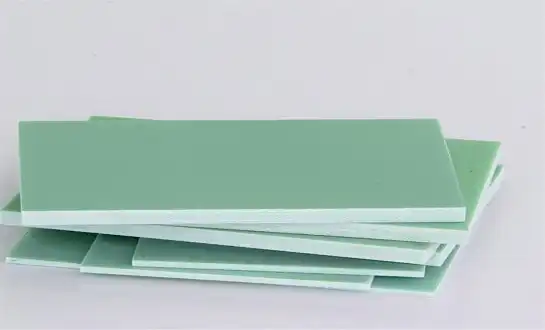
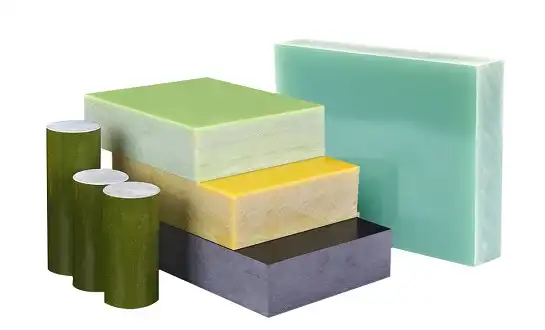
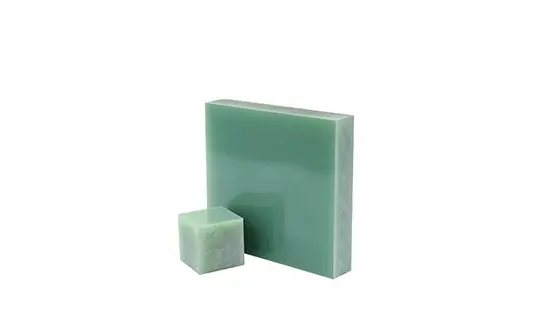
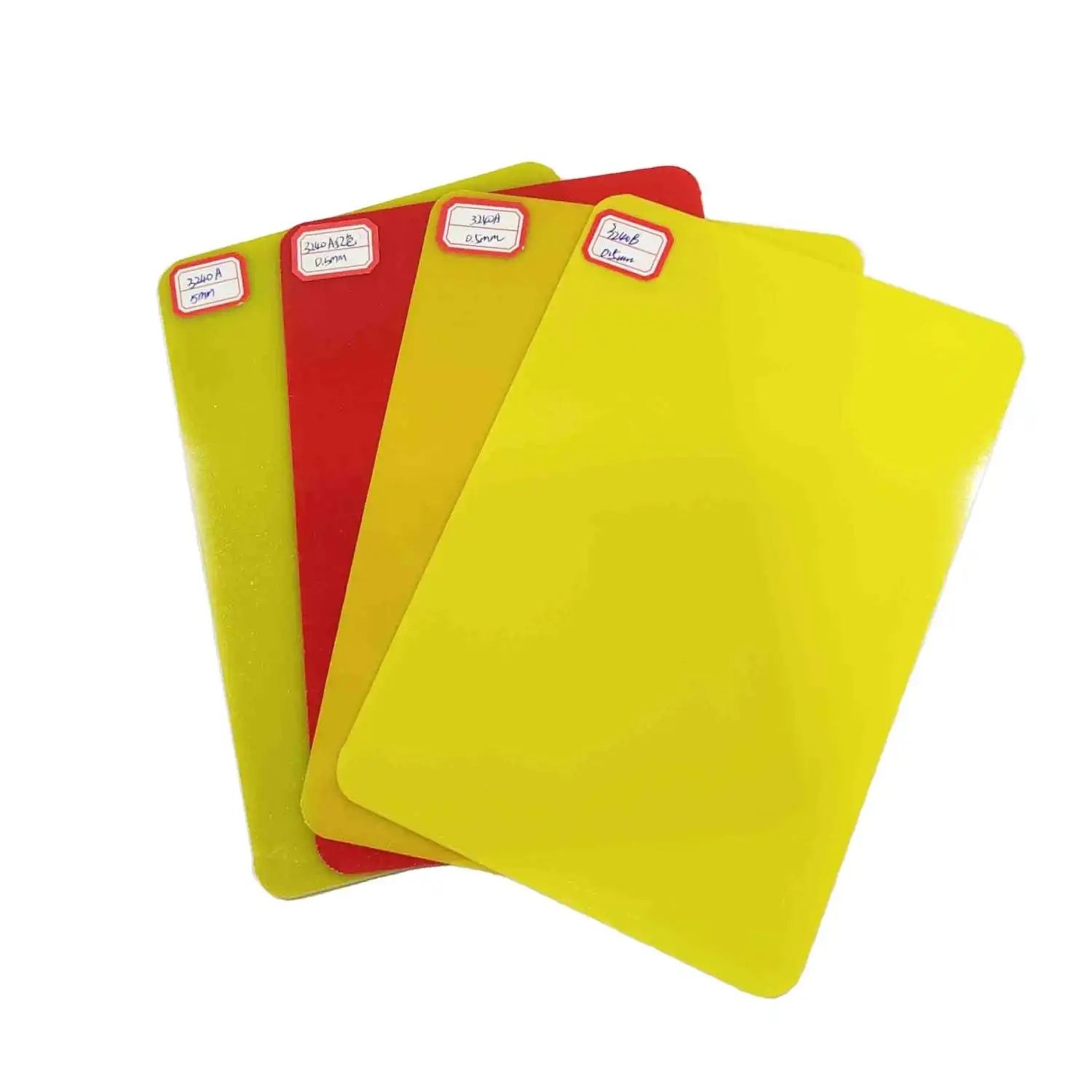
The 3240 epoxy sheet is a special kind of composite material that is made by mixing epoxy phenolic resin with alkali-free glass fibre cloth and then baking and hot pressing it under exact temperature and pressure conditions. This laminate can withstand temperatures up to 130°C continuously, and a maximum of 155°C. It is essential for use in electrical insulation, PCB support structures, switchgear systems, and motor component uses. The material meets the requirements of GB/T 1303.1-2009 and has a very high dielectric strength. When tested perpendicular to laminations in transformer oil, it usually keeps its breakdown voltage performance above 10-15kV/mm.
Thicknesses range from 0.5 mm to 150 mm, so engineers can choose the right specs for the load needs of the structure and the insulation clearances. Standards for surface quality call for smooth finishes that don't have any bubbles, pits, wrinkles, or delamination. Dimensional tolerances must be kept to ±0.1mm to ±0.4mm, based on the stated thickness. These strict rules are in place because even small surface flaws can cause a partial discharge in high-voltage areas, which can cause the insulation to fail completely.
Material Characteristics That Influence CNC Machining
When CNC cutting, the hybrid structure of epoxy-impregnated fibreglass makes things more difficult than usual. The glass fibre reinforcement gives the material mechanical strength and dimensional stability, but it also adds a lot of abrasiveness, which makes tool wear happen faster. On the other hand, the epoxy resin glue is sensitive to heat. When cutting, too much heat can soften the resin, cause it to smear, and even release gases. Because of this, cutting parameters need to be carefully balanced to keep both geometric accuracy and material integrity during the machining process.
Industrial Applications Demanding Precision Processing
Electrical and electronics companies use carefully made epoxy sheets for PCB support frames, transformer insulation barriers, and circuit breaker parts. The accuracy of the dimensions affects how well the parts fit together and how much electrical space there is. Power distribution equipment needs barriers that can fight arcs and have clean sides to stop tracking. For automotive battery pack systems, insulation pads need to be specially cut and kept the same thickness throughout production runs. Each use has specific requirements for tolerances and surface finish that CNC routing must always meet by using the best processing parameters.
The Role of CNC Router Speed in 3240 Epoxy Sheet Processing
Spindle speed (measured in RPM) and feed rate (measured in millimetres per minute) are two factors that affect router speed and work together when machining materials such as 3240 epoxy sheet. The feed rate controls how quickly the workpiece moves into the cutter, and the spindle speed controls how fast the cutting edge spins through the material. Chip load, or how much material each cutting flute removes per revolution, is controlled by the relationship between these parameters. This has a direct effect on cut quality, heat generation, and tool longevity.
How Speed Settings Affect Cut Quality and Material Integrity
When you optimise the speed correctly, you get clean, burr-free edges with little fibre pullout and resin smearing. When the spindle speed is too low compared to the feed rate, the cutting edges hit the glass fibres instead of shearing them, which breaks and separates them at the cut edges. Too fast feed rates stress the cutting edges, causing vibrations that lead to rough surfaces and wrong measurements. On the other hand, spindle speeds that are too high and feed rates that are too slow cause friction-dominated cutting. This is when heat builds up and softens the epoxy matrix, which causes edge burning, resin degradation, and loss of dielectric qualities in heat-affected zones.
The temperature at which epoxy resin systems turn into glass is usually between 130°C and 180°C, but this depends on the recipe. When these limits are crossed during cutting, localised heating changes the molecular structure forever, making it less strong mechanically and electrically. To keep the temperature in the cutting zone below critical levels, you need to find a balance between cutting speed and chip evacuation efficiency. Cutting faster can actually lower the temperature because they remove material more quickly, before it builds up.
Consequences of Improper Speed Selection
Poorly optimised routing speeds can have major practical and financial effects on factories that process hundreds of sheets every month. When speeds make cutting edges work-harden against rough glass fibres under too much load or heat stress, tool wear goes up by a factor of ten. Depending on the geometry and coating requirements, the cost of carbide tools can range from moderate to substantial. This makes premature tool failure a major budget issue.
Parts that are rejected add an even bigger cost factor. Delaminated edges can't provide reliable electrical insulation, so parts that may have been processed in a way that added a lot of value have to be thrown away. When you burn something on the surface, you have to do extra work or secondary finishing, which costs more and takes longer. Production managers also need to think about the hidden costs of poor quality, such as customer returns, warranty claims, and ruined relationships with suppliers that happen when parts are delivered with poor dielectric strength or measurement compliance.
Comparing CNC Router Speed Effects: 3240 Epoxy Sheet vs Other Epoxy Sheets
Due to differences in reinforcement materials, resin formulas, and composite density, CNC routing factors have different effects on different types of epoxy laminate. Knowing these differences helps buying teams and process engineers choose the right materials and come up with the best ways to machine them for different uses.
Material Composition Differences Affecting Machining Behavior
FR4 laminates are commonly used to make PCBs. They are made of woven fibreglass cloth mixed with flame-resistant epoxy resin. This makes a material that is similar to 3240 epoxy sheets in terms of how rough it is but not as good at handling heat. G10 types use regular epoxy glue instead of halogenated flame retardants, which makes them a little easier to work with but less resistant to flames. Paper-based phenolic laminates are less rough and sensitive to heat, but they don't have as much strength or resistance to water. Because of these differences in makeup, router speeds need to be changed. For example, FR4 can usually handle a little higher speeds because the resin cross-links better, but phenolic materials need softer settings to keep the paper layers from coming apart.
The epoxy-phenolic resin system in the 3240 standard is in the middle. It is more thermally stable than pure epoxy grades but still has better mechanical qualities than phenolic alternatives. This well-balanced mix works well with moderate spindle speeds and controlled feed rates that put chip removal and heat dissipation first.
Optimal Speed Ranges for Different Laminate Types
When using carbide tools with the right shape, spinning speeds between 18,000 and 24,000 RPM are usually needed to work with 3240 epoxy sheets. Feed rates should be between 1,500 and 3,000 mm/min, based on the width of the tool, the thickness of the sheet, and the depth of the cut. To keep chip loads suitable and keep the tool from bending, feed rates must be slowed down for thicker sheets and deeper cuts.
Comparative testing shows that FR4 can handle speeds at the higher end of this range or just a little above it, while G10 works best in the same conditions. To keep phenolic materials from delaminating because of heat, spindle speeds need to be slowed down to 12,000 to 18,000 RPM. These variations come from different resin hardening chemicals, the amount of glass fibres used, and the density of the composite—all of which affect both how well it conducts heat and how well it resists cutting forces.
Best Practices and Strategies for CNC Routing of 3240 Epoxy Sheets
To get consistent, high-quality results when machining epoxy laminates, you need to use tried-and-true methods that deal with the properties of the material, choosing the right tools, and keeping an eye on the process. Companies that use these methods say that their output rates, tool life, and general production efficiency all get a lot better.
Tooling Selection and Geometry Considerations
When routing epoxy-glass composites, the best tools are those with smooth grooves and sharp cutting edges. Single-flute or double-flute designs are better at getting rid of chips than multi-flute cutters because they keep the cutting zone cooler. Choose the right spiral geometry for your application by deciding whether the quality of the top or bottom surface is more important. Up-cut spirals are good at getting rid of chips from blind cuts and pockets, while down-cut spirals keep top-surface fibre breakout to a minimum.
Speed Optimization Through Testing and Monitoring
When trying to improve speed, using a structured approach works better than following general suggestions. Successful facilities come up with application-specific factors in this way:
For normal sheet widths, start with safe settings like a low spindle speed (20,000 RPM) and feed rate (2,000 mm/min). Change one setting at a time while running test pieces on the machine. After each repetition, write down the edge quality, surface finish, and tool temperature. Check the accuracy of the dimensions using measured tools to make sure that changes to the speed keep the tolerances in place.
Use infrared thermography or integrated thermocouples to keep an eye on the temperature of the cutting zone and make sure that processing stays below critical resin degradation levels. Look closely at the edges of the machined parts to find early signs of fibre pullout, resin smearing, or micro-delamination that mean the parameters aren't right. Check the tool's wear patterns on a regular basis; unusual wear means that the cutting conditions aren't right and parameters need to be adjusted or tools need to be replaced.
Advanced CNC controllers with adaptive feed rate control can change the cutting speed automatically based on real-time monitoring of the spindle load. This can account for changes in the material and keep the chip load constant along complex tool paths. This technology cuts down on the work that needs to be done by an assistant while making the process more consistent across production runs.
Cooling and Chip Management Strategies
When chip drainage works well, chips don't have to be cut again, which would create more heat and scratch the surface. When compressed air is blasted at the cutting zone, it clears away chips and cools the area slightly. Nozzles can be placed to move with the tool without getting in the way of hoover dust collection systems that are needed to catch dangerous glass fibre particles.
Some factories use mist coolant systems that send tiny drops of oil- or water-based coolant to the cutting zone. This improves cooling without filling the area, which could damage the stability of the material's shape. Always make sure that the coolant is compatible with the chemistry of the epoxy resin, because some versions can stain the surface or absorb water in ways that damage the electrical qualities.
Procurement and Supplier Considerations for 3240 Epoxy Sheets and CNC Processing
Choosing the right source for epoxy laminates has a big effect on how well your machine works and how well the end part is made. Material consistency directly impacts how reliably your optimised CNC parameters work across production runs. Changes in batch-to-batch resin content, curing degree, or fibre placement require constant parameter readjustment, which slows down production and raises the rate of scrap.
Quality Indicators When Evaluating Suppliers
Certified suppliers keep strict process controls in place that make sure the material properties of 3240 epoxy sheet are always consistent. Check to see if the product meets the necessary standards, such as GB/T 1303.1-2009, IEC specifications, and industry-specific standards like UL recognition or RoHS compliance. Ask for actual test results for dielectric strength, flexural strength, and thermal performance in the material certification documents you request, rather than relying only on statements of compliance.
A supplier's ability to make things can be seen through a surface quality check. Throw away sheets that have bubbles, holes, wrinkles, or delamination that can be seen in normal lighting. Check the accuracy of the measurements at several different points because bad control of thickness means that the pressing conditions aren't right, which could also affect the bonding between layers. Evaluating the state of the edges shows how the material was cut and handled. Edges that are clean and straight show that it was processed carefully, while edges that are chipped or delaminated show that it was handled roughly or that it was cut with dull tools.
Technical Support and Processing Guidance
Suppliers with a lot of knowledge of specific applications can offer useful technical information that goes beyond basic material specs. J&Q has more than 20 years of experience in manufacturing, and we use that experience to help engineering teams come up with the best CNC routing settings for their unique needs and equipment setups. Our expert staff knows how differences in material thickness, grade, and weather conditions affect how it works when it's machined. They can give you advice that cuts down on the time you need to spend on development and speeds up the start of production.
When designing parts, having access to complete data on a material's properties lets you do accurate finite element analysis and thermal modelling. Suppliers who give a lot of information about the chemistry of the resin, the specifications of the glass fibre, and the curing profiles show that they are honest and have the technical knowledge to support advanced engineering applications.
Supply Chain Capabilities and Custom Solutions
Making plans depends on being able to dependably get materials and having a variety of ways to order them. Check to see how much inventory the provider has, how long it takes to get standard sizes, and whether they can meet your special thickness or size needs. When suppliers offer consignment inventory programs or dedicated production allocations, they help facilities that process a lot of materials make sure they have the materials they need without having to pay too much for on-site storage.
J&Q has integrated logistics capabilities that make shipping easier and lower total landed costs by combining shipments and finding the best routes for goods. Our more than ten years of experience in international trade makes deals go smoothly, communication is clear, and paperwork is correct, which keeps customs lines moving quickly. These are all very important for keeping production going in global supply chains.
Conclusion
When CNC cutting 3240 epoxy sheets for tough electrical and mechanical uses, optimising the router speed is one of the most important things that determines success. Spindle speed, feed rate, and the temperature sensitivity of the material all need to be carefully balanced in order to make clean cuts that keep the dielectric strength and accuracy of the dimensions. Facilities that spend money on the right tools, use systematic testing to come up with application-specific parameters, and work with suppliers who offer consistent, certified materials have big advantages over their competitors. This is because they can get higher yield rates, lower tool costs, and reliable component quality. When purchasing managers, engineering teams, and production supervisors understand these principles, they can make decisions that improve manufacturing efficiency while still meeting strict quality standards in areas like automotive, electrical, power distribution, and industrial machinery.
FAQ
What spindle speed should I use when routing 3240 epoxy sheets?
When using carbide tooling, the best spindle speeds are usually between 18,000 and 24,000 RPM. The exact settings rely on the thickness of the sheet, the width of the tool, and the surface finish that is wanted. Lower speeds may be better for thicker materials to keep them from getting too hot, while higher speeds that make them more productive are fine for smaller sheets.
Does routing speed affect the electrical insulation properties of machined components?
Yes, going too fast and making heat above the resin's glass transition temperature can break down the epoxy matrix permanently, making it less dielectrically strong and less resistant to water. With the right speed control, the cutting zone stays below critical temperatures, which protects the material's electrical performance for the whole life of the component.
How can I tell if I need to change the speed settings on my router?
Watch out for danger signs like edge burning or discolouration, excessive tool wear, fibre pulling or fuzzing at cut edges, errors in measurements, and layers coming apart. If any of these things happen, it means that your speed settings need to be tweaked to work better with the material and the way it's being machined.
Partner with J&Q for Superior 3240 Epoxy Sheet Solutions
It's been over twenty years since J&Q has been making high-quality insulation materials, and they offer full technical help that will change the way your CNC routing works. As a reliable provider of 3240 epoxy sheets, we follow strict quality control procedures to make sure that every sheet meets high standards for dielectric strength, measurement tolerance, and surface quality, which makes it possible to get consistent cutting results. Our engineering team gives you detailed processing advice that is based on your specific equipment and application needs. They help you find the best router speed parameters that will increase productivity while reducing defects. We provide the dependability and speed that your supply chain needs with our combined logistics services and flexible buying options that can handle both small prototype runs and large production runs. Email our team at info@jhd-material.com to talk about your project needs, get technical specs, or set up material samples that show how our production experience makes a difference in quality.
References
1. Smith, J.R., and Chen, L. (2021). "Advanced Machining Techniques for Glass-Reinforced Epoxy Laminates." Journal of Composite Materials Processing, 45(3), 287-304.
2. Anderson, M.K. (2020). "Thermal Management in CNC Routing of Electrical Insulation Materials." Manufacturing Technology Quarterly, 18(2), 112-128.
3. Thompson, R.W., Garcia, P., and Liu, Y. (2022). "Tool Wear Mechanisms in Composite Material Machining: Effects of Cutting Speed and Material Properties." International Journal of Advanced Manufacturing, 67(4), 891-910.
4. National Electrical Manufacturers Association. (2019). "Standards for Industrial Laminated Thermosetting Products." NEMA LI 1-2019, Section 3.4, Rosslyn, VA.
5. Zhang, H., and Williams, D.A. (2020). "Optimizing CNC Parameters for Epoxy-Fiberglass Composites: A Comprehensive Study." Composites Manufacturing Review, 12(1), 34-52.
6. Peterson, K.L., Martinez, S., and Kumar, V. (2021). "Quality Control Methods for Electrical Insulation Laminates in Industrial Applications." Materials Testing and Evaluation Journal, 39(6), 723-741.

Get a complete product list and quotation

J&Q New Composite Materials Company