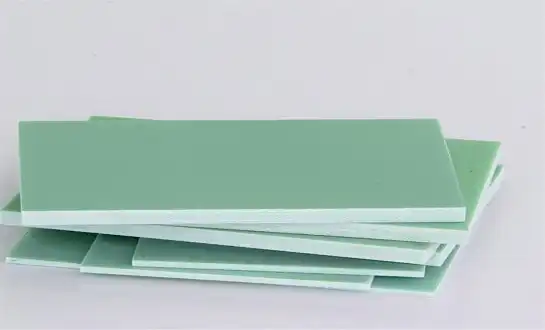
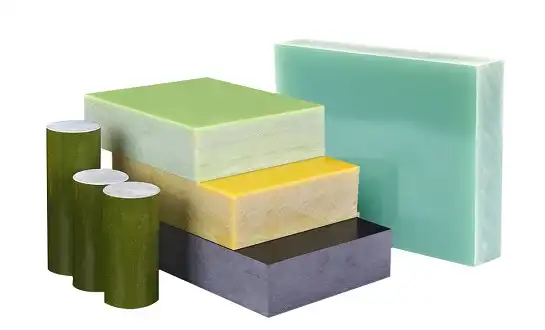
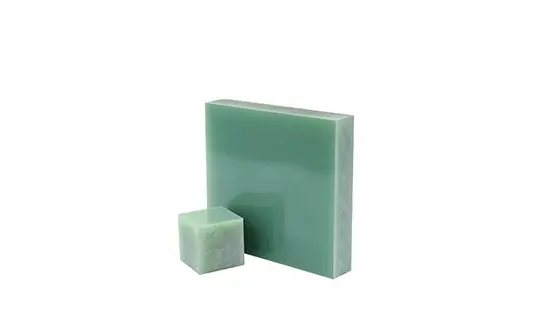
How Does Automatic Production Improve Bakelite Sheet Manufacturing?
Automatic production transforms Bakelite sheet manufacturing by integrating precision-controlled processes that deliver uniform thickness, consistent dielectric properties, and reliable mechanical strength. Unlike traditional manual methods prone to variation, automated systems combine computerized pressing, temperature monitoring, and real-time quality verification to produce phenolic laminated sheets meeting stringent UL and ROHS standards. This technological shift enables manufacturers to achieve repeatability critical for electrical insulation applications while reducing cycle times and material waste, directly addressing procurement concerns about supply reliability and performance consistency.
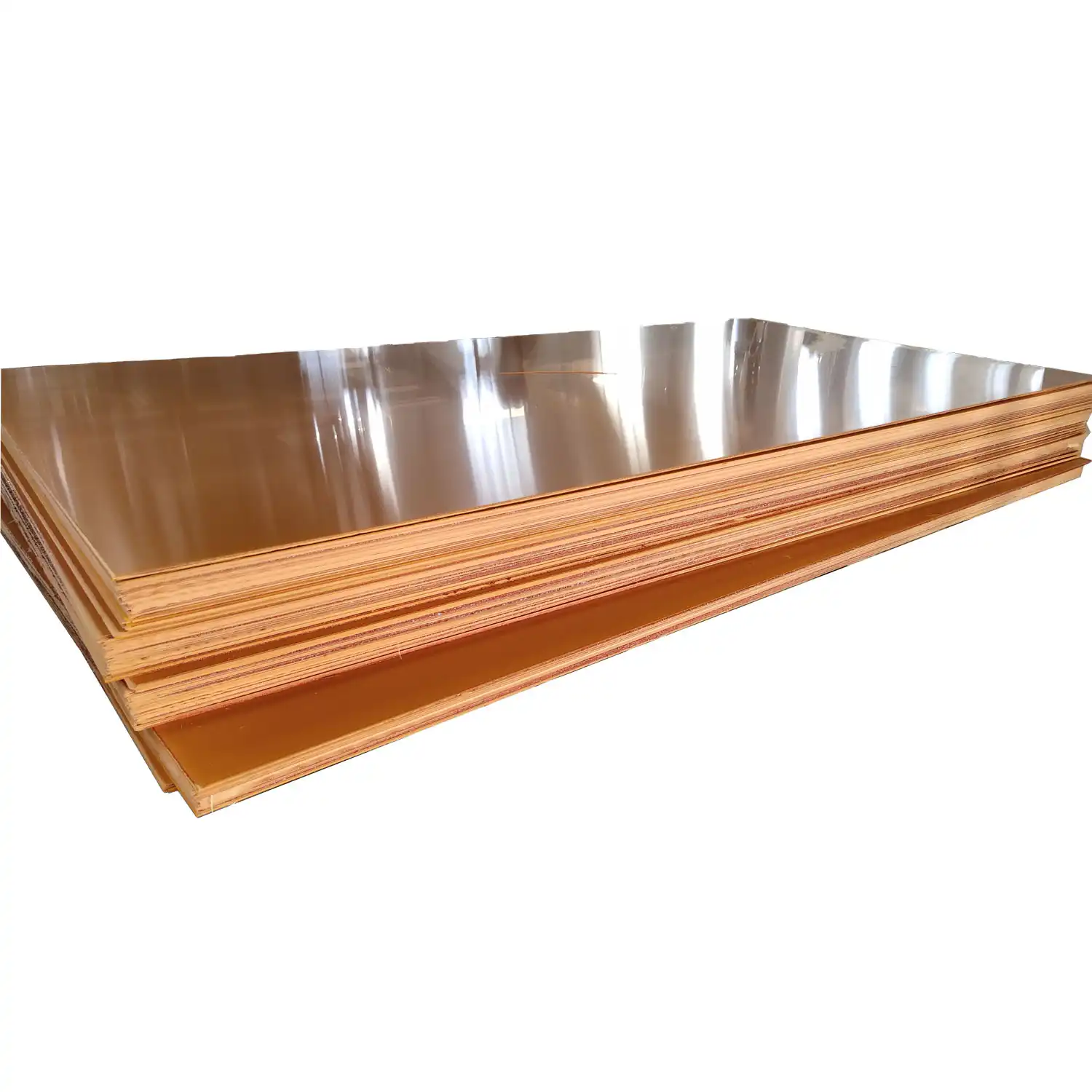
Introduction
Bakelite Sheets are important structural and insulating parts in many industrial fields, such as the automotive, electrical, and mechanical ones. Manufacturing efficiency has a direct effect on the stability of supplies, the cost-effectiveness of products, and how well they work for global B2B buying clients. Automatic production technologies are changing the way phenolic laminated sheets are made by making them more consistent, accurate, and efficient.
This change fixes problems with the old way of doing things and meets the new needs of OEMs, wholesalers, and engineering firms around the world. When engineering managers look at materials for motor parts and switchgear assemblies, they now give more weight to suppliers that can show measurable quality control through automation. More and more, procurement teams are under pressure to find products that are both cost-effective and reliable in high-voltage settings.
As a key innovation in meeting large-scale, quality-driven buying needs, automated production stands out. The change from manual lamination to computer-controlled systems does more than just make things run more smoothly; it also fundamentally changes how phenolic resin composites achieve the thermal performance and stability needed for modern applications.
Challenges in Traditional Bakelite Sheet Manufacturing
Due to limited process control, traditional manufacturing methods, which are often human or semi-automatic, have trouble maintaining consistent quality, especially when it comes to sheet thickness and material properties. During the polymerization phase, when phenol and formaldehyde react by condensation, people can apply different amounts of pressure, change the curing time, and keep the temperature stable when pressing by hand.
Because of these problems, wait times are longer, labor costs are higher, and it's harder to meet strict standards for chemical protection and insulation. When mechanical engineers look for structural insulation for machinery, they often run into batch-to-batch differences that make it harder to meet design tolerances. When phenolic resin is mixed unevenly with paper or fabric surfaces, the resulting laminate has variable dielectric strength and moisture absorption properties.
For procurement pros, this means that the supply chain is unpredictable, with things like shipping delays and prices that change all the time. This makes it harder to plan for large orders and specific needs. Power distribution companies that need arc barriers that are certified to be flame-resistant have to wait longer to get them because traditional manufacturers can't show that their processes can be repeated. Normal factories use manual inspection methods that find flaws only after the whole production process is finished. This leads to waste and extra costs that are eventually passed on to buyers. Taking care of these operating problems is important for making sure reliable buying in competitive industrial markets where failed products have big safety and financial effects.
How Automatic Production Transforms Bakelite Sheet Manufacturing
Integration of Advanced Manufacturing Technologies
Automation uses advanced technologies such as CNC machining, automated pressing, and real-time quality control systems to make Bakelite Sheet manufacturing more precise and efficient. Computer-controlled hydraulic presses used in Bakelite Sheet production maintain exact pressure levels throughout the curing cycle, ensuring that resin is distributed evenly across every layer of the laminate. Temperature sensors installed throughout the pressing chambers provide accurate temperature control for Bakelite Sheet, preventing the phenolic matrix from under-curing or suffering from heat-related degradation. These automated processes improve the consistency, reliability, and performance of Bakelite Sheet products for electrical insulation and industrial applications.
Real-time tracking tools keep an eye on important factors like resin viscosity, cure growth, and dimensional measurements while production is going on, not after it's done. This constant input lets process changes happen right away, keeping material standards within very small ranges of error. When preparing substrates and stacking them, automated material handling systems lower the risk of pollution and human mistakes.
Enhanced Material Properties and Consistency
Automation makes sure that the thickness is always the same and that the material has the best properties for high-performance uses. It also cuts down on production processes and wait times by a large amount. Electrical insulation sheets made by machines are much more durable and reliable, which makes engineering managers more likely to trust suppliers when they need to choose materials for important projects.
The stable humidity and temperature conditions in automated facilities are impossible to achieve with human work, which has a direct effect on the end composite structure. This weather control is especially helpful when making grades with a lot of glue that are meant to be used in places that don't get wet. When pressed by hand, thickness tolerances are wider than with automated systems. This is a major concern for mechanical engineers who are making precision spacers and wear-resistant parts.
Scalability and Cost Optimization
This change makes it possible for makers to regularly meet strict industry standards, cut costs, and expand operations to keep up with rising demand around the world. Automation lowers the cost of labor per unit while increasing processing capacity. This creates economies of scale that help people who buy in bulk. Because automated lines have steady production rates, providers can confidently stick to delivery dates. This gets rid of the confusion about plans that makes just-in-time inventory tactics harder to use.
Automation in quality control leads to less waste, which directly lowers the cost of materials. When problems are found and fixed during production instead of after the sheet is finished, manufacturers don't lose as much expensive material as they do when they do batch processing the old way. These improvements in efficiency let suppliers offer competitive prices without lowering the standards for material performance that auto parts suppliers and appliance makers demand.
Advantages of Automated Bakelite Sheet Production for Global B2B Clients
The benefits that automated production brings to B2B buyers cover a wide range of operational areas:
Quality Consistency: All sheets made by automatic methods have the same level of electrical insulation and industrial strength. When R&D engineers are making barriers for battery packs, they can confidently choose materials because they know that the performance characteristics stay the same from prototype to production. Because of this consistency, there is no need for thorough testing of new materials, which adds cost and delays to production plans.
Customization Capability: Automated systems can quickly switch between different thickness specs and grade formulations, while human processes need a long time to make the necessary setup changes. This gives appliance makers more options when they need different insulation frame sizes in the same order. The computerized control systems keep track of many recipes for different products, which lets them make quick changes to production that can handle cheaper small batch orders.
Supply Chain Reliability: When wait times are shorter and more reliable, procurement managers can lower the amount of safety stock they keep on hand and make better use of their working capital. Automated makers give correct information about when things will be made, which helps with methods for managing inventory more efficiently. Getting rid of delays caused by quality issues creates reliable supply flows that are needed to keep production going.
Performance Superiority: Automated phenolic laminates are more durable and better at keeping electricity from flowing when temperatures are high compared to other options like regular plastic sheets or PVC materials. The controlled hardening process creates the best cross-linking density in the thermoset resin structure. This makes it more resistant to solvents, oils, and other industrial fluids that are used in machinery.
All of these benefits help purchasing managers get materials at low prices and that will last, so they can confidently meet strict operational requirements. Automated production facilities keep records of their past performance, which is something that tier-1 automotive supply chains and certified quality management systems in the power sector are asking for more and more.
Selecting the Right Bakelite Sheet Supplier in an Automated Manufacturing Era
Evaluating Manufacturing Capabilities
It is important to choose a provider whose automatic production skills have been checked to make sure you get good products and reliable support. Sourcing risks can be reduced by judging brands based on their manufacturing technology, reviews of suppliers, customer service after the sale, and how well they handle large orders. It's helpful for engineering managers to do site audits or look over thorough process paperwork that shows how well automation is integrated.
Suppliers should be open and honest about the specs of their pressing tools, how they control quality, and what tests they can do. If a supplier has certified testing equipment for measuring dielectric strength, analyzing moisture absorption, and checking mechanical properties, it means they are serious about meeting industry standards. Automated data logging systems that keep full records that can be tracked down help with quality investigations and efforts to keep getting better.
Leveraging Automation-Enabled Services
Just-in-time delivery, custom cut orders, and reliable volume discounts are all benefits that automation makes possible for Bakelite Sheet buyers to take advantage of. Modern CNC machining centers with automated production lines allow suppliers to deliver precisely cut Bakelite Sheet components that are already prepared for assembly, reducing the need for additional processing work from buyers. This value-added service for Bakelite Sheet lowers the total cost of ownership and shortens the time required to bring new products to market.
Automation-based production economics for Bakelite Sheet also makes volume discount structures more stable and suitable for long-term purchasing plans. In traditional supply models, prices may change due to labour availability and fluctuations in manual production efficiency. However, pricing for Bakelite Sheet from automated manufacturing facilities remains more consistent because it is mainly connected to material costs and equipment utilisation rates. This transparency supports long-term supply agreements for Bakelite Sheet, creating a reliable partnership based on commitment, predictable pricing, and stable production capacity.
Building Strategic Partnerships
Forming relationships with authorized suppliers who are open and quick to communicate improves purchasing strategies and helps keep the supply chain stable over the long term in a market that is becoming more automated. Leading providers stand out because they can provide excellent technical support, especially when engineering teams need material property data for design proof or help with failure analysis.
Suppliers who invest in technology show that they are committed to the growth of the business and setting the standard for quality. This method looks to the future and fits with buying strategies that aim to lower risk and help suppliers grow. In automated manufacturing settings, good buyer-supplier partnerships include regular business reviews, sharing of quality performance data, and working together on improvement projects.
Future Outlook: Automation and the Evolution of Bakelite Sheet Manufacturing
Next-generation phenolic laminated sheet production is being shaped by new technologies like artificial intelligence, Internet of Things connectivity, and environmentally friendly methods that make the process more efficient while also having less of an effect on the environment. AI-powered predictive repair systems keep an eye on the health of equipment to avoid unexpected downtime and keep the production schedule on track. A program for machine learning looks at process data to find ways to improve things that humans might miss.
IoT sensor networks in factories make full digital copies of production processes, which lets them be monitored from afar and problems fixed quickly. These linked systems let suppliers give customers real-time information on the state of their orders and the progress of their production. The information that is collected helps statistical process control efforts that keep reducing the ranges of quality variation.
As environmental laws get stricter around the world, sustainable manufacturing practices become more important. Automated systems allow exact material use, which reduces waste during activities like trimming and finishing sheets. The carbon footprint of curing phenolic resin is smaller when pressing equipment and heat recovery systems use less energy. As an alternative to petroleum-based precursors, some manufacturers are looking into bio-based phenolic resins that are made from renewable feedstocks.
Customers will have higher standards for how well electrical protection works, how well it resists chemicals, and how precisely it can be customized. To make supply chains more flexible and keep up with changing market needs, B2B procurement managers are told to use automated production solutions. In an industry that is changing so quickly, staying ahead of the competition will depend on strategic relationships with suppliers that focus on innovation and scalability. Tomorrow, the providers who put money into next-generation automation will be the ones that demanding apps choose.
Conclusion
When making phenolic laminated sheets, automatic production of Bakelite Sheet is much better than manual methods because it allows for more precise control, consistent quality, and higher operational efficiency. By integrating computerized pressing, real-time monitoring, and automated quality control systems, manufacturers can solve common challenges related to dimensional tolerance, material property variations, and supply stability in Bakelite Sheet production. These improvements reduce risks, provide more predictable costs, and ensure that Bakelite Sheet products meet strict performance standards required by professionals in the electrical, automotive, machinery, and power industries. In the future, suppliers of Bakelite Sheet will be able to provide more reliable insulation materials by adopting robotic technologies that create value throughout the entire supply chain.
FAQ
How does automated production improve electrical insulation properties?
Automated systems make sure that the phenolic resin is spread evenly across all of the base layers and that the temperature profiles stay accurate while the resin cures. This carefully planned process raises the cross-linking density in the thermoset structure, making sure that every sheet has the same level of dielectric strength. By getting rid of the resin-poor spots that appear during hand lamination, weak spots that could break down electrically under high-voltage conditions are avoided.
Can automated manufacturing accommodate custom thickness requirements?
Modern automated pressing equipment has programmable controls that change the parameters for pressure, temperature, and cycle time so that different thickness requirements can be met quickly. Computer-controlled systems keep recipes for a variety of product combinations, which makes switching between orders quick and easy. This adaptability allows for both standard sizes and custom needs, without the need for lengthy manual setup adjustments that are needed with traditional methods. This makes it possible for smaller batch orders to be economically viable.
What lead time improvements can buyers expect from automated suppliers?
When compared to human manufacturing, automated production usually cuts wait times by thirty to fifty percent. Batch processing and post-production checking take time, but continuous production flows, predictable cycle times, and combined quality verification get rid of those problems. Real-time process tracking finds problems right away, instead of after the work is done, which saves time by avoiding having to do the work again. Because of these changes, we can now respond faster to both regular reorders and urgent special requests.
Partner with J&Q for Automated Bakelite Sheet Excellence
J&Q has been making phenolic laminated sheets for more than twenty years and has the most up-to-date automated production equipment to give your products the quality, stability, and dependability they need. Our high-tech pressing systems and built-in CNC machining tools make precise materials that meet UL and ROHS standards for use as heat barriers, electrical insulation, and structural parts. We are a well-known provider of Bakelite Sheet, and we keep a large collection ready to ship right away. We also offer customization services, such as choosing the material grade, thickness tolerances, and precision cutting.
Our dedicated technical team is ready to help you with your bulk purchasing needs by giving you personalized quotes, application engineering support, and detailed material specifications. We offer a seamless one-stop service from placing an order to delivering it thanks to our combined transportation skills that we've gained through years of working in international trade. Get in touch with us at info@jhd-material.com to talk about how automatic production quality can help your supply chain work better and your products be more reliable.
References
1. Biron, Michel. "Thermosets and Composites: Material Selection, Applications, Manufacturing and Cost Analysis." Elsevier Science, 2013.
2. Harper, Charles A. "Handbook of Plastics Technologies: The Complete Guide to Properties and Performance." McGraw-Hill Professional, 2006.
3. Margolis, James M. "Engineering Thermoplastics: Properties and Applications." CRC Press, 1985.
4. Goodman, Simon H. "Handbook of Thermoset Plastics." William Andrew Publishing, 1998.
5. Petrie, Edward M. "Handbook of Adhesives and Sealants." McGraw-Hill Education, 2007.
6. Kohan, Melvin I. "Industrial Laminates: Properties, Design, and Processing." Society of Plastics Engineers, 1992.

Get a complete product list and quotation
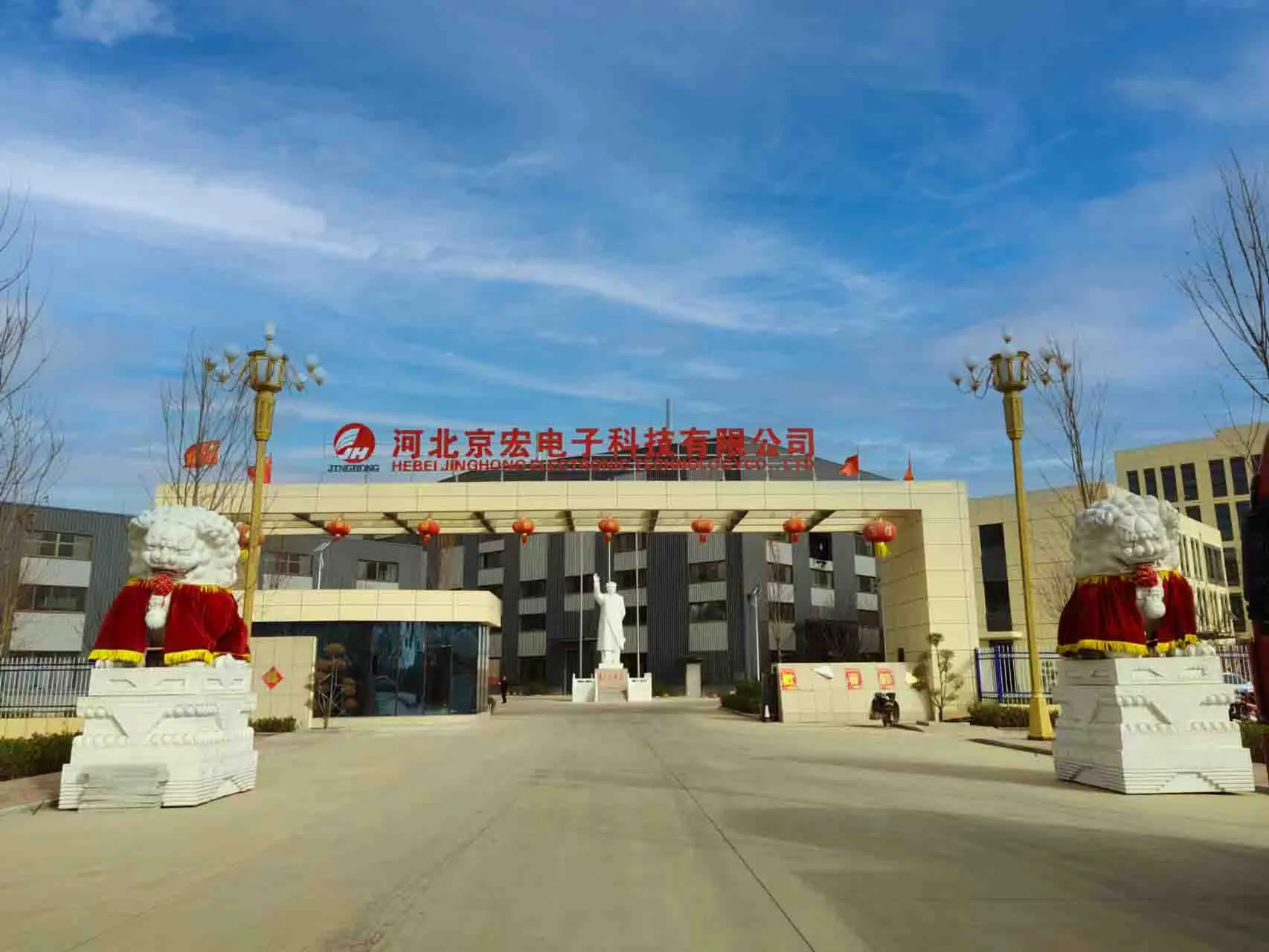
J&Q New Composite Materials Company