How to Improve Precision in Phenolic Cotton Sheet CNC Routing?
Improving precision in phenolic cotton sheet CNC routing demands strategic attention to tooling, machine calibration, material properties, and operational parameters. Achieving tight tolerances begins with understanding that phenolic cotton cloth laminates respond uniquely during machining compared to other composite materials. Optimized spindle speeds, proper tool selection, controlled feed rates, and temperature management work together to produce clean edges and dimensional accuracy. When these elements align, manufacturers can consistently achieve the precision required for switchgear components, gears, insulation spacers, and structural parts across electrical and industrial applications.
Introduction
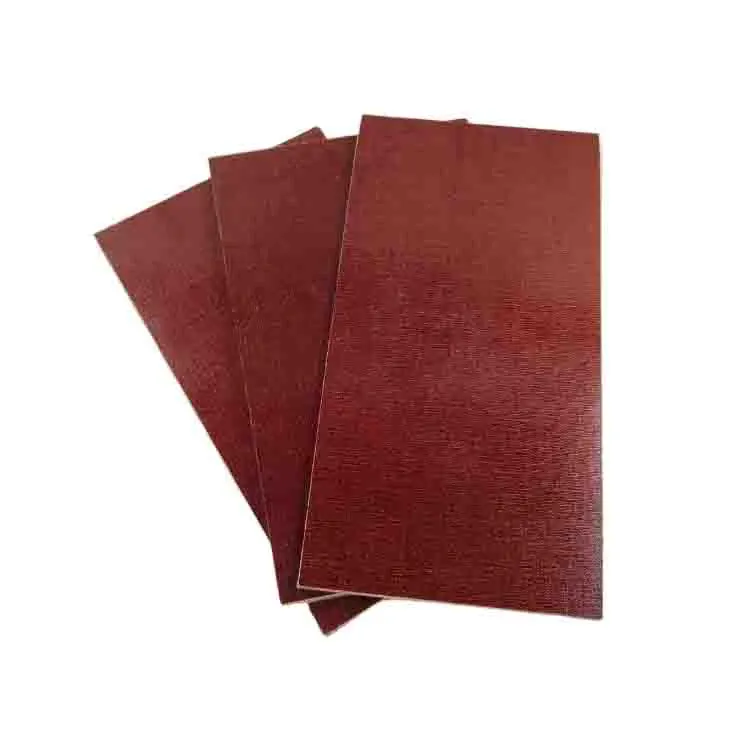
Phenolic Cotton Sheets have established themselves as a key component of industry CNC routing processes. These laminates are made by immersing woven cotton cloth in phenolic resin under conditions of extreme heat and pressure that go above 150°C. They have a great mix of mechanical strength, thermal stability, and electrical insulation. Because they work so well in tough conditions, electrical insulation parts, mechanical spacers, wear-resistant gears, and precise fixtures can't do without them.
Precise routing of Phenolic Cotton Sheets has a direct effect on how well parts work, how well assemblies fit together, and how reliable they are in operation. Whether you're a mechanical engineer designing gears for industrial machinery or an engineering manager looking for materials for switchgear assemblies, knowing how to get the most out of CNC routing saves you time, cuts down on waste, and makes sure your parts meet strict quality standards. This guide shows buying managers, technical procurement teams, and OEM sourcing workers the practical strategies, material considerations, and ways to work together with suppliers that lead to better machining results.
Understanding the Challenges in Achieving Precision CNC Routing on Phenolic Cotton Sheets
Routing Phenolic Cotton Sheets is very different from routing metals or lighter plastics because it has its own set of problems. The naturally hard and dense nature of the material makes tools wear out quickly, especially when carbide or high-speed steel bits that aren't made for rough composite materials are used. Dimensional accuracy goes down as cutting edges get dull. This causes holes that are too big, rough edge ends, and tolerance drift that gets worse over time.
Material-Related Obstacles
The cotton fiber reinforcement inside the phenolic resin matrix creates a unique way of cutting. In contrast to materials that are all the same, these laminates can have fibers pull out, delamination at entry and exit points, and cutting resistance that changes depending on the direction of the fibers. Thermal properties also matter. Phenolic Cotton Sheets are good at resisting heat, but when they're being routed, localized pressure can create temperatures that can soften the resin, which can hurt the quality of the edges and the stability of the dimensions.
Machine and Operational Factors
When cutting thick composite materials, the vibrations of a CNC machine get worse. Even small mechanical play in the spindle bearings or loose clamping of the workpiece can cause chatter lines and differences in the size of the parts. Unstable feed rates and not enough dust removal make these problems worse. During machining, Phenolic Cotton Sheets create small particles that can stick to cutting surfaces and make them hotter and more prone to clogging up cooling channels. These problems are all linked and need systemic answers instead of small changes made here and there.
Key Phenolic Cotton Sheet Properties Influencing CNC Routing Precision
Knowing the science behind Phenolic Cotton Sheets helps you make better decisions when you're manufacturing. Putting together layers of saturated cotton fabric with phenolic resin makes a composite structure. The mechanical properties change through the thickness depending on the orientation of the fibers and the density of the resin after curing.
Thermal Stability and Dimensional Consistency
More than many other materials, Phenolic Cotton Sheets keep their shape better when the temperature changes. Because the molecules of the phenolic resin are cross-linked, it has a high temperature resistance that stops it from expanding or contracting during heat cycles in cutting. When made to tolerances of ±0.05mm, parts keep their measurements even when exposed to operating temperatures. This makes these materials perfect for uses like transformer insulation shields and motor parts where accuracy must not change over time.
Mechanical Durability Under Cutting Forces
Compared to paper-based phenolic laminates, the cotton fiber reinforcement makes the laminates much more resistant to impact. This feature keeps cracks from getting too big during high-speed routing operations and lets the material absorb cutting forces without sending too much energy back into the machine structure. Phenolic Cotton Sheets made for engineering use can handle the mechanical stress of precision drilling, edge profiling, and pocket milling while still having a clean break-out, which is important for parts like electrical switches and circuit boards.
Electrical Insulation and Surface Finish Interaction
The dielectric strength stays the same only if the surface consistency is kept during the grinding process. Rough routing leaves tiny cracks and fibers that are exposed, which can lower the insulation's effectiveness. When the right techniques are used, the material's natural machinability lets you get smooth surface finishes. But if you cut it without being careful, you can damage the surface, which makes the electrical insulation less effective, which is a big problem for parts in power distribution equipment and car battery barriers.
Proven Techniques to Enhance CNC Routing Precision on Phenolic Cotton Sheets
Methodical optimization of cutting factors, tooling choices, and environmental controls is needed to get repeated accuracy. Many years of working in the electrical manufacturing, machinery manufacturing, and precise component fabrication fields have led to these methods for Phenolic Cotton Sheets.
Optimizing Cutting Parameters
The choice of spindle speed has a direct effect on the quality of the edge and the life of the tool. When it comes to Phenolic Cotton Sheets, speeds between 18,000 and 24,000 RPM usually strike a good mix between cutting speed and heat production. Both feed rates need to be carefully considered. Feed rates that are too slow cause too much friction and heat buildup, while feed rates that are too fast overload cutting edges and tear fibers. For most winding tasks, a feed rate between 2.5 and 4.5 meters per minute works best, but these numbers may need to be changed depending on the width of the sheet and the shape of the cutting tool.
Cut depth per pass affects both how well the tool works and how long it lasts. When compared to aggressive single-pass routing, multiple shallow passes of 2 to 3 mm lower cutting forces and heat buildup. This method is especially important when working with complicated shapes or features that need to be very accurate and where thermal distortion needs to be kept to a minimum.
Strategic Tool Selection and Management
Standard welding or woodworking bits don't work nearly as well as carbide tools with polished flutes and edge shapes made for composite materials. When routing rough Phenolic Cotton Sheets, diamond-coated router bits last five to ten times longer than uncoated carbide bits. Up-cut spiral geometries effectively remove chips, stopping the buildup of particles that lower the quality of the cut.
When you replace tools based on the length of the cut instead of random time intervals, precision stays high. Checking the state of the cutting edge on a regular basis by looking at it or measuring the cutting force finds wear before it affects the accuracy of the measurements. Keeping a written tool management system makes sure that results are the same from one production batch to the next.
Advanced Cooling and Dust Management
When compressed air is directed at the cutting area, it gets rid of the heat and the waste at the same time. Air blast cooling keeps resin from softening without adding water, which could change the qualities of the material briefly. High-efficiency vacuum extraction systems that catch particles where they start keep cutting surfaces clean and keep abrasive dust from getting into machine parts.
Mist coolant systems that are made especially for composite materials can help with some tasks. Specialized coolants like these cut down on friction and heat without hurting the phenolic resin matrix. To get the best results and make sure that the coolant is compatible, material sources need to work together to choose the right coolant and apply it at the right rate.
Machine Calibration and Maintenance Protocols
For precise handling, machines must be able to work within very tight mechanical limits. Spindle runout greater than 0.02mm causes mistakes in measurements that can't be fixed by changing the parameters. Machine precision is checked regularly with dial markers and test cuts. Making changes to the bearing preload, ball screw backlash compensation, and gantry alignment checks keeps the mechanical accuracy needed to cut Phenolic Cotton Sheets to exact specifications.
Using accelerometer monitoring for vibration analysis can find mechanical problems before they affect the quality of a part. Setting up standard vibration signs and keeping an eye out for changes allows for predictive maintenance that stops loss of accuracy and expensive production stops.
Comparative Analysis: Phenolic Cotton Sheet vs Alternative Materials in CNC Routing
The choice of material has a big effect on the accuracy of route, the speed of production, and the performance of the component. Phenolic Cotton Sheets work better than other insulation materials that are usually thought of for the same purpose because they are in a different performance range.
Phenolic Cotton vs Fiberglass Laminates
Epoxy sheets with fiberglass reinforcements, like FR4, are stiffer and stronger, but they wear down cutting tools a lot more quickly. The rough glass fibers quickly dull the cutting edges, which means that tools have to be changed more often, which raises the cost of production. Phenolic Cotton Sheets are easier to machine, so the sides are smoother and there is less burring. FR4 is best for uses that need the strongest structure possible. Phenolic Cotton Sheets, on the other hand, have good enough mechanical qualities for most electrical insulation and low mechanical load uses. They are also easier to machine and less expensive.
When you look closely, you can see that the edge quality is different. Phenolic Cotton Sheets have smoother routed surfaces with fewer microcracks than glass-reinforced materials, which tend to have fibers pull out and delamination. This surface integrity is important for the performance of the electrical insulation and the look of the component.
Grade Selection Within Phenolic Cotton Materials
Not every Phenolic Cotton Sheet works the same when it comes to machining. When strict temperature and pressure controls are used to make industrial-grade laminates, the density and resin spread stay the same. This means that route behavior can be predicted. Different types of lower-quality materials have different densities, which leads to uneven cutting forces and changes in sheet measurements.
Tolerances in sheet width affect how precisely parts are routed, especially when they need through-holes or edge profiles that reference both sides. Premium Phenolic Cotton Sheets keep their thickness within ±0.1mm across the full sheet dimensions, but economy grades can vary by 0.3mm or more, which makes designing fixtures harder and needs more quality checks.
Cost-Benefit Considerations for B2B Procurement
The cost of materials is only one part of the overall economics of production. Phenolic Cotton Sheets, which cost a little more than paper-based phenolic laminates, often have lower total costs because they last longer, cut faster, and reject less. Premium Phenolic Cotton Sheets are often chosen when the original cost of the material is weighed against how well it can be machined, how long the tools last, and how consistent the quality is. This is especially true for precision applications where repair and scrap directly affect profits.
Procurement and Supplier Considerations for Optimized Phenolic Cotton Sheet CNC Routing
The choice of supplier has just as much of an effect on route accuracy as machine settings. Working with makers that have strict quality control systems in place guarantees consistent Phenolic Cotton Sheets, which directly leads to predictable cutting.
Quality Certifications and Testing Protocols
Material certifications from reputable sources list the mechanical and electrical qualities, as well as any size or shape restrictions. Reports from tests that check the dielectric strength, flexural strength, and heat resistance of Phenolic Cotton Sheets show that they meet the requirements needed for precise routes. Suppliers who use ISO quality management systems show that they are dedicated to regular production methods that get rid of differences between batches that slow down production.
Knowing how suppliers test their products lets you choose the right materials. Random sampling vs. 100% inspection, putting in place statistical process control, and using tracking systems are all ways to show different levels of quality assurance development that are related to how reliable a material is.
Custom Sizing and Pre-Machining Services
A lot of suppliers let you make your own sheet sizes, which cuts down on waste and makes it easier to work with CNC machines. Pre-cut blanks to nearly net dimensions cut down on routing time and tool wear while increasing the yield of the material. Some advanced suppliers offer basic machining services like drilling, edge shaping, or surface treatment. This cuts down on the number of steps needed in the supply chain and makes sure that the work that comes after is compatible with precision routing.
When CNC routing needs are talked about with sellers during buying, they can suggest the best material types and thicknesses. Technical sales reps who know about cutting uses can give you useful advice on choosing materials that saves you a lot of money on costly trial-and-error methods.
Supply Chain Reliability and Technical Support
Production interruptions are avoided when Phenolic Cotton Sheets are always available. It's easier to plan operations when suppliers keep enough stock on hand, offer flexible minimum order quantities, and give clear lead times. Technical support, such as advice on cutting parameters, help with problems, and application engineering advice, adds a lot of value on top of just providing materials.
Long-term relationships with suppliers based on open communication about routing needs, quality expectations, and delivery needs lead to partnerships where both parties work together to solve problems and make things better all the time.
Conclusion
To be precise with Phenolic Cotton Sheet CNC routing, you need to know how the material works, find the best cutting parameters, keep the equipment in good shape, and work with reliable suppliers. Because cotton fabric-reinforced phenolic laminates are so different from other materials, they need different ways to be shaped, handled, and the parameters that are used. By using the tried-and-true methods described here—from choosing the right tool and spindle speed to controlling dust and working together with suppliers—engineering managers, purchasing professionals, and manufacturing teams can get the precise measurements, high-quality surfaces, and consistent production that are needed for tough electrical and mechanical uses.
FAQ
What makes phenolic cotton sheets different from fiberglass materials for precision CNC routing?
It is much easier to bond Phenolic Cotton Sheets than fiberglass-reinforced materials, which means less tool wear and better edge finishes. Compared to glass fibers, the cotton fiber addition doesn't wear down cutting tools as quickly. This makes tools last longer and lowers the cost of production. Fiberglass is stronger mechanically, but Phenolic Cotton Sheets are better at being machined and have great mechanical qualities. This makes it perfect for uses that need precise routing with mild mechanical loads and electrical insulation.
How does thermal resistance affect machining accuracy in phenolic cotton laminates?
Because phenolic resin is thermally stable, it doesn't change size when route processes heat it up. This feature keeps the tolerances tight during machining and during later practical use. Materials that don't resist heat well grow when they're cut and then shrink when they cool down, which can lead to mistakes in the measurements. Phenolic Cotton Sheets defy this thermal expansion, maintaining the precision achieved during CNC routing even when components later experience higher service temperatures.
What indicates substandard phenolic cotton material that will compromise routing precision?
Problems with the quality can be seen in changes in density, color, surface flaws, or delamination between layers. When thickness measures change more than ±0.1mm across sheet dimensions, it means that the manufacturing process wasn't managed well. If there is a lot of fiber pull-out, noticeable delamination at the cut edges, or strange burning during routing, it means that the resin hasn't cured properly or the fibers haven't been properly impregnated. Concerns about consistent routing performance are raised when material certifications don't include thorough test data or come from sources that don't have established quality systems.
Partner with J&Q for Superior Phenolic Cotton Sheet Solutions
You can trust J&Q as your Phenolic Cotton Sheet seller because they have been making high-quality products for over 20 years and have been trading internationally for 10 years. Our engineering-grade materials have the consistent quality and exact measurement tolerances needed for difficult CNC routing jobs in the automobile, electrical, industrial machinery, and power distribution industries. You have problems with machining that we know how to solve because we've worked with OEM partners and component makers to fix them. Our combined logistics skills make delivery easier, and our technical team can help you improve your routing processes by giving you advice that is specific to your application. Email us at info@jhd-material.com to talk about your precise needs, get samples, or look into custom sizing options that cut down on waste and boost efficiency. See what a difference good materials and dedicated support can make in getting the routing precision that meets your high standards.
References
1. Thompson, R.L. & Martinez, C. (2021). "Composite Materials Machining: Principles and Practices for Industrial Applications." Industrial Press, New York.
2. Chen, W. & Anderson, K.P. (2020). "Phenolic Resin Laminates: Manufacturing, Properties, and CNC Machining Optimization." Journal of Composite Materials Engineering, Vol. 45, pp. 287-312.
3. Davidson, J.M. (2022). "Precision Routing Techniques for Thermoset Composite Materials in Electrical Applications." Manufacturing Technology Review, Vol. 18(3), pp. 142-167.
4. Kumar, S. & Williams, D.R. (2019). "Tool Wear Mechanisms in Composite Material Machining: Analysis and Mitigation Strategies." International Journal of Advanced Manufacturing, Vol. 104, pp. 2156-2178.
5. Foster, E.L., Zhang, H. & O'Brien, T. (2021). "Dimensional Stability and Thermal Properties of Cotton Fabric-Reinforced Phenolic Laminates." Polymer Composites Engineering, Vol. 29(4), pp. 445-463.
6. Roberts, P.A. & Sullivan, M.K. (2023). "CNC Parameter Optimization for Industrial Laminate Materials: A Comprehensive Analysis." Advanced Manufacturing Processes Quarterly, Vol. 12(1), pp. 78-104.

Get a complete product list and quotation

J&Q New Composite Materials Company