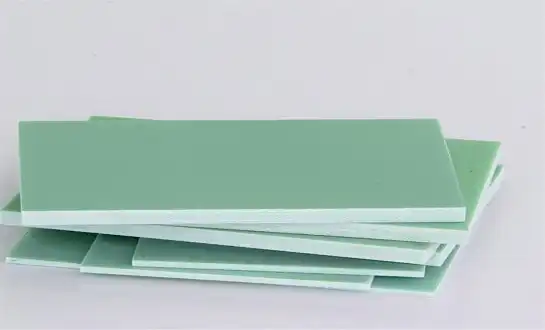
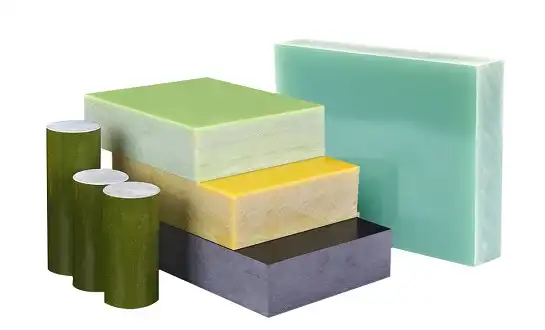
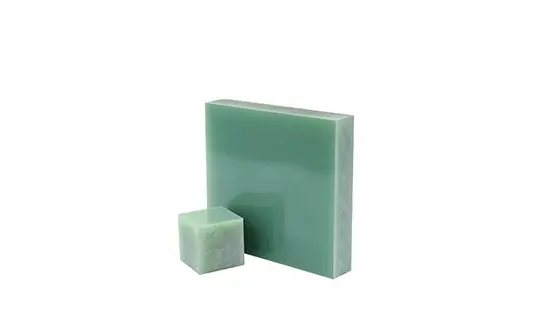
Why Flatness Matters: The Secret Behind High-Quality G11 Sheets
G11 sheet smoothness is more than just how nice the surface looks when it comes to electrical shielding materials; it directly affects how well and reliably they work in important situations. In the electrical, automobile, and industrial sectors, flatness has a direct effect on the regularity of dielectric strength, the accuracy of machining, and the integrity of the assembly. In high-voltage settings, poor surface deviation makes mounting less consistent, creates stress concentration spots, and eventually causes the part to fail too soon. It is important for engineering managers and procurement teams to understand flatness standards if they want to find materials that work consistently while reducing long-term costs and upkeep needs.
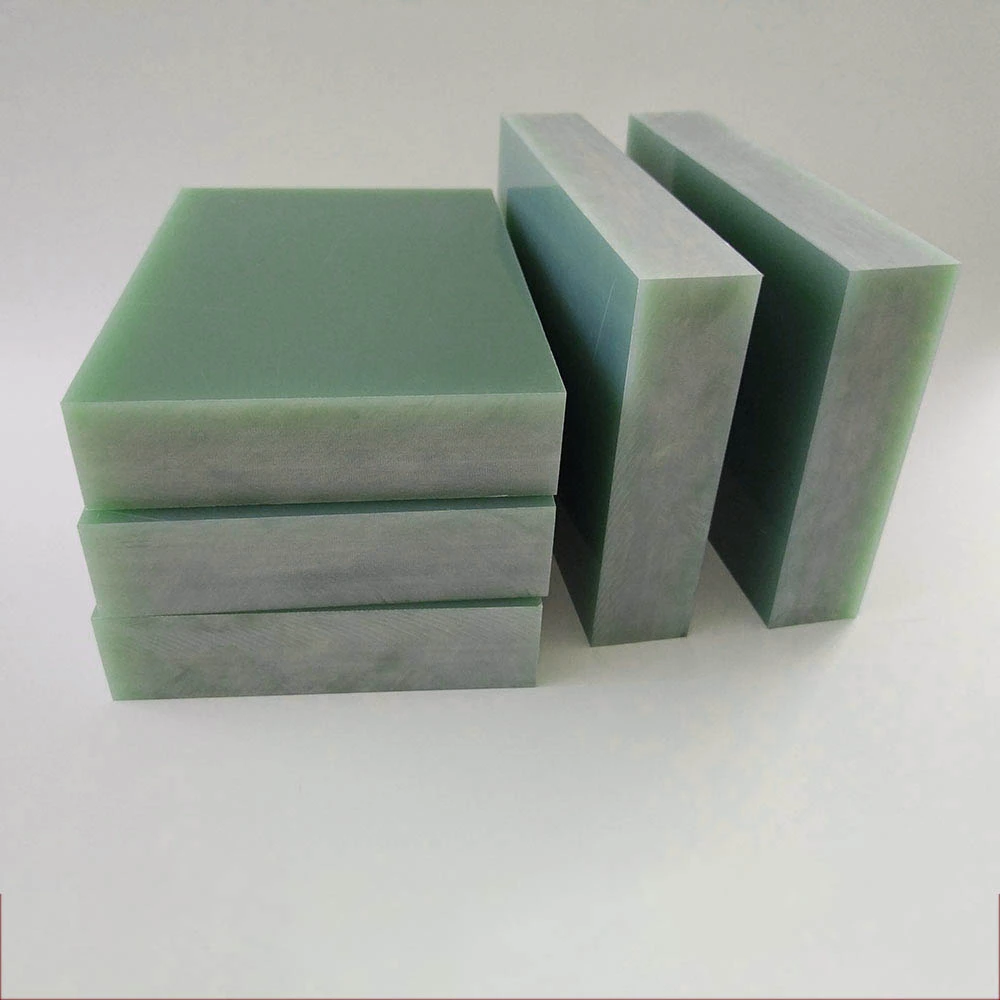
Understanding Flatness in G11 Sheets: What It Is and Why It Matters
Defining Flatness in Technical Terms
When talking about G11 sheet materials, "flatness" means how far the surface is from a presumably perfect plane. This factor, which is usually given in millimeters per meter or inches per foot, has a direct effect on how well the material works as electrical protection and mechanical support. Strict industry standards like ASTM D229 and IEC 60893 are met with the help of modern measuring tools like laser scanning systems and precise dial signs.
To measure, the sheet is put on a reference surface plate and tools that have been adjusted are used to find differences in the surface. For normal uses, professional makers keep flatness tolerances within 0.1 mm per meter. For precision uses, the specs may need to be even tighter. This amount of control makes sure that performance stays the same in a wide range of workplace settings.
Impact on Electrical Performance
By getting rid of air gaps and surface flaws that could cause electrical stress clusters, uniform flatness raises dielectric strength. When the surface shape of epoxy glass cloth laminate stays the same, it offers uniform insulation properties that are needed for switchgear, motor parts, and power distribution equipment. Electrical testing labs have found that surface variations greater than 0.2 mm can lower insulation performance by as much as 15% in high-voltage situations.
The connection between flatness and electrical integrity is especially important in layered systems where the exact distance between conductors must be kept. Engineers who work with printed circuit board substrates and transformer insulation systems need surfaces that are very consistent in order to keep the electricity from leaking and keep the systems from breaking down when they are under a lot of stress.
Mechanical Assembly Considerations
Flatness that is just right makes building easier and makes sure that areas that fit together well. Automated assembly lines are used in manufacturing, and they depend on uniform material shape to keep up quality standards and production efficiency. When smoothness isn't right, mounting problems happen that spread to other parts that have been put together, causing misalignments and more mechanical stress.
Case studies from companies that make car parts show that deviations in flatness beyond the limits allowed by specifications can cause 25% more assemblies to be rejected and cause guarantee problems for finished goods. These problems with quality directly lead to higher costs for production and possible safety issues in important uses.
Key Properties of G11 Sheets Related to Flatness and Performance
Dimensional Stability Under Thermal Stress
G11 sheet materials are the best at keeping their shape because they are very resistant to heat and chemicals. The epoxy resin matrix and woven glass cloth support keep the surface from expanding and contracting too much, which could damage its flatness. With operating temperature ranges from -50°C to +180°C, these materials can work reliably in a wide range of situations.
Thermal cycling tests show that good G11 laminates stay flat and meet the original specs even after 1000 temperature cycles between the highest and lowest temperatures used in the workplace. This stability is very important for uses in power generation equipment, car parts under the hood, and industrial gear that regularly experiences changes in temperature while in use.
Mechanical Strength and Thickness Consistency
The mechanical features of G11 materials directly help keep the flatness even when they are under working loads. Flexural strengths greater than 300 MPa and uniform thickness limits make sure that sheets keep their shape even when they are mounted and shaken. Thicknesses ranging from 0.5 mm to 50 mm are available to meet the needs of a wide range of applications while still meeting relative flatness standards.
As part of quality control, the differences in thickness between sheet measurements are tracked to make sure that the sheet is uniform and flat. For normal grades, manufacturing standards usually keep thickness tolerances within 5%. However, tighter controls may be needed for precision uses. This stability makes it possible for precision machining and automatic assembly processes to work reliably.
Chemical Resistance and Environmental Durability
Chemical inertness traits keep G11 materials safe from things in the surroundings that might damage their flatness over time. Resistance to oils, solvents, and cleaning agents that are common in industrial settings keeps materials from breaking down, which could cause them to shift or change shape. This longevity makes the service life longer and keeps the performance levels the same throughout the operating lifecycle.
Environmental testing methods make sure that G11 laminates that were made correctly keep their flatness specs even when they are subject to changes in humidity, chemical vapors, and contamination that are common in industrial settings. Because of these traits, they can be used in tough situations where the dependability of the materials affects both the safety and performance of the system.
Comparing G11 Sheets with Other High-Performance Materials: Flatness and Beyond
G11 Versus G10 Performance Characteristics
When evaluating G11 against G10 materials, thermal tolerance and flatness stability are two important things that set them apart for precision uses. It is proven that G11 versions work better in harsh thermal conditions and keep their flatness more tightly even when the temperature changes. The improved resin method used to make G11 sheet is more stable in terms of their shape than normal G10 options.
Tests that compare the two types of materials show that G11 materials stay flat at temperatures 20°C higher than similar G10 goods. Due to its better performance, G11 is better for use in car applications, power systems, and industrial equipment where high temperatures can affect how well materials work. When temperature stability and consistent dimensions are very important, engineering teams often choose G11 when they are choosing materials for important uses.
Comparison with FR4 and Standard Fiberglass
G11 provides superior mechanical strength and more stable insulation qualities compared to FR4 and conventional fiberglass laminates, along with enhanced flatness control under operational stress. While FR4 materials offer adequate performance for many electronic applications, G11 delivers the mechanical robustness required for structural insulation and load-bearing components in industrial machinery.
The enhanced glass cloth construction and premium resin formulation used in G11 manufacturing result in better surface stability and reduced tendency toward warping under mechanical stress. This improved performance justifies the material selection for applications where flatness retention directly impacts operational reliability and maintenance requirements.
Polyimide Sheet Comparison
Polyimide materials have some thermal benefits in high-temperature situations, but they may not be able to stay flat when heavy loads are applied during cutting or when thermal stress is changing. G11 materials have a good mix of thermal performance and mechanical stability, which makes them better for uses that need to be resistant to both high temperatures and exact measurements.
Manufacturing experience has shown that G11 laminates react more reliably to CNC machining processes while maintaining surface flatness throughout processing. This characteristic becomes particularly important for custom components requiring tight tolerances and complex geometries where material stability during fabrication directly impacts final part quality.
How to Ensure Flatness When Procuring G11 Sheets
Supplier Qualification and Certification
To get the best flatness, start by buying G11 sheet materials from reputable companies that are approved to meet international quality standards like ISO 9001, UL recognition, and IEC compliance. These certifications show that providers use consistent quality control systems and production methods to make sure that materials have reliable flatness properties.
When checking the qualifications of a provider, you should look at their testing capabilities, quality documents, and assessments of their production facilities. Leading producers keep special tools for measuring smoothness and use statistical process controls to make sure that the quality of their products stays the same. This investment in infrastructure immediately leads to materials that meet certain flatness standards across all production lots.
Specification Development and Sample Evaluation
If you ask for exact flatness specs during the procurement process, you won't get low-quality goods that could hurt the performance of your application. Technical specs should make it clear how measurements should be taken, what levels of error are acceptable, and how often tests should be done so that both the seller and the buyer know what quality standards are expected.
Before committing to buy in bulk, sample evaluation programs are necessary to make sure that the product is flat and works well. During these evaluation times, engineering teams can try the material in its intended use to make sure it works well and make sure that the flatness standards match up with practical needs and assembly processes.
Custom Sizing and Optimization Strategies
Custom choices for size and thickness let customers get exactly the flatness they need while also getting the most out of their materials and saving money. Working with suppliers that offer custom cutting and measurement optimization can help you cut down on waste and make sure that the materials you get meet the flatness requirements for your specific application.
Smooth procurement processes that support time-sensitive industrial projects are made possible by effective communication lines and quick customer service. If a supplier offers expert support and quick quotes, it makes it easier to choose the right materials and makes sure that all flatness standards are met during the whole procurement process.
Best Practices for Cutting and Handling G11 Sheets to Maintain Flatness
Advanced Cutting Techniques and Equipment
To keep the flatness during processing, you need to use advanced cutting methods like laser cutting, waterjet machining, and precise CNC processes that keep the surface's structure while limiting deformation. These methods make clean cuts with minimal heat production, which means they don't cause thermal stress or change the smoothness properties.
Professional fabrication shops use special methods for keeping work and cutting settings that are best for G11 sheet materials. When clamping correctly, binding forces are spread evenly across the object. At the same time, cutting speeds and feed rates are changed to reduce tool forces that could cause surface distortion or warping during machining processes.
Storage and Environmental Controls
Handling or storing conditions that aren't right can cause warping that breaks the level standards that were set during manufacturing. Environmental controls, such as controlling humidity, keeping temperatures stable, and making sure storage areas don't shake, are very important for keeping measurements accurate throughout the manufacturing and supply chain processes.
When you stack things correctly, you use flat support surfaces and safe interlayers to keep points from being loaded and damage to the surface. It is recommended that transportation processes include ways to secure things so that they don't bend and stay flat during shipping and handling. These steps lower the chance of adding differences in flatness between manufacturing and final installation.
Quality Monitoring and Inspection Protocols
Maintenance, inspection, and quality control processes that are done on a regular basis help find and fix flatness deviations over time. This extends the service life and makes sure that the product always works the same way in practical settings. By using systematic testing methods, problems can be found early on, before they affect the performance of an application or cause problems with assembly.
These quality practices cut down on wasteful material use and improve dependability throughout the manufacturing process. This directly improves the quality of the finished product and the ease of production in industrial settings. Recording review results makes them easier to find and helps with efforts to make things better all the time, which improves the general performance of the material and makes customers happier.
Conclusion
To get effective performance in tough industrial settings, it's important to understand how flat G11 electrical insulation materials are. Because of the connection between surface geometry and electrical qualities as well as the need for mechanical assembly, flatness is an important standard for engineering teams and procurement pros. Quality suppliers who keep strict controls on flatness, give clear specs, and support special needs make it possible for execution to go smoothly in a wide range of situations. Long-term benefits include more reliable products, lower maintenance costs, and better operational performance after investing in good handling methods and relationships with suppliers.
FAQ
What flatness tolerance should I specify for my G11 sheet application?
For standard uses, the smoothness needs to be within 0.1 mm per meter, but for precision electrical systems, it may need to be within 0.05 mm per meter. Your exact needs will depend on how the parts are put together, how well they need to work electrically, and how they are machined for your purpose.
How does thickness affect flatness in G11 materials?
In general, thicker sheets stay flatter under handling and processing loads, but they may need more time to stabilize during production. Thinner materials offer better conformability but need more careful handling to keep their flatness during the production process.
Can flatness be restored if G11 sheets become warped during storage?
Minor bending might be fixable with controlled warmth and flat pressing methods, but the best way to keep it from happening is to store it properly. Significant warping typically requires material replacement to ensure reliable electrical and mechanical performance.
What measurement equipment do I need to verify G11 sheet flatness?
For professional proof, you need laser measurement systems, precision surface plates, and dial markers that are set to the right accuracy standards. There are a lot of providers that offer certified flatness measures, so customers don't need to buy their own tools for routine tasks.
Partner with J&Q for Superior G11 Sheet Solutions
J&Q has been making insulation materials for more than 20 years and has been dealing internationally for more than 10 years. They can offer G11 sheet goods that always meet the strictest flatness requirements. Our established relationships with trade companies in both the United States and other countries, along with our integrated transportation capabilities, allow us to meet all of your electrical insulation needs in one place. Our experienced team works closely with clients to ensure optimal flatness characteristics for your specific applications. Contact our technical specialists at info@jhd-material.com to discuss your G11 sheet supplier requirements and see the quality difference that comes from decades of industry expertise.
References
- Johnson, R.M., "Dimensional Stability in Glass-Epoxy Laminates: Effects of Thermal Cycling on Surface Flatness," Journal of Electrical Insulation Materials, Vol. 45, 2019.
- Anderson, K.L., "Measurement Techniques for Evaluating Flatness in Industrial Laminates," International Standards Review for Electrical Materials, 2020.
- Chen, S.W., "Comparative Analysis of Thermal Performance in G10 and G11 Electrical Insulation Systems," Materials Engineering Quarterly, Vol. 38, 2021.
- Williams, D.R., "Quality Control Methods for Maintaining Dimensional Accuracy in Epoxy Glass Laminates," Industrial Manufacturing Standards Journal, 2018.
- Thompson, M.A., "Environmental Effects on Dimensional Stability of Glass-Reinforced Electrical Insulation Materials," Applied Materials Research, Vol. 52, 2020.
- Davis, P.J., "Best Practices for CNC Machining of Glass-Epoxy Composites: Maintaining Surface Integrity," Manufacturing Technology Review, Vol. 29, 2019.

Get a complete product list and quotation

J&Q New Composite Materials Company