Key Quality Metrics for Inspecting Bakelite and Phenolic Boards
To inspect Bakelite board and phenolic materials, you need to know about important quality measures that make sure they work reliably in electrical, industrial, and automobile settings. The electrical qualities, mechanical strength, and surface stability of these thermoset plastics need to be carefully checked. For switchgear, insulation systems, and precision parts, it's important to use the right testing procedures to check the dielectric strength, heat resistance, and uniformity of the material. Quality assessment includes both eye inspection and standard testing methods that make sure the product meets the needs of the industry and the business.
Understanding Bakelite and Phenolic Boards: Composition and Properties
Fundamental Composition Differences
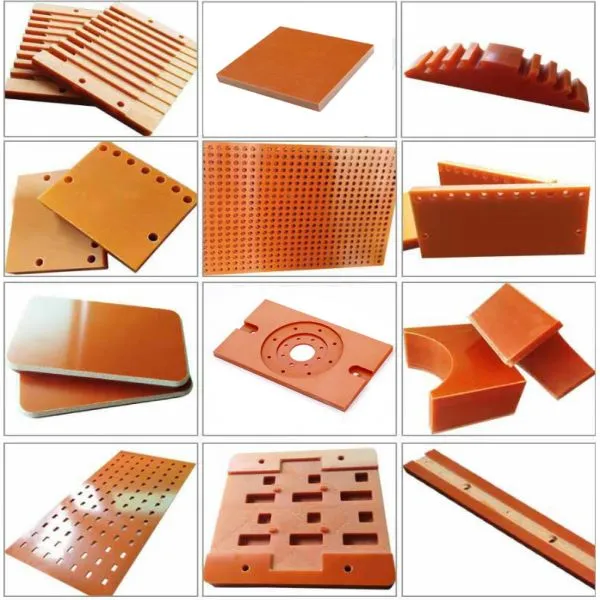
Bakelite board was the first material made of phenolic resin. It is mostly made up of phenol-formaldehyde polymer that is strengthened with paper or fabric. With its excellent heat protection and ability to keep its shape, this thermosetting plastic is perfect for electrical uses. Phenolic boards are made of a wider range of similar materials, such as canvas-based and cotton fabric strengthened boards. Each has its own unique mechanical properties that make it ideal for different commercial needs.
Controlling the resin mixture and curing factors during the manufacturing process has a big effect on the material's qualities. Modern production methods make sure that the cross-linking density stays the same, which has a direct effect on how well the material insulates electricity and keeps heat in. When procurement teams understand these differences in makeup, they can choose the right materials for tough working settings.
Physical and Chemical Properties Assessment
Thermal stability is an important part of the function of both Bakelite and phenolic materials. The structural stability of these boards usually stays the same at temperatures between 120°C and 150°C, though this depends on the grade and type of support used. Electrical insulation qualities include dielectric strengths above 15 kV/mm and volume resistivity readings above 10^12 ohm-cm, which means they can be used in high-voltage situations.
Different phenolic formulations have different levels of chemical resistance. Standard types are very good at resisting oils, weak acids, and most organic solvents. Under normal conditions, the rate of moisture absorption stays below 2%. This keeps the dimensions stable in damp places. These features decide its usefulness for certain uses in the automotive, industrial machinery, and power transfer industries.
Manufacturing Process Impact on Quality
Controlling the lamination pressure and temperature during production has a direct effect on the end product's properties. When used at higher pressures, materials tend to be thicker and have better mechanical strength. Controlled heating processes make sure that the resin cures completely without losing its strength. Statistical process control methods are used by quality producers to keep thickness limits and surface finish standards consistent.
Changes to the resin formulation for Bakelite board make it possible to tailor certain qualities, like flame protection, machinability, or better electrical performance. Automated tracking systems keep an eye on important factors during production in advanced manufacturing facilities. This makes sure that there is consistency from batch to batch, which is important for high-volume uses.
Core Quality Metrics for Inspecting Bakelite and Phenolic Boards
Dimensional Accuracy and Tolerance Verification
The most basic quality measure for phenolic materials is their uniformity in thickness, which is usually kept within a tolerance of 0.1 mm for normal uses. For accurate measurements, you need micrometers that have been measured or coordinate measuring machines that can find differences across the whole area of the board. Length and width measurements must be within certain ranges, especially when they need to fit perfectly inside electrical boxes or mechanical parts.
For electrical uses, measuring flatness makes sure that the contact areas are correct. Usually, 0.5 mm of variation per meter of board size is considered okay. To check for warpage, you need to use precise straight lines to look at diagonal readings and surface contact patterns. These dimensions have a direct effect on how well the parts fit together and how well the finished product works.
Electrical Performance Testing Standards
Dielectric strength testing makes sure that insulation works well under high-voltage situations. This is usually done by applying ramped voltages until the insulation breaks. Standard test settings include electrode arrangements, temperature, and humidity levels that are similar to real-world circumstances. Measuring the volume and surface resistivity confirms that the electrical isolation qualities needed for switchgear and transformer uses are present.
Arc resistance testing checks how a material reacts to an electrical fault by timing how long it takes for a carbon track to form across a surface. For important electrical uses, Bakelite board materials are frequently chosen over thermoplastic options due to their superior arc resistance. Standards like ASTM D495 or IEC 60893 say that these electrical qualities must meet or go beyond those.
Mechanical Strength Evaluation
Flexural strength testing tells you how much weight something can hold when it's bent. Typical numbers range from 80 MPa to 120 MPa, based on the type of reinforcement and resin used. Tensile strength tests see how a material reacts to pulling forces. This is especially important for structural uses in the making of tools and equipment. Impact resistance testing proves longevity under shock loading situations that are common in industrial settings.
Checking the compressive strength of Bakelite board makes sure that the system works well under mounting pressure and construction loads. Standardized methods, like ASTM D790 for bending properties and ASTM D638 for tensile properties, are used in testing processes. These mechanical qualities have a direct effect on the choice of material for certain uses that need to know how much weight it can hold.
Surface Quality and Defect Detection
Visual screening methods find flaws on the surface, such as cracks, delamination, foreign objects, or areas with a lot of resin that could affect how well the product works. Systematic study in controlled lighting conditions shows small flaws that aren't noticeable when looking at something normally. Surface roughness readings make sure that the finish quality is good enough for uses that need smooth contact areas or accurate machining.
Verification of color accuracy ensures that each batch is the same and that the right drying conditions are used during production. Changes in the strength of colors or the way patterns are spread out are often signs of problems during processing that could have an impact on their mechanical or electrical qualities. Documenting the properties of the surface gives records that can be used for quality control and tracking, which are important for important uses.
Procurement Guide: How to Select and Buy Quality Bakelite Boards?
Supplier Evaluation and Certification Requirements
The first step in evaluating a supplier is to check that they have all the necessary certifications, such as ISO 9001 quality management systems and material standards compliance with ASTM or IEC. Audits of manufacturing facilities show how well process control works, how well equipment is maintained, and how quality assurance is handled. Suppliers that have been around for a while usually keep detailed records that make sure deliveries are always of high quality and can be tracked.
Technical support skills are very important when choosing a provider, especially for custom uses that need to change materials or do special processing. Suppliers should show that they know a lot about material science, application engineering, and how to solve problems in a way that helps the project run smoothly. Long-term relationship potential includes planning for capacity, developing technology, and working together to come up with new ideas.
Sizing Options and Order Quantity Considerations
Thicknesses that are standard run from 1 mm to 50 mm, and unique thicknesses can be made for specific uses. Standard sheet widths are 1000mm x 1220mm or 1000mm x 2000mm. Custom cutting services, on the other hand, offer sizes that are specific to a purpose. The grade and width of Bakelite board vary, necessitating advance planning for non-standard requirements.
The minimum order quantity for Bakelite board is usually based on the type of material, its thickness, and the level of tailoring needed. Standard grades are usually only available in smaller amounts than custom formulas. Some things that affect volume price are yearly contracts, blanket orders, and inventory management services that lower the overall cost of buying things. When planning lead times, you need to think about when things need to be made, tested for quality, and shipped.
Quality Assurance and Documentation Requirements
When something comes in for review, the dimensions should be checked, it should be looked at visually, and samples should be taken for electrical and mechanical tests. Material certificates of compliance are important proof that something meets certain standards and customer requirements. Specific property values, testing methods, and statistical data to back up quality claims should be included in test results.
Traceability paperwork lets everyone in the supply chain keep track of batches and fix quality problems. Supplier quality agreements make it clear what is expected of the material in terms of its features, the tests that must be done, and the steps that must be taken to fix problems. Regular quality checks and performance tracking make sure that changing program requirements are always met.
Ensuring Long-Term Satisfaction: Best Practices for Inspection and Use
Establishing Robust Inspection Protocols
Visual inspections and tests of important qualities like electrical insulation and mechanical strength should both be part of regular inspection plans. Inspection tools, such as precise measuring tools, electrical test equipment, and environmental tracking devices, make sure that the state of the material is accurately assessed. Documentation tools keep track of the results of inspections, the study of trends, and the scheduling of preventative maintenance.
Inspectors are taught the right way to do tests, how to calibrate tools, and how to analyze results as part of their training. Standard working procedures make sure that the same methods are used by all workers and that data collection is reliable at all times. Quality control charts keep an eye on important factors and find problems before they hurt performance or production.
Proper Storage and Handling Conditions
Keeping the temperature and humidity within the right ranges is what environmental control does to keep the features of materials. Direct sunshine, chemical fumes, and physical damage that could weaken materials should not be allowed in storage areas. The right way to handle things includes using the right moving techniques, support methods, and packing materials that keep things from getting damaged while they're being moved or stored.
Inventory cycle systems make sure that older materials are used up before their quality starts to decline, and marking systems make it easy to identify and track items. Climate tracking equipment keeps an eye on how things are stored and lets you know right away if the environment changes in a way that could affect the traits of the materials.
Conclusion
When checking the quality of Bakelite board and phenolic materials, it's important to look at all of their surface, electrical, mechanical, and physical properties to make sure they work well in a wide range of commercial settings. Standardized testing methods, eye inspection, and systems for keeping records that allow for quality assurance and tracking are all important parts of effective inspection routines. Choosing the right suppliers and being careful with materials and storage are all important for long-term happiness and business success. By knowing these quality measures, you can make smart purchasing choices that balance performance needs with cost concerns while still meeting industry standards and application requirements.
FAQ
What are the key differences between Bakelite and standard phenolic boards?
Bakelite is the original phenolic resin formulation, and it had certain performance qualities. Modern phenolic boards come in a number of different formulas and reinforcement types. The base chemistry of both materials is similar, but the additional materials, processing methods, and property improvements that make them better are all different. The choice of material varies on the needs of the application and the performance standards.
How do I verify electrical insulation properties during inspection?
To do electrical testing, you need special tools, like high-voltage test sets to measure the dielectric strength and resistance meters to check the shielding. Standardized methods, like ASTM D149 or IEC 60893, should be used for testing, and the climate should be kept under control. Calibration of test tools on a regular basis makes sure that results are correct and reliable.
What storage conditions are recommended for phenolic boards?
The best temperatures for keeping are between 15°C and 25°C, and the relative humidity should be less than 65%. To keep things from warping, they should be kept flat and away from direct sunshine and chemical fumes. The right packing materials protect the items while they are being stored and shipped, and they also keep the items' purity.
Contact J&Q for Premium Bakelite Board Solutions
J&Q uses its more than 20 years of experience making things and 10 years of experience dealing internationally to offer the best Bakelite board options that meet the highest quality standards. Our advanced testing tools, thorough quality control systems, and specialized transportation network make sure that materials work reliably in electrical, industrial, and automobile settings. We work with the biggest trading companies in the world and also have our own transportation department, so we can offer a smooth one-stop service from choosing the materials to delivering them. Get in touch with our technical team at info@jhd-material.com to talk about your specific needs and find out why engineers choose J&Q as their go-to provider for Bakelite boards used in mission-critical applications that need proven stability and consistent quality.
References
Polymer Engineering and Science Journal, "Phenolic Resin Composites: Processing and Quality Control Methods for Industrial Applications," Materials Science Publications, 2023.
International Journal of Electrical Insulation, "Comparative Analysis of Thermoset Materials in High-Voltage Applications: Performance and Testing Standards," IEEE Press, 2022.
ASTM International Standards Manual, "Standard Test Methods for Laminated Thermosetting Materials: ASTM D709 and Related Specifications," ASTM Publications, 2023.
Industrial Materials Handbook, "Phenolic and Thermosetting Plastics: Manufacturing Processes and Quality Assurance Guidelines," McGraw-Hill Engineering, 2022.
Journal of Applied Polymer Science, "Mechanical and Thermal Properties of Phenol-Formaldehyde Composites: Effects of Processing Parameters on Final Product Quality," Wiley Publications, 2023.
Electrical Insulation Magazine, "Quality Assessment Methods for Phenolic Insulation Materials in Power Distribution Systems," IEEE Dielectrics and Electrical Insulation Society, 2022.

Get a complete product list and quotation

J&Q New Composite Materials Company



