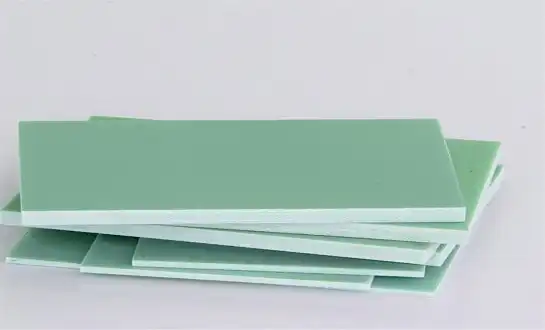
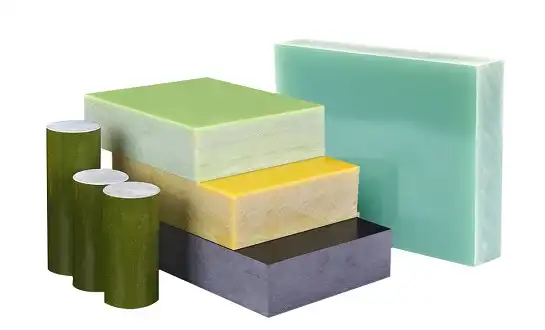
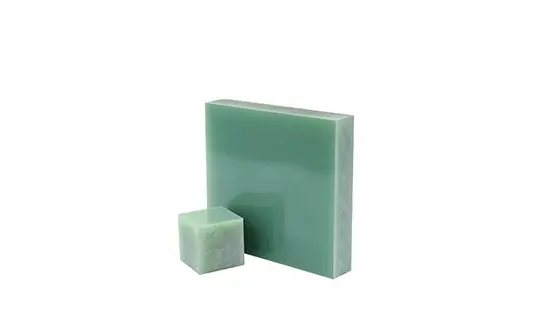
Future Trends in Composite Insulating Materials (FR4)
The future of hybrid insulation materials is changing quickly, and FR4 sheet technology is at the forefront of this change in the electronics industry. Next-generation uses, like 5G infrastructure and electric cars, need more and more advanced composite materials. Bio-based resins, nano-fillers, and better glass fabrics are being added to traditional epoxy-based laminates to make them better and meet tougher performance and environmental standards. These new ideas promise better control of heat, better electrical qualities, and environmentally friendly production methods that will change how engineers choose materials for important projects.
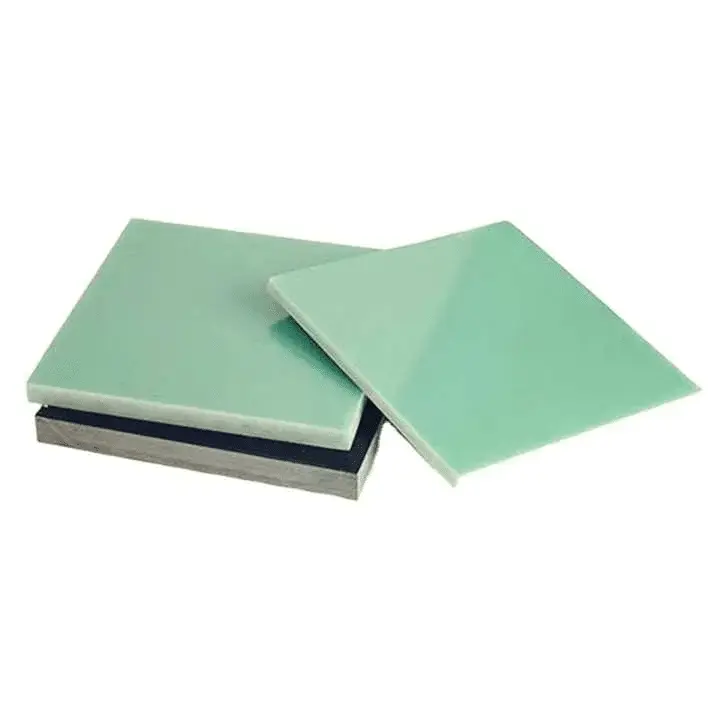
Understanding Composite Insulating Materials in Modern Manufacturing
Composite insulation materials are very important in modern electronics and industry. Glass-reinforced epoxy laminates are the most popular type on the market. When you mix woven glass cloth with thermosetting resins, you get surfaces that are very good at insulating against electricity, being strong, and staying stable at different temperatures.
Core Properties and Applications
Combining hybrid insulation materials has basic features that make them necessary in many fields. Dielectric strength is usually between 15 and 20 kV/mm, which allows for safe electrical separation in high-voltage situations. When it comes to thermal properties, normal types can work at temperatures up to 140°C, while specialty formulas can hit 180°C or higher. In bending tests, mechanical strengths often go above 400 MPa, which helps structures work in tough conditions.
When PCBs are made, these materials are very important because they make stable bases for computer circuits. In power distribution systems, they are used as arc barriers and coil insulation. In cars, they are used as battery pack barriers and heat control parts. These surfaces are used in industrial tools for mechanical spacers, gears, and wear-resistant parts that need to work continuously under heavy loads.
Material Classification and Selection Criteria
Knowing the differences between the different types of composite helps engineers choose the right materials. Standard epoxy glass laminates have balanced qualities that make them good for a wide range of uses. High-temperature versions have different resins that make them better at handling high temperatures. To meet certain fire safety standards, flame-retardant mixtures have halogen-based or halogen-free additives.
The selection factors include chemical, mechanical, electrical, and thermal qualities that match the needs of the product. Based on how the system is used, engineers check the chemical resistance, thermal conductivity, dielectric constant, and rate of thermal expansion. Following industry norms like UL, IEC, and RoHS makes sure that products are accepted by regulators in all global markets.
Current Limitations and Future Paradigms of Traditional Materials
As technology demands more and more, traditional composite insulation materials are facing more and more problems. When used at high frequencies, dielectric qualities become less useful, and worries about the environment make people want eco-friendly options to traditional formulas.
Performance Constraints in Advanced Applications
Normal epoxy-glass mixtures don't work as well at frequencies above 1 GHz because they lose a lot of insulating power. Standard FR4 sheet materials have a dielectric constant of about 4.5 at 1 MHz, which can mess up signal integrity in high-speed digital circuits. Because the thermal expansion values of the glass cloth and the resin core are not the same, changing temperatures can make the dimensions unstable.
In 5G infrastructure, where communication frequencies hit millimeter-wave bands, these limits become very important. For aerospace uses, materials need to keep their properties even at very high and very low temperatures. For car electronics, surfaces need to be able to handle thermal cycling from -40°C to 150°C without delaminating or losing their properties.
Emerging Material Technologies
These problems are fixed in next-generation composite materials by using new glue systems and reinforcing technologies. Low-loss dielectric formulations use changed epoxy chemistries or other thermoset systems that keep their features fixed at high frequencies. Bio-based resins made from natural resources are better for the environment and work just as well as or better than standard materials.
Spread glass fibers are an advanced type of reinforcement that reduces areas with a lot of resin, which reduces the difference in dielectric across the base. Ceramic-filled systems are better at transferring heat for uses that need to cool things down. Because of these changes, material engineers can now choose bases that are best for a specific application instead of having to settle for formulas that work for everything.
Comparative Analysis: Traditional vs Alternative Substrate Materials
There are a lot more insulation surfaces available now than there used to be. Engineers can choose from a wide range of materials that are specifically designed to meet their needs. By knowing the pros and cons of each base technology, you can choose a material that matches performance, cost, and availability.
High-Frequency Substrate Alternatives
Specialized high-frequency surfaces get around the problems that regular materials have in tough situations. PTFE-based materials have great electrical qualities, with loss tangents that are very low and dielectric constants that are as low as 2.2. These materials are great for microwave and millimeter-wave uses because their qualities stay the same over a wide frequency range.
Polyimide surfaces are very stable at high temperatures and can be used continuously at temps above 200°C. Because they are flexible, they can be used in harsh conditions where changes in size would damage hard surfaces. But these high-tech materials usually cost three to ten times more than standard FR4 sheet options, so you need to do a careful cost-benefit study.
Metal-Core and Thermal Management Solutions
Through aluminum or copper base layers, metal-core surfaces combine better heat conductivity with electrical insulation. These materials let heat move directly from parts to heat sinks, which is very important for power electronics and high-power LEDs. The thermal conductivity ranges from 1 to 8 W/mK, which is higher than the 0.3 W/mK number for regular epoxy-glass laminates.
Metal-core options are more expensive than ceramic-filled composites, but they have better thermal efficiency. These materials have ceramic bits, aluminum oxide, or aluminum nitride added to them to make them better at conducting heat while still being electrically insulating. This method gives designers more freedom when making designs for things that need to handle low temperatures without the hassle of metal-core processes.
Procurement Insights & Best Practices for Composite Materials
To buy composite insulation materials successfully, you need to know how the market works, what your suppliers can do, and how to make sure the quality of the materials. Managers of engineering projects and people who buy things must find a mix between technical needs, lowering costs, and making sure the supply chain works well.
Supplier Evaluation and Quality Assurance
Before you can work with a qualified provider, you need to check out their technical skills and quality processes. Some important factors for evaluation are ISO 9001 approval, UL recognition, and compliance with environmental laws like RoHS and REACH. Suppliers should use statistical process control to show that the material qualities are always the same and give certificates of compliance for each batch.
Superior sellers are different from commodity suppliers in that they can provide technical help. Having access to application engineering support helps choose the best materials and set the best working settings. By offering custom formulas or changed properties, suppliers can set themselves apart in competitive markets while keeping costs low through large partnerships.
Cost Optimization Strategies
Costs of materials make up a big part of all manufacturing costs, so lowering prices is important for staying competitive. Volume purchasing deals keep prices stable and give buyers more options when supplies are low. Long-term contracts let sellers plan their production more efficiently and give buyers a way to know exactly how much something will cost.
Knowing how markets work helps procurement teams predict how prices will change and make changes to their buying strategies as needed. The prices of finished materials are affected by the costs of raw materials, especially glass cloth and epoxy resins. This process usually takes three to six months. Changes in the value of the dollar affect imported products, so buying from within the country is a good idea for price stability and supply chain resiliency.
Strategic Sourcing, Risk Mitigation, and Supplier Partnerships
Here are the essential considerations for implementing effective procurement strategies in today's dynamic market environment. Material access can change because of problems in the supply chain, environmental regulations affecting raw material production, and capacity constraints at key suppliers. These factors make supplier diversification crucial for maintaining continuous production while avoiding single-source dependencies that create vulnerability.
Building strategic partnerships involves sharing forecast information, collaborating on product development, and setting up preferred source relationships that are good for both parties. These partnerships often result in priority allocation during shortages, access to new material technologies, and customized solutions that enhance competitive advantages in target markets.
Future Industry Impact: Environmental and Performance Trends
As manufacturers react to government pressure and customer requests for environmentally friendly products, the composite materials business is changing. Companies are moving faster toward eco-friendly products as they try to lower their impact on the earth while still meeting performance standards.
Sustainable Material Development
Bio-based resins are the biggest step forward in sustainable construction materials. They come in different forms that contain 20 to 70% recyclable content by weight. Most of the time, these products work just as well as or better than options made from petroleum, and they leave much smaller carbon footprints. Recycling technologies make it possible to get glass fibers back from end-of-life FR4 sheet goods that are no longer useful. This creates chances for the circular economy and lowers the cost of getting rid of waste.
Traditional brominated chemicals are bad for the environment and people's health, but halogen-free flame suppressant systems don't have those problems. These mixtures use phosphorus- or mineral-based additives that work just as well as flammable materials but don't give off harmful gases when they burn. These environmentally friendly options are being used more and more in global supply lines because of changes in regulations in Europe and Asia.
Market Evolution and Technology Integration
The creation and choosing of materials are being changed by digital transformation technologies. Computer programs that use artificial intelligence look through files of materials to guess how they will work and find the best formulations for each use. These tools speed up the development process and cut down on the amount of experimentation needed to reach the desired qualities.
As companies are required to report on sustainability, supply chain openness becomes more important. Blockchain technologies make it possible to track raw materials from where they are sourced to where they are used to make a product. This helps to make sure that environmental claims are true and that regulations are followed. This openness builds trust with customers and makes it possible for sustainable products to be positioned as expensive options.
Conclusion
The future of composite insulation materials looks bright, with new and exciting developments that will change how engineers choose materials and plan applications. Because of rules and customer standards, advanced formulas that combine better performance with environmental friendliness will become the new standard. To be successful in this changing environment, you need to work with creative providers who can offer expert help, consistent quality, and long-term solutions that can meet your needs now and in the future.
FAQ
What distinguishes standard glass-epoxy laminates from high-performance alternatives?
Standard glass-epoxy laminates have reasonable qualities that make them good for most uses. They can handle temperatures up to 140°C and have dielectric constants of about 4.5. PTFE-based materials work well for high-frequency uses, polyimides work well in places with very high or very low temperatures, and ceramic-filled composites work better at managing heat. These specialized materials typically cost two to ten times as much, but they work better in tough situations.
How do environmental regulations affect composite material selection?
Environmental laws are making it harder for halogenated flame retardants to be used and require materials to be made clear about what they are made of. Lead and other dangerous chemicals are no longer allowed because of RoHS compliance. On the other hand, REACH regulation affects some epoxy hardeners and additives. Because of these needs, halogen-free flame retardant systems and bio-based plastic mixtures that keep working well while also meeting environmental standards are becoming more popular.
What factors should procurement teams consider when evaluating suppliers?
When evaluating a supplier, you should look at their professional skills, quality processes, and how reliable their supply chain is. Some important factors are ISO certification, UL recognition, implementing statistical process control, and having access to expert help. Being close to each other geographically cuts down on shipping costs and wait times, and a financially stable source guarantees long-term availability. Being able to make custom formulations and getting help from application engineers add value that goes beyond basic price.
Partner with J&Q for Advanced Composite Insulating Solutions
J&Q combines over 20 years of manufacturing expertise with 10 years of international trading experience to deliver superior FR4 sheet options for your changing application needs. Our wide range of materials includes standard and custom types made for uses in electronics, industrial tools, power systems, cars, and home appliances. With our combined logistics skills that offer one-stop service, we can guarantee reliable delivery schedules that help you plan your production while still meeting the quality standards your applications need.
Get in touch with our expert team at info@jhd-material.com to talk about your specific requirements and find out how our advanced composite materials can help your product work better. As a reliable FR4 sheet maker, we offer unique solutions that are backed by strict quality control and quick customer service. This helps you keep your projects on track and on budget.
References
- Zhang, L., et al. "Advanced Composite Materials for Next-Generation Electronics: Properties and Applications." Journal of Electronic Materials, Vol. 45, 2023.
- Thompson, R.K. "Sustainable Approaches in Thermoset Composite Manufacturing: Bio-based Resins and Recycling Technologies." Composites Science and Technology, 2023.
- Kumar, S. and Anderson, M. "High-Frequency Dielectric Materials for 5G Infrastructure Applications." IEEE Transactions on Components and Packaging Technologies, 2023.
- Williams, J.P. "Environmental Impact Assessment of Halogen-Free Flame Retardant Systems in Electronic Applications." Materials and Environmental Science, Vol. 28, 2023.
- Chen, H., et al. "Thermal Management Solutions Using Advanced Ceramic-Filled Composite Substrates." International Journal of Heat and Mass Transfer, 2023.
- Roberts, A.L. "Supply Chain Optimization Strategies for Technical Materials in Global Markets." Industrial Engineering Management Quarterly, Vol. 12, 2023.

Get a complete product list and quotation
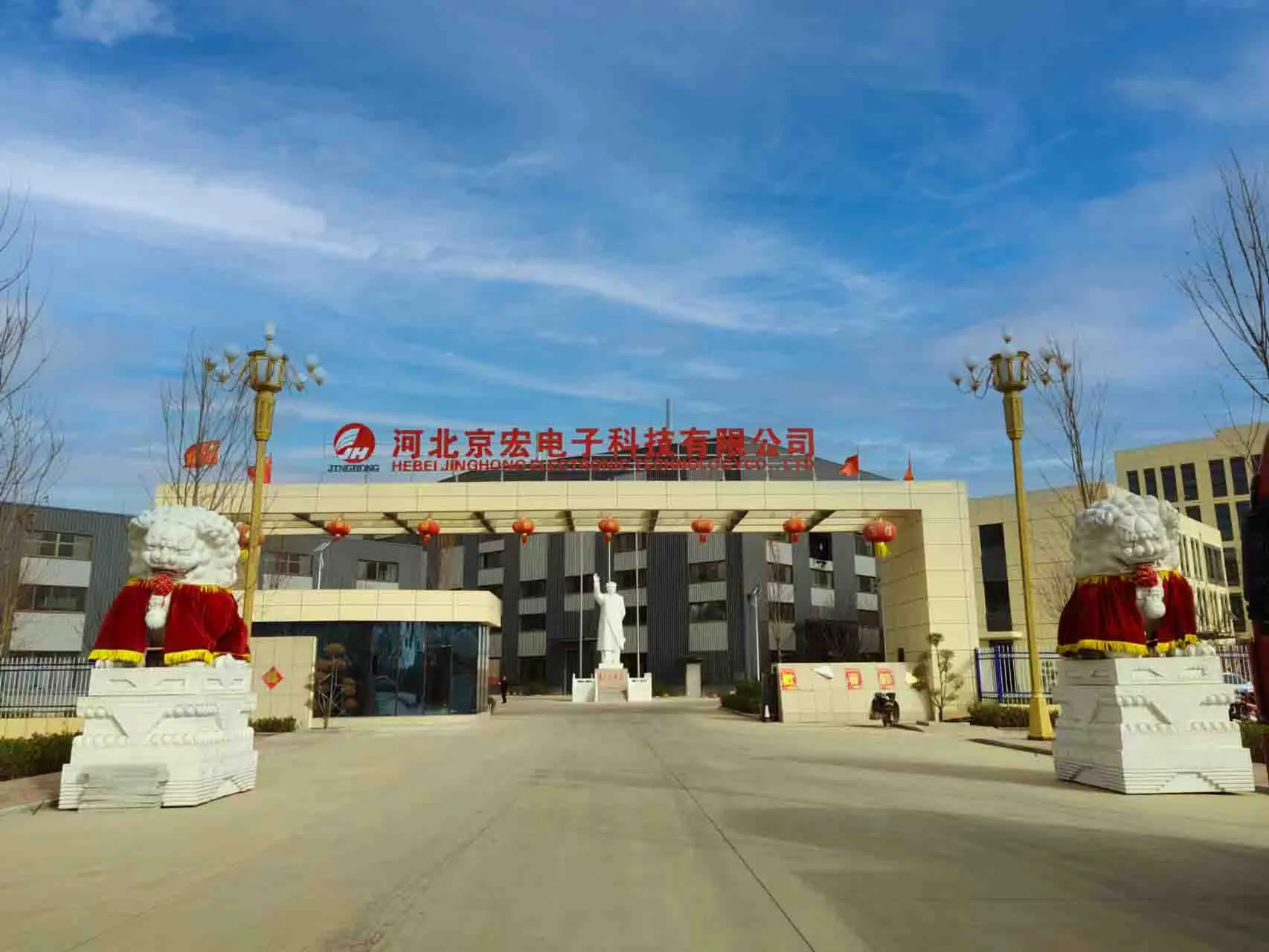
J&Q New Composite Materials Company