Why EV Battery Manufacturers Rely on FR4 Insulation Sheets?
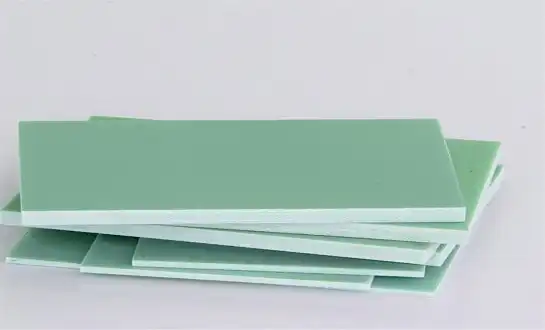
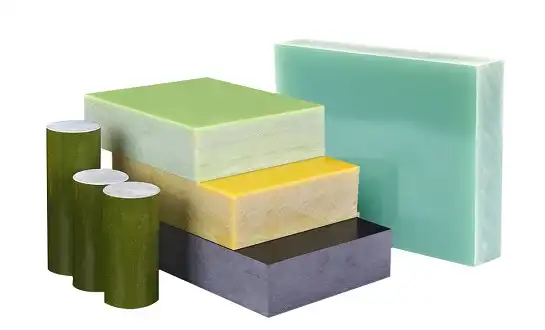
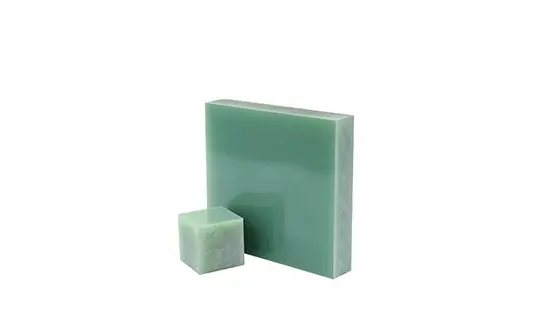
More and more, companies that make batteries for electric vehicles are relying on FR4 insulation sheet technology to meet the strict safety and performance needs of current battery systems. By mixing woven fiberglass with epoxy resin, these composite materials offer great electrical insulation qualities while staying thermally stable in harsh working conditions. FR4 sheets are essential for protecting battery cells and ensuring long-term system performance in car uses because they keep electrical problems from happening and keep heat from building up.
Understanding FR4 Insulation Sheets in EV Battery Manufacturing
Composition and Manufacturing Process
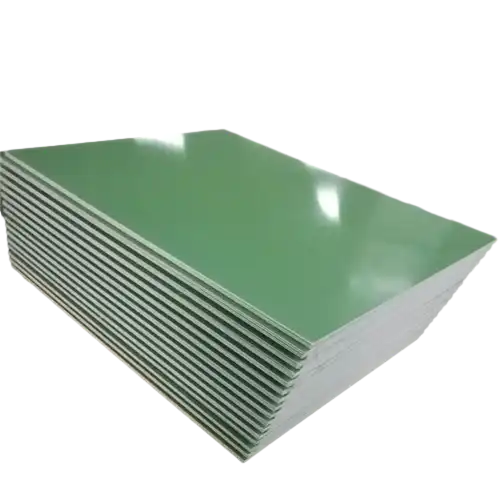
FR4 insulation materials are made of woven fiberglass cloth that has been mixed with flame-resistant epoxy glue to make a strong hybrid structure that is perfect for electrical uses. During the production process, multiple sheets of fiberglass are layered with epoxy glue under controlled temperature and pressure. This gives the material a uniform thickness and electrical properties across the whole thing.
Key Material Properties
FR4 sheets are naturally good for using in EV batteries because of their unique properties. These materials have a high dielectric strength, usually between 20 and 25 kV/mm, which keeps high-voltage parts from touching each other electrically. Temperature resistance goes from -40°C to 130°C when used continuously, meeting the needs of car battery systems that need to go through thermal cycles.
Industry Standards and Specifications
When EV battery makers choose insulation materials, they make sure they strictly follow UL94 flame protection grades and RoHS environmental standards. FR4 sheets usually meet the requirements set by IPC-4101 for electrical laminates. This makes sure that the quality and performance are the same from one source or batch to the next. With these certifications, building teams can be sure that the materials will work in important safety uses.
Why FR4 Sheets Are Preferred in EV Battery Insulation?
Thermal Management Excellence
One of the hardest parts of designing an electric vehicle is keeping the batteries from getting too hot. FR4 insulation sheets are an important part of this process. FR4's middling thermal conductivity lets heat move around safely while stopping dangerous temperature buildsup that could cause thermal runaway.
When modern battery packs are charged and discharged, they produce a lot of heat. This means that the shielding materials like FR4 insulation sheet need to be able to handle these temperatures without breaking down. Over a wide range of temperatures, FR4 sheets keep their structural stability and electrical qualities. This means that the car will always work well.
Superior Electrical Insulation Performance
Electric cars with high-voltage battery systems need very good electrical protection to keep short circuits from happening and keep passengers safe. For example, FR4 materials have great dielectric strength and stay steady in settings with changing humidity and temperature, like those found in cars.
Due to their low ability to absorb water, FR4 sheets help keep their electrical qualities stable even in wet places or while vehicles are being washed. This dependability is very important for keeping the electrical connections between battery units separate and avoiding expensive system breakdowns.
Mechanical Durability and Vibration Resistance
Insulation materials used in cars are constantly under mechanical stress from road movements and cycles of heat expansion and contraction. FR4 sheets demonstrate excellent dimensional stability and resistance to mechanical fatigue, maintaining their protective properties for long periods of time.
The combined structure of fiberglass and epoxy glue gives it great tensile strength and impact resistance. This keeps sensitive battery parts from getting damaged while the car is running normally or in the event of an accident.
Comparing FR4 Insulation Sheets to Alternative Materials for EV Batteries
Performance Comparison Analysis
When buying teams look at different insulation choices for EV batteries, they need to think about more than just the cost of the materials. Products made from FR4 insulation sheets have the best mix of electrical, thermal, and mechanical qualities that other materials have a hard time matching.
Here are the main ways that FR4 is better at its job than other insulation materials:
- Electrical Performance: FR4 has a higher electrical strength than wood boards and is less expensive than special polyimide films.
- Thermal Stability: These materials work better at high temperatures than CEM-1 materials, and their qualities stay the same across a wider range of temperatures.
- Mechanical Properties: Better resistance to impact and steadiness in shape compared to pure epoxy sheets
- Chemical Resistance: Unlike some organic options, it has great resistance to cleaning agents and car fluids.
Because of these efficiency benefits, the battery system will last longer and need less upkeep over the course of the vehicle's used life.
Cost-Effectiveness Analysis
The economic benefits of FR4 insulation sheet extend beyond simple material pricing to include lifecycle value considerations. While specialized high-temperature plastics like polyimide perform better at high temperatures, their much higher costs often can't be justified for normal EV battery uses where FR4 performance proves adequate.
Manufacturing efficiency also favors FR4 materials due to their excellent machinability and compatibility with standard fabricating tools. The ability to achieve precise tolerances through CNC cutting lets battery makers get very close tolerances, which cuts down on assembly time and makes production more efficient overall.
Procurement Guide: How to Select and Buy FR4 Insulation Sheets for EV Batteries?
Technical Specification Requirements
To successfully buy FR4 insulation sheet materials, you must first clearly define the technical requirements that are unique to your EV battery application. Some important specs are the thickness limits, the dielectric strength ratings, the performance at changing temperatures, and the flame resistance categories that meet safety standards for cars.
Based on the needs of their battery design, engineering teams should set basic performance standards for electrical breakdown voltage, heat conductivity, and mechanical strength. These requirements are the basis for programs that evaluate suppliers and make sure the quality of their work.
Supplier Evaluation and Selection
To find suitable suppliers, you need to carefully look at their manufacturing skills, quality certifications, and experience with automotive uses in the past. Suppliers with a good reputation use ISO 9001 quality control systems and often have other certifications for the car industry, such as IATF 16949.
For high-volume EV production, supply chain dependability is very important. To choose a seller, you should look at how financially stable they are and how close they are to you. Having ties with several qualified providers helps make sure that you have a steady supply during times when production is ramping up.
Order Management and Customization
When making a procurement strategy, it's important to think about lead times, minimum order amounts, and customization needs that work with production plans. A lot of sellers offer extra services that make your order more valuable, like precise cutting, custom thickness specs, and packaging that is made for automatic assembly processes.
Using bulk buying for FR4 insulation sheet can help you save a lot of money on materials while still making sure you have enough on hand to meet production needs. However, the need for storage space and the material's shelf life must be weighed against the chance to save money by buying in bulk.
Industry Applications and Case Studies: FR4 Insulation Sheets in EV Battery Systems
Real-World Implementation Examples
Leading automakers have successfully used FR4 insulation sheet technology in a number of different battery system designs, showing that it works well on a range of car models. These examples show how flexible and reliable FR4 materials can be in harsh car settings.
FR4 sheets are often used in battery pack designs to separate modules, keep heat out, and keep high-voltage parts electrically isolated from each other. The material's ability to keep its shape after being heated and cooled many times is important for the long-term efficiency of the system.
Performance Validation and Testing
Independent testing by car research institutions shows that FR4 materials work better in conditions that are similar to those of an EV battery. Accelerated aging tests show that properties don't change much after thousands of heat cycles, which backs up what car makers say about long-term dependability.
Testing the dielectric strength under high-voltage settings shows that it stays the same in a range of dampness and temperature conditions. These test results give engineers who are making safety-critical battery systems faith in their work.
Future Innovations and Trends
Ongoing progress in material science keeps improving FR4's performance for use in next-generation electric vehicles. To meet the changing needs of high-power battery systems, new resin blends make it easier for heat to move through while still providing great electrical insulation.
New developments in the manufacturing process make it possible to make thinner FR4 sheets with better surface quality. This supports the move in the industry toward smaller and lighter battery designs that don't lower safety or performance standards.
Conclusion
The fact that FR4 insulation sheets are widely used in making EV batteries shows that they can handle the tough needs of car uses. These materials have the best mix of electrical insulation, thermal management, and mechanical longevity. This makes sure that the battery works safely and reliably for the whole life of the car. As technology for electric vehicles keeps getting better, FR4 sheets will continue to be an important part of protecting important battery parts and helping the industry reach its goals for better performance and lower costs.
FAQ
What temperature range can FR4 insulation sheets withstand in EV battery applications?
FR4 insulation materials usually work well in temperatures between -40°C and 130°C when they are exposed to them all the time. They can also handle short-term exposures up to 150°C. This temperature range includes all of the normal conditions that most EV battery systems work in, such as harsh weather and high-power charging situations.
How do FR4 sheets compare to polyimide films for electrical safety?
It is true that polyimide films work better at high temperatures, but FR4 sheets are much cheaper and have better electrical safety features. FR4 materials have dielectric strengths of 20 to 25 kV/mm, which are higher than what is needed for most EV battery uses. They are also more durable mechanically than flexible polyimide options.
What are typical lead times for custom FR4 insulation sheet orders?
Standard lead times for custom FR4 orders typically range from 2 and 4 weeks, but they vary on the thickness and number needs. Established sellers who keep an eye on their stock can usually handle rush orders within 7–10 days, but they may charge more for faster handling and sending.
Partner with J&Q for Premium FR4 Insulation Sheet Solutions
J&Q blends more than 20 years of experience making shielding materials with full supply chain capabilities to support your EV battery production requirements. We have a deep knowledge of the technical requirements and quality standards needed for battery applications thanks to our many years of experience working with electrical and car makers. We offer dependable FR4 insulation sheet solutions that meet your exact needs and shipping plans thanks to our well-established supplier relationships and integrated logistics network. Our technical team can help you choose the best materials, and our buying specialists will make sure you get the best prices and that your supply chain stays up and running. Get in touch with us at info@jhd-material.com to talk about how you and a producer of FR4 insulation sheets can work together.
References
Zhang, L. et al. "Thermal Management of Electric Vehicle Battery Systems Using Advanced Insulation Materials." Journal of Power Sources, Vol. 485, 2021.
Chen, W. and Liu, M. "Electrical Insulation Performance of Composite Materials in High-Voltage Battery Applications." IEEE Transactions on Dielectrics and Electrical Insulation, Vol. 28, No. 3, 2021.
Anderson, K. P. "Material Selection Guidelines for Electric Vehicle Battery Pack Design." Automotive Engineering International, September 2022.
Rodriguez, A. et al. "Comparative Analysis of Insulation Materials for Electric Vehicle Safety Systems." SAE Technical Paper Series, 2023.
Thompson, R. J. "Flame Retardant Requirements and Testing Standards for EV Battery Components." Fire Safety Journal, Vol. 126, 2021.
Kumar, S. and Williams, D. "Cost-Effective Insulation Solutions for Mass Production Electric Vehicle Batteries." International Journal of Automotive Technology, Vol. 24, No. 2, 2023.

Get a complete product list and quotation
J&Q New Composite Materials Company