Standard Sizes vs. Cut-to-Size: Buying G10 Fiberglass Plates
When looking for industrial materials for mechanical and electrical uses, the choice between normal and cut-to-size G10 fiberglass plate has a big effect on the success, cost, and time frame of your project. Because it is so strong and good at insulating electricity, this high-performance epoxy laminate material is important for making electronics, power systems, and precision machinery. When procurement workers know the pros and cons of each size choice, they can make decisions that are better for both cost-effectiveness and operational performance in a wide range of workplace settings.
Understanding G10 Fiberglass Plates: Material Basics for Procurement Success
G10 fiberglass plates are a complex type of high-pressure epoxy laminate materials that are now essential in many industrial settings. When it comes to electrical protection, mechanical strength, and chemical resistance, these composite materials are the best. This makes them perfect for tough conditions in many fields.
Composition and Manufacturing Excellence
To make G10 materials, layers of fiberglass cloth that have been fully soaked with epoxy glue are carefully put together. This multi-layered structure cures under carefully controlled heat and pressure, making a strong composite material that is very consistent. As a result, the material is very strong and doesn't change shape or size even when temperatures and mechanical stress are very high or very low.
Application-Specific Performance Characteristics
Engineers and procurement experts like G10 materials because they work reliably in fields like aircraft, electronics manufacturing, and advanced robots systems. The material is necessary for important applications where failure is not a choice because it can keep its electrical and mechanical properties even when it is being used continuously. Knowing these basic traits helps procurement teams decide if a material is right for their needs and make sure it will last for a long time in their unique working settings.
Standard Sizes of G10 Fiberglass Plates: Pros and Cons for Bulk Buyers
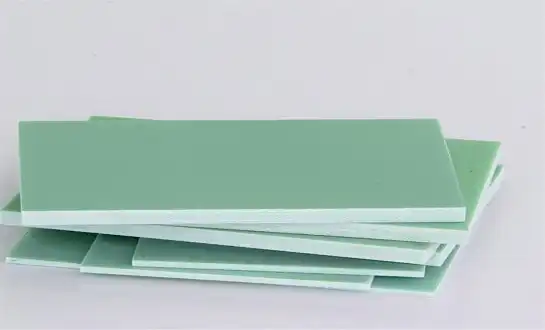
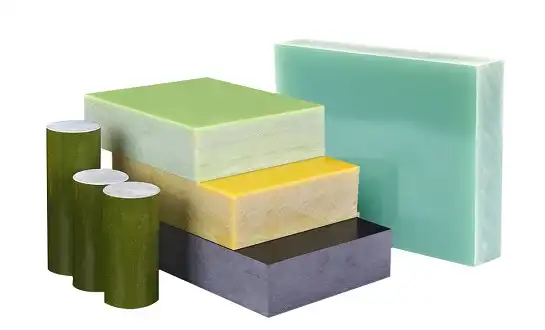
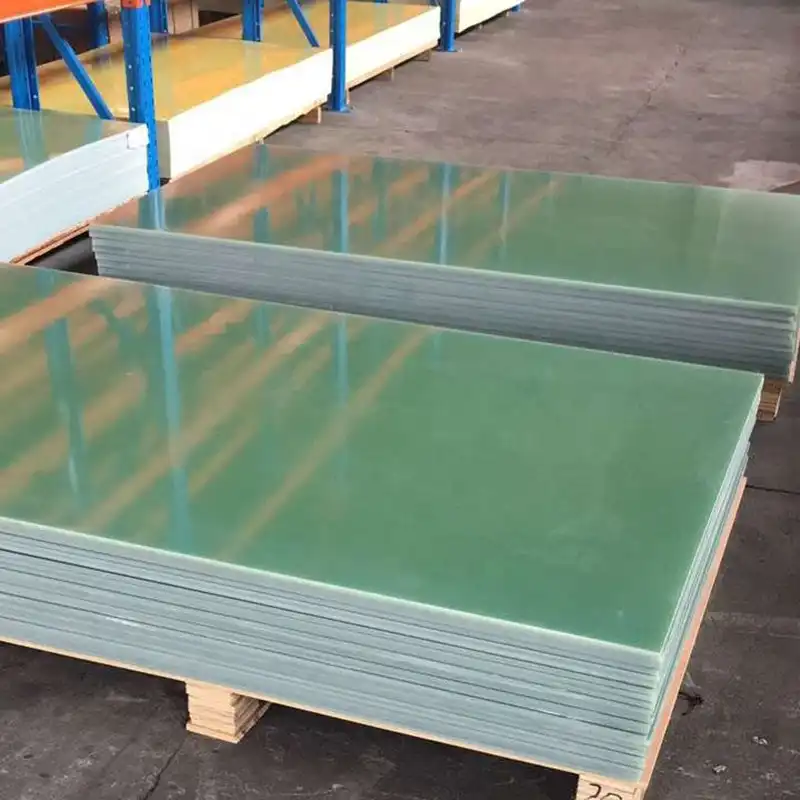
To meet the needs of high-volume manufacturing, standard G10 plates come in standard sizes and thickness ranges, which are usually between 0.8 mm and 20 mm. They also come in big sheet forms. This method to standards has big benefits for buying in bulk, but it also has some problems that buyers need to think about carefully.
Cost Efficiency and Availability Advantages
The primary benefits of standard sizing for G10 fiberglass plate include predictable pricing structures and dramatically reduced lead times that simplify inventory management for large-scale operations. Manufacturers working with high-volume production runs find these standardized dimensions particularly valuable because they can establish consistent supply chains and maintain steady material flows without the complexity of custom specifications.
Here are the core advantages of standard sizing for industrial buyers:
- Lower unit prices because of economies of scale and easier production methods.
- Faster shipping times and supplies that are often available from stock inventory systems
- Made it easier to buy things by setting prices and making buying easy
- Made sure quality is always high by following standard methods for manufacturing and testing
These advantages make it easier to plan production by making sure that materials are always available and that costs are known ahead of time. Standard sizes do have some limits, though, that buying teams must weigh against the needs of their own projects.
Material Waste and Flexibility Considerations
Standard sizes have set measurements that can lead to a lot of wasted material when projects need custom forms, smaller parts, or special geometries. This waste affects both project funds and goals that many groups have for protecting the environment. Also, normal plates might not be able to fit special parts that need to be precisely sized or have specific shapes that make the assembly process and end product work better.
Cut-to-Size G10 Fiberglass Plates: Tailored Solutions for Precision Needs
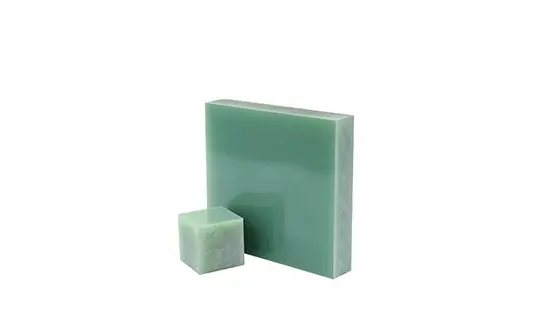
Custom cutting services offer G10 fiberglass plate solutions that are perfectly matched to the needs of each project. This gives you a lot of options for complicated uses while reducing waste and improving the overall efficiency of your design. This method works especially well for projects that have strict physical standards or need custom-designed parts.
Advanced Customization Capabilities
Modern methods for cutting and machining make it possible to make complicated geometries, drill holes, and shapes without damaging the basic structure of the material, which is what makes G10 materials so valuable. These advanced processing skills make sure that the edges are clean and that important electrical and mechanical qualities are kept, which are still needed for sensitive industrial uses in many areas.
Performance Benefits and Strategic Value
While cut-to-size options may have longer wait times and higher per-unit costs than standard options, they offer great value because they simplify assembly processes and drastically cut down on material waste. These custom solutions actively encourage new ideas in aerospace uses, advanced robotics systems, and specialized electronics manufacturing, all of which need exact specs to be completed successfully.
The strategic value of custom size for G10 fiberglass plate is especially clear in situations where the part needs to fit perfectly, have a unique fitting arrangement, or be integrated with complicated mechanical parts that need exact control over dimensions.
Comparing Standard vs. Cut-to-Size G10 Fiberglass Plates: Decision Criteria for Buyers
To choose between standard and cut-to-size choices, you need to carefully think about a lot of things, such as how much they will cost, how well they will work, and how the whole supply chain will affect project timelines and working efficiency.
Cost and Performance Analysis
Standard plates always have lower unit prices and faster material access, which makes them perfect for situations where a lot of things need to be made and the geometric requirements aren't too complicated. These choices work really well in situations where standard sizes can be used effectively without a lot of waste or trouble with building.
Custom-cut plates may have higher starting costs and require more complex logistics planning, but they use materials more efficiently and fit perfectly, which improves total performance while lowering waste. The extra cost is usually worth it because it cuts down on assembly time, gets rid of the need for extra cutting, and makes the end product better.
Operational Impact Evaluation
Buyers need to carefully consider how changing the size affects both the mechanical strength and the electrical features to make sure it fits their needs. Cutting, finishing the edges, and changing the shape of a material can change its features, which could affect how well it works in important situations.
Supply chain reliability, shipping logistics, and wait time management for G10 fiberglass plate have a big impact on buying strategy and directly affect the success of project completion in a wide range of industries. Knowing these effects on operations helps buying teams make choices that meet both short-term needs and long-term business goals.
How to Select the Best G10 Fiberglass Plate Supplier for Your Business?
To find a trustworthy provider, you need to look at their qualifications, manufacturing skills, and business practices, as these all have a direct effect on the quality of the materials and the success of the project. The process of choosing a source has a big effect on how well operations run and how well projects turn out in the long run.
Certification and Quality Standards
Industry certifications like ISO quality control systems and RoHS compliance paperwork make sure that all foreign markets get the same high-quality products that follow the rules. These certifications are very important for making sure that materials meet strict industry standards and government rules that guide industrial uses.
OEM production skills and a written pledge to sustainable manufacturing practices show how sophisticated and reliable the supplier is in terms of operations. Clear wait times, thorough quality control systems, and thorough recording systems make sure that products are always available and that all new industry standards are met.
Support Services and Global Capabilities
For complicated, high-stakes projects where material performance directly affects operating success, full after-sales support is essential. This includes expert advice and help with fixing problems. Suppliers that offer global shipping and custom delivery solutions make it easier for international transactions to go smoothly, which is still very important for worldwide buying operations.
Businesses can safely get approved, high-performance G10 fiberglass plate materials through relationships they can trust. This supports long-term operational success and ongoing innovation across a wide range of industrial uses. These connections are important and have a lot more value than just buying and selling things.
Conclusion
When deciding between standard and cut-to-size G10 fiberglass plate options, you need to weigh the cost-effectiveness of each choice against the need for precision, as well as the operating effects over the long term. Standard sizes work best for high-volume tasks where cost control and quick access are very important. Custom cutting, on the other hand, makes better use of materials and meets exact requirements for complicated projects. To make sure you get the best performance and value for your money, you need to look at what the provider can do, know about the material's features, and make sure that the size choices you make are in line with the needs of the application.
FAQ
What thickness options are available for G10 fiberglass plates?
For normal sizes, G10 fiberglass plate materials come in thicknesses ranging from 0.8mm to 20mm. Custom thicknesses can be made using special manufacturing methods. The choice of thickness has a big effect on both the performance of the electrical insulation and the mechanical strength of the material. This means that application-specific needs and operating conditions must be carefully considered.
How do cut-to-size G10 plates maintain quality standards?
Precision machining and advanced cutting technologies make sure that the electrical and mechanical qualities of custom-sized plates stay the same during the whole manufacturing process. Quality control measures include edge finishing, measurement verification, and electrical testing to confirm that modified materials continue to meet industry standards and performance requirements.
What are the cost differences between standard and custom sizing?
Standard sizes typically offer 20–30% lower per-unit costs compared to cut-to-size options, but the exact savings rely on how well the materials are used and how much waste is avoided. Custom sizing may involve higher initial costs but often provides overall value through reduced waste, simplified assembly, and elimination of secondary machining operations.
Partner with J&Q for Your G10 Fiberglass Plate Requirements
J&Q has been a great manufacturer for over 20 years and has been dealing internationally for 10 years. They can meet your G10 fiberglass plate supplier needs, whether you need standard sizes or options that are cut precisely to your specifications. For your important projects, our thorough quality systems and in-house operations make sure that deliveries happen on time and materials work the same way every time. Please email our technical team at info@jhd-material.com to talk about your specific needs and find out how our many years of knowledge and one-stop service can help you get the approved, high-performance materials your projects need while also saving you time and money.
References
American Society for Testing and Materials. "Standard Test Methods for Electrical Insulating Materials: Dielectric Strength and Electrical Properties." ASTM International Standards Publication, 2023.
Institute of Electrical and Electronics Engineers. "Guidelines for High-Performance Composite Materials in Electrical Applications." IEEE Standards Association Technical Report, 2022.
International Electrotechnical Commission. "Insulating Materials: Classification and Performance Requirements for Industrial Applications." IEC Technical Specification Document, 2023.
National Electrical Manufacturers Association. "Composite Laminate Materials for Electrical and Electronic Equipment." NEMA Standards Publication, 2022.
Society of Plastics Engineers. "Thermoset Composites in Industrial Manufacturing: Processing and Performance Characteristics." SPE Technical Conference Proceedings, 2023.
Composite Materials Handbook. "Epoxy Glass Laminates: Properties, Applications and Manufacturing Guidelines." Industrial Materials Reference Guide, Fourth Edition, 2022.

Get a complete product list and quotation

J&Q New Composite Materials Company