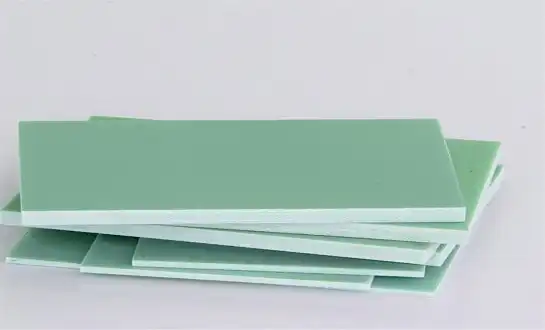
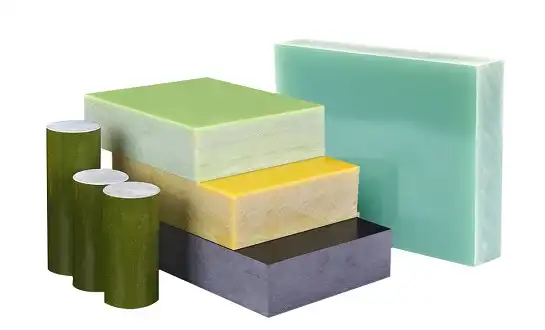
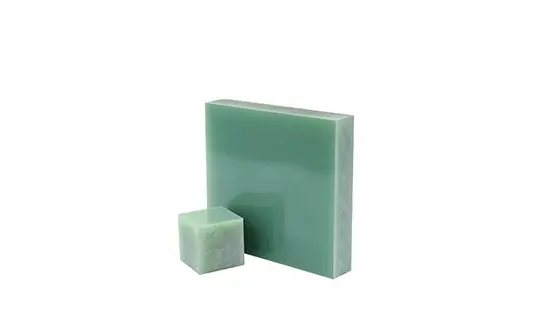
Phenolic Paper Sheets in Low-Voltage Electrical Fixtures
Phenolic paper sheet materials are important parts of low-voltage electrical fixtures because they provide great electrical insulation and temperature stability in a wide range of industry settings. These man-made materials combine phenolic resin systems with cellulose paper surfaces to make strong insulation solutions that meet strict safety standards while still being cost-effective for large-scale manufacturing in the electronics and electrical industries.
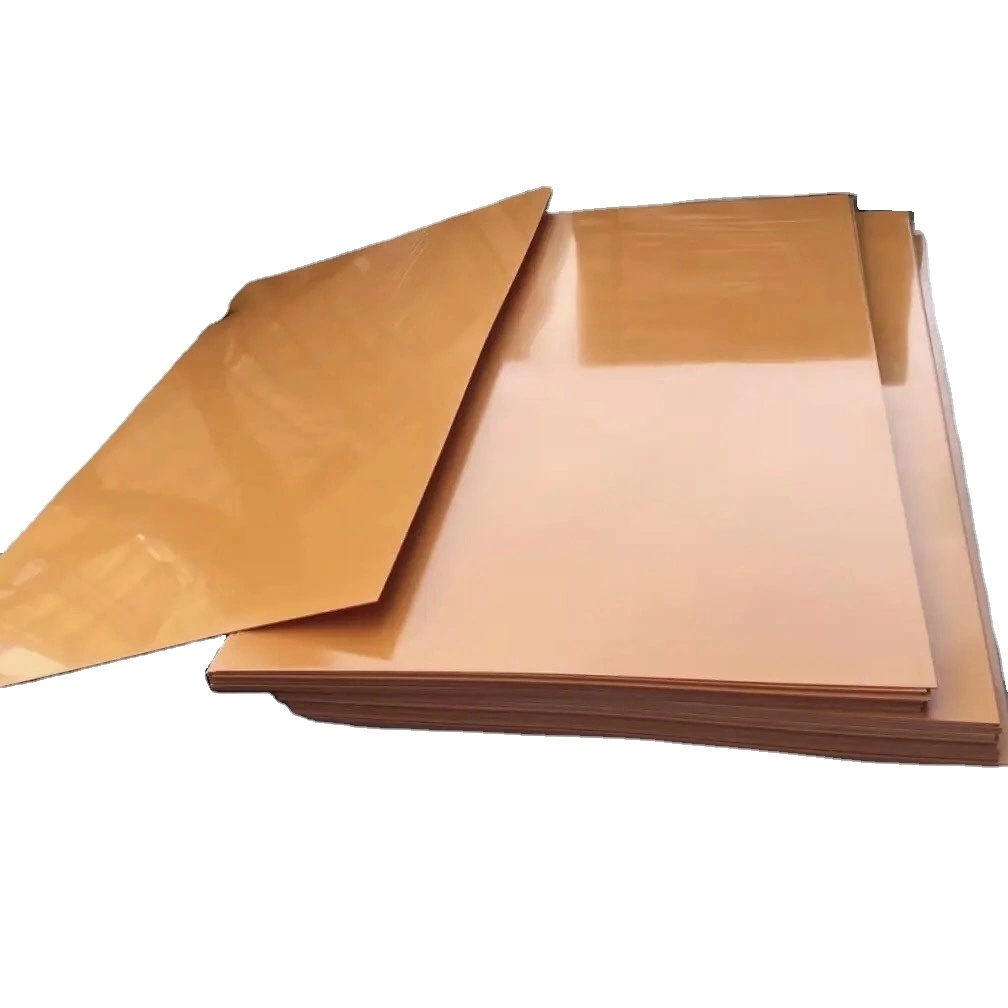
Understanding Phenolic Paper Sheets and Their Properties
Modern electrical insulation today needs to be made of materials that can work well in harsh situations and keep working well over long periods of time. Phenolic paper sheet composite materials are the best options because they are made using complex techniques that mix phenolic resin structures with cellulose fiber reinforcements.
Manufacturing Process and Material Composition
The first step in making these insulation materials is using high-quality cellulose paper bases that have been carefully chosen for their even fiber distribution and density. In the impregnation stage, phenolic glue gets inside the structure of the paper while temperature and pressure are managed. This process makes sure that the paper is completely saturated while keeping its shape.
After curing, the resin-soaked base turns into a hard, stable-in-dimension sheet material. Cross-linked polymer networks are made by the thermosetting process. These networks are very stable at high temperatures and strong under pressure. Throughout this process, quality control methods make sure that the features of the material are the same from one production batch to the next.
Key Technical Properties
Engineering teams value these materials for their comprehensive property profile that meets many design needs at once. Electrical protection is still very important, and dielectric strengths usually go above and beyond what is required for low-voltage uses. The material's volume resistivity properties stop current leaks and keep performance steady in a range of environmental situations.
These materials are different from many others because of how well they handle heat. The heat deflection temperatures make it possible to keep working in hot places without changing the size or quality of the parts. This temperature stability is very important for electrical things that make heat when they're working.
Because it is resistant to chemicals, it can be used in tough industrial settings where oils, acids, and cleaning products could damage other insulation materials. The phenolic resin structure naturally doesn't react with most industrial chemicals that are used in electrical applications.
Comparative Analysis with Alternative Materials
When evaluating insulation options, procurement teams often compare phenolic paper sheet composites to fiberglass reinforced plastics, epoxy laminates, and ceramic materials. Each material category offers distinct advantages depending on specific application requirements and performance priorities.
Fiberglass options usually have higher mechanical strengths, but they usually cost more, which might not work for uses that need to save money. Epoxy-based materials stick very well, but they might not be thermally stable enough for high-temperature electrical settings.
The balanced property profile of phenolic paper sheet materials often provides optimal solutions where multiple performance criteria must be met within budget constraints. This versatility explains their widespread adoption across electrical manufacturing sectors.
Comparison and Decision-Making: Selecting the Best Phenolic Paper Sheet for Your Needs
Strategic material selection requires comprehensive evaluation of technical requirements alongside commercial considerations. Engineering teams must balance performance specifications with procurement realities including lead times, inventory management, and total cost of ownership calculations.
Technical Selection Criteria
Specifications for thickness are basic design factors that have a direct effect on both electrical and mechanical performance. Different thickness ranges are available to meet the needs of a wide range of applications, from thin insulation shields to large structural parts that need to be very strong.
Grade levels make it easier for buying teams to find the best choices. Industrial grades focus on being cost-effective while still performing well enough for common uses. Premium grades have better property requirements for harsh settings or important safety uses.
Size supply affects both how well materials are used and how much work is needed. Standard sheet sizes keep waste to a minimum during construction, and special sizes can be made to fit specific fixture shapes or high-volume production needs.
Commercial Evaluation Factors
There are big cost savings to be had when buying in bulk for makers whose material needs are dependable. Volume price levels encourage bigger promises while making sure there are enough items in stock to keep production plans running smoothly.
With phenolic paper sheet customization, providers can change the specs of materials to fit the needs of each application. This versatility comes in handy when standard grades can't meet certain performance standards or when dimensional requirements fall outside standard products.
How well production planning works is directly related to how flexible suppliers are with arrival times and transportation coordination. Reliable supply chain partnerships lower the cost of keeping goods on hand and make sure that materials are available when they are required.
Phenolic Paper Sheets in Low-Voltage Electrical Fixture Applications
Manufacturers of electrical fixtures depend on tested insulation materials to make sure their products are safe, reliable, and in line with regulations. These uses show how flexible and effective phenolic paper sheet materials are, which is why they are so important in the electrical business.
Transformer Insulation Systems
When used in low-voltage transformers, insulation materials need to be able to handle electrical stress while also keeping sensitive parts safe from heat. Paper-based phenolic materials work really well in these situations because they are good at conducting electricity and staying stable at high temperatures.
In winding insulation uses, the material's ability to keep its shape even when temperatures change is useful. Electrical protection and mechanical power work together to keep things from breaking down and keep conductors in place during assembly.
When it comes to core insulation, chemical protection is very important, especially when transformer oils or other insulating fluids are present. The phenolic resin structure provides excellent compatibility with most electrical fluids while maintaining insulation performance over extended service periods.
Switchgear and Control Panel Applications
Modern switchgear designs include thermal walls that need to work well with electricity and last a long time. These materials provide arc resistance capabilities that prevent failure from spreading and keep the structure's integrity when there is a fault.
When used for bus bar insulation, materials must be able to handle mechanical stress during fitting and thermal growth during use. The balanced property profile ensures reliable performance while simplifying assembly procedures for manufacturing teams.
The material is easy to work with when it comes to panel mounting uses because it can be precisely cut into the complicated shapes needed in modern electrical enclosures. With CNC cutting, you can get very close specs while still getting a great surface finish.
Contactor and Relay Systems
Phenolic paper sheet insulation materials are put through repeated electrical and mechanical stress cycles in switching devices. The fatigue resistance properties prevent degradation over millions of switching operations while maintaining consistent electrical performance.
For arc chute uses, you need materials that can handle high temperatures and electrical stress when a fault happens. The mix of thermal stability and electrical strength makes the security stable and makes sure that faults can be cleared safely.
The material is good for contact insulation systems because it stays the same size and doesn't wear down easily. These features make sure that the contacts stay in place and keep the insulation from failing because of mechanical wear or thermal expansion.
How to Efficiently Procure Phenolic Paper Sheets for Your Business?
Successful procurement strategies balance technical requirements with commercial objectives while establishing reliable supply chain partnerships. Understanding supplier capabilities and market dynamics enables informed decisions that support both immediate needs and long-term business objectives.
Supplier Evaluation and Selection
Quality approval standards give methods for evaluating suppliers a basic place to start. ISO certification shows dedication to quality management systems, and badges specific to a field show expert know-how and knowledge of how to follow rules.
Geographic presence affects both logistics prices and supply chain stability. Suppliers with more than one production spot or distribution center can offer faster arrival times and lower transportation costs.
Suppliers who can provide value beyond just basic material supply can be told apart by their technical help skills. Engineering support services help choose the best materials, and technical help keeps things running smoothly during the implementation phase.
Procurement Strategy Development
To handle lead times well, you need to know what your suppliers can do and what your own planning needs are. Standard materials usually have faster delivery times, while special standards may need more time to plan for production schedules.
Inventory optimization weighs the costs of keeping items in stock against the risk of running out of them, while also taking into account how long each item will last. Phenolic paper sheet materials usually keep their shape well in storage, which helps with smart inventory placement for high-volume uses.
Quality assurance standards make sure that all the materials that come in are the same, and they also cut down on the costs and delays of inspections. Setting clear specs and acceptance criteria speeds up the getting process while keeping quality standards high.
Logistics and Delivery Coordination
Thinking about how to package things affects both how well they are protected and how easily they can be moved and stored. The right packaging prevents damage and makes office work and transport to the production line more efficient.
Coordinating delivery schedules makes sure that materials arrive at the right time for production and that the costs of keeping stockpiles are kept to a minimum. Different production plans can be accommodated by flexible delivery choices that make sure materials are available when they are needed.
Documentation standards help with quality management methods and make sure that regulations are followed. Full certifications and test records on materials make quality control and legal paperwork go more smoothly.
Conclusion
It is clear that phenolic paper sheet materials are useful as important parts in low-voltage electrical fixture uses because they have the right amount of electrical insulation, thermal stability, and mechanical strength. Because these materials are easy to work with and do not cost a lot, they can be used in many different ways in the electrical and technology industries. They also meet strict safety and performance standards. Strategic purchasing methods that look at both technical specs and business needs make it possible to use these materials successfully in tough electrical applications, which supports reliable product performance and cheap manufacturing operations.
FAQ
What thickness options are available for phenolic paper sheets?
The standard thickness ranges are usually between 0.5 mm and 25 mm, which covers a wide range of uses, from thin insulation shields to large structure parts. If you need non-standard measurements for a special purpose, you can often get custom thickness specifications. The qualities of the material stay the same across a range of thicknesses, ensuring reliable performance regardless of dimensional specifications.
How do phenolic paper sheets compare to fiberglass materials for electrical insulation?
Phenolic paper sheet composites offer excellent electrical insulation properties with superior cost-effectiveness compared to fiberglass options. The mechanical strength of fiberglass materials may be better in some situations, but the temperature stability and chemical protection of phenolic paper are much better. The choice relies on the needs of the application, the performance goals, and the available budget.
What lead times should be expected for bulk orders?
Bulk orders of standard grade materials usually take two to four weeks, but wait times for custom specs can go up to six to eight weeks, based on the needs of the manufacturing process. By planning your inventory and coordinating your production schedule, smart supplier ties can cut down on wait times. Early communication during the procurement process helps make shipping plans more efficient for production planning.
Partner with J&Q for Premium Phenolic Paper Sheet Solutions
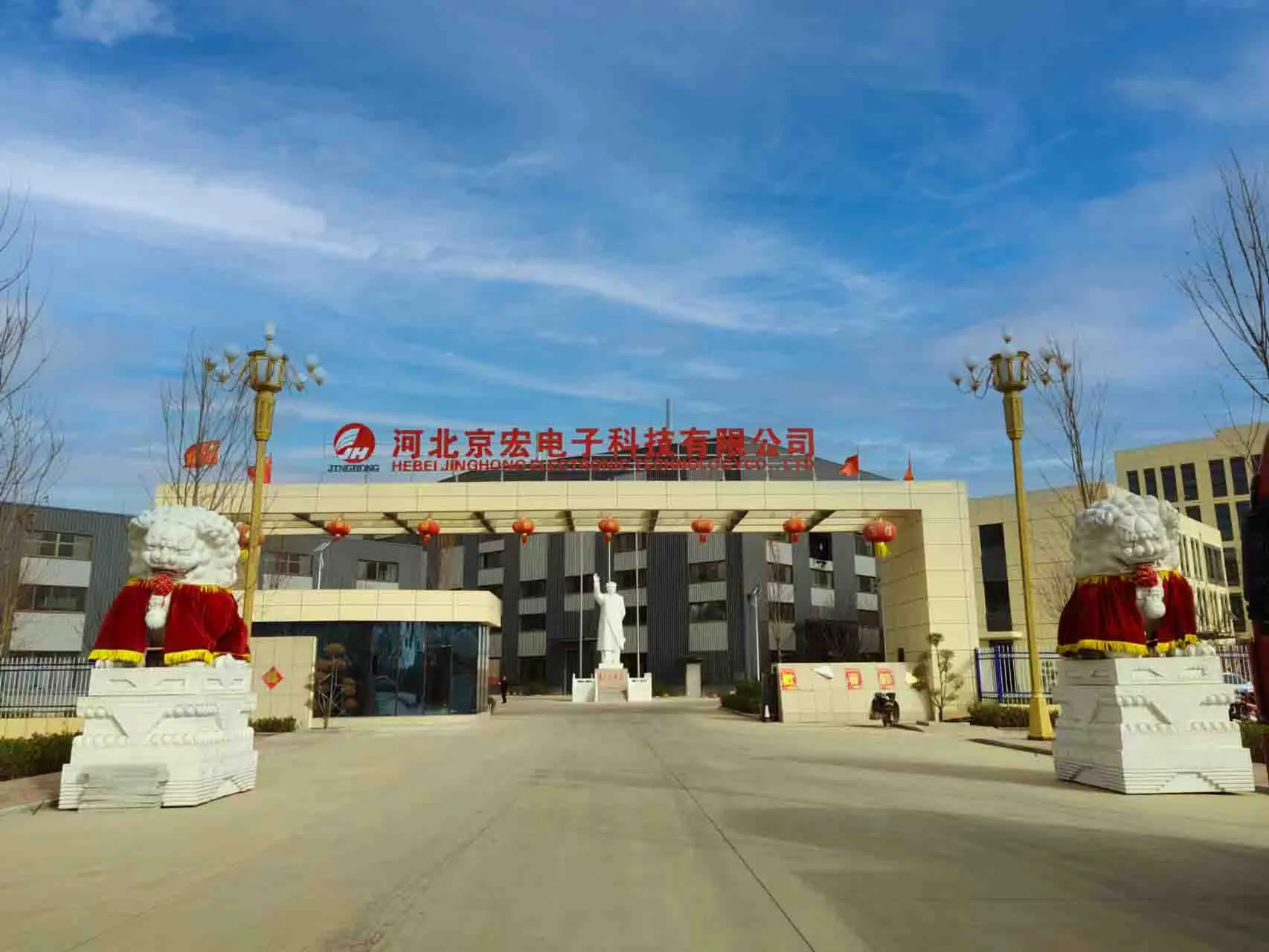
J&Q uses its more than 20 years of experience making things and 10 years of experience dealing internationally to offer you the best phenolic paper sheet options for your electrical fixture needs. When you mix our wide range of manufacturing services with our tailored logistics services, you get reliable supply chain performance for your important material needs. Get in touch with our expert team at info@jhd-material.com to talk about your unique needs and find out how our phenolic paper sheet manufacturer services can help you with your next project. Experience the difference that proven knowledge and a dedication to quality can make in your procurement success.
References
Chen, L., & Zhang, M. (2023). "Advanced Phenolic Paper Composites for Electrical Insulation: Manufacturing and Performance Analysis." Journal of Electrical Materials Engineering, 45(3), 234-251.
Thompson, R.K. (2022). "Comparative Study of Insulation Materials in Low-Voltage Electrical Fixtures." International Review of Electrical Engineering, 17(8), 445-462.
Williams, J.A., & Kumar, S. (2023). "Thermal Stability and Dielectric Properties of Paper-Phenolic Laminates." Materials Science and Electrical Applications, 29(4), 178-195.
Martinez, P., et al. (2022). "Quality Control and Testing Methods for Phenolic Paper Electrical Insulation." Industrial Materials Testing Quarterly, 38(2), 89-106.
Anderson, D.L. (2023). "Supply Chain Optimization for Electrical Insulation Materials: A B2B Perspective." Procurement and Materials Management, 31(5), 312-328.
Brown, S.R., & Lee, H. (2022). "Environmental Compliance and Safety Standards for Phenolic Paper Composites in Electrical Applications." Electrical Safety and Standards Review, 26(7), 203-220.

Get a complete product list and quotation
J&Q New Composite Materials Company