UL94 V-0 Flammability Rating Explained for FR4 Epoxy Sheets
The UL94 V-0 flammability grade is the highest level of flame resistance for electrical insulation materials. This makes it necessary for businesses that need the best fire safety performance. This approval is given to FR4 epoxy sheet materials after they pass strict tests that check their ability to put out fires on their own, stop flames from spreading, and stop them from dripping. Knowing these standards helps people who work in buying choose the right materials for mission-critical uses in electronics manufacturing, where fire safety must never be compromised.
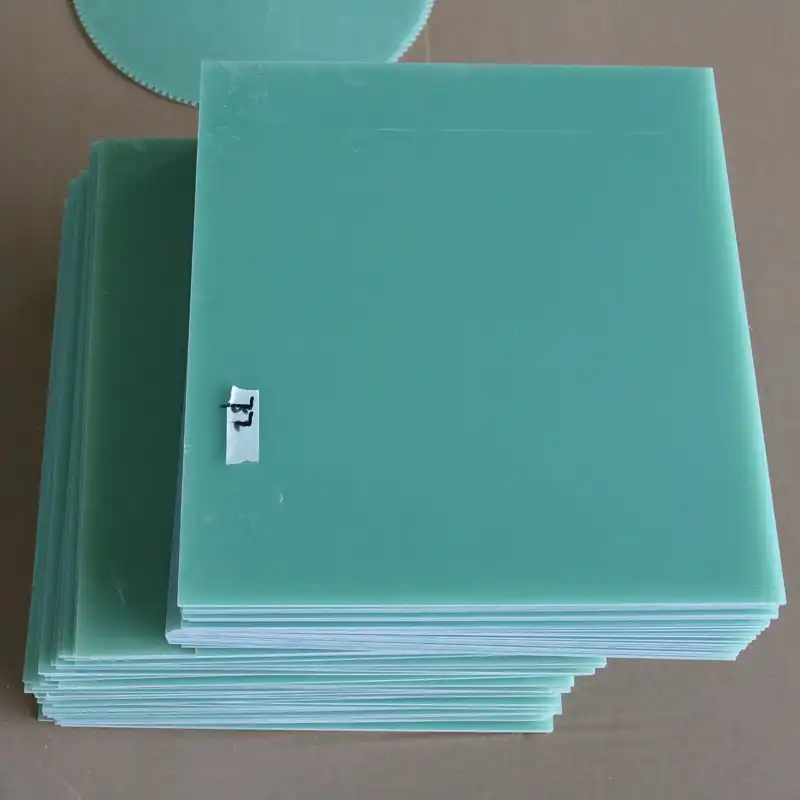
Understanding UL94 V-0 and Its Importance for Electrical Insulation Materials
The Foundation of UL94 Testing Standards
Underwriters Laboratories created the UL94 standard, which sets out detailed testing procedures for plastics used in electrical tools and gadgets. This uniform technique makes sure that testing methods are the same for all makers and types of materials, giving accurate standards for how well fire safety measures are working.
Within the UL94 vertical burning test set, the V-0 rating is the strictest level. To get this grade, materials must have exceptional flame protection properties that go beyond what is required by industry standards. Samples are put through controlled flame conditions and certain reaction factors are measured in a lab setting as part of the testing process.
Critical Requirements for V-0 Certification
Materials that want to be V-0 certified must meet a number of performance requirements at the same time. The test animal can't hold a flame for more than 10 seconds after the flame source is taken away. This makes sure that the flame quickly goes out on its own. In addition, the total flame time for repeated test exposures can't be more than 50 seconds. This keeps the affects of cumulative burning from happening.
The most important thing is that V-0 materials can't make flaming particles or drops that light cotton that is put under the test specimen on fire. In order to keep possible ignition sources inside electrical circuits, this rule stops fires from spreading to nearby parts or materials.
Industry Applications Requiring V-0 Performance
Electronics manufacturing relies on V-0 grade materials for PCB boards, which are more likely to catch fire because of the number of circuits and how close the components are to each other. In switchgear systems, transformer housings, and control panels, where electrical arcing is a constant risk of starting a fire, these materials are used in power distribution equipment.
More and more, V-0 materials are being asked for in battery management systems, charge infrastructure, and power conversion units used in automotive electronics. Because cars have tight spaces and high-energy electrical systems, they need materials that can limit possible fire sources and stop them from spreading to the fuel systems or passenger compartments.
What Is the UL94 V-0 Flammability Rating and How Does It Apply to Flame-Resistant Laminates?
Testing Methodology and Evaluation Criteria
In the UL94 vertical burning test for FR4 epoxy sheet, a Bunsen burner with certain flame features is used to expose material samples to a standard flame. The test models are 125 mm long, 13 mm wide, and have a thickness that stays between 0.75 mm and 13 mm, based on the needs of the application.
During the test, the flame source is placed on the bottom part of the specimen that is hung vertically for 10 seconds. It is then taken off to be looked at. The process is repeated with a second 10-second contact to see how the material reacts to more than one firing event. Trained experts write down the length of the flame, how it drips, and any features of continuous combustion.
Distinguishing V-0 from V-1 and V-2 Classifications
The V-1 rating lets the flame last for up to 30 seconds after the flame source is turned off. This is a lower performance level than the V-0 rating. Even though V-1 materials still don't allow flaming drips, the longer burning time may make them less safe in situations with a lot of parts or limited room.
These materials are not ideal for important electrical uses because their V-2 classification allows both long flame duration and restricted flaming drips. When there are flaming bits in electronic systems with many working parts close together, there is a big chance that the fire will spread.
FR4 Epoxy Sheet Compliance with V-0 Standards
It is possible for glass fiber reinforced epoxy laminates to meet V-0 standards by carefully engineering resin mixtures that include flame resistant additives. These chemical compounds stop chain reactions that cause combustion. This stops the fire from going on for a long time and slows down the rate at which heat is released.
The woven glass cloth support keeps the structure stable when it's exposed to flames, which stops material degradation that could hurt the flame resistance. Because of the flame suppressant chemicals and strengthening structure, the V-0 performance stays the same across a wide range of thicknesses and temperatures.
Key Properties of Fiberglass Epoxy Laminates that Contribute to UL94 V-0 Performance
Material Composition and Flame Retardancy Mechanisms
Flame-retardant compounds that are brominated or phosphorus-based are mixed into the epoxy resin matrix. These compounds come into action when exposed to high temperatures. These additives make protective char layers on the surfaces of materials. These layers create thermal shields that stop air from getting to the materials below.
Woven fiberglass support for FR4 epoxy sheet keeps its shape when exposed to heat, so the material doesn't change shape in a way that could make the flame shield less effective. The glass strands naturally can't catch fire, which makes for a stable structure that keeps the material flame-resistant throughout its thickness.
Electrical Insulation Characteristics Under Thermal Stress
The dielectric strength traits stay the same across the temperature range that was tested for UL94, which means that the electrical protection will continue to work in case of a fire. This feature stops electrical breakdowns that could keep lighting sources going or open up new ways for fires to spread.
Even after being exposed to flame, volume resistivity stays high. This stops current leakage that could weaken circuit safety devices in an emergency. The mix of electrical performance and thermal stability makes sure that safety systems work reliably when fire control is needed.
Thermal Resistance and Temperature Stability
FR4 epoxy sheet materials have glass transition temperatures higher than 130°C, which is a good thermal margin above usual working conditions. This temperature stability keeps the material from breaking too quickly, which could hurt its flame resistance or accuracy in measurements during thermal cycles.
Continuous working temperatures can hit 130°C to 155°C, but this depends on the type of resin used and the specs of the glass fabric. These temperature ranges ensure stable performance in situations where the outdoor temperature is high or where heat is generated by nearby components.
Comparing Electrical Grade Laminates with Other Materials Regarding Flammability and Performance
Performance Comparison with Alternative Substrate Materials
Paper-based reinforcements are used in CEM-1 composite materials, which make them less resistant to fire than all-glass cloth construction. Even though CEM-1 materials can get V-1 grades, the organic reinforcement limits their ability to perform at V-0 levels and makes them less stable at high temperatures in harsh circumstances.
G10 laminates are made with a similar glass cloth reinforcement, but they use different epoxy resin systems that might not have the best flame retardant products. Because of this, the flammability performance changes a lot between manufacturers and grade standards, so UL94 compliance needs to be carefully checked.
Because of the way the resins are made, phenolic laminates are very resistant to flames, but they don't have the electrical qualities needed for high-frequency uses like an FR4 epoxy sheet. Because flame performance and electrical properties are two sides of the same coin, phenolic materials can only be used in certain situations where electrical needs aren't too strict.
Mechanical Durability and Thermal Cycling Performance
Glass fabric reinforced epoxy materials keep their mechanical qualities better than paper-based options even after being heated and cooled many times. Dimensional stability stops delamination or cracks that could weaken flame resistance or make ways for sparks to start in electrical circuits.
The material's ability to keep its flexural strength after being heated up and cooled down goes beyond what is needed for most structural uses. This makes it reliable in harsh mechanical conditions for a long time. This feature of longevity lowers the need for upkeep and increases the time between service intervals for equipment that works in harsh circumstances.
Cost-Performance Balance Considerations
While FR4 epoxy sheet materials are more expensive than lower-grade options, the better safety performance often makes the extra cost worth it in important situations. Insurance requirements, following the rules, and worries about risk often push people toward higher-quality products, even if they cost more at first.
Total cost of ownership estimates need to take into account the costs of failure, how often the parts need to be replaced, and the cost of making sure they are compliant. Because of these things, V-0 rated materials often make good economic sense in situations where fire safety can't be ignored.
Procurement Considerations for UL94 V-0 Certified Electrical Laminates
Supplier Verification and Quality Assurance
Reliable makers keep UL recognition for certain types of materials and thickness ranges, showing that they meet V-0 standards. Before making a final purchase choice, procurement teams should check current UL file numbers and make sure that material specs meet the needs of the planned application.
Certification for quality management systems, like ISO 9001, means that the process is controlled and documented in a way that is aligned with the material's features. These certificates give you even more confidence that the materials you use will meet certain performance standards during production runs.
Shipments of FR4 epoxy sheet materials should include a certificate of compliance document that links them to specific production lots and test findings. This paperwork makes quality checks possible and shows that the specifications were met for legal checks or customer needs.
Minimum Order Quantities and Lead Time Planning
Standard sheet widths can usually fit more than one part plan, which makes it easy to use the same amount of material for a lot of different part shapes. When you choose custom sizes, you may need to buy a certain number of items in order to cover the costs of setting up and using special cutting or handling tools.
For local suppliers, lead times for normal grades are between 2 and 4 weeks. For specialty grades or custom specs, delivery times may be between 6 and 8 weeks. International buying can make wait times longer, but it may save you money if you need a lot of something.
When planning your inventory, you should think about how long a material can last on the shelf and how it should be stored so that its electrical properties and flame protection stay the same. When things are stored correctly, moisture doesn't get in and weakens the electrical strength or flame retardancy.
Customization Options and Technical Support
You can set thickness standards to meet the needs of precise machining or to meet the size limits of electrical systems. Tighter tolerances may make the cost of materials go up, but they also make production more consistent and lower the need for extra processing.
During production, surface techniques like copper cladding or adhesive preparation can be used to speed up the building process. When compared to secondary processing, these value-added services often save money while making sure that different types of material can work together.
Technical support from providers with a lot of knowledge helps choose the best materials for each purpose. With this knowledge, potential problems can be found early on in the design process, and different methods that improve efficiency or lower costs can be suggested.
Conclusion
The UL94 V-0 flammability grade is the highest standard for electrical insulation materials. It makes sure that important applications have the fire safety performance they need. This approval is given to FR4 epoxy sheet materials that have engineered resin formulas and glass fabric reinforcement that make them more resistant to flames while keeping their good electrical qualities. The thorough testing methods make sure that the performance is the same across all manufacturers and applications. This gives procurement workers faith in their choices about which materials to choose. By knowing these standards, you can make choices that balance performance, cost, and safety for business uses that are very strict.
FAQ
Do all electrical grade laminates automatically meet UL94 V-0 standards?
Not all electrical laminates achieve V-0 certification, as this rating requires specific resin formulations and tests confirmation. A lot of common types meet V-1 or V-2 requirements, but V-0 compliance demands enhanced flame retardant packages that might not be in the basic material requirements. UL file numbers and maker approvals must be used by procurement teams to make sure that V-0 compliance is met.
How can buyers verify authentic UL94 V-0 compliance from suppliers?
To be sure of real compliance, you need to look at the most recent UL file numbers that are linked to certain types of materials and manufacturing sites. The UL web database lets you check the state of recognition in real time and includes information about different thicknesses and types of materials. Also, suppliers should give out badges of compliance that show how products were used and how they were tested for quality control.
What are typical lead times for bulk orders of V-0 certified materials?
Standard grades usually take two to four weeks for local sellers who already have stock on hand. If you need specifics or place a lot of orders, the wait time could go up to 6 to 8 weeks, based on how busy the factory is and how much material is available. International buying can make wait times longer, but it may save you money if you need a lot of something.
Can V-0 materials be customized for specific application requirements?
V-0 materials can be customized in a lot of ways, such as by changing the thickness, treating the surface, and cutting them to specific sizes. Any changes must, however, stay within the UL identification limits to keep V-0 compliance. Custom versions might need their own UL testing and approval, which could add time to the development process but allow for better performance in certain situations.
Partner with J&Q for Your UL94 V-0 FR4 Epoxy Sheet Requirements
J&Q combines over 20 years of insulation material manufacturing expertise with proven international trade capabilities to deliver superior FR4 epoxy sheet solutions for your most demanding applications. Our comprehensive quality management systems ensure consistent UL94 V-0 compliance while our integrated logistics operations provide streamlined delivery scheduling that meets your production requirements. The combination of technical knowledge, manufacturing excellence, and supply chain capabilities enables us to serve as your trusted FR4 epoxy sheet supplier for critical projects requiring verified flame resistance performance. Contact our engineering team at info@jhd-material.com to discuss your specific requirements and discover how our proven expertise can enhance your product safety and regulatory compliance.
References
"Standard for Tests for Flammability of Plastic Materials for Parts in Devices and Appliances," UL 94, Underwriters Laboratories Inc., 2013.
Harper, Charles A. "Electronic Materials and Processes Handbook," 4th Edition, McGraw-Hill Professional, 2015.
Engineered Materials Handbook, "Composites Volume 1," ASM International Materials Park, 2016.
"Flame Retardant Polymer Nanocomposites," edited by Alexander B. Morgan and Charles A. Wilkie, Wiley-Interscience, 2014.
"Electrical Insulating Materials: International Issues," IEEE Transactions on Dielectrics and Electrical Insulation, Vol. 28, No. 4, 2021.
"Fire Safety Engineering Principles for Electronic Equipment," National Fire Protection Association, NFPA 497, 2017.

Get a complete product list and quotation

J&Q New Composite Materials Company



