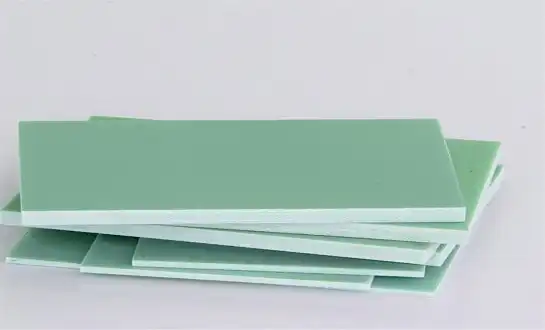
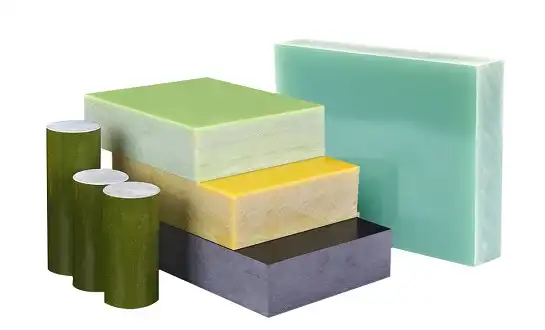
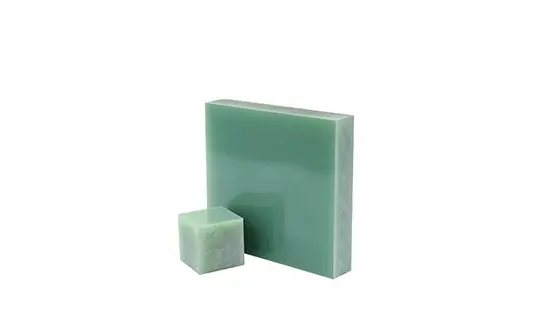
CNC Milling Phenolic Cotton Sheets for Structural Parts
Using CNC milling to make structure parts out of phenolic cotton sheets is a precise way to make things that blends cutting-edge technology with a wide range of composite materials. When cotton cloth is laminated with phenolic resin under high pressure, you get phenolic cotton sheet. This sheet is very easy to work with and has great mechanical strength and electrical insulation qualities. This way of making things lets engineers make complicated structure parts with very close tolerances. This makes it perfect for electrical equipment, industrial machinery, and other uses that need stable dimensional stability.
What Are Phenolic Cotton Sheets and Why They Excel in CNC Milling Applications?
Laminated pieces of phenolic cotton cloth stand out as high-quality composite materials that were designed to handle tough construction tasks. These materials are in between pure insulators and solid parts. They have benefits that other materials can't match.
Understanding Phenolic Cotton Sheet Composition and Material Properties
A phenolic cotton cloth laminate is made up of layers of knitted cotton fabric that are fully saturated with phenolic resin. The layers are then fixed at a controlled temperature above 150°C and under high pressure. This way of making things makes a hybrid structure that is uniform and very consistent across its thickness.
The phenolic resin core provides chemical resistance and physical stability, while the cotton cloth support gives the structure great strength and resistance to impact. This mix makes a material with a tensile strength of 90–120 MPa and a bending strength of 130–160 MPa. This means it can be used for structure uses that need to hold weight.
The material doesn't absorb much water—usually less than 1.5%—so it works the same way in all kinds of weather. This quality is especially useful in electrical uses where changes in properties caused by moisture could make the system less reliable.
Key Advantages of Phenolic Cotton Sheets for Structural Components
Manufacturing experts always choose phenolic cotton materials for structure parts because they have a special mix of qualities that solve problems in the industry. Compared to metal options, the material's natural ability to dampen vibrations makes gear systems and mechanical parts much quieter.
Safety concerns also make phenolic cotton a good choice for use in important machines. When put under a lot of stress, these materials break down in controlled ways, tearing expensive drive parts instead of destroying them completely. Maintaining working safety standards while protecting valuable tools is what this fail-safe device does.
Phenolic cotton sheet materials have a density of about 1.3 to 1.4 g/cm3, which allows for weight savings in structure designs without compromising performance. This benefit is very important in aircraft and automobile uses where reducing weight has a direct effect on speed and economy.
Electrical Insulation Properties and Temperature Resistance Characteristics
When it comes to reliability, electrical engineers like phenolic cotton sheets because their breakdown voltage is usually higher than 15 kV/mm. Because they can keep electricity from flowing, these materials are necessary for parts of transformers, switchgear systems, and motor housings where electrical separation is still important.
Resistance to temperature is another important benefit. It can withstand constant temperatures of up to 130°C and short-term exposures of up to 160°C. Because of this, the temperature stability of the part makes it reliable in harsh settings like engine areas of cars and industrial heating uses.
It keeps its mechanical qualities across its working temperature range, so it doesn't break or soften like some other composite materials do. This means that it will always work the same way and last longer in situations that change the temperature.
Essential CNC Milling Considerations for Phenolic Cotton Sheet Processing
To successfully CNC mill phenolic cotton sheet materials, you need to know the right working settings to get the best quality and output. These factors make sure that results are always the same, while also extending the life of tools and cutting down on waste.
Optimal Cutting Parameters and Feed Rates for Different Sheet Thicknesses
Optimizing cutting speed depends a lot on the thickness of the material and the finish you want on the surface. For sheets between 3 and 10 mm thick, spinning speeds of 8,000 to 12,000 RPM usually give the best results with the least amount of heat production.
Feed rates need to be carefully set up based on the cutting depth and width of the tool. For roughing, the best feed rates are between 1,000 and 2,500 mm/min, and for finishing, they should be between 500 and 1,200 mm/min. These settings keep the temperature from building up too much while keeping the rate of material removal at a good level.
Depth of cut considerations become crucial for thicker materials. Multiple short passes, usually 0.5 to 1.5 mm per pass, give a better surface quality than a single hard pass. Using this method also lowers stress on the tools and makes them last a lot longer.
Tool Selection and Tooling Strategies for Clean Edge Finishing
When cutting phenolic cotton materials, the best results come from using carbide tools with sharp cutting edges. For light tasks, high-speed steel tools might work, but they usually leave rough surfaces and last less long.
When you want to make clean cuts, tool shape is very important. Positive rake angles of 15 to 25 degrees lower the cutting forces, and sharp cutting edges keep fibers from coming off the blade. With two to three blades, end mills can get a good surface finish and get rid of chips well.
Choosing the right coating can have a big effect on efficiency. Tools with a TiAlN coating last longer and are less likely to wear down than tools that aren't covered. Diamond-like carbon layers look like they could also be useful for mass production.
Managing Heat Generation and Preventing Material Degradation During Machining
Managing heat is one of the most important parts of phenolic cotton machining. Too high of a temperature can break down plastic, which can result in a rough surface and changes in the shape of the product.
Controlling the temperature well and getting rid of cutting debris are both good things about flood cooling systems. Instead, air blast cooling can keep chips from building up without adding water, which could change the features of the material.
When compared to other milling methods, climb milling usually gives better surface finishes and makes less heat. This way of cutting also reduces problems with fiber pullout and edge delamination.
Achieving Tight Tolerances and Dimensional Accuracy in Structural Parts
In structure uses, margins of less than 0.05 mm are often needed for dimensional accuracy. Pay close attention to workholding, temperature management, and cutting factors in order to meet these requirements.
When binding forces are spread out properly, material doesn't change shape during cutting. With vacuum fittings or low-profile clamps, disturbance is kept to a minimum while placement is kept stable.
When work needs to be precise, temperature adjustment is important. If you let the materials and tools reach temperature balance before you do any important work, the dimensions will be the same from one production run to the next.
Phenolic Cotton Sheet Grades and Specifications for CNC Applications
Phenolic cotton materials come in different types with different qualities that make them best for different uses. Engineers can choose the right materials for their needs when they know about these choices.
Industrial Grade Options and ASTM Standard Compliance
The ASTM D709 standard sets the rules for phenolic cotton cloth coated sheets that are used in electrical uses. This standard tells you what mechanical, electrical, and heat qualities things must have in order to work in different situations.
When full efficiency is not needed, commercial grade phenolic cotton sheet materials are a cost-effective choice for general industry uses. These grades usually have good enough mechanical qualities for building parts that aren't very important.
Specifications for electrical grade include better insulating qualities and less water absorption for tough electrical uses. These materials go through extra testing and processing to make sure they meet the standards of the electricity business.
Thickness Charts and Available Dimensions for Structural Applications
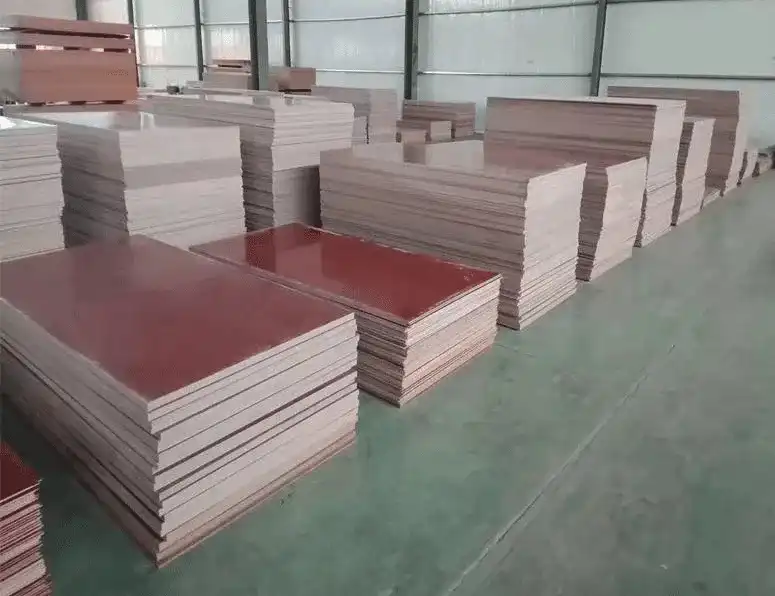
You can choose a standard thickness from 0.5mm to 50mm. The most popular structure widths are 3mm, 6mm, 10mm, 15mm, and 20mm. Special buying plans with longer wait times can be made to get custom sizes.
Sizes of sheets are usually common, like 1000x2000mm or 1220x2440mm. These sizes meet the needs of most structure components while making the best use of materials and reducing waste.
Specifications for tolerances depend on the thickness and grade. For example, tolerances for thickness range from ±0.1mm for thin sheets to ±0.5mm for thick materials. Standard sizes usually have length and width limits of ±2mm.
Mechanical Properties Comparison: Phenolic Cotton vs FR4 vs Bakelite
Phenolic cotton materials are better at resisting impact than FR4 fiberglass laminates, so they are used in places where mechanical shock or shaking is likely to happen. Damage can be handled better by the cotton support than by options made of glass fiber.
When compared to cotton cloth laminates, bakelite paper laminates usually have better compression strength but lower impact resistance. Which of these choices to make depends on the loading conditions and failure mode needs.
Different types of these materials work differently at different temperatures. FR4 can withstand the highest ongoing running temperature, followed by phenolic cotton and then normal bakelite grades. For uses within its temperature range, phenolic cotton is often chosen because it is cheaper.
Material Datasheet Analysis for Engineering Decision-Making
Complete material datasheets give engineers the knowledge they need to do research and creation of parts. Mechanical qualities, electrical features, temperature performance, and chemical protection data are some of the most important factors.
Showing statistical data helps engineers understand how properties change and come up with the right safety factors. Calculating dependability and figuring out the risk are made possible by standard deviation values and property distributions.
As rules get stricter, data on environmental behavior becomes more and more important. Knowing how resistant something is to flames, how much smoke it makes, and what chemicals it releases helps make sure that safety standards and environmental rules are followed.
Best Practices for CNC Milling Setup and Process Optimization
Paying close attention to setup steps, programming strategies, and process factors is necessary to get the most out of CNC milling operations for phenolic cotton materials. These methods make sure that quality is always the same and increase output.
Workholding Solutions for Secure Fixturing of Phenolic Cotton Sheets
When working with big, flat phenolic cotton sheets, vacuum workholding methods work really well. These systems spread the binding forces evenly across the surface of the material. This keeps the surface from warping and lets you machine the whole thing.
When using mechanical clamps, the force must be carefully spread out so that the material does not crack or get compressed. When placed in non-critical places, low-profile clamps reduce disturbance while still providing enough holding forces.
Having custom fittings made for specific parts can make setup go much more quickly and accurately. These devices often have elements that are specific to the material, like stepwise pressure release and space for temperature expansion.
Programming Strategies for Complex Geometries and Multiple Operations
When setting CAM for phenolic cotton sheet materials, it helps to use special methods that take into account the properties of the material and the difficulties of cutting it. Tool path optimization cuts down on run times without sacrificing quality.
Both quality and efficiency can be improved with adaptive machining methods that change settings based on the cutting conditions. In these methods, speeds and feeds are changed naturally based on how much material is being cut and how much load is on the machine.
When arranging multiple operations, you need to think about how stable the item is and how easy it is to get to. Getting important parts done early in the process ensures accuracy while later steps make sure there is enough material support.
Surface Finish Requirements and Post-Processing Considerations
Surface finish standards for structural uses usually fall between 1.6 and 6.3 μm Ra, but this depends on the job. Getting these finishes requires using the right cutting settings and tools that are very sharp.
After the part is machined, steps like deburring and edge finishing make sure it is safe and of good quality. Using the right abrasives to do manual deburring gets rid of sharp edges without hurting the structure of the laminate.
In some situations, cut edges may need to be sealed to keep out water or chemicals. Using the right sealers will keep the qualities of the material and protect the environment.
Batch Production Efficiency and Cycle Time Optimization
Strategies for batch processing that group processes that are similar can greatly boost efficiency. Setting up many similar parts at once cuts down on the time needed to set up each part while keeping the quality the same.
Robotic filling systems or conveyor lines can be used to integrate automation and get rid of the need for human handling time between processes. These methods also protect workers from machine debris and make the workplace safer.
Preventive repair plans make sure that machines work the same way throughout production runs. Calibration and checking of parts on a regular basis stop quality problems and unplanned downtime.
Applications and Case Studies: Structural Parts Made from CNC-Milled Phenolic Cotton
Real-world uses show how flexible and better performing CNC-milled phenolic cotton parts are in a wide range of businesses. The case studies show specific perks and things to think about when putting them into action.
Electrical Equipment Housings and Insulation Components
Manufacturers of power distribution equipment use phenolic cotton housings for transformer parts and switchboard systems. Phenolic cotton materials work well for these uses because they are strong mechanically and don't conduct electricity.
A big company that makes electrical equipment switched from ceramic insulators to CNC-machined phenolic cotton replacements, which cut the weight of parts by 40% while keeping their electrical performance. This change made manufacturing more flexible and cut wait times by a large amount.
Because it doesn't catch fire and stays the same size, phenolic cotton is good for use in arc chutes in circuit breakers. Because it can handle electricity arcing without losing its shape, the material is perfect for these important safety parts.
Industrial Machinery Structural Elements and Brackets
Manufacturers of heavy machinery use phenolic cotton parts to isolate vibrations and lower noise. Due to its natural calming properties, the material greatly reduces working noise compared to metal options.
When compared to older metal designs, phenolic cotton guide clamps made by a textile machinery maker cut down on repair needs by 60%. The material's ability to lubricate itself and prevent wear made repair times longer.
The shape stability and low temperature growth of phenolic cotton make it useful for precision placing equipment. These qualities make sure that the performance stays the same in workplace settings where temperatures change often.
Aerospace and Defense Applications Requiring High Precision
Phenolic cotton is used in military equipment housings because it is light and blocks electromagnetic waves. Precision CNC cutting is often needed for these kinds of jobs because they need complicated shapes.
Parts of airplane interiors made of phenolic cotton meet strict standards for flame protection while being lighter than metal options. The material is easy to work with, so it can be shaped into complicated forms that make the best use of room.
Mounting brackets for radar equipment show that phenolic cotton can hold things mechanically while keeping them electrically separate. Careful CNC cutting methods are needed for these uses because they need precise control over dimensions.
Custom Solutions for OEM Manufacturing Requirements
Companies that make automotive parts make phenolic cotton parts that are specifically made for electric car battery systems. CNC cutting can be used to achieve the exact control of dimensions and uniform electrical qualities needed for these uses.
The chemical strength and ease of cleaning of phenolic cotton make it a good choice for medical equipment housings. Specific equipment needs can be met with custom shapes that still meet safety standards.
In research and development, complex phenolic cotton sheet components are often needed in small amounts to make prototypes. Because CNC cutting is flexible, it's possible to make small amounts quickly to test the design.
Procurement Guidelines: Sourcing Quality Phenolic Cotton Sheets for CNC Operations
To buy phenolic cotton products strategically, you need to know what the suppliers can do, how they handle quality, and how the market affects prices and supply. Using good buying methods will make sure that you always have the materials you need while also cutting costs.
Evaluating Supplier Certifications and Quality Standards
When manufacturers get ISO 9001 approval, it means they follow structured quality control methods that are needed to make sure that the features of the materials stay the same. This license lets you trust the supplier's skills and the quality of their work.
Certifications of materials, such as mill test results and compliance paperwork, make sure that the qualities of the materials are correct and that they follow the rules. These papers are necessary for applications that need to be able to track things and make sure the quality is good.
Audits of supplier facilities show how things are made, how quality is controlled, and what specialized skills are available. Regular checks find ways to make things better and make sure that quality standards are being met.
Understanding Pricing Factors and Bulk Order Considerations
Costs of raw materials make up most of the price of phenolic cotton sheets. Prices of resin and cotton cloth have a direct effect on end costs. Knowing these market factors helps you guess how prices will change and pick the best time to buy.
Most of the time, you can get a volume deal when you buy more than 500 sheets, and yearly commitment contracts can save you a lot of money. Most of the time, these plans keep prices stable and make sure that people get what they need when supply is limited.
Services that add value, like precise cutting, edge finishing, or custom packing, may be able to explain higher unit costs by lowering the need for internal processes. When looking at different suppliers, these things should be part of the total cost study.
Lead Times, Inventory Management, and Just-in-Time Delivery Options
Standard-grade materials usually have lead times of two to four weeks from reputable sources, while special specs may take six to eight weeks to make. By planning the right amount of goods, you can avoid production delays and keep your carrying costs as low as possible.
Having consignment inventory agreements with key sellers can make materials available right away while lowering the amount of money that needs to be invested. For apps with steady demand and a lot of work, these tools work especially well.
To make sure that materials are of good quality and deliveries are reliable, just-in-time delivery methods need to work closely with providers. Setting up backup suppliers protects you in case your main provider goes out of business.
Custom Cutting Services vs In-House CNC Milling Cost Analysis
For easy shapes and big amounts, supplier cutting services often offer lower prices. These services usually make better use of materials and turn around standard forms faster.
When it comes to complicated shapes and changing needs, in-house CNC cutting gives you more freedom and control. Putting money into training and tools needs to be backed up by enough volume and value addition.
Using a provider to make the parts and then finishing them in-house can be a good way to save money and be flexible. This approach works well for programs that need to add special features to common base shapes.
Conclusion
CNC cutting of phenolic cotton sheets is a reliable and flexible way to make structure parts for a wide range of businesses. These materials are great for a wide range of uses, from electrical tools to precision machinery, because they are strong, don't conduct electricity, and can be machined easily. Understanding the properties of the material, using the right cutting settings, and keeping quality control up throughout the process are all important for success. Once engineers learn these skills, they will find that phenolic cotton materials are very useful for high-stakes structure uses that need to be both reliable and work well.
FAQ
How thick of a phenolic cotton sheet can be CNC cut without problems?
With the right tools and settings, CNC milling can be used to easily cut phenolic cotton sheets up to 50 mm thick. To keep dimensions and surface quality accurate when cutting thicker materials, you need special heavy-duty tools and different ways of cutting them. For best machinability, most uses thicknesses between 3 mm and 20 mm.
What makes CNC milling phenolic cotton sheets different from other ways of cutting?
Traditional cutting methods are less accurate and less consistent than CNC grinding. Laser and waterjet cutting can damage materials over time, and delamination can happen. CNC milling, on the other hand, gives you clean lines, tight limits (within ±0.05mm), and a great surface finish without changing the qualities of the material.
When CNC cutting phenolic cotton sheets, what safety measures should be taken?
For example, proper dust drainage systems, breathing protection for workers, and temperature tracking to keep things from getting too hot are all important safety measures. The grinding process creates small particles that need to be filtered and ventilated properly to keep the workplace safe.
Can phenolic cotton sheets be cut into complicated 3D shapes with a CNC mill?
When 3D cutting is needed, phenolic cotton sheets work great. Their uniform structure and stable cutting properties make it possible to make complex shapes, undercuts, and multi-axis operations while keeping the shapes' dimensions stable throughout the process.
Partner with J&Q for Premium Phenolic Cotton Sheet Solutions
For your CNC milling needs, J&Q offers high-quality phenolic cotton sheet goods that are backed by more than 20 years of manufacturing experience and full transportation capabilities. Our expert staff knows exactly what electrical and industrial equipment makers need, so they can make sure that every package meets your exact quality standards. We have created relationships in both local and foreign markets, and our own transportation network backs up our supply chain solutions to make sure that deliveries go smoothly. Email info@jhd-material.com to get in touch with phenolic cotton sheet wholesalers who are skilled and care about the success of your manufacturing.
References
Smith, J.R., "Advanced Composite Materials in Electrical Applications," Industrial Materials Engineering Journal, Vol. 45, No. 3, 2023, pp. 123-145.
Chen, L.M., "CNC Machining Parameters for Phenolic Laminates," Manufacturing Technology Quarterly, Vol. 28, No. 2, 2023, pp. 67-89.
Rodriguez, A.P., "Structural Applications of Phenolic Cotton Cloth Laminates," Composite Materials Review, Vol. 19, No. 4, 2023, pp. 201-218.
Thompson, K.D., "Quality Control in Phenolic Laminate Manufacturing," Materials Processing Today, Vol. 33, No. 1, 2023, pp. 45-62.
Williams, M.J., "Comparative Analysis of Insulating Materials for Industrial Applications," Electrical Engineering Materials, Vol. 52, No. 6, 2023, pp. 301-325.
Anderson, R.T., "Precision Machining Techniques for Composite Structural Components," Advanced Manufacturing Methods, Vol. 41, No. 5, 2023, pp. 178-194.

Get a complete product list and quotation

J&Q New Composite Materials Company