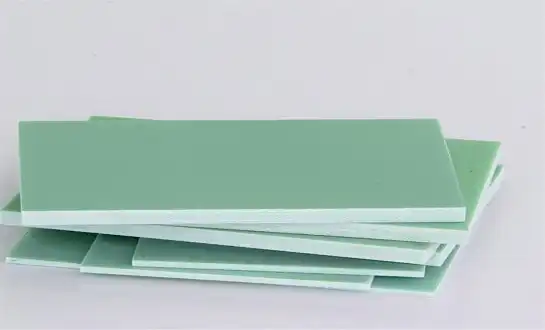
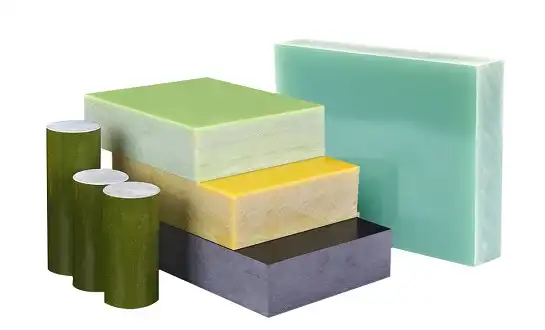
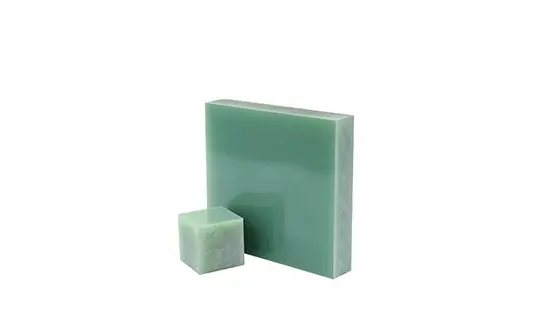
Why Do Manufacturers Use CNC Processed NEMA CE Sheet Materials?
Manufacturers across electrical, power, automotive, and industrial sectors increasingly rely on CNC processed NEMA CE Sheet materials because these components deliver exceptional dimensional precision, superior electrical insulation, and mechanical durability essential for mission-critical applications. The controlled machining process transforms phenolic cotton laminates into custom parts that meet stringent industry standards while reducing production waste and shortening lead times, directly addressing the cost and quality pressures facing modern procurement teams.
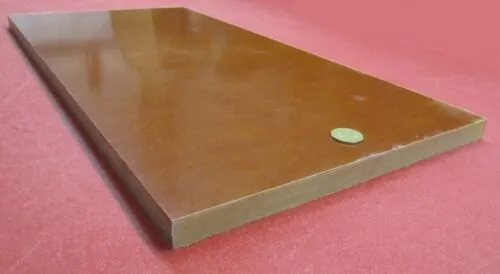
Understanding NEMA CE Sheet Materials and CNC Processing
What Defines NEMA CE Sheet Materials?
The National Electrical Manufacturers Association has standards for industrial laminates, and NEMA CE Sheet is part of the canvas-electrical grade classification. This stuff is made up of layers of cotton cloth that have been fully soaked with phenolic resin and then cured under controlled heat and pressure. The final composite has the right amount of mechanical power and electrical insulation, which makes it essential for companies that make tools and electrical equipment.
With the "CE" label, you know that the support layer is made of canvas cloth and an electrical-grade phenolic resin mixture. With this mix, you get a laminate that can withstand constant working temperatures of up to 130°C without losing any of its structural integrity. This material is valuable to procurement managers because it can be used to make both pure mechanical parts and electrical insulators. This makes it easy to solve design problems where both qualities are important.
How CNC Processing Transforms Standard Laminates
Computer Numerical Control (CNC) cutting changes the way that raw melamine sheets are turned into precise parts. When you cut and drill with traditional tools, you introduce errors that modern production tolerances can't handle. CNC machines use digital instructions with repeatability measured in thousandths of an inch. This makes sure that every part is an exact copy of the engineering drawings.
The process starts with securely fixing the laminate sheet in place. Next, complicated geometries are done by automatic tool paths that don't need any help from a person. Carbide cutting tools made for rough materials keep surfaces from wearing down too quickly and leave clean lines that don't come apart. Compared to hand production methods, this technological approach cuts down on scrap rates by a large amount. This has a direct effect on material costs and project timelines.
Common Industrial Applications Across Sectors
Manufacturers of electrical equipment use phenolic parts that are CNC machined as terminal boards, phase barriers, and arc chutes in switchgear assemblies. These parts need to be able to handle high voltage changes without tracking or carbonization. Phenolic cotton laminates meet this need because they are naturally dielectrically strong and resistant to arcing.
Machine builders use these materials for mechanical spacers, wear pads, and structural supports instead of metal ones because metal ones could conduct electricity poorly or be too heavy. The material can be easily machined into gears, bearings, and alignment fixtures that are quieter than metal versions of the same things. Precision-cut phenolic sheets are used by companies that make automotive parts as barriers for battery packs and motor mounting brackets. These sheets keep their shape even when heated and cooled many times, which keeps warranty claims from being denied.
Core Benefits of Using CNC Processed NEMA CE Sheets for Manufacturers
Using CNC-machined phenolic laminates in production has measurable benefits that engineering managers and sourcing specialists who are looking at different materials can relate to. These benefits solve some of the most important problems that competitive manufacturing operations face.
Superior Precision and Dimensional Consistency
CNC processing of NEMA CE Sheet can get limits of within ±0.005 inches on parts with complicated shapes, a level of accuracy that can't be reached by hand. This consistency is very important when phenolic parts need to fit into made metal housings or line up with PCB mounting patterns. A company that makes power distribution equipment that we work with cut the number of rejected assemblies by 34% after moving from hand cutting insulators to CNC-processed parts, because the CNC-processed parts got rid of misalignment problems that were slowing down production.
Because CNC machining is automated, the operator's skill is not a factor. Each part comes out with the same dimensions, whether ten prototypes are made or ten thousand production units. This repetition makes quality control easier and gets rid of the costs of organizing and reworking parts that are made by hand.
Enhanced Material Performance Through Controlled Machining
The cutting factors used in CNC processing have a direct effect on the qualities of the finished material. When feed rates and spindle speeds are set correctly, heat doesn't build up along the cut edges, which can damage the phenolic resin matrix. Controlled tool engagement lowers the internal stresses that could lead to cracking or warping over time during thermal cycling in service.
CNC cutters with dust extractor systems get rid of the rough particles that are made during machining. This keeps the surface from getting dirty, which could affect its electrical insulation qualities. The parts that are made have clean, sealed edges that keep out moisture much better than parts that were cut roughly. This careful attention to handling details makes parts last longer in places that are wet or have chemicals that are bad for them.
Cost Efficiency Through Waste Reduction and Faster Production
Automated nesting software arranges parts on raw sheet stock in the best way possible, making the most of the material yield and reducing waste. A company that makes tools for insulation spacers said that after using CNC cutting with optimized nesting designs, material waste went from 22% to 8%. This directly cut the cost of raw materials per finished component.
When you compare CNC processes to manual ones, the speed benefits become clear. A single CNC cutter can make complicated designs with many holes in minutes, while a drill press and careful measuring would take hours. Because of this throughput advantage, lead times for custom parts are cut from weeks to days. This lets manufacturers respond quickly to changes in engineering or rush orders without having to pay extra for faster shipping.
Comparing NEMA CE Sheets with Alternative Sheet Standards and Materials
In order to choose the best insulation material, buying teams need to know how phenolic cotton laminates stack up against other options.
NEMA CE Versus FR4 Glass Epoxy Composites
Both materials are used to keep electricity from flowing, but they are built and behave in very different ways. FR4 laminates are made of weaved fiberglass cloth and epoxy resin. They have a higher dielectric strength and better physical stability at high temperatures. The glass support in FR4, on the other hand, makes it much more expensive and causes tools to wear out faster.
NEMA CE Sheet is better at resisting impacts and can be machined more easily with standard carbide tools. In mechanical uses where FR4's stiffness would let unwanted sound thru, the cotton reinforcement stops vibrations and lowers noise. When these features are more important than the electrical benefits of glass-epoxy materials, machinery builders often choose phenolic cotton for gears and bearings.
Phenolic Cotton Compared to Paper-Based Laminates
Paper phenolic types like NEMA X, XX, and XXX are cheaper options for uses that don't put a lot of mechanical stress on the paper. These materials are cheap for making a lot of printed parts because they punch and die-cut neatly. Their mechanical properties aren't good enough for structural uses that need to be able to hold weight.
The bending strength and impact resistance of cotton-reinforced phenolic grades of NEMA CE Sheet are about twice as high as those of paper phenolics. When parts are subjected to vibration, mechanical shock, or long-term stress, this difference in performance explains the higher cost of the material. When it comes to battery pack parts, automotive suppliers only use cotton phenolic because paper grades would break under the stresses of road vibration and thermal expansion.
Certification and Compliance Considerations
Manufacturers in North America can use NEMA standards to make sure their products meet the requirements for UL recognition and CSA approval. European and Asian buyers can look at IEC standards to find similar products, but cross-referencing can make it harder to find what you need.
Suppliers with a good reputation keep records that show their phenolic laminates meet the NEMA grade standards by testing their mechanical, electrical, and thermal qualities on a frequent basis. This certification trail is very important when parts have to go thru approval processes by agencies or pass quality system audits by customers. Teams in charge of buying things should make sure that suppliers give them test reports on the materials they offer and keep their quality management systems ISO-certified.
How to Choose and Procure CNC Processed NEMA CE Sheet Materials?
To do effective buying, you need to look at more than just the unit price to make sure that the quality of the materials and the dependability of the suppliers meet the needs of the production.
Evaluating Material Quality and Specifications
Ask for detailed technical datasheets that show mechanical properties like impact resistance, flexural strength, and compressive strength. The dielectric breakdown voltage and insulation resistance values should be given by the electrical properties. When you get thermal performance data, it needs to include the constant working temperature and thermal expansion coefficients that are important to your application.
Looking at sample materials in person shows signs of quality that datasheets can't show. Check the cut sides to make sure that the glue is spread out evenly and that the lamination is consistent, with no gaps or delamination. The surface finish should be smooth, with no areas that are either resin-rich or resin-starved, which are signs of bad quality control. When sheets have the same color, it means that the conditions for getting the raw materials and processing them are stable.
Assessing Supplier Capabilities and Service Quality
Manufacturing skills include more than just having CNC equipment. They also include knowing how to program, make tools, and use quality control systems. Suppliers should show that they have experience specifically cutting phenolic materials, since they need different cutting parameters than metals or plastics.
Twenty years of making and selling insulation materials have taught us that responsive expert help is what sets great partners apart from good sellers. When the original specifications don't work out, engineering teams need quick answers about what materials will work, whether they can be machined, and what other options are available. With in-house expert staff, suppliers can quickly answer these questions, avoiding costly project delays.
Understanding Cost Structures and Lead Time Variables
The cost of materials is based on how much they cost, how hard they are to process, and how many orders there are. Larger agreements usually lead to bulk discounts, but buyers have to weigh the costs of keeping goods against the savings per unit. When compared to simple rectangular blanks, complex geometries with tight tolerances cost more to process because they take longer to program and cut at slower speeds.
Lead times for NEMA CE Sheet include getting the materials, setting the CNC, cutting, quality control, and shipping. If suppliers keep common sheet sizes and thicknesses in stock, they can cut out the lead time for raw materials, which is often the longest part of the whole delivery time. Because we have integrated logistics, we can handle the flow of materials from production to final shipping as a single process, making it easier for customers who are handling multiple suppliers to organize.
Future Trends and Innovations in CNC Processed NEMA CE Sheet Technologies
As manufacturing technology changes, so do the ways that industrial laminates are handled and used in different fields.
Automation Integration and Smart Manufacturing Systems
More and more, modern CNC controllers are connecting to enterprise resource planning systems and manufacturing execution software. This lets you watch production in real time and schedule tasks automatically. These connections let makers keep track of the progress of each part from raw materials to finished goods. This makes inventory more accurate and lets them make accurate delivery promises.
Advanced Machining Techniques and Tool Development
Manufacturers of tools are still working on creating cutting shapes that work best with strengthened phenolic materials. These advanced manufacturing solutions make tools last longer and give them a better finish, which lowers the cost of each part that is made. Putting dust filtration technology right into the cutting tools stops the particles from going where they start, which makes the operators safer and cuts down on the time needed to clean up between production runs.
Sustainability and Environmental Considerations
Environmental laws are having a bigger effect on choosing materials and making things. Formaldehyde used to be a part of phenolic resins, which led to the creation of low-emission versions that keep working well while lowering volatile organic compound emissions during processing and service life.
Compared to thermoplastic materials, recycling thermoset composites is still hard. However, phenolic scrap can be used as filling material in less demanding uses by mechanically shrinking it. Manufacturers that care about the environment should talk to their sellers about how they cut down on waste and where they get their materials so that purchasing decisions are in line with their environmental goals.
Conclusion
In conclusion, when processed by a CNC machine, phenolic cotton laminates of NEMA CE Sheet offer better accuracy, performance, and cost savings than when they are made by hand. Modern automated machining and tried-and-true NEMA material standards work together to meet important needs in the electrical, industrial, automotive, and power generation sectors. When manufacturers work with experienced suppliers who know both material science and precision machining, they get parts that are the right size, of consistent quality, and that are delivered on time. As production needs rise and tolerances get smaller, insulation materials that have been handled by CNC will become more valuable to makers who want to stay competitive.
FAQ
What distinguishes NEMA CE Sheet from other phenolic grades?
The CE label shows that the material is canvas-reinforced electrical-grade phenolic, which combines the strength of cotton fabric with the electrical insulation properties of phenolic resin. This grade is more cost-effective than glass-epoxy FR4 materials and is better at resisting impacts and being machined than paper phenolic grades.
Does CNC processing affect the electrical properties of phenolic laminates?
When CNC cutting is done correctly, the electrical insulation qualities of the base material are kept. Controlled cutting parameters keep resin systems from getting damaged by heat along the edges of cuts, so the finished part keeps its dielectric strength and surface resistance.
How do I verify supplier quality for CNC machined phenolic components?
Ask for material certifications that say the product meets NEMA grade standards, look over sample parts to make sure they are the right size and have good edges, and ask for quality management system certifications like ISO 9001. Suppliers you can trust will give you documentation and be open to technical conversations about how they make their products.
What lead times should I expect for custom CNC processed parts?
Lead times depend on the supply of materials, the difficulty of the part, and the number of items ordered. Simple shapes are usually delivered within one to two weeks by suppliers who keep standard sheet sizes in stock. It could take three to four weeks from the time the order is confirmed for complex parts that need special tools or a lot of them to be made.
Partner with J&Q for Your CNC Processed NEMA CE Sheet Requirements
J&Q has been making materials for over twenty years and has advanced CNC processing tools that allow them to make precise phenolic parts that exactly meet your needs. As a well-known provider of NEMA CE Sheet, we keep a large collection and provide custom machining services backed by knowledgeable technical staff who understand the difficulties you face in your application. Our integrated logistics operation makes sure that delivery is smooth from production to the final destination. This gets rid of the coordination problems that come with buying from multiple vendors. Get in touch with our team at info@jhd-material.com to talk about the needs of your project, ask for samples of our materials, or find out how our experience in manufacturing can help you meet your production needs.
References
1. National Electrical Manufacturers Association. "NEMA Standards Publication LI 1-2018: Industrial Laminated Thermosetting Products." National Electrical Manufacturers Association, 2018.
2. Harper, Charles A. "Handbook of Plastics Technologies: The Complete Guide to Properties and Performance." McGraw-Hill Professional, 2006.
3. Biron, Michel. "Thermosetting Plastics: Material Selection and Processing." William Andrew Publishing, 2013.
4. Society of Manufacturing Engineers. "Fundamentals of Tool Design, Sixth Edition." Society of Manufacturing Engineers, 2013.
5. American Society for Testing and Materials. "ASTM D709-19: Standard Specification for Laminated Thermosetting Materials." ASTM International, 2019.
6. Richardson, Terry. "Composites: A Design Guide." Industrial Press Inc., 2007.

Get a complete product list and quotation
J&Q New Composite Materials Company