How Does CNC Machining Optimize G10 ESD Epoxy Board Applications?
CNC machining transforms G10 ESD epoxy board manufacturing by delivering precision tolerances below ±0.05mm, eliminating the edge chipping and delamination common with manual methods. This advanced process maintains the board's electrostatic discharge protection while enabling complex geometries impossible through traditional cutting. Automated tool paths reduce material waste by 30-40% and preserve critical dielectric properties at cut edges—essential for protecting sensitive PCB assemblies and semiconductor components in production environments where static discharge can cause thousands of dollars in component failures.
Understanding G10 ESD Epoxy Boards and Their Challenges
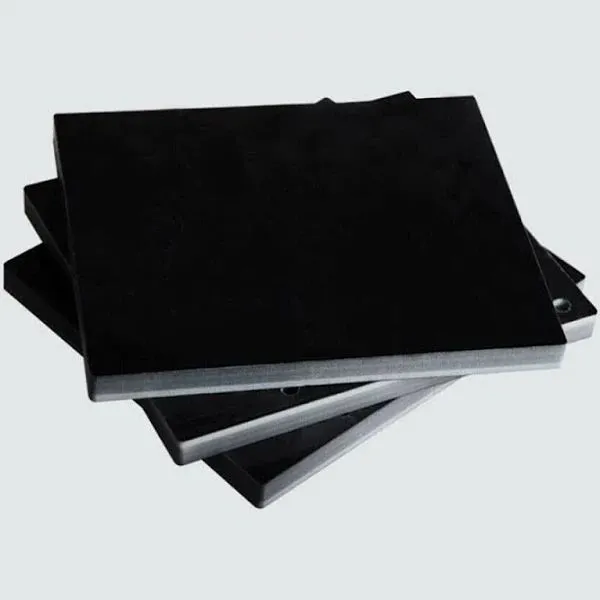
G10 ESD Epoxy Boards are a special kind of composite laminate made of woven fiberglass cloth and epoxy resin systems that have anti-static additives added to them. Unlike regular G10 material, these boards safely get rid of static electricity. This makes them essential in the electronics industry, where even small amounts of electrostatic discharge can damage microprocessors, memory chips, and other delicate parts. This is possible because the material is made with carbon or other electrical bits that are spread out evenly in the epoxy matrix.
Material Composition and Core Properties
The building process starts with electronic-grade non-alkali glass fiber cloth that has been soaked in a specially made epoxy glue that has flame retardants and binders in it. When temperature and pressure are managed while hot pressing, a thick laminate with unique properties is made. The temperature at which it turns into glass is 130°C, and it can be used continuously up to 155°C, which is much higher than many plastic options. This ability to withstand high temperatures is very important in wave soldering fixtures and motor insulation parts.
The material has a tensile strength of more than 400 MPa and a bending strength of about 500 MPa. The density stays around 1.82 g/cm³, which gives it a great strength-to-weight ratio. Even in places with a lot of humidity, moisture absorption stays below 0.1%. This keeps the dimensions from becoming unstable, which is a problem with phenolic options. Chemical resistance includes most industrial solvents, oils, and mild acids. Strong oxidizing agents, on the other hand, need to be carefully looked at.
Manufacturing Obstacles in Traditional Processing
Using traditional machining methods to work on these boards is hard because they pose a lot of technical problems. Because fiberglass reinforcement is rough, regular cutting tools get dull quickly and need to be replaced often, which slows down production. When a material is both hard and brittle, it's frustrating because the board doesn't want to be cut, but it chips or delaminates easily when the tool pressure or feed rate isn't right.
When using manual or semi-automated tools, dimension tolerance becomes a problem. For electrical tasks, accuracy is usually required to be within ±0.1mm or less. This is especially true for insulating spacers in switchgear assemblies or test fixture plates. Routing or cutting by hand makes each part different, which increases the number of rejects and the cost of production. Edge quality is also worsened by rough surfaces, which make it harder for things to fit together mechanically and electrically by creating stress points where cracks can start to spread.
Another worry is the creation of static electricity during cutting. Most welding tools don't have ESD protection, which means that the friction from cutting can cause areas of the item to become charged with thousands of volts. This takes away the board's protective role and could damage nearby electronic parts while they are being made or put together. The use of cutting fluids and debris makes cleanroom applications more difficult in semiconductor tooling.
How Does CNC Machining Address G10 ESD Epoxy Board Processing Issues?
Computer numerical control machining changes the way we work with tough materials like G10 ESD Epoxy Board by allowing us to control the process more precisely, more consistently, and more accurately than we could before. Modern CNC routers and mills follow programmed tool paths with positioning precision measured in micrometers. They turn digital plans directly into physical parts without any changes being made by hand.
Precision and Dimensional Accuracy
Tolerances on CNC systems stay within ±0.05mm during full production runs. This meets the strict needs of PCB assembly tools and electrical insulation components. Three-axis machining is used for most flat stock tasks, such as milling pockets for component clearance, drilling hole patterns for pogo pin test fixtures, and cutting complex perimeters for transformer barriers. When geometry calls for undercuts or angled features, five-axis CNC machines can make compound angles in a single setup, so there are no mistakes made when repositioning the parts.
Tool path optimization keeps epoxy laminates from breaking under too much stress. Software figures out the best approach angles and exit tactics to keep edges from delaminating. The choice between climb milling and conventional milling can be programmed based on the type of feature. This makes sure that fibers are cut cleanly instead of being pulled or broken. Cutting forces that are the same across the whole piece of work reduce vibrations that cause tiny cracks in the material around it.
ESD-Safe Manufacturing Environment
Comprehensive static control protocols are used in modern CNC facilities that work with electronics. Grounded metal tooling plates and ESD-dissipative work areas keep charges from building up while the machine is working. Before touching final parts, ionizing air systems get rid of any static that is still on them. These steps keep the board's protective properties while keeping nearby sensitive assemblies from getting damaged.
Automation keeps people from touching polished surfaces as much, which keeps them from getting dirty or staticky. Parts go straight from the CNC machine to quality control to protective packaging without having to be moved by hand through processes that create static electricity. This closed-loop treatment is necessary for parts that will be put together in cleanrooms in the electronics and medical device industries.
Cost Efficiency Through Process Optimization
In addition to better quality, CNC machining has real cost benefits. By using nesting software to optimize the layout of the materials, 30–40% less scrap is made compared to manual cutting. Complex parts that need to be made by hand in several steps are combined into a single CNC setup, which cuts down on worker hours and work-in-progress inventory. Tool life is greatly increased by setting feeds and speeds automatically based on the properties of the material, rather than relying on the operator's judgment.
For return sales, setup time goes down by a huge amount. Once programs have been tested, they only need to be loaded with materials, and the cycle started for the next run. This reliability works for both small batches of prototypes and large batches of production, from a few dozen to several thousand pieces. Lead times shorten from weeks to days, which helps just-in-time delivery methods that car and gadget makers using lean supply chains are asking for more and more.
Key CNC Machining Techniques Optimizing G10 ESD Epoxy Boards
To get the best results, you need to make sure that the machining parameters are right for the material and the job. After 20 years of working with insulation materials, we've learned certain methods that keep production efficient while also achieving the highest quality.
Strategic Tool Selection and Parameters
Diamond coatings on carbide tools make them resistant to wear, which is needed for long production runs. The shape of the tool is very important. For example, positive rake angles lower the cutting forces, and polished flutes lower the amount of friction and heat buildup. Spindle speeds of 18,000 to 24,000 RPM and feed rates of 1.5 to 3 meters per minute are the best way to balance productivity and edge quality for most thicknesses.
The risk of delamination when machining G10 ESD Epoxy Board is greatly affected by the depth of the cut. Cutting forces that stress the glass-epoxy contact are lessened by passes that are less than 3 mm deep. Through-hole drilling works better with peck cycles that pull back chips often. This keeps heat from building up and softening the epoxy matrix, which leads to spreading. The choice of coolant affects the results. Mist systems cool well without soaking the material, which can happen with some water-based fluids even though the board doesn't soak up much water.
Multi-Axis Capabilities for Complex Geometries
For structural insulation parts, motor brackets, and test fixture plates, three-axis machining is the most common way to work with flat stock. Precision boring makes holes with exact diameters for installing bushings, and shaping operations make smooth edge shapes that can't be achieved with rough cutoff methods. Pocket milling takes away material to make room for parts or reduce weight without weakening the structure.
Five-axis CNC makes it possible to work with compound angles, which are needed for current electronics enclosures and aircraft projects. Angled holes meet surfaces at exact angles without having to be moved, so tolerance connections between features stay the same. Smoothing passes are used in surface finishing to get rid of tool lines and make the surface less rough (below 1.6 Ra) when needed for sealing surfaces or decorative reasons.
Prototyping Flexibility and Production Scalability
Programming for CNC machines makes it easy to make changes to designs. Within hours, engineers can change CAD models and create new tool paths. This helps with rapid prototyping cycles that shorten the time it takes to develop new products. When working with R&D teams to improve insulation designs for next-generation battery packs for electric vehicles or power transfer equipment, this flexibility comes in handy.
Production scalability lets you meet changing volume needs without having to buy new equipment. By changing the fixtures and optimizing the cycle, a single CNC machine can handle prototype runs of five pieces or production runs of more than 500 units. This gives manufacturers the freedom to adapt to changes in the market without having to keep separate machining facilities for prototypes and production.
Comparing CNC Machining with Traditional Methods for G10 ESD Boards
Learning about the changes in performance between machining methods helps buying teams choose the best suppliers. When you look at precision, consistency, and total cost across middle to big production numbers, the difference is very clear.
Precision and Edge Quality Advantages
When done by a trained person, manual routing can achieve tolerances of about ±0.2mm, which is fine for non-critical insulation frames but not for test supports or precision spacers. CNC machining always gives results that are ±0.05mm or tighter, which meets the needs of parts that need to fit together perfectly with machined metal parts or that need to be precisely aligned in assemblies. This level of accuracy gets rid of fitting problems during installation and speeds up the building process.
Differences in edge quality affect both how well something works and how it looks. When you cut glass by hand, the rough edges and exposed fibers can cause splinters and stress concentration points. CNC-machined edges have clean fiber cuts and little resin smearing, which makes the material look better and improves its mechanical properties. In sterile settings, smooth edges keep particles from spreading and make handling safer.
Material Performance Preservation
When compared to FR4 epoxy boards, G10 ESD material needs to be handled with more care to keep its unique properties. The anti-static additives are spread out evenly in the matrix, but rough machining can cause localized heating that lowers the surface's ability to conduct electricity. Cutting temperatures are kept below levels that affect ESD performance by CNC parameter control. This was proven by testing the surface resistance of production samples.
When materials are CNC-machined, their mechanical features stay the same. Controlled cutting forces stop deep delamination, which makes the material weaker even when it can't be seen. This secret damage leads to early failure under mechanical stress or thermal cycling in service. Problems show up months after installation, requiring warranty claims and repair costs that are much higher than the initial savings on materials.
Production Economics and Throughput
When it comes to single pieces or very small amounts of G10 ESD Epoxy Board, where setup time is the main cost, traditional ways seem like the best option. Break-even analysis usually shows that CNC starts to save money after 10 to 20 pieces, but this depends on how complicated the job is. As the number of pieces increases, the benefits get bigger. When they switched from hand-cutting to CNC for insulation brackets in quantities greater than 100 units per month, the motor company we work with cut the cost of each piece by 35%.
Differences in throughput get worse as production plans go by. Once setups are proven, CNC machines work without power for long periods of time, making the best use of their resources. Manual methods need constant attention from the user, which limits daily output to the capacity of a single shift. This lack of output becomes very important when running assembly lines that need a steady flow of materials without building up inventory.
How to Select CNC Machining Services for Your G10 ESD Epoxy Board Projects?
Choosing the right manufacturing partner is more important than the technology itself when it comes to the success of a project. Engineering managers and procurement specialists should look at potential suppliers on a number of factors that show how capable and dependable they are.
Technical Capabilities and Experience
Suppliers who have worked with electrostatic-sensitive products before know how to handle them in a certain way. Ask for model parts that show how well they can be trimmed and finished on the edges to fit your needs. Check the multi-axis capability if the designs have complex angles or three-dimensional shapes. Find out what the largest and thinnest pieces of work that can be made are. The capabilities of router-based systems and machining centers are very different.
Customization lets you meet the specific needs of different applications, which is common in industrial machinery and equipment used for power distribution. Can the provider easily machine sizes that aren't standard? Do they help with buying materials, or do they need stock from the customer? Knowing about these details will keep you from being surprised as you work on the job.
Quality Systems and Certifications
Industry certifications show that a company is committed to using consistent methods and keeping records. Specific standards depend on the application, but suppliers to electrical and electronics makers should show that their quality control systems are in line with what their customers want. It's important to keep good records. Material certifications, dimensional inspection reports, and traceability records can help you meet your compliance obligations.
ESD handling protocols keep the properties of the material safe while it is being processed. Check to see if machine centers use grounded tools, ionization systems, and trained staff to control static electricity. These investments show that you understand the unique needs of each material in addition to general machining skills.
Supply Chain Reliability and Support
Lead-time flexibility lets both urgent samples and planned production orders happen. Reliable partners keep capacity buffers or prioritization systems in place so that processing can go faster when new products come out, or equipment breaks down. Our combined logistics services allow us to arrange delivery dates that work with the needs of the assembly line, which lowers the cost of keeping inventory on hand.
Technical advice is useful at all stages of a product's life. Before committing to production tooling, experienced suppliers look over designs to make sure they can be made and suggest changes that lower costs or improve performance. This way of working together keeps expensive redesigns from being found during the first production runs. After-sales support quickly fixes any quality issues, keeping production going, which is important for your business and keeping your promises to customers.
Conclusion
CNC machining is now the only way to make G10 ESD Epoxy Boards for use in power, industrial, and electronics applications. Precision control, special tools, and ESD-safe protocols make this technology better than old ways of doing things when it comes to working with materials. It gives engineering teams more freedom to create complicated geometries, and it saves procurement departments money by cutting down on waste, speeding up production, and making sure quality is always the same. As electronics get smaller and performance needs rise, the difference between CNC and traditional processing will get even bigger. This means that choosing the right provider and getting the most of your manufacturing methods will become more and more important for staying ahead in global markets.
FAQ
How does G10 ESD differ from standard G10 material?
Standard G10 fiberglass boards are very strong and don't conduct electricity, but they don't get rid of static electricity. G10 ESD has conductive elements that let controlled static discharge happen. This keeps parts from getting damaged while they are being handled or put together. Surface resistance is usually between 10⁶ and 10 ohms per square, which is the range for safely letting charges flow without making conductive lines. This special mixture is very important in places like test labs, PCB assembly, and semiconductor fabrication where uncontrolled static electricity can damage expensive parts.
Can CNC machining handle high-volume production requirements?
CNC technology works well for making prototypes and can make thousands of pieces every month. Modern machines run tested programs over and over again with consistent quality. They are helped by automated tool changers and pallet systems that cut down on the time they spend not cutting. Our facility uses its more than 20 years of experience with insulation materials to make the best use of production schedules. This is done by balancing multiple projects across equipment capacity while still meeting delivery deadlines.
Does temperature resistance affect CNC machining parameters?
The constant working temperature of 155°C for the material doesn't directly stop grinding, but it does change the cutting parameters. When tool speeds are too high, friction heat builds up and gets close to the glass transition temperature. This softens the epoxy matrix and makes the surface finish bad. With the right feeds and speeds, the cutting zone stays well below the material's limits while productivity stays high. When the right conditions are used, the mechanical and electrical qualities of machined surfaces are kept the same.
Partner with J&Q for Superior G10 ESD Epoxy Board Manufacturing
J&Q has been making and processing high-performance insulation materials for more than 20 years. They also have 10 years of experience in international trade, working with electronics manufacturers, industrial equipment builders, and clients in the power sector around the world. We can find materials, do precise CNC machining, check the quality, and handle all of your logistics needs, giving you the full supply chain solution you need. We keep up-to-date CNC machines that are set to work with epoxy laminates. This way, we can be sure that your G10 ESD Epoxy Board parts always meet the exact specs during production.
As both a manufacturer and a technical partner for G10 ESD Epoxy Board, we work with your engineering teams from the first review of the design to full-scale production, making sure that designs are made in a way that makes them easy to make and doesn't cost too much. Our in-house logistics business coordinates shipping to match your assembly plans, which takes the guesswork out of the supply chain. Get in touch with info@jhd-material.com right away to talk about your technical needs and get accurate quotes. Find out how our proven skills can turn difficult material requirements into reliable parts that support your most important uses.
References
1. National Electrical Manufacturers Association. (2018). Industrial Laminating Thermosetting Products Standards Publication. NEMA Standards Publication LI 1-2018.
2. Harper, C.A. (2004). Electronic Materials and Processes Handbook. McGraw-Hill Professional Engineering Series, 3rd Edition.
3. Delmonte, J. (1990). Technology of Carbon and Graphite Fiber Composites. Van Nostrand Reinhold Company Technical Books.
4. Institute of Electrical and Electronics Engineers. (2020). Recommended Practice for Electrostatic Discharge Control in Electronics Manufacturing. IEEE Standard 1686-2020.
5. Kalpakjian, S. & Schmid, S.R. (2013). Manufacturing Engineering and Technology. Pearson Education Limited, 7th Edition, Chapter 24: Machining Processes for Composite Materials.
6. Brown, R. (2017). CNC Machining of Advanced Composites: Process Optimization and Quality Control. Society of Manufacturing Engineers Technical Paper Series MR17-285.

Get a complete product list and quotation

J&Q New Composite Materials Company



