Why Do Buyers Choose CNC Machined FR4 Epoxy Sheet for Electrical Systems?
Buyers choose CNC machined FR4 epoxy sheets for electrical systems because these materials deliver unmatched electrical insulation, flame retardancy, and mechanical precision. The combination of woven fiberglass reinforcement with epoxy resin creates a composite that withstands high temperatures, resists electrical tracking, and maintains dimensional stability under thermal cycling. CNC machining enhances these inherent qualities by producing complex geometries with tight tolerances, smooth edges, and minimal waste—critical factors for switchgear components, PCB substrates, and transformer barriers where precision directly impacts safety and performance.
Understanding FR4 Epoxy Sheets and Their Core Properties
The Structural Composition That Defines Performance
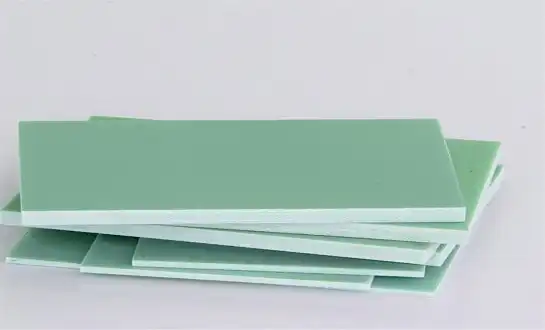
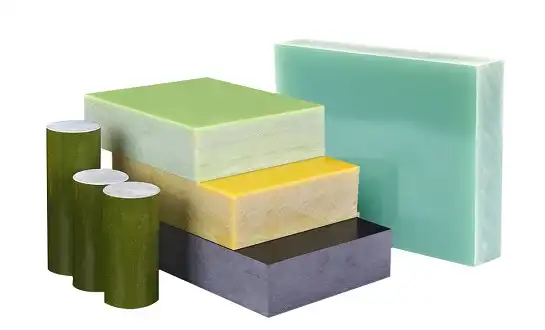
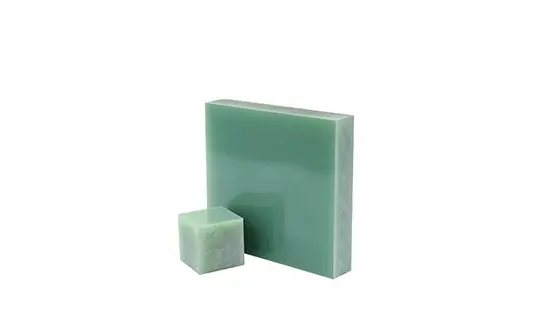
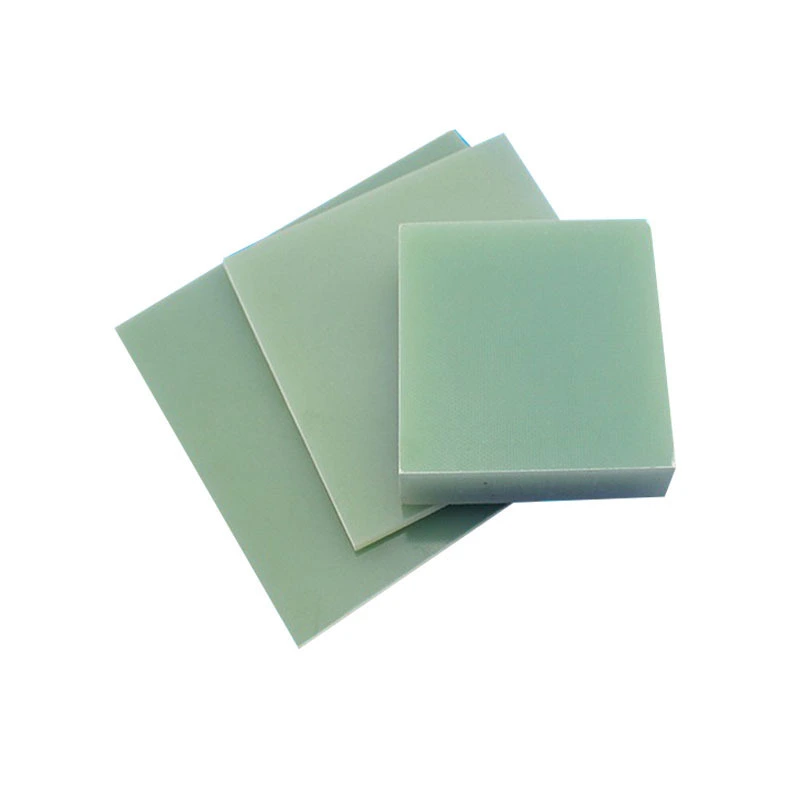
With the NEMA grade number "FR-4," FR4 Epoxy Sheet is a high-quality high-pressure thermoset plastic laminate. Its structure is made up of separate layers of continuously woven fiberglass cloth that has been mixed with an epoxy resin binder and then pressed together using heat and pressure. The "FR" stands for "Flame Retardant," which means that it meets UL94 V-0 standards for flammability. This is usually done with brominated epoxy formulas. This material solves important problems in the industry by providing reliable electrical isolation in damp places where cheaper materials like phenolic paper fail, stopping mechanical deformation during solder reflow processing, and maintaining its shape for precise CNC machining of complex insulation parts.
Physical and Electrical Characteristics That Matter
In terms of technology, this glass-reinforced material has great electrical qualities and a high strength-to-weight ratio. Some important physical properties are a density of about 1.85–2.10 g/cm³, a very low water absorption of less than 0.2% per ASTM D570, and a bending strength of more than 340 MPa. Standard versions have a Glass Transition Temperature (Tg) between 130°C and 140°C, while High-Tg versions reach 170°C or higher, which means they can be used continuously at 130°C without delamination. It has an electrical breakdown voltage of more than 40kV perpendicular to the laminations and an arc resistance of more than 60 seconds. Its main benefit is that it keeps its high dielectric strength (usually 500 V/mil) even when it's dry or wet. This makes it better than G10 in safety-critical uses that need self-extinguishing qualities that meet NEMA LI 1-1998, IEC 60893, and MIL-I-24768/27 standards.
Why These Properties Solve Real-World Electrical Challenges?
These features make the system safe, reliable, and long-lasting by being able to handle the heat and pressure that are common in electronics and industrial settings. Power distribution companies use these traits to make coil insulation and arc barriers. Automotive makers use them to make battery pack barriers and heat-resistant fixings. The chemical strength of the material guards against oils, solvents, and cleaning agents that are commonly used in factories. This makes parts last longer and requires less upkeep.
CNC Machining: Enhancing FR4 Epoxy Sheet Usability and Performance
The Limitations of Traditional Machining Methods
Traditional cutting of fiberglass-reinforced laminates often wastes material, makes measurements less accurate, and damages the edges, which lowers the quality of the component as a whole. When cutting by hand, the tolerances aren't always accurate, and when drilling normally, the material delaminates around the holes. Because glass strands are rough, regular cutting tools get dull very quickly. This makes the sides rough, which weakens the electrical insulation. When making complicated forms for switchgear assemblies or precision PCB supports, where differences in size of just 0.1mm can cause assemblies to fail, these problems become very important.
How CNC technology changes the accuracy of manufacturing
CNC machining solves these problems by making cuts with great accuracy, edges that are smooth, and tolerances that stay the same, which is important for making complex shapes and custom sizes. Positioning accuracy is kept within ±0.05mm by computer-controlled equipment, which lets complex profiles for motor brackets and insulation frames be made. When making epoxy-glass composites, automated tool paths make the best use of cutting speeds and feed rates while minimizing human mistake. Professional CNC shops use carbide or diamond-tipped tools along with HEPA dust extractor systems to handle the fine glass dust that is made during cutting while still meeting safety standards at work.
Real Applications Demonstrating Performance Gains
When CNC machines are used to make electrical insulation parts for high-voltage switchgear from FR4 Epoxy Sheet, they can make smooth contours that keep voltage stress from building up. Manufacturers of PCB substrates make sure that boards are always the same width and flatness, which is necessary for automatic assembly processes. Transformer makers get arc barriers that are carefully machined and have clean edges that stop tracking paths. This directly increases electrical safety margins. These successful implementations show how CNC machining makes complicated electrical system parts easier to use, cuts down on mistakes in production, and boosts performance.
Comparative Overview: FR4 Epoxy Sheet vs Alternative Materials
Performance Against Common Alternatives
This woven glass-epoxy laminate regularly works better in electrical insulation, thermal resistance, and mechanical toughness when compared to other materials such as aluminum PCB boards, PET sheets, CEM-1, and FR2. Aluminum PCBs are better at getting rid of heat, but they don't separate the electricity in the circuits. PET sheets are flexible, but they can't handle temperatures high enough for soldering. The paper support in CEM-1 soaks up water, which lowers its dielectric qualities. FR2 phenolic laminates are less expensive, but they don't meet the standards for flame retardancy in safety-critical apps. All of these things are balanced by the epoxy-glass composite, which gives reliable performance in a wide range of operating conditions.
Standard Grade Versus High Tg Variants
The main difference between standard and High-Tg versions is how well they perform at high temperatures and in flame retardancy tests that are important for advanced engineering uses. Standard grades with Glass Transition Temperatures around 135°C work well for most tin-lead soldering uses in electronics production. High-Tg versions that hit 170°C or higher can be used with lead-free soldering methods that need higher reflow temperatures. This stops the Z-axis from expanding, which can cause barrel cracks in plated through-holes. This temperature stability is very important for electronics in cars that are exposed to hot temperatures under the hood and for power electronics that have to handle a lot of heat.
Why This Material Dominates Electrical System Selection
When it comes to electrical systems, fiberglass-epoxy laminates are the best choice because they are reliable, cost-effective, and flexible. Manufacturing scalability can handle both small amounts for prototypes and large amounts for mass production. Established supply chains make sure that materials are available on markets around the world. Full approval records make it easier to check that safety standards like UL, ROHS, and industry-specific ones are being met. These practical benefits go well with technical performance and make procurement easy for technical procurement teams and engineering managers.
Procurement Considerations for B2B Buyers of CNC Machined FR4 Epoxy Sheets
Understanding Key Supply Chain Metrics
Key procurement metrics, like MOQ, pricing, and lead times, are very important for keeping costs low and the supply chain running smoothly. Minimum order numbers vary from supplier to supplier, but they are usually between one sheet for testing and a full pallet for production runs. Prices are based on the type of material, its thickness, sheet size, and how hard it is to machine. Customers who have been buying from the same supplier for a long time can get volume discounts. Lead times vary depending on whether you buy stock sheets or custom-machined parts. Standard sizes are available right away, while precision-machined pieces that need to be inspected for quality take several weeks.
Selecting Suppliers That Match Your Requirements
To judge a manufacturer's image, you need to look at their certifications, production capability, and quality control methods. OEM sellers often offer a range of services, such as engineering support and special tooling. Wholesale distributors, on the other hand, can handle smaller orders and send standard sizes more quickly. Shipping costs and delivery times are affected by where the goods are shipped. For example, domestic suppliers cut down on transportation time and make communication easier, while international manufacturers may offer lower costs for large orders. Suppliers with ISO 9001 certification and well-established quality control procedures lower the risk of procurement by making sure that all production batches of the same material have the same properties.
The Strategic Value of Sampling and Customization
Before committing to production orders for FR4 Epoxy Sheet, asking for samples lets you check the features of the material, the quality of the cutting, and the accuracy of the measurements. The review of samples shows the quality of the edges, holes, and surfaces, all of which have a direct effect on how well the parts fit together and how well they work. Customization options in CNC machining let you make sure that the measurements, hole shapes, and edge profiles are exactly what you need for your project, getting rid of the need for extra work and lowering the overall cost of production. Building good relationships with suppliers through clear instructions and regular contact makes it easier to work together to solve problems when changes need to be made to the design or shipping needs to be sped up.
Best Practices for Using CNC Machined FR4 Epoxy Sheets in Electrical Systems
Protecting Material Integrity Through Proper Handling
If you handle and store fiberglass-epoxy laminates the right way, they won't get damaged by things like water, UV light, and chemicals, and the material will stay intact. To keep sheets from losing their dielectric properties, keep them in climate-controlled spaces with humidity levels below 60%. Keep things out of direct sunlight, which can change the color of the surface and break down resin over time. Use clean gloves to handle sheets so that you don't spread oils that could mess up gluing or coating steps later on. To keep sheets from warping, stack them horizontally on flat surfaces and use separating sheets between layers to keep surfaces from getting scratched.
Installation Techniques That Ensure Reliable Performance
For the safety and performance of the electrical system, installation advice focuses on making sure that parts fit securely and work with each other. Use isopropyl alcohol to clean all surfaces before putting them together to get rid of grinding leftovers and other contaminants. Choose the right bolts. Hardware made of nylon or stainless steel will stop galvanic corrosion and provide enough gripping force. Don't tighten fasteners too much, because that can cause stress concentrations that can cause brittle thermoset materials to crack. Follow the electrical code for the voltage class to make sure there is enough space between high-voltage conductors and grounded surfaces. Before the final installation, check that the dimensions of the parts that go together are compatible during the dry assembly process.
Maintenance Strategies That Extend Service Life
Maintenance instructions stress the importance of regular checks and taking care of normal wear and tear, which helps epoxy-glass parts last longer in manufacturing and industrial settings. Set up regular eye checks to look for surface tracking, mechanical damage, and color changes that could mean heat stress. Use mild soaps and soft brushes to clean the parts. Don't use rough cleaners, which can scratch the surfaces and make paths for electricity to flow. During routine maintenance, check the torque of the fasteners and retighten any links that have become loose due to heat cycles. Before they break, parts that are delaminating, cracking, or carbon tracking should be replaced. This will avoid unexpected downtime and safety issues.
Conclusion
Fiberglass-epoxy laminates that are CNC machined are now an important part of all modern electrical systems because they combine great material properties with precise manufacturing, and FR4 Epoxy Sheet is a key example. The high level of electrical insulation, temperature stability, flame retardancy, and mechanical strength meets the strict needs of companies that make electronics and electrical goods, as well as those that build industrial machinery, work in the power sector, supply cars, and make appliances. CNC machining turns these natural benefits of materials into exactly made parts that fit perfectly into complex assemblies, cutting down on production mistakes and letting customers make their own parts. When engineers and procurement workers know about the properties of materials, things to think about when buying them, and best practices, they can make decisions that improve system stability, meet safety standards, and lower the total cost of ownership.
FAQ
What thickness works best for electrical insulation applications?
The choice of thickness is based on the voltage levels and the mechanical needs. For parts that work below 600V, thicknesses of 1.6mm to 3.2mm are common. These thicknesses provide enough dielectric strength while keeping the weight and ease of machining reasonable. For uses with voltages above 1000V, sheets that are 6.4 mm thick or bigger may be needed to make sure there are enough electrical gaps. Thickner choices up to 12.7mm are better for mechanical uses that need to prioritize structural strength.
How does CNC machining affect production lead times?
Depending on the complexity of the design and the length of the production line, CNC cutting usually adds one to three weeks to the wait time compared to buying raw sheet material. The time spent on machining results in parts that are ready to be installed, which cuts down on the time needed for secondary operations to be done in-house and shortens the overall project timeline. When production plans call for faster shipping, rush services can meet urgent needs.
Can suppliers provide customized shapes and sizes?
Manufacturers with a good reputation let you make a lot of changes to their products by using detailed CAD drawings to make parts with specific sizes, hole patterns, and edge profiles. Custom cutting lets you get the best design solutions without sacrificing any of the project's specific needs that standard sheet sizes can't meet. Digital manufacturing processes let sample designs be changed quickly before they are made into production tools.
Partner With J&Q for Your FR4 Epoxy Sheet Requirements
If you pick the right supplier, procurement goes from being a necessary evil to a strategic asset. J&Q brings to every job more than 20 years of experience making things and more than 10 years of experience trading with other countries. They make precision-machined parts that meet exact specs. Because we have long-term relationships with trading partners in both the United States and other countries, we can offer flexible sourcing options that meet the needs of cost, quality, and delivery. We handle our own transportation, so we can offer a complete, one-stop service from choosing the materials to delivering them.
Our technical team can help you with your needs by giving you engineering advice and quality assurance methods. This is true whether you need trial samples to make sure your designs work or large quantities of products with consistent batch quality. Email us at info@jhd-material.com to talk about the needs of your project, get examples, or get cheap quotes. As a maker of FR4 Epoxy Sheet with a lot of experience, we know how important these materials are for your electrical systems and are ready to give your projects the accuracy, dependability, and service they need.
You can find more technical information about choosing the right material, the best ways to machine it, and how to solve specific problems at blog.jhd-material.com. This will help your engineering team make better decisions.
References
1. National Electrical Manufacturers Association. (2020). Industrial Laminating Thermosetting Products Standards Publication NEMA LI 1-1998. NEMA Standards Publication.
2. Institute of Printed Circuits. (2019). Performance Characteristics of Base Materials for High Reliability Applications. IPC Technical Review.
3. International Electrotechnical Commission. (2018). IEC 60893: Insulating Materials - Industrial Rigid Laminated Sheets Based on Thermosetting Resins for Electrical Purposes. IEC Standards Documentation.
4. American Society for Testing and Materials. (2021). ASTM D570: Standard Test Method for Water Absorption of Plastics. ASTM International Standards.
5. Underwriters Laboratories. (2020). UL94: Standard for Safety of Flammability of Plastic Materials for Parts in Devices and Appliances. UL Certification Standards.
6. Materials Research Society. (2019). Thermal and Mechanical Behavior of Glass-Reinforced Epoxy Laminates in Electronic Applications. Journal of Materials Engineering and Performance, Volume 28, Issue 6.

Get a complete product list and quotation
J&Q New Composite Materials Company