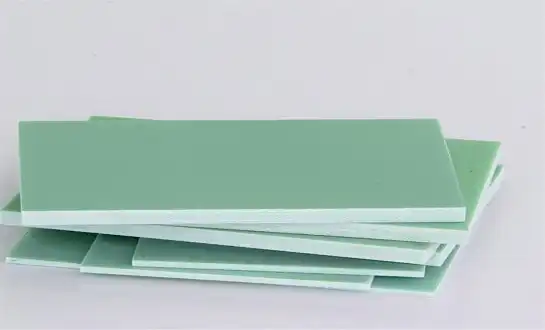
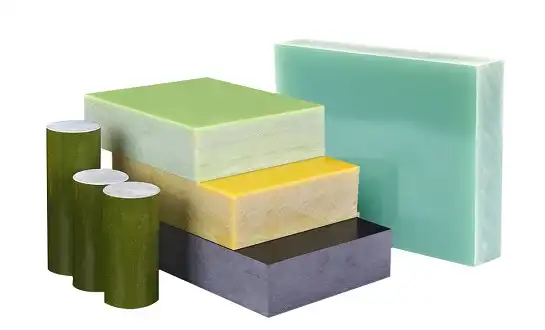
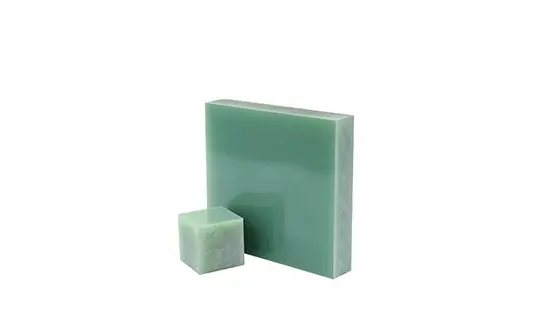
Why Do Industrial Buyers Select CNC Machined Bakelite Sheet Parts?
Industrial buyers select CNC machined Bakelite sheet parts because they deliver unmatched dimensional accuracy, repeatable precision, and superior electrical insulation properties required for mission-critical applications. Phenolic laminate materials, when combined with computer-controlled machining, provide reliable mechanical strength and thermal stability that traditional manufacturing methods cannot consistently achieve. Engineering managers and procurement teams recognize that CNC-processed components eliminate human error, ensure tight tolerances, and reduce costly rework. This combination of material reliability and manufacturing precision positions these parts as essential solutions for electrical insulation, structural supports, and high-temperature environments across multiple industrial sectors.
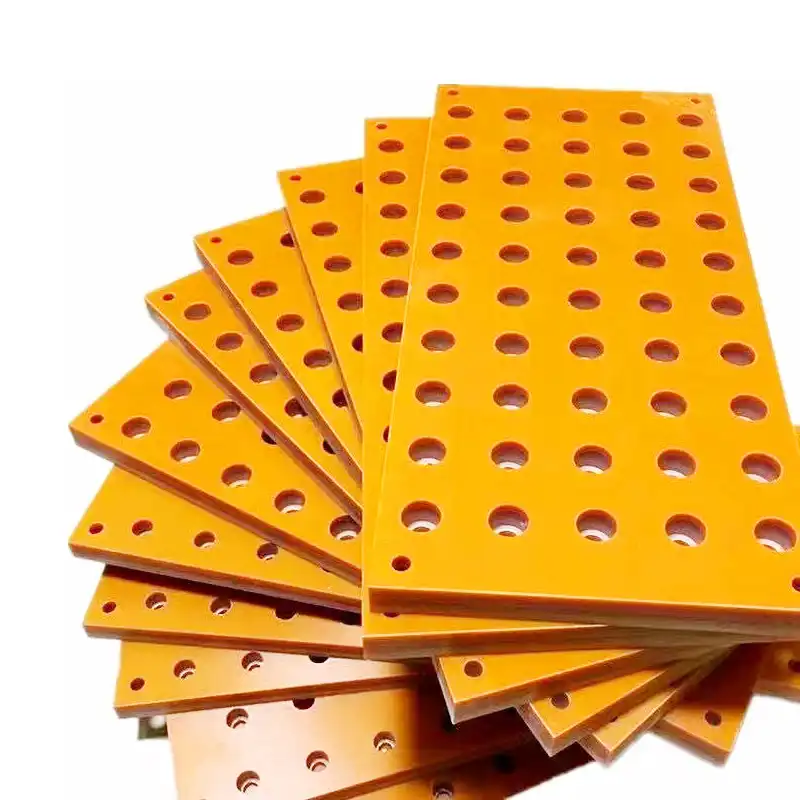
Understanding Bakelite Sheet – Properties and Industrial Advantages
The Composition and Formation Process
Phenolic paper laminated sheets are made using a complex process that combines phenolic resin with cellulose fiber reinforcement. The process starts when phenol and formaldehyde combine by condensing in industrial boilers with controlled heat and pressure. This chemical bonding makes a three-dimensional molecular network that can't be melted down or reshaped after it has hardened. This is what makes it fundamentally different from thermoplastic alternatives. This glue is put on layers of paper or cloth, which are then stacked between metal plates in hydraulic presses. During the curing process, temperatures above 140°C and pressures of several hundred pounds per square inch are used to turn the layered composite into a solid, even structure.
The final product fills a crucial engineering gap between pricey technical ceramics and consumer plastics that aren't strong enough. Different grades are possible because of differences in how they are made. Grade X has better mechanical strength for load-bearing uses, while Grade XXX has better protection to moisture and dielectric performance for electrical settings with a lot of humidity.
Core Material Properties That Matter to Engineers
Because of their unique properties, phenolic laminates are essential in many industry settings. The material has a very high dielectric strength, which means that electrical current can't leak even when the voltage is high, which is common in switchgear and transformer assemblies. Thermal stability means that it can be used continuously up to 120°C without breaking down or losing its ability to insulate. Chemical protection is important for machines that are exposed to oils, solvents, and weak acids because it keeps parts in good shape for long periods of time.
A high strength-to-weight ratio is one of the mechanical properties that lets parts hold heavy loads without having too much mass. Low moisture absorption—usually less than 1% by weight—maintains shape stability in a range of humidity levels, stopping the bending and swelling that can damage precision parts. The material is naturally resistant to fire, which meets the strict safety standards needed in electrical shelters and tools for distributing power.
These basic features solve some problems that engineering managers have, like the need for cheap electrical insulation in harsh environments, stable dimensions during precise machining, and structural integrity in situations where regular plastics would break under heat or mechanical stress.
Why CNC Machined Bakelite Parts Are the Preferred Choice
Precision and Repeatability Advantages
Raw phenolic laminate materials such as Bakelite sheet can be transformed into precision-engineered components with accuracy measured in thousandths of an inch through computer-controlled cutting technologies. CNC processing eliminates many inconsistencies associated with manual fabrication, allowing Bakelite sheet parts to be produced repeatedly with the same dimensions and quality across hundreds or thousands of units. This high level of repeatability is especially important for electrical switchgear assemblies, where an improper fit may lead to dangerous arc flash risks, and for mechanical applications where misalignment can accelerate wear and reduce service life. By using advanced machining methods, Bakelite sheet provides reliable dimensional accuracy, stable performance, and consistent quality for demanding industrial applications. The precision manufacturing capability of Bakelite sheet helps engineers achieve better assembly efficiency, improved safety, and longer-lasting components in electrical and mechanical systems. For industries requiring dependable insulation materials and precise fabrication, Bakelite sheet remains a valuable solution supported by modern CNC manufacturing processes.
The technology makes it possible to make complicated shapes that were not possible before. Solid material can be shaped into internal cavities, compound angles, and complex shapes without the need for expensive molds or tooling changes. Without the long lead times that come with injection molding or casting, engineering teams can quickly make changes to designs by changing sizes or features.
Material Utilization and Cost Efficiency
CNC machining makes the best use of material by only taking the stock that is needed. This cuts down on waste compared to methods that need blocks that are too big or make a lot of scrap. Advanced nesting software places parts on sheet stock in the best way possible, getting the most out of each piece of raw material. Buyers who are in charge of high-volume production plans can save money because of this efficiency.
This way of doing things works especially well for custom or low-volume jobs where the cost of tools for other methods is too high. Purchasing managers can order exactly the amount they need without having to commit to minimum batch sizes set by molding operations. This makes it easier to keep track of inventory and cash flow.
Application in Critical Industrial Sectors
CNC-machined phenolic parts are used by companies that make electrical equipment to support circuit boards, stop arcs, and act as insulators in high-voltage assemblies. Accurate measurements and reliable insulating properties work together to make sure safety rules are followed and the system lasts a long time. Machine builders use these parts to make wear-resistant gears, bearing supports, and structural insulators. The accuracy of the dimensions has a direct effect on how well the equipment works and how often it needs to be serviced.
Machined parts are used in power distribution to separate generator coils, insulate busbars, and act as thermal shields to keep sensitive parts from getting too hot during normal operation. Automotive makers use them in heat-resistant fixtures, motor housings, battery pack systems, and other places where temperature stability and electrical separation are important.
Comparing Bakelite Sheets with Alternative Materials for Industrial Uses
Performance Against Plastics and Composites
When procurement teams look at different types of materials, phenolic laminates clearly stand out from common plastics like ABS or polycarbonate. The cost of raw materials for thermoplastics is lower, but they are not thermally stable enough for uses where temperatures need to stay above 80°C for a long time. Phenolic materials keep their shape and electrical qualities even at temperatures where other plastics melt, deform, or give off dangerous gases.
Fiberglass-reinforced plastics provide excellent tensile strength, but their glass fibers can reduce electrical insulation performance because the strands may affect conductivity. In comparison, Bakelite sheet made from phenolic paper laminates offers an excellent balance of mechanical rigidity and dielectric strength, making it suitable for applications that require both structural support and reliable electrical isolation. The stable properties of Bakelite sheet allow it to perform effectively in environments where insulation, durability, and dimensional stability are essential. When exposed to oils, fuels, and industrial solvents commonly found in machinery and automotive systems, Bakelite sheet provides stronger chemical resistance than many engineering thermoplastics. This combination of electrical insulation, mechanical strength, and chemical durability makes Bakelite sheet a dependable material choice for electrical components, industrial equipment, and automotive applications. By using Bakelite sheet, manufacturers can achieve reliable performance in demanding conditions while maintaining long-term product stability and safety. The proven characteristics of Bakelite sheet continue to make it a valuable solution for industries requiring high-performance insulating materials.
Supply Chain and Economic Considerations
Established production infrastructure makes sure that phenolic laminate materials are always available at prices that are affordable. When compared to specialty composites, which need longer procurement cycles, mature supplier networks offer reliable lead times even for large orders. This lowers the risk in the supply chain. The material has a higher starting cost, but it lasts a long time and doesn't need much upkeep, so the lower total cost of ownership makes up for it.
Standardized grades and specifications make it easier for buyers to get goods from multiple suppliers without having to go through a lot of requalification steps. This adaptability comes in handy when there are problems with supplies or when trying to get the best deals from vendors in different parts of the world.
Essential Procurement Considerations for Industrial Buyers
Supplier Reliability and Quality Assurance
Choosing the right production partner affects the standard of the parts and the success of the project. Most of the time, factory-direct makers have better customization options, faster tech support, and lower prices than dealers who sell through middlemen. Managers in charge of buying things should check that suppliers have the right certifications, like ISO quality management systems and industry-specific compliance standards like UL or ROHS. This is to make sure that the parts meet safety standards for electricity and environmental issues.
Quality testing methods keep buyers from making expensive mistakes. Before committing to production, it is important to get material approvals, dielectric strength testing results, and dimensional inspection data. This will help lower the risk. Before committing to volume orders, engineering teams can use sample orders to test how well parts work in real-world situations, make sure they work with existing assemblies, and find any problems that might come up with integration.
Logistics and Order Flexibility
Lead times that work well have a big effect on project schedules and the cost of keeping inventory on hand. When manufacturers already know how much they can make and have an inventory of materials, they can quickly meet urgent needs without having to wait for expensive production delays. Customized shipping choices, such as staggered packages that work with assembly plans, improve working capital by lowering the need for on-site inventory.
Volume purchase agreements often save money and make sure that materials are available when demand is high. When buyers work with suppliers who know how business-to-business (B2B) purchases work and can offer flexible minimum order numbers for trial stages and scalable production support as programs reach full volume, both parties benefit.
How to Ensure Successful Integration of CNC Machined Bakelite Parts
Design Guidelines for Optimal Performance
Selecting the right material and planning proper dimensions are the first steps toward successful component assembly when using Bakelite sheet. Engineers should determine suitable thicknesses and widths based on expected mechanical loads while considering the brittle characteristics of Bakelite sheet, which requires carefully designed cross-sections to prevent cracking from impact forces or accumulated stress. Proper design practices for Bakelite sheet components include avoiding sharp internal corners and applying larger radii to reduce stress concentration points that could lead to cracks during operation. By optimizing the structure and dimensions of Bakelite sheet, manufacturers can improve mechanical reliability, extend service life, and maintain stable performance in demanding applications. Careful engineering design ensures that Bakelite sheet provides the required combination of insulation, strength, and durability for industrial and electrical components. The correct selection and processing of Bakelite sheet help prevent premature failure and support dependable long-term operation.
Knowing the limits of machining stops designers from adding features that damage the material or make it more expensive to make. Because phenolic laminates are rough and break easily, they need to be cut with carbide or diamond-tipped tools and at controlled feed rates. Designers should stay away from parts with very thin walls, deep, narrow holes, or lots of small features that make the part harder to machine and cost more without adding any usefulness.
Operational Handling and Maintenance
Using the right installation and operation methods can make a component last longer. Phenolic materials work best when they are kept away from strong alkaline solutions or oxidizing acids for a long time, because these chemicals can break down the resin matrix over time. Temperature control is still very important. The material can handle constant use up to 120°C, but above that temperature, it turns into carbon and loses its ability to insulate electricity.
Routine check methods find damage or wear before they cause problems. Visually checking for surface cracks, coloring from heat damage, or changes in size due to chemical exposure makes it possible to plan for replacements ahead of time. Cleaning with mild detergents and avoiding rough scrubbing protects the surface and keeps the electrical insulation working at its best for as long as the part is in use.
Collaborative Manufacturing Relationships
Including suppliers early on in the design process speeds up problem-solving and improves the ability to make the product. Manufacturers with a lot of experience can help you choose the right materials, get the best physical standards with CNC processing, and make design changes that save money without sacrificing performance. Before making production tools or buying a lot of materials, engineering teams can talk about prototypes and look at how they look, fit, and work.
Technical help after the sale is what sets great sellers apart from transactional ones. Buyers get ongoing value beyond the initial purchase deal when they can get help from engineers to solve problems with installation, material compatibility, or performance improvement.
Conclusion
Industrial buyers choose CNC-machined phenolic laminate components made from Bakelite sheet because they meet critical performance requirements that many alternative materials and manufacturing methods cannot consistently achieve. The combination of excellent electrical insulation, thermal stability, chemical resistance, and precision machining capability allows Bakelite sheet components to satisfy demanding specifications across electrical equipment, machinery, power systems, automotive applications, and appliance industries. Procurement managers can gain significant advantages by understanding the material characteristics of Bakelite sheet, evaluating suppliers based on quality management systems and technical support capabilities, and applying proper design practices that improve component performance throughout extended service lifecycles. The reliable properties of Bakelite sheet make it a valuable solution for applications requiring dimensional accuracy, mechanical strength, and stable insulation performance. By selecting high-quality Bakelite sheet and experienced manufacturing partners, companies can achieve improved reliability, reduced maintenance requirements, and long-term operational efficiency. The proven performance of Bakelite sheet continues to support industrial applications where durability and precision are essential.
FAQ
What Distinguishes Different Phenolic Laminate Grades?
Material grades differ primarily in resin content and intended application focus. Grade X formulations prioritize mechanical strength for load-bearing components, while Grade XXX compositions provide enhanced moisture resistance and electrical insulation performance critical in high-humidity environments. Buyers should specify grades based on the dominant performance requirement—mechanical loads, electrical insulation, or environmental exposure conditions.
Can CNC Machined Phenolic Parts Withstand Outdoor Environments?
Direct prolonged ultraviolet exposure gradually degrades phenolic resin, causing surface discoloration and reduced dielectric properties over time. Applications requiring outdoor exposure should incorporate protective coatings or enclosures that shield components from sustained UV radiation while allowing normal operational heat dissipation.
How Do Machining Parameters Affect Part Quality?
Phenolic materials are inherently brittle and abrasive, requiring carbide or diamond-tipped cutting tools operating at high spindle speeds with controlled feed rates. Excessive feed rates cause chipping along cut edges, while inadequate dust extraction creates respiratory hazards and contamination issues. Experienced CNC operators adjust parameters based on material grade, part geometry, and tolerance requirements to optimize surface finish and dimensional accuracy.
Partner with J&Q for Reliable Bakelite Sheet Solutions
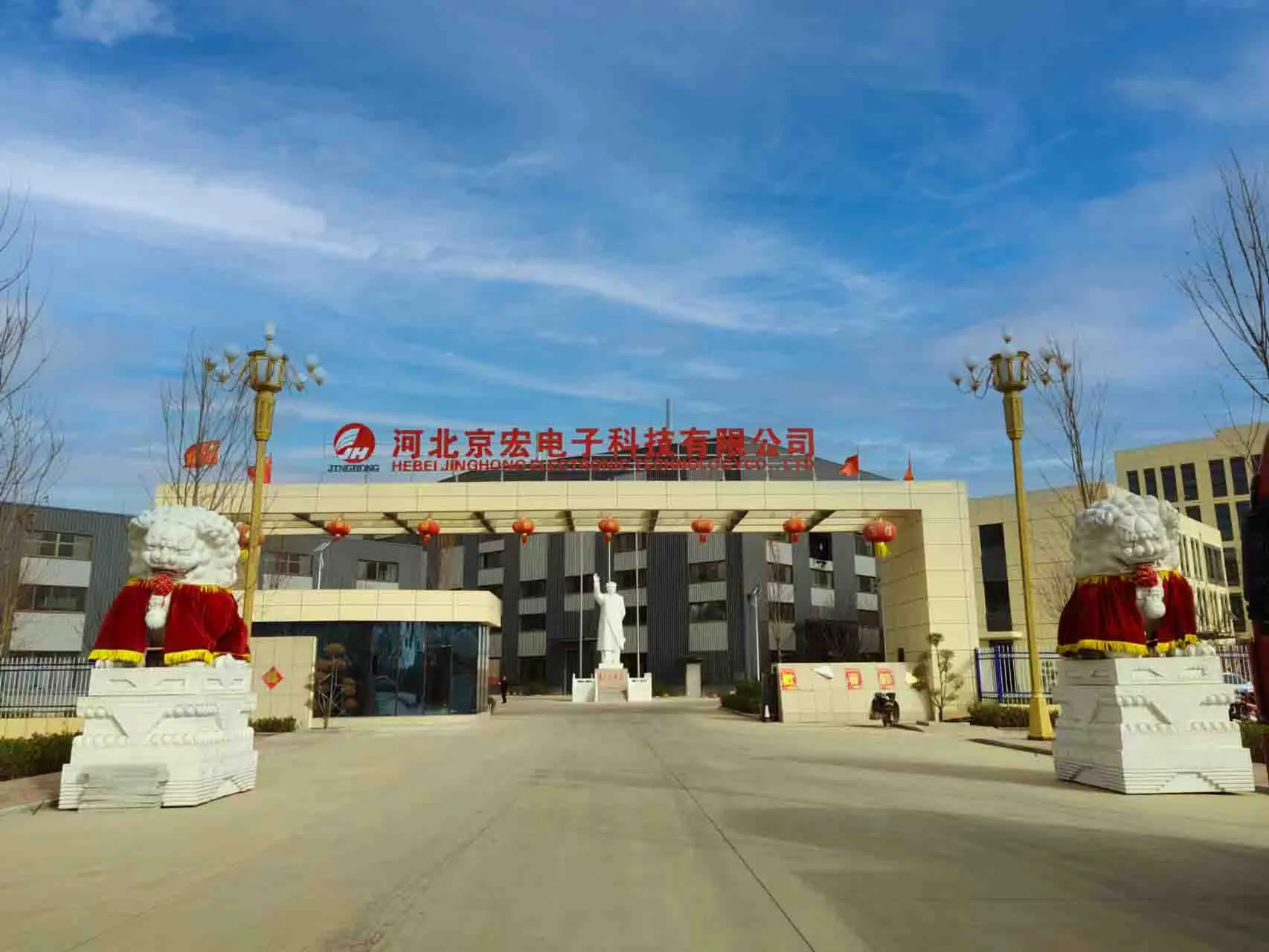
J&Q brings over two decades of manufacturing expertise specifically focused on electrical insulation materials and CNC machined phenolic components. Our factory-direct approach provides engineering managers and procurement teams with customized solutions, competitive pricing, and responsive technical support throughout the product lifecycle. Rigorous quality systems ensure every component meets specified tolerances and material properties, backed by comprehensive testing documentation and material certifications.
Our integrated logistics capabilities enable flexible delivery schedules aligned with your production requirements, whether you need prototype quantities for design validation or high-volume shipments supporting ongoing manufacturing operations. As an established Bakelite Sheet manufacturer with extensive B2B experience, we understand the procurement challenges facing industrial buyers and structure our processes to simplify sourcing while ensuring consistent quality. Contact our team at info@jhd-material.com to discuss your specific application requirements and discover how our material expertise and manufacturing capabilities can support your next project.
References
1. Bigg, D.M. (2018). Thermosetting Plastics: Properties, Performance and Engineering Applications. Materials Engineering Press.
2. Harper, C.A. (2017). Handbook of Plastics Technologies: The Complete Guide to Properties and Performance. Industrial Materials Publishing.
3. Richardson, T.L. & Lokensgard, E. (2019). Industrial Plastics: Theory and Applications (6th Edition). Cengage Technical Education.
4. Mallick, P.K. (2020). Thermosets: Structure, Properties and Applications. Composite Materials Institute.
5. Zhang, W. & Chen, Y. (2021). "Performance Characteristics of Phenolic Laminate Composites in High-Temperature Electrical Applications." Journal of Industrial Materials Science, 45(3), 287-301.
6. Davidson, R.S. (2019). CNC Machining of Engineering Plastics: Best Practices for Thermoset Materials. Precision Manufacturing Publications.

Get a complete product list and quotation
J&Q New Composite Materials Company