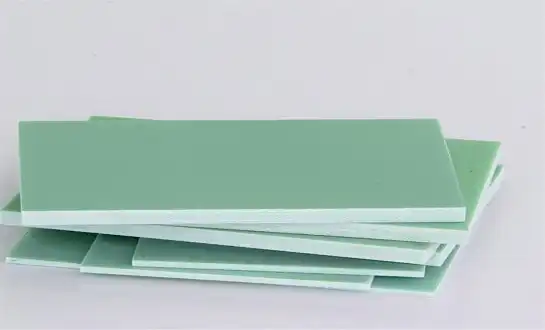
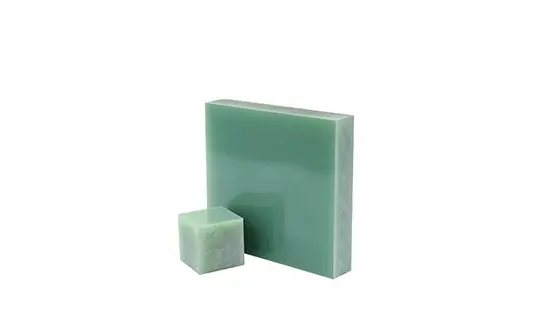
CNC Drilling and Milling 3240 Epoxy Sheet for Transformer Components
When transformer manufacturers demand precision and reliability, the 3240 epoxy sheet emerges as an indispensable material. This high-performance insulating laminate combines woven glass fabric with epoxy resin, delivering exceptional dielectric strength and mechanical integrity. CNC drilling and milling techniques unlock its full potential, allowing engineers to create intricate transformer components with tight tolerances. The synergy between advanced machining capabilities and material properties has revolutionized how we approach electrical insulation challenges in power distribution systems. Understanding this combination can significantly impact your procurement decisions and production outcomes.
Understanding 3240 Epoxy Sheet and Its Relevance in Transformer Components
Composition and Manufacturing Excellence
Working with electrical insulation materials for 20 years has taught us that the make-up of a material has a direct effect on how well it works. Through a controlled drying and hot-pressing process, electrical-grade woven glass cloth is fully saturated with epoxy resin to make the 3240 Epoxy Sheet. This way of making things makes a layered structure where each fiber strengthens the overall strength. The sheets that are made this way keep their properties even when they are electrically stressed or heated and cooled many times.
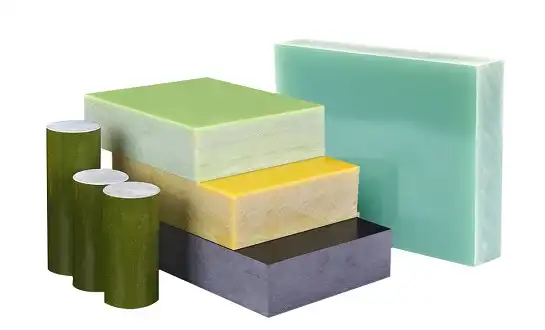
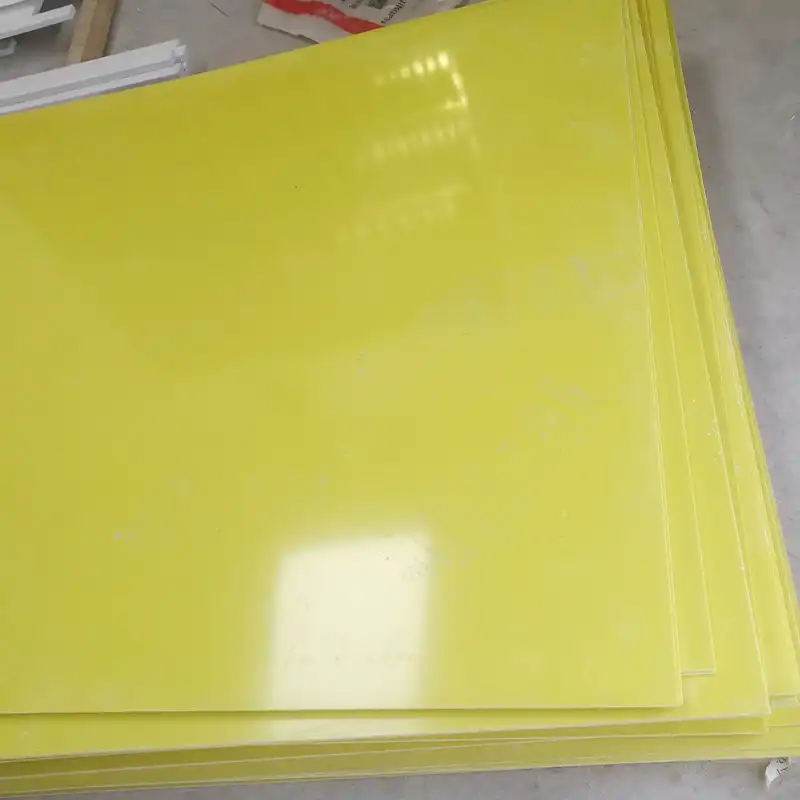
During the production process, careful temperature control and pressure application are used to make sure that the resin goes all the way through the layers of the glass fabric. This careful attention to detail during production gets rid of gaps and unevenness that could hurt the insulation's performance. We've seen that properly made sheets have even color distribution—usually yellow, red, green, or black—and surfaces that don't have any bubbles, pits, or wrinkles that could mean the drying process isn't complete.
Critical Properties for Transformer Applications
Transformers work in tough situations where materials have to handle constant electrical stress, changes in temperature, and mechanical loads. This material has a Class B temperature grade, which means it works effectively at high temperatures for a long time. This makes it good for use as coil insulation, arc barriers, and thermal protection in power distribution equipment.
When parts are subject to shaking and growth forces, mechanical strength is still the most important thing. The tensile strength from the glass cloth support keeps the shape from changing, and the epoxy matrix keeps the shape stable even when the humidity level changes. This material has been chosen by engineering teams for generator spacers and support structures because the 3240 Epoxy Sheet stays the same size throughout the equipment's lifetime.
Electrical properties define the 3240 Epoxy Sheet's main value in transformer construction. When tested perpendicular to the laminations in transformer oil, voltage stress of more than 10-15 kV/mm usually doesn't cause breakdown as long as the dielectric strength is high. The low dielectric constant keeps energy losses to a minimum, which improves the overall efficiency of the transformer. Chemical resistance keeps you safe from transformer oils and cleaning solvents that you might come across while putting things together or doing maintenance.
Available Specifications and Customization
Standard thickness runs from 0.5mm to 50mm to meet a wide range of design needs. However, bigger 3240 Epoxy Sheets up to 150mm may be needed for certain uses. Because of this, engineers can choose the best sizes for different transformer configurations, taking into account both the need for insulation and the available space. Being able to get different sizes from a single provider makes buying easier and simplifies inventory management for factories that handle multiple product lines.
CNC Drilling and Milling: Precision Processing for Transformer Applications
Why CNC Machining Matters for Transformer Components
With precise cutting, raw 3240 Epoxy Sheets can be turned into working generator parts that meet exact requirements. When you use traditional cutting methods, you often end up with rough edges, delamination, or differences in dimensions that make the product less useful. These problems can be fixed with CNC technology, which uses computer-controlled toolpaths to keep feed rates, cutting speeds, and tool pressure constant during the whole machining process.
It is possible for CNC machines to work with 3240 Epoxy Sheet laminates because the materials behave consistently when cut in controlled conditions. When the right techniques are used, properly machined 3240 Epoxy Sheets don't produce much thermal buildup, unlike metals that do so through friction. This feature makes it possible for clean holes, smooth surfaces, and sharp corners, all of which are necessary for accurately putting together parts in the production of transformers.
Best Practices to Avoid Machining Defects
Working together with machinery and generator makers for years has helped us figure out key things that stop common machining problems. Choice of tool has a big effect on the outcome; carbide-tipped bits stay sharp longer than high-speed steel, which lowers the risk of fiber pull-out or edge chipping. Sharp cutting edges cut glass fibers cleanly instead of tearing them, which keeps the surrounding 3240 Epoxy Sheet material from coming apart.
Feed rates and spinning speeds need to be carefully balanced. Too much speed can create heat that can soften epoxy resin, which can lead to smearing and wrong measurements. On the other hand, slow feeds with high pressure may cause the layers of a 3240 Epoxy Sheet laminate to separate. Expert machine operators change these settings based on the thickness of the sheet and the difficulty of the operation they are performing. They often make test cuts to make sure the settings are correct before processing large amounts of material.
The use of coolant helps control the heat and move chips away from the cutting areas. For some tasks that need to be done without water, using strategic air blast or minimal mist coolant keeps dust from building up on 3240 Epoxy Sheet cutting surfaces and makes tools last longer. It is especially important to get rid of chips properly when drilling deep holes, where debris that gets stuck can cause binding and then cracking.
Real-World Implementation Success
One transformer maker we worked with had trouble making sure that the holes for the bushing fixing plates were always in the same place. Their old method of drilling by hand created differences that were too big to be accepted, which made assembly difficult and caused parts to be rejected. When they switched to CNC drilling with tools made just for the size of their 3240 Epoxy Sheets, the number of mistakes dropped a lot and output went up. The exact placement of the holes made it possible to automate the building process, which cut down on labor costs and raised the quality of the final product.
In a different use, milling complicated slot patterns for coil separation barriers was needed. Because the shape was so complicated, it needed a lot of tool changes and accurate depth control, which could not be done by hand. When CAD-derived toolpaths were programmed into CNC milling tools, the same 3240 Epoxy Sheet parts were made in each production run. This helped the maker meet the high quality standards that utility companies buying their transformers required.
Comprehensive Comparison: 3240 Epoxy Sheet vs Alternatives for Electrical Insulation
Material Performance Analysis
When choosing insulation materials, you have to compare their electrical, mechanical, and environmental performance to the needs of the application. Different options like FR4, G10, phenolic, and fiberglass sheets are useful for different things, but knowing their relative strengths helps procurement teams make smart choices.
The FR4 grade has the same glass-epoxy design but is more resistant to flames. This makes it the best choice for situations where fire safety rules require the material to be able to put out itself. But in some areas, the brominated compounds that make the product resistant to fire may be bad for the climate. The 3240 Epoxy Sheet version focuses on mechanical strength and heat stability without using halogenated additives, which makes it appealing to makers who care about both performance and sustainability.
G10 is a closely related material made from continuous glass filament and epoxy resin, but it was made at different temperatures and pressures. This option slightly absorbs less water, which is good for places that are damp. Still, the mechanical and dielectric qualities are pretty much the same, so the choice is usually based on which source is available and how much it costs, not on which one is technically better.
Paper or cotton cloth mixed with phenolic resin to make phenolic laminates is a cheap choice for uses that don't need a lot of electricity. These materials are cheaper and easier to work with than 3240 Epoxy Sheet alternatives, but they don't perform as well at high temperatures and aren't as strong mechanically. For transformer parts that are constantly heated and under electrical stress, 3240 Epoxy Sheet solutions are usually better than phenolic ones.
Decision Factors for Transformer Applications
The voltage at which the transformer is operating has a direct effect on the choice of insulation material. 3240 Epoxy Sheets always provide the best dielectric strength and partial discharge protection needed for high-voltage uses. Because the voltage stress is perpendicular to the laminates, it is very important that the material composition is uniform. Any holes or impurities in the 3240 Epoxy Sheet create weak spots where electricity can break down.
For the transformer to last its intended service life, the materials used must be able to withstand mechanical loads from thermal growth, electromagnetic forces, and the building process. When you mix glass fabric reinforcement with thermosetting epoxy, you get dimensional stability that keeps the 3240 Epoxy Sheets from warping or cracking even after being stressed over and over again.
Insulating oils, temperature changes, and changes in humidity are all things that can happen inside transformer enclosures. Chemical compatibility with transformer fluids guarantees long-term performance that doesn't degrade, and low moisture absorption keeps 3240 Epoxy Sheet dielectric properties from degrading in wet regions. All of these things make 3240 Epoxy Sheets better for important soundproofing jobs.
Procurement Insights for B2B Buyers: Sourcing 3240 Epoxy Sheets Efficiently
Evaluating Supplier Capabilities
There's more to finding electrical insulation materials than just comparing prices per square foot. Whether a relationship with a supplier adds value or causes problems depends on how reliable the supply chain is, how consistent the quality is, and how helpful the technical support is. When buying teams look at possible partners, we suggest they look at a few key factors for sourcing 3240 Epoxy Sheets.
Getting a manufacturing license shows that you are dedicated to quality systems and process control. Suppliers who keep written processes for testing 3240 Epoxy Sheet materials, checking dimensions, and inspecting the surface show that they have the organizational discipline needed to produce consistent results. Our quality control procedures include checking for breakdown voltage, thermal stress, and dimensional error using precise measuring tools. These are the kinds of steps that set professional makers apart from commodity sellers.
The technical knowledge within the supplier organization is very helpful when choosing 3240 Epoxy Sheet products and fixing problems with applications. Engineering managers can do their jobs better when they work with companies that know how to build transformers and can suggest the right specifications based on how they will be used. This consultative method stops design mistakes that cost a lot of money and speeds up project timelines by avoiding having to choose materials by trial and error.
Managing lead times is very important when production schedules depend on having 3240 Epoxy Sheet materials on hand. Suppliers who keep enough standard widths in stock can meet pressing orders, and those who offer custom thickness cutting give designers more options. Coordinated shipping that combines materials with other parts lowers freight costs and makes receiving easier for customers who have to deal with complicated bills of material is one of our logistics services.
Managing Bulk Orders and Customization
Large-scale transformer projects need 3240 Epoxy Sheet prices based on volume and delivery times that can be relied on to match production plans. Setting up framework deals with qualified sellers guarantees the supply of materials and may allow better terms to be negotiated based on expected yearly usage. These connections are especially useful when there are problems in the market that affect the supply of raw materials or the ability to ship goods.
Customization options go beyond changes in 3240 Epoxy Sheet thickness and include changes in sheet sizes, surface finishes, and packaging layouts. Manufacturers of standard transformer designs can get blocks that are already cut to the right size for particular parts. This cuts down on waste and the amount of work that needs to be done internally. This service adds value by giving cutting skills to specialized providers. This lets transformer makers focus their resources on core assembly tasks.
Quality paperwork that goes with shipping of 3240 Epoxy Sheets makes it possible to track them and meets customer quality standards. There are test results that confirm the electrical properties, material approvals that confirm the composition, and dimensional inspection data that confirms the product meets the requirements. When transformer makers have to show that they are following industry standards or utility procurement rules, this paperwork becomes very important.
Optimizing Transformer Component Production with 3240 Epoxy Sheet
Integrating Material Properties with Machining Precision
The performance of a transformer depends on how well high-quality materials and precise manufacturing methods work together. Engineers can improve heat management, make electrical gaps better, and reduce weight by designing parts around the unique properties of 3240 Epoxy Sheets. By using CNC cutting, these plans are turned into precise parts that can be put together and used for a long time.
How heat moves through transformer systems is affected by how thermally conductive 3240 Epoxy Sheet materials are. Strategic construction of parts that maximizes surface area while keeping the right amount of insulation helps keep temperatures from rising during operation. Machined features, such as ventilation slots or curved surfaces, make cooling more effective without affecting the dielectric integrity of the 3240 Epoxy Sheet.
CNC processing makes it possible for 3240 Epoxy Sheet parts to have tighter tolerances, which lowers assembly clearances and lets transformer designs be smaller. This saves room, which means less wasted materials and lower shipping costs, which are important when making big power delivery transformers. Because good 3240 Epoxy Sheets can be machined in a reliable way, designers can set tight tolerances and be sure that production will always meet those standards.
Addressing Common Machining Challenges
Even though 3240 Epoxy Sheets are generally good for machining, there are some problems that need to be addressed. Edge delamination can happen when the support on the exit side isn't enough during cutting operations. Putting backing plates or sacrificial material under the piece of work stops the fibers from coming out as the drill bit goes through the bottom. This easy method greatly enhances hole quality and gets rid of a common reason for rejection.
Long production runs cause tools to wear out over time, which lowers the quality of 3240 Epoxy Sheet cuts and the accuracy of measurements. Setting up regular plans for tool inspection and replacement keeps results similar across big batches. Keeping an eye on the size and finish of finished 3240 Epoxy Sheet parts can help you spot tool wear and tear early, before the quality goes below what is accepted.
When you're machining 3240 Epoxy Sheets, dust needs to be able to escape and be collected properly. The glass shards that are released when you cut can hurt your lungs and make cleaning harder. Effective dust control keeps the workplace clean so that workers stay healthy, equipment stays clean, and quality work can continue.
Future Developments in Transformer Manufacturing
The electrical industry is always changing because of trends like adding renewable energy, updating the power grid, and making more homes electric. These trends are driving the need for more advanced transformer designs. As these changes happen, 3240 Epoxy Sheet technology also changes. For example, studies are still being done to find ways to make materials better at handling heat, less harmful to the environment, and easier to work with. Keeping up with new capabilities helps procurement teams predict what the company will need in the future and put it in a position to compete.
Automation in the making of transformers raises the need for 3240 Epoxy Sheet parts with exact, regular sizes that can be put together by robots. CNC machining and automatic production processes work well together, which is good for companies that use these technologies as automation grows in the industry. Material providers who help with this change by working together on technology and providing quick service become key partners instead of just vendors.
Conclusion
When high-performance insulation materials are combined with precise cutting, they change the way generator parts are made. We've looked at how 3240 Epoxy Sheets provide the electrical, mechanical, and thermal properties needed for a transformer to work reliably. CNC drilling and milling then turn these abilities into finished parts that meet exact specifications. When you compare different types of materials, you can see the specific benefits that make 3240 Epoxy Sheets the best choice for tough jobs where performance can't be compromised. For business-to-business buyers, procurement insights help them find supplier relationships that balance quality, cost, and delivery reliability. When engineering managers and procurement specialists understand how these factors affect each other, they can make smart choices that improve product quality and business efficiency.
FAQ
What thickness should I choose for applications that need a transformer barrier?
The choice of thickness is based on the power class and the technical needs for the 3240 Epoxy Sheet. Medium-voltage transformer coil barriers usually use sheets that are between 1.5 mm and 3 mm thick. This is done to balance the need for dielectric strength with the need to save space. For example, stronger material might be needed for high-voltage uses, while structural spaces might need 5mm or more to be strong. Talking to 3240 Epoxy Sheet suppliers with a lot of experience can help you find the right thickness for your needs.
How do I make sure of the quality of the goods before I accept them?
As part of strict checking procedures, the 3240 Epoxy Sheet surface must be looked at visually for any bubbles, scratches, or delamination that could affect performance. Thickness tolerances are confirmed by using calibrated measuring tools to check the dimensions. Thickness tolerances are usually between ±0.1mm and ±0.4mm, based on the standard 3240 Epoxy Sheet thickness. Breakdown voltage tests must be done perpendicular to the laminates on materials that are of high quality and have values higher than 10-15kV/mm for critical electrical properties. Testing for thermal stress at high temperatures proves that the glue has fully cured.
Can epoxy sheets be machined well with standard CNC equipment?
When workers use the right methods, most current CNC mills and routers can easily work with 3240 Epoxy Sheets. Great results are achieved with carbide cutting tools, moderate feed rates, and enough dust collection. For high-volume output, specialized tools or changed settings may be helpful, but standard equipment is usually enough for most tasks.
Partner with J&Q for Superior 3240 Epoxy Sheet Solutions
Every customer connection at J&Q is based on more than 20 years of experience making things and 10 years of experience trading with other countries. Because we know a lot about electrical insulation needs and can use CNC machines to make precise parts, we are the perfect 3240 Epoxy Sheet supplier for transformer manufacturers who want consistent quality and quick service. We have strict quality control systems that check every package for electrical properties, accurate measurements, and a smooth surface. Our integrated logistics operations make delivery more organized, which makes your supply chain easier and lowers the cost of freight. No matter if you need standard 3240 Epoxy Sheet thicknesses right away or custom requirements for unique uses, our expert team works with your engineering staff to find the best solutions. Email us at info@jhd-material.com to talk about the generator parts you need and find out how our knowledge of materials and manufacturing skills can help you make more with less.
References
1. Johnson, M. R., & Thompson, K. L. (2021). Electrical Insulation Materials for Power Transformers: Performance and Selection Criteria. IEEE Press Electrical Engineering Series.
2. Anderson, P. T. (2020). CNC Machining of Composite Materials: Techniques and Best Practices. Manufacturing Technology Publications.
3. Williams, S. D., & Chen, H. (2022). Epoxy Resin Laminates in High-Voltage Applications. International Journal of Electrical Insulation, 48(3), 215-234.
4. Roberts, J. A. (2019). Transformer Component Manufacturing: Materials, Processes, and Quality Control. Power Engineering Technical Library.
5. Martinez, E. F., & Zhang, Y. (2023). Advanced Machining Strategies for Glass-Reinforced Thermosetting Composites. Composites Manufacturing Review, 15(2), 89-107.
6. Taylor, B. W. (2021). Quality Assurance in Electrical Insulation Material Procurement. Industrial Supply Chain Management Quarterly, 34(4), 156-173.

Get a complete product list and quotation

J&Q New Composite Materials Company