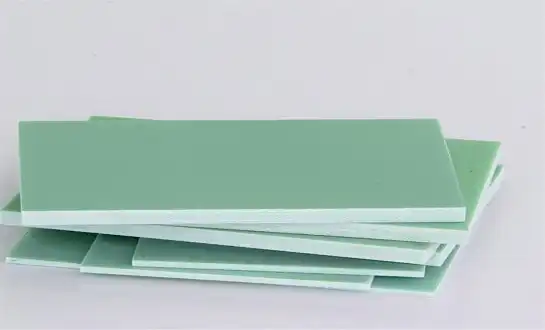
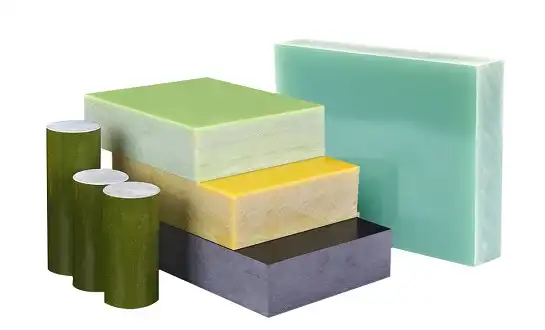
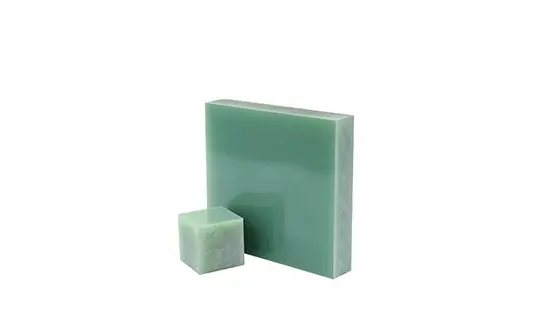
Custom CNC Fabrication of NEMA CE Sheet for Industrial Insulation Systems
When specifying materials for critical electrical infrastructure, precision matters. NEMA CE Sheet represents a specialized class of phenolic cotton laminate engineered for environments demanding both mechanical durability and electrical isolation. Custom CNC fabrication transforms these certified sheets into application-ready components that fit seamlessly into switchgear assemblies, motor housings, and transformer barriers. This marriage of material science and advanced machining delivers dimensional accuracy that traditional cutting methods simply cannot achieve, ensuring your insulation systems perform reliably under the harshest industrial conditions.
Introduction
Industrial insulation systems are really important for keeping electrical work safe in places like factories, power plants, and transportation networks. Insulation material that is properly made and meets strict standards is at the heart of many high-performance installations. NEMA CE Sheet has become a reliable choice for situations where electrical insulation needs to work with chemical exposure, mechanical stress, and extreme temperatures.
Custom CNC manufacturing turns these materials from flat sheets into precisely designed parts. Instead of cutting things by hand, which can lead to errors, computer-controlled machining makes sure that every part fits the engineering specifications very closely. This accuracy has a direct effect on the safety of the system and its ability to follow the rules set by regulators.
Purchasing managers, engineering teams, and procurement experts are under more and more pressure to find products that meet technical needs and stay within budget. This guide goes over the most important things to think about when choosing and making insulation sheets. It gives you useful information that you can use right away to lower project risk and speed up installation times. Knowing how the ability to make something works with the qualities of the material lets you make better choices about where to get things that protect people and things.
Understanding NEMA CE Sheets and Their Industrial Applications
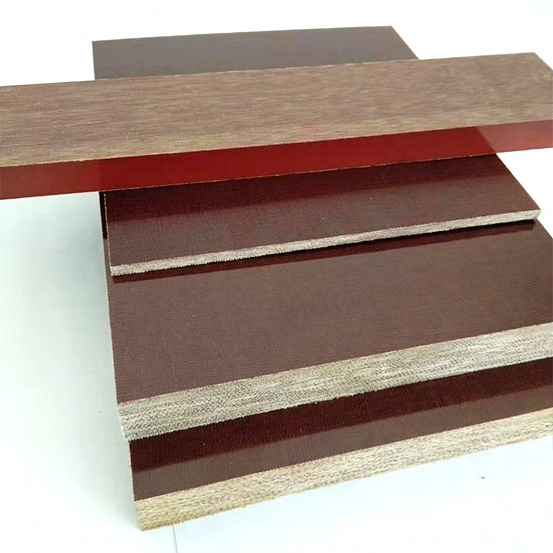
The NEMA CE Sheet is a type of phenolic cotton laminate. It is made up of layers of cotton fabric that have been soaked in phenolic resin and hardened by heat and pressure. The "CE" symbol means that the canvas is electrical grade and is best used in situations where the electrical and mechanical properties need to be balanced. Cotton laminates are better at resisting impacts and keeping their shape when temperatures change than paper-based phenolics.
Technical Specifications That Matter
The properties of a material decide whether it is suitable for a certain business setting. NEMA CE Sheet typically exhibits a dielectric strength of more than 8,000 volts per mil perpendicular to the laminates, which means it can be used for phase dividers and busbar supports. The material keeps its Class B thermal grade, which means it can work continuously at temperatures of up to 130°C (266°F). The material has a Rockwell M hardness of 100 to 105 and a flexural strength of about 15,000 psi along its length. This means it can handle shaking and mechanical stress without cracking.
Chemical resistance tests show that the materials are very good at resisting lubricants, transformer oils, and weak acids that are widespread in industrial settings. The amount of water absorbed stays below 1.5% by weight, which stops the material from expanding and making it harder to fit or connect electrically. These features are in line with ASTM D709 and some parts of MIL-I-24768 standards, but the exact grade needs depend on the application.
Certification Standards and Compliance Validation
Industrial buyers have to deal with a lot of different certification systems. While NEMA standards describe the types of materials and their properties, UL listings make sure that they are safe for electrical use and don't catch fire under certain test conditions. There needs to be more clarity between NEMA ratings and European CE marking. CE marking means that a product meets safety standards set by the European Union, while NEMA grades group electrical shielding materials by what they are made of and how well they work.
To make sure a product is real, you need to look at the manufacturer's certifications and ask for material test reports. Suppliers with a good reputation give you paperwork that you can use to prove they follow the rules. This checking is especially important when the materials are used in safety-critical systems like transportation systems or equipment that distributes electricity. If they fail, there are big problems that could happen.
Benefits of Custom CNC Fabrication for NEMA CE Sheets in Industrial Insulation
Traditional ways of making things, like turning by hand, waterjet cutting, or die pressing, have limits that affect both quality and cost. With manual methods, part-to-part variations make production more difficult because they depend on the skill of the person doing the work. The edges made by waterjet cutting are very good, but the process is slower and costs more per part. When you use die pressing, you have to buy expensive tools that are only cost-effective when you make a lot of them.
Precision Machining Advantages
The way we make insulation parts has changed a lot since CNC machining came along. Computer-controlled cutters and mills keep standards to within ±0.005 inches. This makes sure that parts fit together correctly during assembly without having to be changed in the field, which takes time. This accuracy is very helpful when making parts like terminal boards, where the positioning of the mounting holes has a direct effect on how quickly they can be installed.
The technology is great at making complicated shapes that would be hard to make with normal methods. The machine makes complicated shapes with cutouts, angled edges, and stepped profiles that are ready to be put together. The biggest benefit might be that it can be used over and over again. Once set, the CNC system makes exact parts in each production run, so there is no dimensional drift like there is with hand fabrication.
Real-World Performance Improvements
We've seen transformative results in a wide range of settings. A company that makes equipment had trouble with assembly delays caused by arc barriers that didn't fit right after being cut by hand. When parts were made on a CNC machine, fit-up time dropped by 40%, and there was no more field rework at all. The consistent sizes also made the electrical space more reliable, which fixed a problem that kept coming up during plant acceptance testing.
In a different case, a transformer maker needed custom coil insulation with exact slot sizes. When specs changed between transformer types, traditional die-cutting required long setup changes. Making things with CNC cut down on the time it took to switch between programs from hours to minutes. This made it possible to make smaller batches while still keeping the accuracy needed for good coil alignment and heat control.
Because of these benefits, costs go down because less work is needed, materials are wasted less, and projects are finished faster. When engineering teams know that fabrication skills can regularly deliver, they feel more comfortable setting tighter tolerances. The technology fills the gap between what was planned in the design and what was made.
Comparing NEMA CE Sheet Options: Making the Right Procurement Decisions
When choosing materials, you have to weigh the needs for electrical, mechanical, and environmental factors against the costs. Grade G10 glass-epoxy laminates and FR4 materials are some of the alternatives to NEMA CE Sheet. Each has its own set of properties.
Material Grade Differentiation
Grade CE phenolic cotton has good electrical performance and great mechanical qualities at a reasonable cost. Its impact strength is higher than that of phenolics made from paper, so it can be used in places where shaking or mechanical shock are common. The material cuts neatly and doesn't wear down tools like glass-reinforced plastics do, which lowers the cost of making things.
Glass-epoxy laminates, such as G10 and FR4, are more expensive than other options but have better electrical qualities and can work at higher temperatures. FR4 has flame retardants that meet UL94 V-0 ratings for flammability, which is necessary for some electronics uses. These materials have rough glass threads in them that make tool wear happen faster during cutting, which raises the cost of processing.
Supplier Evaluation Criteria
The operating environment analysis is the first step in the decision framework. When used below 130°C and under moderate electrical stress, CE grade phenolics are usually more than enough. Glass-epoxy alternatives may be better in places where the temperature is higher than this or where flame resistance needs to be improved, even though they cost more.
To find trusted providers, you need to look at more than just unit price. A supplier's manufacturing capabilities show if they can consistently meet your needs. Look for places that have up-to-date CNC machines, quality control systems, and expert staff that can help you optimize your designs.
Cost-Benefit Analysis Framework
Documentation about certification shows how reliable a supplier is. ISO 9001 registration shows that quality methods have been formed, and industry-specific certifications show that the company knows a lot about that particular field. Ask for examples from customers who have had similar needs, and make sure the provider has experience making parts like the ones you need.
Lead time management has a direct impact on project planning and the successful delivery of NEMA CE Sheet products. Suppliers that maintain sufficient raw material inventory for NEMA CE Sheet can usually respond faster than those that purchase materials only after receiving individual project orders. Understanding the minimum order quantity helps buyers avoid situations where small prototype runs of NEMA CE Sheet become unnecessarily expensive, or experience extended delivery schedules. Procurement decisions for NEMA CE Sheet should consider more than the initial purchase price, as the total cost of ownership includes material expenses, manufacturing costs, transportation fees, and post-delivery assembly requirements. In many cases, selecting high-quality NEMA CE Sheet with better dimensional accuracy and reliable processing can reduce field fitting time and installation difficulties. Although the unit price of NEMA CE Sheet may be slightly higher, improved consistency and easier integration often create better overall economic value. By evaluating lead times, inventory capabilities, and lifecycle costs, buyers can secure dependable NEMA CE Sheet solutions that support efficient project execution and long-term performance.
Quality consistency is very important, but it's easy to forget about its value. Rework prices and scheduling changes are caused by reject rates, which have an effect on all parts of production planning. These hidden costs are kept to a minimum when suppliers show statistical process control and provide dimensional inspection reports.
Procuring NEMA CE Sheets: From Inquiry to Delivery
Clear communication of technical needs is the first step to a successful purchase. Misunderstandings that slow down production can be avoided by using detailed sketches that show the sizes, limits, and expected surface finish. When you make your first inquiry, be sure to include the material grade, quantity needed, and delivery timeframe you want.
Customization Options and Technical Consultation
CNC manufacturing opens up a lot of options for customization. There is a wide range of thicknesses available, from 0.03125 inches to over one inch. For most commercial uses, the thickness will be between 0.125 and 0.5 inches. Depending on the needs of the assembly and safety concerns, edge finishing choices include square cuts, chamfers, or radius shapes.
Surface treatments improve the usefulness of a material beyond its basic qualities. Light grinding evens out the look and gets rid of any rough spots on the surface, and coatings can make it more resistant to water or give it more electrical protection. Talk about these options during technical consultations to find ways to improve performance.
Logistics and After-Sales Considerations
Suppliers with a lot of experience know that working together often leads to the best ideas. It's possible that engineering teams don't know enough about the limitations of materials or the best ways to make things. If a supplier is ready to look over plans and suggest changes, that shows they care about the success of the project and aren't just taking orders. This partnership method often finds ways to save money or improve performance that weren't apparent during the early stages of planning.
The ways that precision parts are packed protect them while they're in transit. Individually wrapping and putting fragile items in rigid containers that don't allow them to move around or get damaged by impacts is helpful. International packages need the right paperwork and may have to deal with customs issues, which expert sellers handle all the time.
The terms of the warranty are an important way to reduce risk. Learn what kinds of flaws are covered by the warranty and how to deal with products that don't meet the standards. Suppliers with a good reputation stand behind their work and reply quickly to valid quality concerns.
After-sales support keeps the relationship going after the product is delivered. Questions about the details may come up during installation or building. Responding technical support from suppliers helps projects get past unexpected problems without being held up. This ongoing support is especially helpful for complicated setups or when using certain materials for the first time.
Conclusion
NEMA CE Sheet is a standard material that can be turned into precision-engineered parts that meet strict industrial insulation requirements through custom CNC manufacturing. Dimensional accuracy, geometric complexity, and repeatability of production that can't be achieved with traditional methods are all made possible by this technology. These features directly lead to better system performance, faster startup times, and better compliance with regulations. A good procurement process balances the properties of the material with the needs of the application while also looking at the full range of the supplier's capabilities. Technical collaboration during the design and fabrication stages opens up chances for improvement that help both current projects and the efficiency of operations in the long term. As industry systems get more complex, the accuracy and adaptability of CNC-made insulation parts become more important for staying ahead of the competition.
FAQ
What distinguishes NEMA CE sheets from FR4 materials?
For uses below 130°C, NEMA CE Sheets are made of phenolic resin and cotton fabric reinforcement, which makes them very strong and inexpensive. FR4 uses epoxy resin and woven glass cloth, which gives it better electrical qualities, higher temperature tolerance, and flame protection that meets UL94 V-0 standards. FR4 is good for electronics and high-temperature uses, while CE grade phenolics are better when impact resistance and ease of machining are more important than best dielectric performance.
How does CNC fabrication improve compliance with safety standards?
Precision in dimensions gained through CNC cutting keeps electrical gaps within the limits set by design, stopping arc-over and tracking failures. Accurate edge shapes get rid of sharp corners that put a lot of electrical stress on the board, and consistent hole placement makes it easier to make good grounding connections. Because of this, qualification tests can be done on representative samples, and it can be ensured that production parts will work the same way.
What factors should guide supplier selection for custom fabrication projects?
Check the company's manufacturing skills, such as the accuracy and capacity of their equipment, their quality certifications that show they can control the process, their technical support for improving designs, the dependability of their lead times and how they affect project schedules, and references from customers who have had similar application needs. When suppliers combine these traits, they offer more value than just competitive unit prices because they lower the total cost of ownership.
Partner with J&Q for Precision-Engineered Insulation Solutions
For more than twenty years, J&Q has been making insulation sheets, and they also have advanced CNC fabrication skills that are perfect for tough industrial uses. Our engineers work with NEMA CE Sheet providers to make sure that the designs of our parts are the best they can be in terms of both performance and ease of production. This makes sure that your requirements are translated into hardware that works well. We've been working in foreign business-to-business procurement for more than ten years, so we know how to handle the paperwork, communication, and tasks that are needed to make a project run smoothly. Our fully integrated supply chain includes dedicated logistics support, so we can provide a true one-stop service from the first inquiry to the final delivery.
We keep up-to-date licenses that meet the needs of a wide range of industries and provide detailed test results that prove compliance with all important standards. Our flexible capacity can be adjusted to fit your needs, whether you need a small number of prototypes for testing or a large number of production units to keep making equipment. Technical consultations can help you find optimization opportunities that you might miss otherwise. This could help you save money while also making things work better.
Email our team at info@jhd-material.com right now to talk about your needs for unique CNC manufacturing. We give you detailed quotes that include your exact measurements, tolerances, and delivery dates. You can ask for samples to directly judge the quality of our manufacturing, or you can set up a technical display to learn how precision machining can improve the performance of your insulation system. You can find more technical information and application ideas at blog.jhd-material.com, which can help you make better procurement choices.
References
1. National Electrical Manufacturers Association. "NEMA Standards Publication LI 1-2018: Industrial Laminated Thermosetting Products." Rosslyn, VA: NEMA, 2018.
2. Harper, Charles A. "Handbook of Plastics, Elastomers, and Composites, Fifth Edition." New York: McGraw-Hill Education, 2002.
3. ASTM International. "ASTM D709-16: Standard Specification for Laminated Thermosetting Materials." West Conshohocken, PA: ASTM International, 2016.
4. Mukherjee, Pijush K. "Electrical Insulation in Power Systems." Boca Raton, FL: CRC Press, 1997.
5. Society of Manufacturing Engineers. "Fundamentals of Tool Design, Sixth Edition." Dearborn, MI: SME, 2010.
6. Underwriters Laboratories. "UL 746C: Standard for Polymeric Materials - Use in Electrical Equipment Evaluations." Northbrook, IL: UL LLC, 2020.

Get a complete product list and quotation
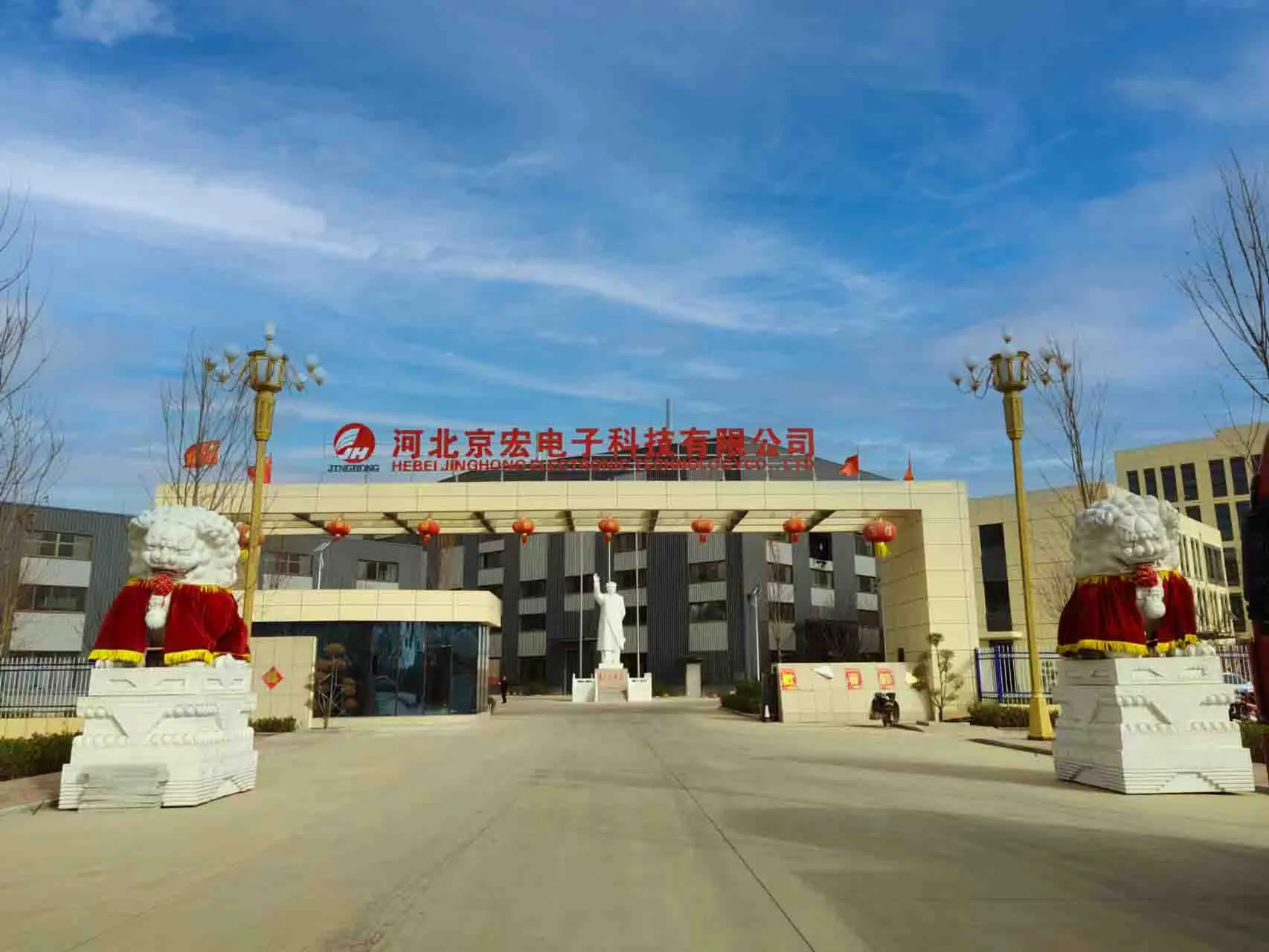
J&Q New Composite Materials Company