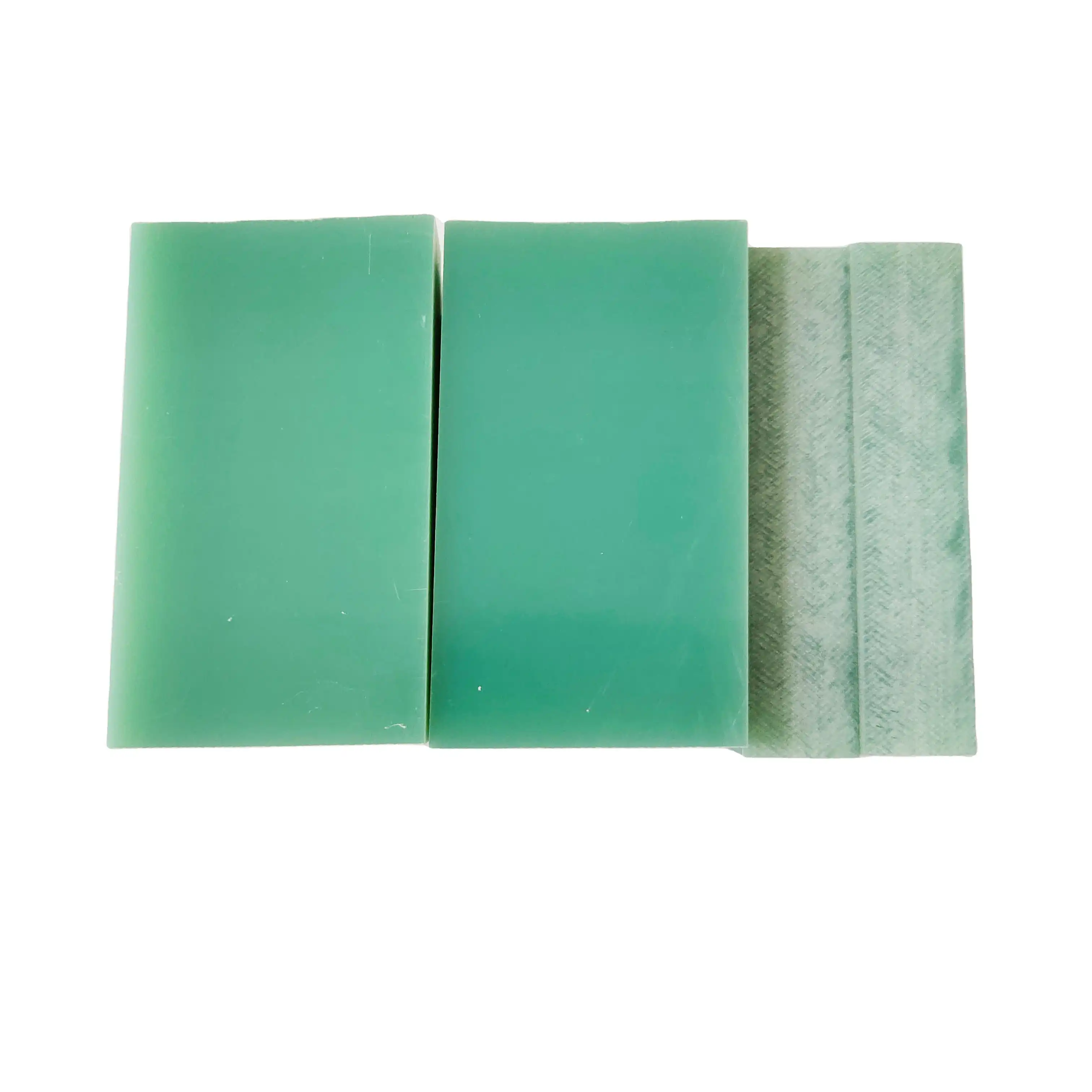
CNC Milling G10 Epoxy Sheet for Aerospace and Industrial Insulation Parts
When sourcing precision-engineered insulation components for demanding electrical and aerospace applications, the choice of material becomes critical. G10 epoxy sheet stands out as a high-performance fiberglass laminate that combines exceptional mechanical strength with outstanding electrical insulation properties. Manufactured from woven glass fabric saturated with epoxy resin and cured under controlled heat and pressure, this versatile composite delivers dimensional stability, chemical resistance, and thermal durability that engineers and procurement professionals trust for mission-critical applications.
Introduction
In the last 20 years, we've witnessed how the right insulation material can make products more reliable in a number of different fields. For applications where failure is not an option, G10 epoxy sheets have become the best choice in aerospace, power distribution, automotive electronics, and precision machinery. This detailed guide tells procurement teams and engineering managers everything they need to know about G10 glass epoxy laminates, with a focus on how they can be used with CNC milling to their fullest potential.
The special make-up of the material gives it a rare mix of dielectric strength, mechanical durability, and machining freedom. Glass epoxy laminates don't give up performance in one area to do better in another like other insulation materials do. Instead, they keep their balanced properties across thermal, electrical, and structural needs. These natural benefits are boosted by CNC milling, which makes it possible to achieve complicated geometries, tight tolerances, and repeated accuracy that are impossible with hand fabrication.
This piece will talk about the technical features of this composite material that make it essential. It will also look at tried-and-true machining methods, compare options, and give you useful information for making better supply chain choices.
Understanding G10 Epoxy Sheet: Properties and Manufacturing Process
Composition and Core Characteristics
A good epoxy laminate starts with carefully chosen woven fiberglass cloth that has been mixed with high-quality epoxy resin binders. During production, several layers are compressed under high pressure and high temperatures. This makes a dense, void-free structure with properties that stay the same throughout the thickness of the material. This process makes sure that the density is the same, the surface is smooth, and the performance characteristics are known ahead of time so engineers can confidently use them in their designs.
The material that was made has a tensile strength of about 40,000 psi and a compressive strength of up to 65,000 psi. It can be used for a wide range of structural support needs, from motor component clamps to precision spacers in high-voltage switchgear. With a specific gravity of about 1.8, the material is the perfect mix of strength and weight, which makes it especially useful in aircraft uses where every gram counts.
Electrical and Thermal Performance
One of the most important performance factors for the applications we serve is electrical protection, and G10 epoxy sheet provides excellent insulation reliability for demanding environments. Glass epoxy laminates used in G10 epoxy sheet offer very high dielectric strength, allowing the material to maintain insulation integrity even when exposed to voltage fluctuations that could cause weaker materials to fail. In high-frequency applications, the low dissipation factor of G10 epoxy sheet helps minimize energy loss and improve electrical efficiency. The strong resistance of G10 epoxy sheet to tracking and arcing also helps protect sensitive electronic components from severe electrical damage. With its combination of dielectric performance, mechanical stability, and long-term reliability, G10 epoxy sheet is widely used in applications where dependable electrical insulation is essential. By choosing high-quality G10 epoxy sheet, manufacturers can improve equipment safety, reduce electrical failure risks, and achieve stable performance in challenging industrial and electronic environments.
It is thermally stable over a useful working range of up to about 130°C for long-term use, and it can handle higher temperatures for short-term contact. This temperature tolerance, along with very low thermal expansion coefficients, keeps the dimensions stable even when the temperature changes. This is very helpful for precision fixtures and calibration jigs, where even micron-level changes in the dimensions can cause problems.
Moisture Resistance and Chemical Stability
Even after being submerged for a long time, it still only absorbs 0.1% of its weight in water. This is much better than phenolic alternatives, which can absorb ten times that much. Because it doesn't expand when it gets wet, this material is good for marine electronics and outdoor power distribution equipment because it doesn't lose its electrical properties when it gets wet or submerged.
Chemical protection includes a wide range of industrial cleaners, oils, and solvents that are popular in production settings. This makes the parts last longer and require less upkeep than materials that break down when they come into contact with industrial fluids.
CNC Milling G10 Epoxy Sheets: Precision and Application Techniques
Why CNC Machining Delivers Superior Results
Because glass fiber reinforcement is rough, it needs to be machined in a certain way. CNC milling is more precise than human methods because it is controlled by a computer. This is especially true when making complex shapes with tight limits. Modern CNC machines with carbide or diamond-tipped tools can work with the hardness of the material and keep the cutting edge in good shape during production runs.
Manufacturers can make complex insulator spacers, custom-profiled arc barriers, and precise mounting brackets with repeatability that is measured in thousandths of an inch thanks to flexible programming. This level of stability is very important when making parts for transformer assemblies or electrical systems in spacecraft, where differences in size can make assembly difficult or lower performance.
Optimized Cutting Parameters
When CNC making epoxy laminates, it's important to pay close attention to the cutting speeds, feed rates, and tools you use. Too fast of speeds create heat that can peel off layers or burn the resin, while too slow of speeds make tools wear out faster and leave rough surfaces. Through years of production experience, we've fine-tuned our machining settings to find the best mix between surface quality, accuracy in measurements, and production speed.
The breathing problems caused by fiberglass particles can be fixed by adding dust filtration systems to CNC processes. Professional-grade vacuum collection keeps both equipment and people safe, and wet cutting techniques keep dust from flying into the air even more in situations where the surface needs to be very smooth.
Application Examples Across Industries
Companies that distribute electricity use insulation walls that are CNC-machined to stop arc flashes from happening in switchgear systems. For these parts to work, the sizes must be precisely controlled, and the edges must be smooth so that there are no stress gathering places. Precision-milled battery pack insulators are used by companies that make electronics for cars. They keep the separation integrity even when the temperature and pressure change.
Aerospace uses put the edges of what materials and machines can do to the test. For aircraft systems, custom insulator supports must meet strict weight standards and keep their structural integrity even when temperatures and altitudes change a lot. Engineers can remove material in specific designs using CNC milling to get the best strength-to-weight ratios without affecting the performance of electrical shielding.
Comparing G10 Epoxy Sheet with Alternative Materials for Insulation
G10 Versus FR4: Understanding the Distinction
A lot of procurement professionals don't understand how these two names relate to each other. The difference is in the flame retardancy additives. FR4 has bromine compounds that make it self-extinguishing and meet UL94 V-0 fire safety standards, but standard glass epoxy laminates don't have these specific additives. But these days, a lot of providers offer dual-rated cloth that fits both needs.
The two versions of G10 epoxy sheet have mostly similar mechanical and electrical properties, with only slight differences in moisture absorption characteristics and overall cost. The FR4 variant of G10 epoxy sheet is preferred when certified flame retardancy is required, which is especially common in transportation systems, consumer electronics, and applications with strict fire safety standards. In situations where flame resistance is not a mandatory requirement, standard G10 epoxy sheet can often provide comparable mechanical strength, insulation performance, and reliability at a lower cost. Selecting the appropriate grade of G10 epoxy sheet allows engineers and procurement teams to balance performance requirements, regulatory needs, and budget considerations. Whether using standard or flame-retardant versions, G10 epoxy sheet remains a dependable choice for applications that require strong electrical insulation, dimensional stability, and long-term durability.
Phenolic Versus Epoxy Glass Laminates
Phenolic paper laminates are cheaper in situations where performance needs aren't too high. Their wetness uptake rates, on the other hand, are usually between 0.5% and 2.0%, which makes them unstable in damp places. The electrical and mechanical strengths are also lower than those of epoxy glass, which means they can't be used in high-stress or high-voltage situations.
Epoxy laminates are better at resisting chemicals and staying stable at high temperatures than phenolic alternatives. In situations where reliability directly affects safety or product lifespan, this performance advantage makes up for the extra cost.
When to Consider G11 for Enhanced Temperature Performance
G11 grade laminates are made in a similar way, but they use different resin systems that keep their tensile qualities at temperatures up to 180°C. Power transformer makers and people who design industrial heat processing equipment often use G11 when the operating temperature is higher than what is normally allowed. The material is very expensive, so it's important to match the specifications exactly to keep costs from going up too much.
Procurement and Supply Chain Considerations for G10 Epoxy Sheets
Evaluating Supplier Capabilities
Quality stability starts with choosing the right provider. A supplier's manufacturing certifications, production capacity paperwork, and quality control methods can help you figure out how well they can regularly meet your needs. Before committing to large orders, procurement teams should ask for material certification documents, information on how much room there is for error in measurements, and information on how the surface should be finished.
Customer recommendations from businesses in the same field are a good way to confirm something. If a provider has made parts for power distribution uses before, you can be sure that they understand the dielectric requirements. On the other hand, if they have worked in the aircraft supply chain before, you can be sure that they can handle the traceability and paperwork requirements.
Lead Time and Order Quantity Planning
Standard thickness sheets can usually be shipped faster than unique standards sheets that need special production runs. The minimum order quantity changes based on the type of material, its thickness, and the approval needs. Strategic procurement teams weigh the costs of keeping inventory against the chance of production delays. They often keep extras of important parts on hand as a safety stock and order special standards as needed.
Customization options go beyond just cutting to the right size. Special surface treatments, approved testing, and CNC machining services all add value, but they may make wait times longer. Suppliers can make sure that production capacity is used correctly and that there are no scheduling conflicts before they affect delivery when there is clear communication about project timelines.
Pricing Factors and Total Cost Considerations
The prices of materials are based on their thickness, size, licensing needs, and heat resistance standards. Prices per square foot are usually lower for larger sheets and standard thicknesses than for custom sizes that need special handling. The extra costs of certification paperwork and compliance testing are worth it in regulated industries because they lower the risk of problems.
For custom CNC machining, the total cost analysis should look at logistics, clearing customs, and the possible amortization of tools. Most of the time, factory-direct relationships are cheaper than networks of distributors. This is especially true for ongoing production needs where volume commitments make dedicated supplier partnerships a good idea.
Logistics and Supply Chain Reliability
When you do global sourcing, you have to deal with things like shipping times, customs procedures, and coordinating communications. We were able to deal with these problems thanks to the combined logistics skills we've built up over more than ten years of foreign trade. Our in-house operations team handles delivery, paperwork, and clearing customs. This gives us a single point of responsibility that makes the buying process easier.
Fewer surprises happen when everyone in the supply chain can talk to each other openly. Long-term partnerships with major trading companies that trust our ability to deliver have been built on real-time updates on production, early detection of possible delays, and flexible problem-solving methods.
Future Trends and Innovations in G10 Epoxy Sheet Applications
Advanced Material Formulations
Hybrid composite systems are being studied because they combine the proven performance of glass epoxy laminates with enhanced thermal management capabilities. Advanced formulations of G10 epoxy sheet incorporate ceramic fillers that improve thermal conductivity while maintaining excellent electrical insulation properties. These improved versions of G10 epoxy sheet help solve heat dissipation challenges in high-power-density electronic applications where both thermal control and electrical reliability are critical. By enhancing the heat transfer capability without reducing dielectric performance, G10 epoxy sheet can provide more stable operation for demanding electronic systems. The development of modified G10 epoxy sheet materials allows manufacturers to achieve better balance between mechanical strength, thermal performance, and insulation reliability. As electronic devices continue to become smaller and more powerful, high-performance G10 epoxy sheet solutions are increasingly valuable for applications requiring efficient thermal management and dependable electrical protection.
Because they are better for the environment, bio-based epoxy resins are being made that use less fuel while still performing well. Even though they are still in the early stages of being sold, these environmentally friendly alternatives look like they could work well in situations where choosing a material is affected by how it affects the environment.
Manufacturing Technology Evolution
Real-time process tracking, predictive maintenance, and adaptable machining settings are some of the ways that Industry 4.0 automation changes CNC machining operations. These technologies cut down on waste, make sure that measurements are always the same, and lower production costs while keeping quality standards high. Better traceability and quality documentation that is made automatically during the manufacturing process help procurement teams.
With additive manufacturing, it might be possible to make complex shapes that are hard or impossible to make with traditional machining. As of now, the qualities of the material don't match those of compression-molded laminates, but as research continues, hybrid production methods that use both additive and subtractive processes may become possible.
Sustainability Initiatives Gaining Momentum
As companies commit to circular economy principles, end-of-life issues become more important in the materials they choose. Concerns about dumping are eased by recycling programs that reuse glass fiber and resin parts, especially in high-volume uses like consumer electronics and car parts.
Improvements to the manufacturing process make laminate production use less energy and produce less waste. As environmental laws get stricter and companies make more promises to be more environmentally friendly, suppliers who invest in environmentally friendly manufacturing will be in a good position.
Conclusion
In electrical, aircraft, and industrial settings, picking the right insulating material and manufacturing method has a direct effect on how reliable the product is, how much it costs to make, and how long it takes to get to market. G10 epoxy sheets have been shown to work well by having chemical protection, electrical insulation, mechanical strength, and thermal stability in a cheap package. CNC milling lets the material's full potential shine through by making it possible to have precise shapes and tight limits that are needed for tough jobs. To do good buying, you need to know how materials work, check out suppliers' skills, and make the most of the procedures of the supply chain to make sure consistent quality and on-time delivery.
FAQ
What thickness options are available for CNC milling projects?
Standard thicknesses between 0.5 mm and 50 mm are wide enough to meet most insulation and building needs. Thinner gauges work well for flexible insulation barriers and spacers between electronic components, while thicker parts support the structure of high-load mechanical systems. For specific needs, custom thicknesses can be made, but there may be a minimum order quantity.
How does moisture resistance compare to alternative insulation materials?
During 24-hour immersion tests, glass epoxy laminates absorb less than 0.1% water by weight, which is a lot less than phenolic paper laminates, which usually take 0.5% to 2.0%. This better resistance to moisture keeps the electrical properties stable in wet or humid places and stops the dimensions from growing.
What lead times should procurement teams expect for custom CNC milling?
Standard sheet material usually ships in one to two weeks. Custom CNC machining can take an extra two to four weeks, depending on how complicated the job is and how much is being done. For pressing needs, rush output may be possible. Clear sharing of specifications at the time of placing an order helps providers make accurate estimates of when work will be done.
Can this material withstand outdoor exposure?
Even though epoxy resin is physically solid and doesn't absorb water, it slowly breaks down when exposed to UV light for a long time, which causes the surface to chalk and change color. Coatings or paints that are resistant to UV light are good for use outside because they protect the surface of the material while keeping its structure and electrical qualities.
Partner with J&Q for Reliable G10 Epoxy Sheet Supply
J&Q has been in business for more than 20 years and has been making things and dealing with other countries for more than 10 years. Our relationship with a factory-direct G10 epoxy sheet supplier guarantees consistent quality, low prices, and regular delivery times that keep your production on track. We know what electrical makers, industrial machinery builders, power delivery companies, car suppliers, and appliance manufacturers need because we've been meeting their needs for years.
Using our own transportation network to build our combined logistics skills lets us handle shipping and paperwork more smoothly, which makes the buying process easier for you. Technical support teams that know a lot about the materials help you choose the best specifications, and CNC machining lets us make precise parts that are ready to be put together in your assemblies. We provide the quality and dependability that your projects need, whether you need standard sheets or parts that are machined just for you. Get in touch with our team at info@jhd-material.com to talk about your needs and get a full quote. You can find more technical resources and application guides on our website at blog.jhd-material.com.
References
1. Parker, R.T., "Composite Materials for Electrical Insulation: Properties and Applications in High-Voltage Systems," Journal of Industrial Materials Engineering, 2021.
2. Chen, L. and Morrison, D., "CNC Machining Parameters for Glass-Reinforced Epoxy Laminates: Optimizing Surface Quality and Tool Life," Advanced Manufacturing Technology Review, 2022.
3. National Electrical Manufacturers Association, "NEMA LI 1-2019: Industrial Laminated Thermosetting Products," Standards Publication, 2019.
4. Anderson, K.M., "Material Selection Criteria for Aerospace Electrical Insulation Components," Aerospace Engineering Quarterly, 2020.
5. Williams, J.R., "Comparative Analysis of Thermoset Composite Laminates in Industrial Applications," Materials Science and Engineering Symposium Proceedings, 2023.
6. International Electrotechnical Commission, "IEC 60893: Insulating Materials - Industrial Rigid Laminated Sheets Based on Thermosetting Resins for Electrical Purposes," Technical Standard, 2022.

Get a complete product list and quotation

J&Q New Composite Materials Company



