Phenolic Cotton Sheet Processing Solutions for Industrial Equipment Parts
Phenolic Cotton Sheet processing has become a cornerstone solution for manufacturers seeking reliable, high-performance industrial equipment parts. This composite material, formed by saturating cotton fabric layers with phenolic resin and curing under controlled heat and pressure, delivers exceptional mechanical strength combined with reliable electrical insulation properties. Our processing solutions address the complex demands of modern industrial applications, enabling precision fabrication of components that withstand harsh operational environments while maintaining dimensional stability and consistent quality throughout production cycles.
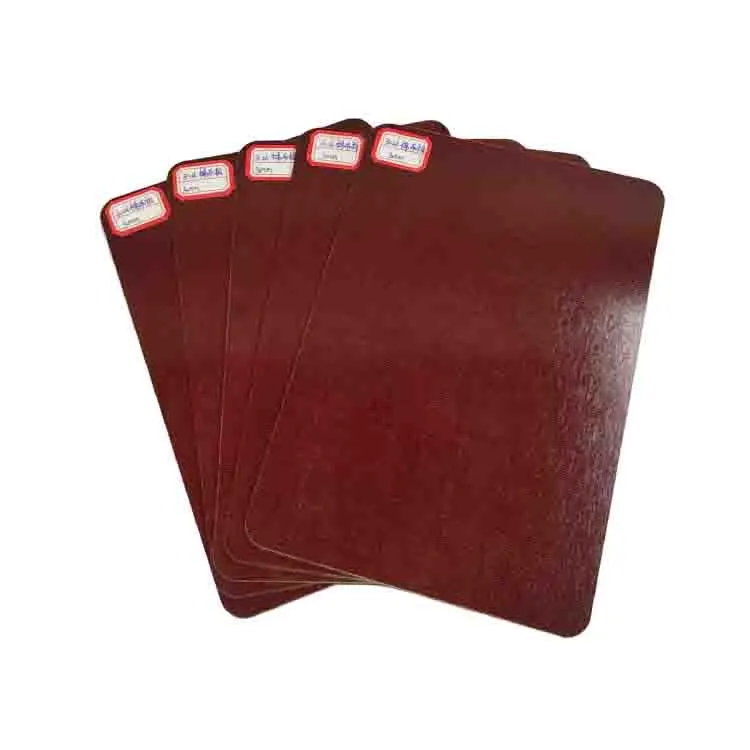
Understanding Phenolic Cotton Sheets: Properties and Industrial Applications
Phenolic Cotton Sheet laminates are a high-tech engineering material that is made using a very precise process. Before going through high-temperature hardening at temperatures above 150°C under a lot of pressure, phenolic resin, which is also known as bakelite, is thoroughly soaked into cotton cloth. This process makes a stiff, thick hybrid that fills the performance gap between metal-only parts and materials that don't conduct electricity.
Unique Material Composition and Structure
The base is made of woven cotton fabric, which is naturally stronger and more resistant to impact than Phenolic Cotton Sheet alternatives made from paper. This cloth reinforcement stops it from breaking completely when it's under a lot of mechanical stress. This makes it very useful in situations where safety is important. The phenolic resin matrix gives the material great resistance to heat, chemical stability, and maintaining its shape in a wide range of environmental conditions.
Key Performance Characteristics
When material experts and procurement specialists choose these laminates for industrial tools, they look at a few important properties:
- Mechanical Strength: It has great compressive and shear qualities that make it useful for load-bearing structures.
- Thermal Stability: The operating temperature ranges can handle most workplace heating situations without damage.
- Dielectric Performance: Applications that need both mechanical function and electrical isolation can use materials with moderate electrical insulation properties.
- Chemical Resistance: Not reacting with oils, solvents, and industrial chemicals makes it last longer in harsh conditions.
- Low Moisture Absorption: Dimensional stability stays the same when humidity changes.
- Machinability: The material can be easily cut and shaped using both traditional and CNC tools.
These qualities ensure that cotton-based Phenolic Cotton Sheet laminates can be used in a wide range of industries.
Industrial Application Landscape
Teams of manufacturers in a number of different businesses use these composite pieces to make important parts of equipment. They are used by companies that make electrical equipment for junction boards, switch housings, and transformer insulation barriers because they have a middling dielectric strength and are mechanically durable. The material's calming qualities are used by heavy machinery builders to make structural insulation panels, mechanical spacers, and wear-resistant parts.
More and more, the automotive industry is asking for these laminates to be used as battery pack barriers and heat-resistant parts in the assembly of electric vehicles. They are used as spark barriers and coil insulation in power distribution equipment, where flame protection is important. Industrial gear systems work best with Phenolic Cotton Sheet gears because they have a fail-safe mechanism: when they get too heavy, they shred instead of sending damaging forces to expensive steel drive shafts, which protects important machinery infrastructure.
Challenges in Processing Phenolic Cotton Sheets for Industrial Equipment Parts
Specialized skills and tools are needed to make precise parts from Phenolic Cotton Sheets. Processing teams run into a number of technical problems that slow down production and lower the quality of the final product.
Precision Machining Complexities
Because cotton-reinforced Phenolic Cotton Sheet material is a compound, it is hard to machine in certain ways. Due to its rough texture, hardened resin speeds up tool wear compared to softer plastics. To get close tolerances on dimensions, you need to carefully choose cutting settings, tooling materials, and machine strategies. When wrong feed rates or tool geometries cause too much heat or mechanical stress at the cut edges, delamination can happen.
Surface Finishing Requirements
End-use applications often need specific surface properties that can't be provided by Phenolic Cotton Sheet surfaces that have been machined from raw materials. Secondary processing steps are needed to get smooth finishes that can be used for gluing or for aesthetic reasons. Because polished edges are porous, it can be hard for coatings to stick to them. To fix this, the surface needs to be prepared in a way that fits the structure of the material.
Thickness and Grade Selection Impact
Material specifications have a big effect on how things turn out during processing. For thicker Phenolic Cotton Sheets, you need stronger machine tools and different cutting settings. Different grades behave differently when machined because they have different resin contents, setting conditions, and cloth weave densities. Engineers have to choose the right grades of materials for each job while also thinking about how these decisions will affect the next steps in the manufacturing process.
Strategic material selection during the purchase stage directly reduces these problems during processing. Before the material even gets to the facility, manufacturers can improve their production workflows by working with experienced material suppliers who know both the science behind the Phenolic Cotton Sheet and how to machine it.
Advanced Phenolic Cotton Sheet Processing Solutions
Modern fabrication shops use advanced methods to get around the problems that come with older ways of doing things and make Phenolic Cotton Sheet parts that are precisely engineered and meet strict industrial standards.
CNC Machining and Custom Cutting Services
The way Phenolic Cotton Sheet laminates are processed has changed a lot thanks to computer numerical control technology. When CNC routers, mills, and lathes are designed with optimized tool paths, they can make complicated shapes that are always accurate. Custom cutting services let makers get blocks or partially finished parts that are already the right size. This cuts down on the need for in-house machining and wasteful material use.
We can do multi-axis machining for complicated three-dimensional parts, precision drilling for mounting holes and fastener patterns, and contour cutting for shapes that aren't round. For uses that can't handle heat, water jet cutting is an option for Phenolic Cotton Sheets that doesn't cause thermal stress and keeps the quality of the edges.
Specialized Surface Treatment Approaches
Improving the surface qualities of a part makes it work better and last longer. A number of treatment methods meet certain success standards:
By mechanically or chemically roughening the surface, systems that combine Phenolic Cotton Sheet parts with other materials can have stronger binding bonds. Sealing treatments make machined edges less porous, which makes them more resistant to moisture and stops contamination from getting in. Coating preparations make it possible for paint, epoxy, or other protective finishes to stick well and last for a long time.
With these special treatments, standard Phenolic Cotton Sheet laminates are turned into parts that are best for their purpose and work reliably for long periods of time.
Quality Control and Compliance Standards
Strict checking procedures make sure that every Phenolic Cotton Sheet part that is handled meets the requirements of the design and the standards of the industry. Our quality management system includes checking the sizes of things using high-precision measuring tools, looking for flaws on the surface and issues with the edges, and keeping records of the material's origin and grade standards for approval.
Critical performance parameters are checked using testing protocols. These include dielectric strength for electrical applications, mechanical properties through sample testing, and compliance documentation to support UL recognition and international standards. Having this thorough quality framework gives purchasing teams peace of mind that processed Phenolic Cotton Sheet parts will work as expected in tough manufacturing settings.
How to Choose the Right Phenolic Cotton Sheet for Your Industrial Needs
To choose the best Phenolic Cotton Sheet materials, you have to balance the need for professional success with the need to save money. It's helpful for engineering managers and sourcing specialists to know how the properties of a material match up with the needs of a certain application.
Material Comparison Framework
Different types of insulation each have their own set of benefits. Fiberglass-reinforced epoxy laminates are better at conducting electricity, but they are more expensive and break more easily. Plywood is cheaper and stronger than wood, but it doesn't resist chemicals or electricity. Polyester laminates are resistant to chemicals, but Phenolic Cotton Sheet composites are stronger and more durable.
Phenolic Cotton Sheets are a good compromise because they have good mechanical and electrical properties at a reasonable price. This makes them especially useful for situations where excellent insulating performance is not needed but mechanical stability is still important.
Application-Specific Selection Criteria
Based on their operational needs, different business areas put different Phenolic Cotton Sheet traits at the top of their lists.
Manufacturers of electrical and electronic goods look at dielectric strength ratings, heat resistance thresholds, and flammability classifications. Electrical performance must be proven for parts that work in high-voltage areas, while temperature stability is important for motor parts that are used continuously.
Builders of industrial gear pay attention to things like compressive strength, resistance to wear, and steadiness in size when mechanical loads are applied to the Phenolic Cotton Sheet. For gear uses, certain hardness levels are needed that strike a mix between strength and controlled failure modes. To make sure that structural insulation parts fit correctly into equipment systems, their thickness tolerances need to be consistent.
Teams that buy things for the power sector put a lot of weight on flame resistance ratings, arc tracking resistance, and long-term thermal aging characteristics. The Phenolic Cotton Sheet protection around a transformer has to stay strong even after years of being exposed to high temperatures and keep the insulation from breaking down.
Supplier Evaluation Strategy
The success of a Phenolic Cotton Sheet rests on more than just its specifications. It also depends on how consistently it is made and how reliable the supply chain is. When evaluating possible suppliers, you need to look at a few important things:
Certifications show that a quality system is mature and that a company is committed to meeting regular output standards. Compliance with industry-specific rules and customer requirements is made possible by documentation that supports Phenolic Cotton Sheet traceability. The freedom in the minimum order number allows for both the development of prototypes and the purchase of large quantities for production.
The ability to provide technical support is what sets strategic partners apart from commodity suppliers. Having access to material engineers who know what the Phenolic Cotton Sheet application needs and can suggest the best grades speeds up the product development process by a large amount. Having samples available for testing and confirmation lowers the risk of buying in bulk before committing to large orders.
Delivery dependability affects how work schedules are made and how inventory is managed. Phenolic Cotton Sheet suppliers with established transportation networks and reasonable lead time promises help keep production operations running smoothly.
Procurement Best Practices for Phenolic Cotton Sheets
To make good sourcing plans for Phenolic Cotton Sheets, you need to know how markets work, how prices are set, and how to make the supply chain more efficient.
Purchasing Channel Analysis
When buying in bulk, the best terms for the Phenolic Cotton Sheet are often found through direct relationships with factories. Manufacturers benefit from clear pricing, the ability to make changes, and the chance to work together on technical issues. Building long-term relationships with material makers lets you get savings for buying in bulk, get priority when supplies are low, and work together to create application-specific material grades.
Online wholesaling sites make things easier and offer better prices by pooling buyers' buying power. These outlets are good for smaller orders of Phenolic Cotton Sheets and make it easy to compare prices from different sources. In exchange, you may not be able to customize as much and may not get as much technical support as if you worked directly with the manufacturer.
Distribution networks help buyers who need fast shipping, smaller amounts of Phenolic Cotton Sheets, or to buy a lot of different types of materials at once. Even though the cost per unit is usually higher than what the plant would charge directly, distributors add value by having more product and making transportation easier.
Cost Structure Understanding
The price of the Phenolic Cotton Sheet is affected by more than just the cost of the base material. The size of the sheet has a big effect on the price; common sizes are more expensive than flats that are cut to order. The cost of a material goes up with its width because it takes longer to prepare and uses more raw materials. Different grade specs change prices because they affect the quality of the resin, the type of cloth, and how hard it is to make the Phenolic Cotton Sheet.
Customization services like precision cutting, hole drilling, and surface treatments add to the total cost, but they often lower the total cost when you think about how much labor and equipment would be needed to do the work in-house. The provision of Phenolic Cotton Sheet samples usually comes at a small cost, or it may be free for certain development projects, which is a good way to evaluate suppliers.
Supply Chain Reliability Enhancement
Making Phenolic Cotton Sheet supply lines more stable saves production schedules from being thrown off. Dual-sourcing methods give you extra capacity in case your main provider is busy. Keeping smart inventory buffers for important types of materials protects output from changes in wait times. Forecasting together with providers lets you plan for capacity and set priorities.
International purchasing is easier when you work with Phenolic Cotton Sheet suppliers that offer integrated logistics. Companies that help with full export paperwork, freight planning, and customs clearing make things easier for administrators and make sure packages arrive on time. Because we've been making things for 20 years and have been serving international markets through established trading relationships for over ten years, we know how hard it is for buyers around the world. Because we have our own logistics infrastructure, we can provide true one-stop service from making the materials to receiving them at your facility.
Conclusion
Phenolic Cotton Sheets keep showing how useful they are as stable and flexible materials for making industrial tools. Engineering teams and sourcing workers can find the best answers for tough problems by knowing their specific properties, processing needs, and buying strategies. Advanced machining, strict quality control, and smart partnerships with suppliers turn raw composite sheets into precise parts that improve the performance and life of equipment. To get the most out of these materials, you need to make sure that the technical specs match the needs of the application and that you build relationships with suppliers that support both current production and new ideas for the future.
FAQ
Why are Phenolic Cotton Sheets ideal for high-temperature applications?
When heated to high temperatures, the Phenolic Cotton Sheet keeps its shape and structure even though many thermoplastics would soften or deform. During production, the thermosetting phenolic resin cures in a way that can't be undone. This makes a cross-linked molecular structure that doesn't break down at high temperatures. The cotton fabric reinforcement keeps the structure stable across the entire operational temperature range. This means that it can usually be used continuously in places where the temperature is well above normal.
How do I select proper thickness and grades for electrical parts?
The thickness you choose for a Phenolic Cotton Sheet depends on how much mechanical load you need and how much space you have in your equipment design. It takes up more space, but sheets that are thicker are stronger mechanically. Choosing the right grade balances the need for electrical insulation with the need for high mechanical performance. Grades with more resin offer better dielectric properties, while grades with more cotton offer the highest mechanical toughness. It is easier to match specs to your unique voltage levels, mechanical loads, and environmental conditions when you look at material datasheets and work with experienced Phenolic Cotton Sheet providers.
Are custom-cut sheets available for prototype development?
Custom cutting services help with the development of prototypes by giving you Phenolic Cotton Sheet blocks or partially finished parts that are exactly measured and fit your design requirements. This feature shortens the time it takes to develop something by getting rid of the need for in-house machining during the iterative design phases. A lot of suppliers have sample programs that let you buy small amounts at a fair price. This way, you can try and confirm the quality of the product before committing to buying production tools or placing large orders.
Partner with J&Q for Superior Phenolic Cotton Sheet Solutions
With over twenty years of manufacturing excellence and ten years of experience in international trade, J&Q offers a wide range of Phenolic Cotton Sheet solutions. As a Phenolic Cotton Sheet provider with a lot of experience, we can help you make industrial tools because we know a lot about material science and can process it in a lot of different ways. Our all-in-one approach includes helping you choose the right materials, cutting them precisely to your specifications, checking the quality thoroughly, and ensuring safe global shipping through our dedicated freight network.
Engineering managers and buying workers trust our technical knowledge to help them choose the best Phenolic Cotton Sheet grades for each application. This makes sure that parts work reliably for long periods of time in tough conditions. Contact our team at info@jhd-material.com to talk about the needs of your project, get samples of our materials, or get quotes from other companies. We take your part specifications and turn them into precisely machined parts that improve the performance of your equipment and make your supply chain more efficient.
References
1. Richardson, T. & Lokensgard, E. (2019). Industrial Plastics: Theory and Applications. Cengage Learning Publishing.
2. Harper, C.A. (2018). Handbook of Plastics Technologies: The Complete Guide to Properties and Performance. McGraw-Hill Education.
3. Mazumdar, S.K. (2021). Composites Manufacturing: Materials, Product, and Process Engineering. CRC Press.
4. Ashby, M.F. & Johnson, K. (2020). Materials Selection in Mechanical Design. Butterworth-Heinemann Publishers.
5. Pilato, L. (2017). Phenolic Resins: A Century of Progress. Springer International Publishing.
6. Peters, S.T. (2022). Handbook of Composites for Industrial Applications. Chapman and Hall Technical Publications.

Get a complete product list and quotation

J&Q New Composite Materials Company



