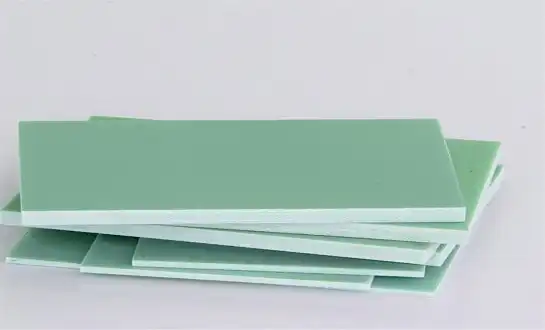
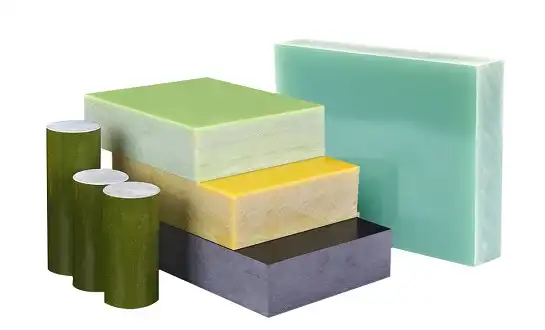
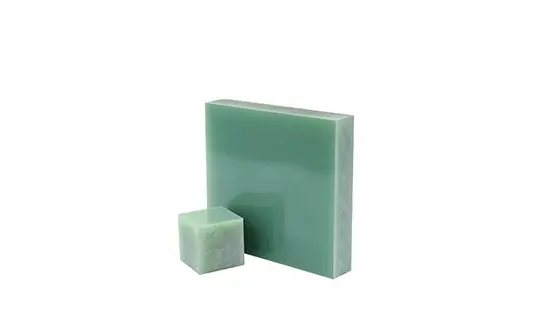
3240 Epoxy Sheet Production Equipment for Customized Electrical Applications
When considering advanced production equipment for customized electrical insulation solutions, understanding how manufacturing technology impacts 3240 epoxy sheet quality becomes essential. This epoxy-glass laminate material, known for exceptional dielectric strength and mechanical stability, demands precision equipment capable of delivering consistent performance across diverse electrical applications. Proper manufacturing infrastructure ensures that every sheet meets rigorous standards for insulation integrity, dimensional accuracy, and thermal resistance—critical factors that procurement managers and technical teams evaluate during supplier selection.
Understanding 3240 Epoxy Sheets and Their Applications
Electrical-grade woven glass cloth and thermosetting epoxy glue are mixed together to make 3240 Epoxy Sheets. Through controlled impregnation and hot-press curing processes, manufacturers make rigid composite sheets that are very good at insulating electricity and are also very durable. The finished product is stronger than many other insulation options because it can withstand chemical exposure, has high tensile strength, and works well as a dielectric.
Material Composition and Technical Specifications
Epoxy glue systems form the matrix that keeps the layers of glass fabric together while they cure at high temperatures. When tested perpendicular to the laminates, these sheets usually have a dielectric strength of more than 10 to 15 kV/mm when made with this combination. The woven glass support helps keep the structure strong, so the material can handle a lot of mechanical stress without breaking or delaminating. Temperature resistance reaches Class B levels, which means that it can be used continuously at high temperatures that would damage lesser insulation materials.
Standard thicknesses range from 0.5 mm to 50 mm, but sheets up to 150 mm can be made with special tools for specific commercial needs. The surface should be smooth, with no bubbles, pits, or wrinkles that could affect how well the electrical works. Edge quality is very important—clean cuts that don't delaminate or crack make sure that CNC machining works well when parts are being made.
Comparison with Alternative Insulation Materials
When procurement teams look at insulation choices, they can tell the difference between the performance ratings of epoxy laminates, FR4, G10, and phenolic options. FR4 is also made of glass and epoxy, but it is usually used for PCB applications that need specific flame-retardant qualities. G10 has about the same mechanical strength as ABS, but it can handle slightly lower temperatures. Phenolic cotton laminates are cheaper, but they don't resist chemicals or work well at high temperatures.
Compared to phenolic alternatives, epoxy glass construction is more stable in terms of size when temperatures change. This quality is very important for precise electrical parts, since warping could lead to assembly failures or problems with electrical clearance. Chemical resistance is higher than that of phenolic materials, especially when it comes to transformer oils and industrial chemicals that are often found in equipment used to distribute electricity.
Typical Industrial Applications
Electrical insulation is used in many fields, and each one needs a different kind of material. PCB substrate materials hold up circuit traces and keep conducting layers electrically separate. 3240 Epoxy Sheets are used by transformer makers as coil insulation barriers and thermal protection parts that stay strong even when they are constantly under electrical stress.
These laminates are used as arc shields and structural insulation in switchgear systems. They keep workers safe and the equipment reliable. 3240 Epoxy Sheets are used in the manufacturing of motor parts as slot liners, phase separators, and bearing insulation in places where mechanical vibration and electrical stress come together. The material's balanced performance across electrical, mechanical, and temperature factors makes it useful for all uses.
Production Equipment for 3240 Epoxy Sheet Manufacturing
To make high-quality 3240 Epoxy Sheets, you need high-tech tools that can precisely control a lot of different process variables. For consistent material properties across production batches, production lines must be able to repeatably control the chemistry of the resin, the temperature profiles, the application of pressure, and the curing cycles.
Raw Material Preprocessing Systems
Before lamination can start, the glass fabric needs to be prepared so that the resin sticks well and covers the whole piece evenly. Fabric handling systems unroll rolls while keeping an eye on the tension to keep the fabric from warping. Using resin mixing tools, epoxy mixtures are made to exact viscosity standards. This is done by controlling the ratios of catalysts and the features of the working life.
Through dip coating or roller application, impregnation devices put resin on glass cloth. To make sure that the electrical and mechanical properties stay the same, modern equipment uses automated controls to keep the resin content within tight ranges, usually ±5%. Controlled squeeze rollers remove extra resin, which cuts down on material waste and helps reach target resin-to-glass ratios.
During the drying stages, volatile substances are removed, and the resin cures faster to the B-stage state. This is when the material is only partly fixed and can still be bent for layup work but sticks together strongly during the final hot pressing. Infrared or convection heating systems keep precise temperature zones that control how fast the cure goes along without cross-linking happening too soon, which would lower the quality of the final laminate.
Precision Hot Press Curing Systems
During the most important part of the manufacturing process, hot press equipment turns stacked prepreg materials into solid 3240 Epoxy Sheets. Hydraulic press systems create pressures between 5 and 15 MPa, which pack down layers and push out air and extra glue that are stuck inside. Platens that are heated keep the temperature between 130°C and 155°C. This sets off the epoxy cross-linking chemistry that makes the final thermoset matrix.
Accurate temperature control has a direct effect on the qualities of a material. Digital monitoring systems keep an eye on the temperatures of the platen in several areas and change the heating elements to keep the temperatures even within ±3°C. With this level of accuracy, thermal variations that could cause internal stresses, warping, or missing cure zones in final sheets are avoided.
Manufacturers can change the curing profiles for different sheet thicknesses and resin systems by programming the press cycle. For longer cure times on thicker laminates, carefully controlled heating ramps must be used to let heat penetrate the material without over-curing the surface. Automated cycle control makes sure that the same thing can be made over and over again, so there is no variation in quality caused by different operators.
Key process parameters can be monitored in real time by modern press systems. Pressure monitors make sure that the load is spread out evenly across all sheet measurements. Thermocouples built into press platens give constant input on the temperature. Data logging systems keep records of production that help with tracking quality and improving processes.
Cutting and Finishing Machinery
Once they are dry, laminate sheets need to be carefully cut and polished on the outside to make sure they are the right size. Cutting tools that are computer-controlled can work with materials that have thickness tolerances of ±0.1mm to ±0.4mm, depending on the nominal thickness. For different types of production needs, CNC machines, water jet systems, and laser cutting tools all have their own benefits.
With water jet cutting, there are no heat-affected zones that could change the properties of the material near the cut edges. This cold-cutting method is especially useful for making sure that finished parts stay true to their original dimensions. Laser cutting makes very sharp edges with little mechanical stress, but the heat input needs to be carefully controlled to keep the plastic from burning.
Edge cleaning gets rid of cutting burrs and gets areas ready for use by customers. Sanding stations make lines smooth while staying straight on the sheet faces. Final inspection systems use calibrated measuring tools to check the accuracy of the dimensions. This makes sure that the delivered materials meet the required tolerances, which is important for making precise electrical assemblies.
How to Optimize 3240 Epoxy Sheet Production for Customized Applications
To improve production, you must first understand how the settings on your equipment affect the final properties of the 3240 Epoxy Sheet. The mechanical strength, electrical properties, and dimensional stability of a material are all affected by its temperature, pressure, and cure time. When manufacturers understand these connections, they can change the way they make things to fit the needs of each customer without lowering the quality or speed.
Process Parameter Control
Cross-link density in the epoxy matrix is affected by how the temperature is controlled during the curing cycle. Higher fix temps speed up the process, but they may cause stresses inside the materials as they cool. Lower temperatures make cycle times longer, but they might leave parts unreacted that make the material less stable over time. The best temperature profiles balance the end of the fix with the growth of stress. Usually, ramped heating plans are used to let heat penetrate slowly.
When laminating, applying pressure does more than one thing. Using the right amount of pressure gets rid of any gaps between the prepreg layers and pushes out any extra glue that would otherwise form areas with poor mechanical properties. When there isn't enough air, voids form that work as electrical stress concentrators and lower the breakdown voltage. When too much pressure is applied, necessary resin content is squeezed out. This leaves 3240 Epoxy Sheets lacking resin and weaker in terms of mechanical strength.
The way these factors are connected shows why it's important to have advanced process control tools. Manufacturers who still use old-fashioned hand settings have a hard time keeping the parameter windows small enough to get reliable, high-quality output. Digital control systems that automatically change parameters respond to real-time process input and make up for things like changes in atmospheric temperature or changes in the batch of raw materials.
Common Production Challenges and Solutions
Delamination is one of the worst quality problems that can happen when the layers of a laminate don't bond well enough. Some of the things that can cause this are dirty glass cloth surfaces, not enough resin impregnation, or not enough cure pressure. To stop this from happening, you need strict rules for inspecting raw materials and making sure that the process parameters are correct by testing production samples destructively.
Warpage happens when internal pressures stay in laminates that have already hardened, changing their shape when they cool down or are machined later. When something cures, differences in temperature cause different amounts of shrinkage, which shows up as warpage. Controlled cooling rates and symmetrical layup plans help to lessen this problem. Post-cure annealing processes can get rid of leftover stresses, which makes the material more stable in its dimensions for important uses that need it to be very flat.
Surface quality problems like bubbles or areas without enough resin make the product look bad and make it less useful. Bubbles usually mean that there wasn't enough vacuum de-airing when the resin was being mixed or that there wasn't enough pressure when it was curing. These flaws have been fixed by improving vacuum systems and making press processes more efficient. Resin-poor areas mean that the impregnation wasn't even or that there was too much resin bleed during pressing. This can be fixed by making the rules for making prepreg better.
Application-Specific Changes to the Production Process
When transformer manufacturers need materials for coil insulation, they often ask for materials with higher electrical breakdown resistance than what is required by standard. To get these qualities, you need to carefully choose the resin and use the right cure processes to get the highest cross-link density. Longer post-cure processes at high temperatures can improve electrical performance by finishing off any leftover reactions and slowing down the movement of ionic impurities.
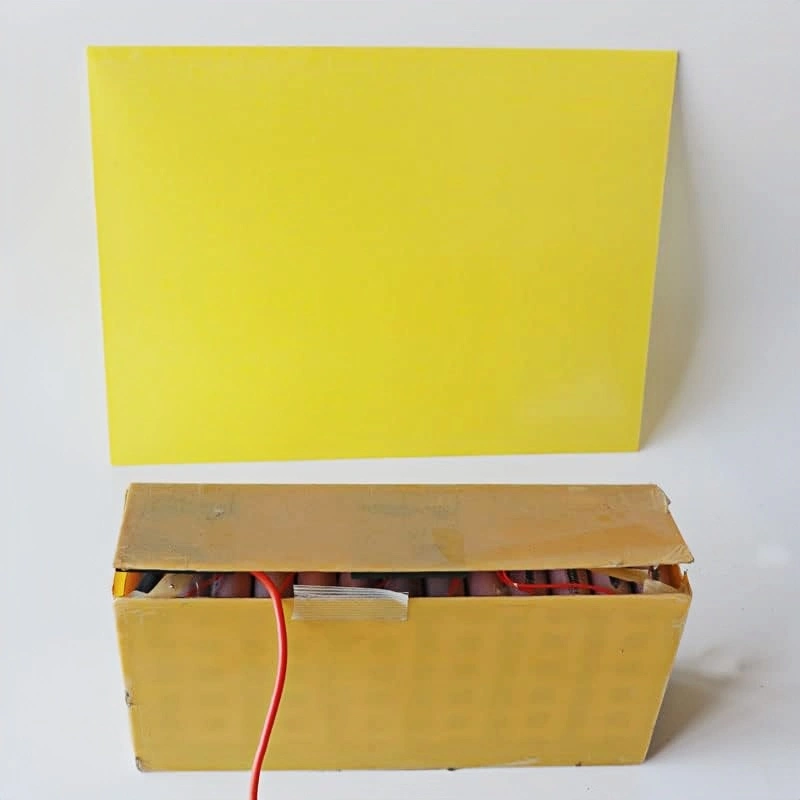
Flame resistance and electrical insulation are two things that automotive battery pack applications put a lot of importance on. Some changes that could be made to production tools could include using special resins that contain flame-retardant ingredients. To keep mechanical property goals while taking into account different reaction kinetics, these systems need to have their cure parameters changed. As part of quality control, flame spread tests are done to make sure that the product meets safety standards for cars.
When customers are making complex geometries, CNC machinability becomes very important. Too rigid or too hard a material makes cutting harder and leads to tool wear and edge chipping. Making changes to the production process to aim for a slightly lower cross-link density can make the material easier to machine without having a big effect on its electrical or thermal performance. To achieve this optimization, material suppliers and end users must work together closely to balance different property needs.
Comparison and Procurement Insights for 3240 Epoxy Sheets
When making a procurement choice, you have to look at more than just the basic specs of the 3240 Epoxy Sheets. Knowing how the capabilities of production tools affect the quality of the material provided helps buyers find suppliers who can meet the strict needs of their applications.
Performance Comparison Across Material Options
Electrical performance measures show that 3240 Epoxy Sheets are different from other types of shielding. Measuring the dielectric strength under normal test settings shows the breakdown voltage, which is important for high-voltage uses. Whenever tested, epoxy glass systems always work better than phenolic options. This is especially true in damp places where moisture absorption lowers insulation resistance.
When choosing a material for a job that involves physical stress or vibration, mechanical properties play a role. Testing for flexural strength measures how well something can resist bending loads, while testing for impact resistance measures how well it can absorb energy from sudden mechanical shocks. 3240 Epoxy Sheets are better than particulate-filled materials that have directional property changes because they use woven glass fabric to provide balanced reinforcement.
Long-term dependability in high-temperature settings depends on thermal stability. In heat age tests, materials are left out in high temperatures for a long time to see how well their properties hold up after thermal stress. High-quality epoxy systems keep their mechanical strength and electrical performance for thousands of hours at the recommended temperatures. This is better than lower-quality options that break easily or crack on the surface.
Chemical resistance is very different between types of insulation. Mineral oils can get into shielding used in transformers, so materials that don't absorb oil and keep their traits after long contact are needed. Compared to cellulose-based or some thermoplastic alternatives, epoxy systems are much better at resisting oil. After standard oil immersion cycles, testing protocols make sure that the dimensions stay the same and the electrical properties stay the same.
Supplier Evaluation Criteria
To start evaluating a company's manufacturing capabilities, you need to know how advanced its production equipment is. Suppliers who use modern automatic presses with digital process control show that they care about maintaining quality. The age of the equipment and records of its repair can tell you a lot about how reliable the manufacturing process is and how well it can keep tolerances tight across large production numbers.
Quality management systems show that an organization is dedicated to delivering consistent material performance. Certification to well-known quality standards means that there are set ways to control the process, track materials, and handle materials that don't meet standards. Suppliers should give customers material test results that list the electrical, mechanical, and thermal qualities of each production batch. This way, customers can make sure that the suppliers are meeting their requirements.
Different suppliers offer a wide range of customization options. Manufacturers with flexible production tools can work with non-standard sizes, special material systems, or requests for specific properties. This flexibility is useful for OEM applications that need material properties that are tailored to their needs. Minimum order quantities show how efficiently the production works. Suppliers who can make small batches at a low cost are better for prototyping or low-volume specialty applications.
Pricing and Logistics Considerations
The prices of materials are based on the costs of raw materials, the difficulty of making them, and the state of the market. Buyers should be aware that very low prices often mean that the quality of the raw materials or the strictness of the process controls have been lowered. Failures of materials in important uses cause costs that are much higher than the initial savings on the purchase price. Value-focused procurement weighs competitive prices against the dependability of suppliers and their track record of quality performance.
Expectations about lead times need to be in line with the realities of production scheduling. Standard thickness materials from well-known sources usually get shipped within a decent amount of time. When custom specifications call for specialized production runs, delivery times naturally get longer. Suppliers with smart inventory spots can deliver widely ordered combinations faster, which helps customers with tight project deadlines.
Logistics skills have a big effect on overall landed prices and the dependability of delivery. When a supplier has a combined shipping operation, there is only one person who is responsible for transportation, clearing customs, and coordinating deliveries. This connection makes it easier to keep track of shipments and makes routine tasks easier. The quality of the packaging affects the state of the materials when they are received. For example, proper crating keeps edges from getting damaged during transport and keeps surfaces from getting dirty or scratched.
Future Trends and Innovations in 3240 Epoxy Sheet Production
Manufacturing technology is always changing because people want better quality, more speed, and less damage to the environment. Learning about new trends helps procurement professionals guess what their companies will be able to do in the future and put them in a good position to source 3240 Epoxy Sheets.
Industry 4.0 Integration and Smart Manufacturing
As part of efforts to go digital, connected sensors, data analytics, and automated process optimization are being added to the laminate manufacturing process. Real-time tracking systems keep an eye on dozens of process variables at the same time, finding small changes before they have an impact on the quality of the material. Machine learning programs look at past output data and suggest changes to the parameters that will increase yield while still meeting specifications.
Predictive maintenance systems check the state of equipment and plan maintenance tasks based on how much parts are wearing down, not just at random times. This method makes the most of the equipment's availability while avoiding sudden breakdowns that throw off production schedules. Customers benefit because deliveries are more reliable and the quality of the materials is always the same when manufacturing equipment is well taken care of.
Digital material passports give full tracking information about goods as they move through supply lines. Blockchain-based systems make permanent records of where the raw materials come from, the process settings, the quality test results, and the past handling. This openness helps with quality checks, following the rules, and giving customers faith that the materials they buy are real.
Sustainable Manufacturing Practices
Eco-friendly production methods are used because people care about the environment. Solvent-free resin methods get rid of volatile organic compound fumes without changing the way the material works. Bio-based epoxy formulations made from green resources lower reliance on petroleum feedstocks. This makes them appealing to customers who care about the environment without sacrificing technical qualities.
Manufacturing equipment that uses less energy leaves less of an impact on the environment and costs less to run. These days' press systems use a lot less energy than earlier ones because they have better protection and ways to recover heat. These savings help companies reach their sustainability goals while also making manufacturing costs more competitive.
Waste reduction programs reuse and recycle production waste that used to cost money to throw away. Modern grinding systems turn laminate trim and materials that don't meet specifications into fills that are stronger and can be used in less demanding situations. This circular economy method reduces the amount of trash that ends up in landfills while getting more value from waste products from industry.
Market Growth and Regulatory Evolution
More high-performance electrical insulation materials are needed because the infrastructure for renewable energy is growing. Grid-scale energy storage systems, solar inverters, and wind turbine generators all need reliable insulation that can stand up to harsh conditions. This rate of growth opens up possibilities for companies that make things that can be used in these new ways.
More people are buying electric cars, which increases the need for special insulation materials that meet the needs of the automotive industry. For battery packs to be safe, the insulator must be resistant to flames and have a high electrical strength. Motor and inverter parts need materials that balance the need for good electrical performance with the need for light weight. Suppliers who are making products that are good for cars are in a good situation to take advantage of this quickly growing market area.
Changing regulatory standards make it more important for materials to work well and be environmentally friendly. RoHS directives limit dangerous substances and require companies to make new materials with chemicals that are compliant. UL approval and other similar safety standards are becoming more and more commonplace, rather than high-end ways to stand out. Suppliers who keep their current certifications up to date and look ahead to future regulatory directions show that they want to be the market leaders.
Conclusion
Choosing the right production equipment and manufacturing processes for epoxy glass laminates has a direct impact on the quality, consistency, and application performance of 3240 Epoxy Sheet. Advanced curing systems, accurate temperature control, and automated process monitoring technologies help manufacturers produce 3240 Epoxy Sheet with improved mechanical strength, electrical insulation performance, and dimensional stability to meet strict industrial requirements. In addition to reviewing material specifications, procurement professionals evaluating suppliers of 3240 Epoxy Sheet should also consider quality management systems, manufacturing capabilities, production equipment, and customization flexibility. As smart manufacturing technologies and environmentally responsible production methods continue to develop, the performance and efficiency of 3240 Epoxy Sheet manufacturing will continue to improve. These advancements provide greater value for users in transportation, industrial equipment, electrical systems, and other demanding applications. By selecting experienced suppliers with strong technical capabilities, customers can ensure reliable quality and long-term performance from 3240 Epoxy Sheet products.
FAQ
What thickness options are available for epoxy glass laminates?
Standard production runs usually cover thicknesses from 0.5 mm to 50 mm, which is wide enough for most mechanical support and electrical insulation needs. For specific industrial needs, this range can be extended to 150 mm through specialized manufacturing. Tolerances for thickness usually range from ±0.1mm to ±0.4mm, depending on the nominal thickness. Tighter tolerances are available for very precise applications that need very accurate measurements.
How does thermal performance compare with FR4 materials?
The glass-epoxy structure of both materials is similar, and they both have similar continuous operating temperatures that are good for Class B electrical applications. Heat resistance testing shows that the product will still work at temperatures between 130°C and 155°C. For challenging thermal environments, it is important to do application-specific evaluations because changes in formulation may affect peak temperature capabilities and long-term thermal aging traits.
What criteria should guide supplier selection decisions?
Check how advanced the manufacturing equipment is by looking for modern pressing systems and automated process controls. Look over quality certifications that show that management systems have been in place for a while. Ask for test results on the material that show its electrical breakdown voltage, mechanical strength, and temperature stability. Check out the options for personalization and the minimum order size. Think about how processes are integrated and how long it takes to deliver. Check examples from customers who have used similar products to make sure the seller is reliable, and the technical support team responds quickly.
Partner with J&Q for Premium Epoxy Laminate Solutions
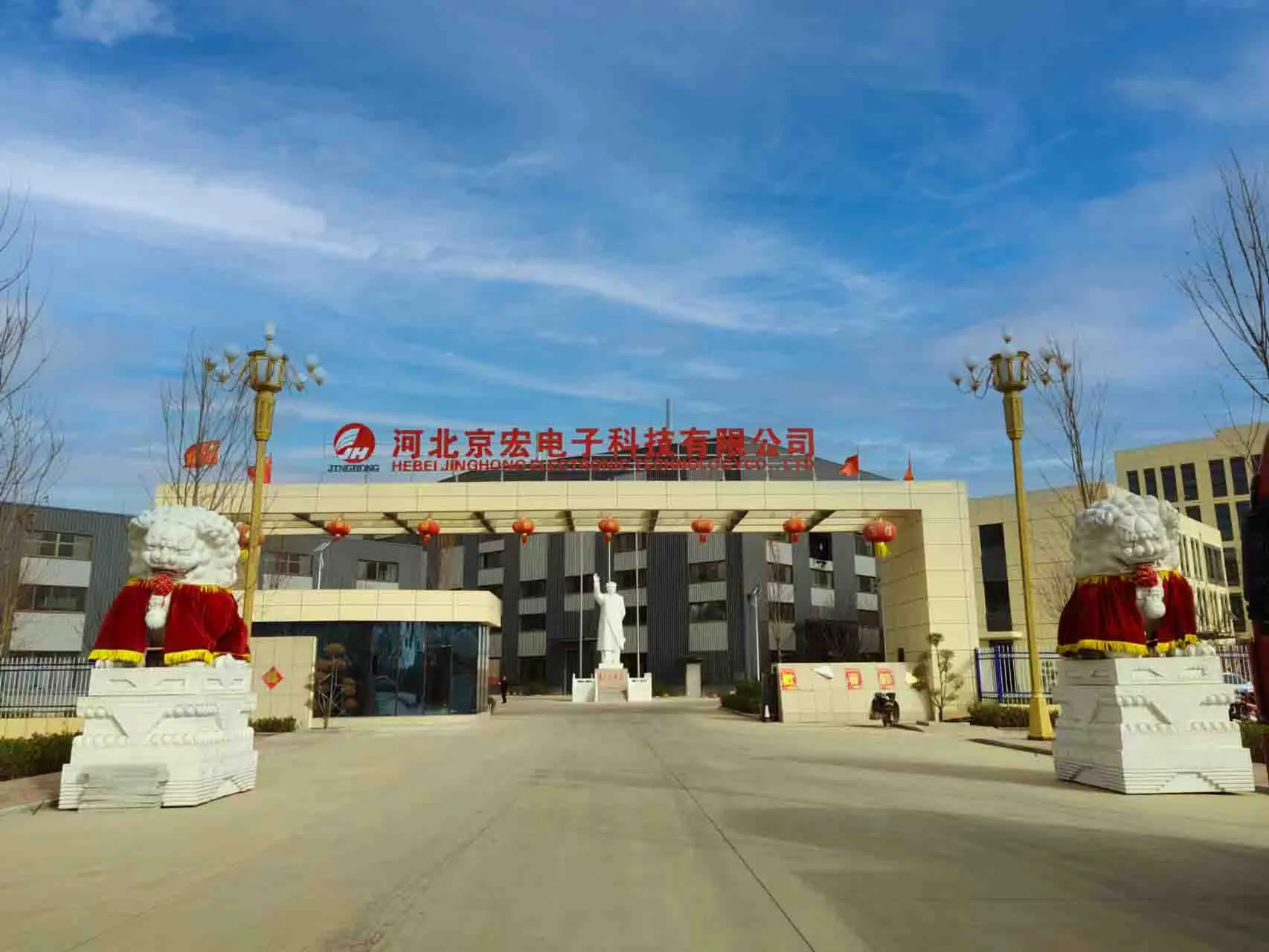
J&Q has been making insulation materials for more than twenty years and has been serving international markets for more than ten years. As a 3240 Epoxy Sheet supplier with a lot of experience, we use state-of-the-art production tools to make sure that the quality is the same for both standard and custom orders. Our combined logistics skills allow us to offer a smooth one-stop service from production to delivery, which cuts down on the hassles of planning and keeps shipments reliable. We know that electrical insulation materials must be of the highest quality. Email our team at info@jhd-material.com to talk about your needs and get samples of our materials that show how committed we are to making the best products.
References
1. Smith, J.R. (2022). Advanced Composite Materials for Electrical Insulation: Manufacturing and Applications. Technical Publishing International.
2. Anderson, M.K. & Chen, L. (2021). "Process Optimization in Thermoset Laminate Production," Journal of Composite Manufacturing, Vol. 45, No. 3, pp. 234-251.
3. Williams, D.T. (2023). Industrial Insulation Materials: Selection and Performance Criteria. Engineering Materials Press.
4. Johnson, P.H. et al. (2022). "Quality Control Methods for Epoxy-Glass Laminates in Electrical Applications," International Materials Testing Journal, Vol. 28, No. 2, pp. 112-128.
5. Roberts, E.A. (2021). Manufacturing Equipment for High-Performance Composites. Industrial Technology Publishers.
6. Thompson, K.L. & Martinez, R.S. (2023). "Emerging Trends in Electrical Insulation Material Production," Advanced Manufacturing Review, Vol. 17, No. 1, pp. 45-67.

Get a complete product list and quotation
J&Q New Composite Materials Company