Why Choose CNC Machined Phenolic Cotton Sheet for Mechanical Applications?
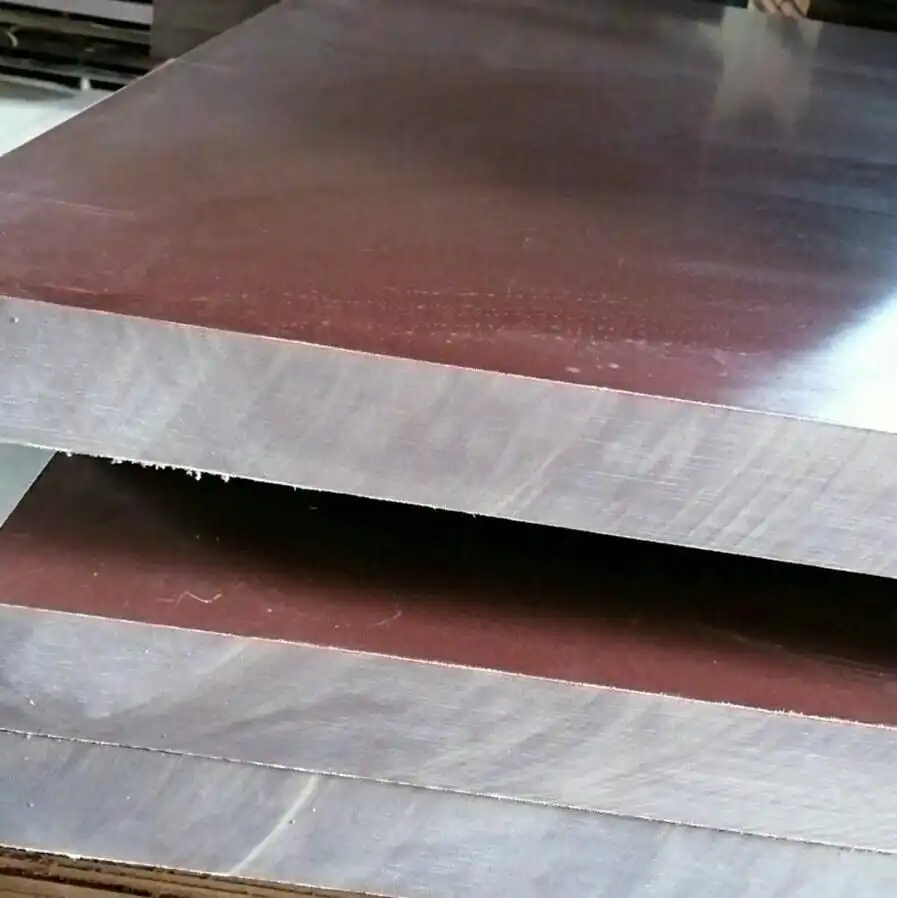
Choosing CNC machined phenolic cotton laminate for mechanical applications offers engineers a strategic advantage through superior dimensional precision, enhanced mechanical toughness, and fail-safe operational characteristics, and Phenolic Cotton Sheet provides these benefits. This high-pressure composite material, manufactured from cotton fabric layers impregnated with phenolic resin, delivers reliable performance where metal components introduce excessive vibration, weight, or catastrophic failure risks. CNC machining transforms these laminates into precisely toleranced mechanical parts—gears, bearings, spacers, and structural insulators—that meet demanding industrial specifications while maintaining electrical insulation properties critical for mixed electrical-mechanical environments.
Introduction
Industrial gear makers and procurement pros are always trying to find the best materials that balance safety and mechanical performance. Combining thermosetting phenolic resin with cotton fabric reinforcement in high-temperature, high-pressure manufacturing processes makes Phenolic Cotton Sheets, which are a tried-and-true answer to this difficult problem. This makes a composite material that is very strong, stable at high temperatures, and good at blocking electricity.
CNC machining technology makes these Phenolic Cotton Sheets more useful by making it possible to make them with precision that isn't possible with older methods. Understanding how CNC machining improves the performance of Phenolic Cotton Sheet is important for B2B procurement professionals, engineering managers, and OEM clients in the electrical manufacturing, industrial machinery, power distribution, automotive, and appliance sectors. This leads to more reliable parts, less waste, and a lower total cost of ownership.
We've worked with engineering teams for more than 20 years and seen how the ability to do precise cutting determines how well a material standard works in the real world. This piece gives detailed advice on the properties of materials, the benefits of machining, comparison analysis, and buying things so that you can make smart choices.
Understanding Phenolic Cotton Laminates: Properties and Advantages
Manufacturing Process and Material Structure
Phenolic Cotton Sheets are made by carefully immersing knitted cotton cloth in phenolic resin (bakelite) during a process called controlled impregnation. Several layers of fabric are stacked on top of each other and heated to more than 150°C while being under a lot of pressure. This makes a consolidated laminate with a consistent density and predictable mechanical properties. This way of making things makes materials with different thicknesses, from thin insulation walls to structural-grade sheets that can hold weight.
The toughness and impact resistance of the material come from the cotton cloth reinforcement. The phenolic resin matrix gives temperature stability, chemical resistance, and dimensional stiffness. This mix meets an important need in industry: it makes it possible to make mechanical parts that don't break easily like resin-based materials do, while also absorbing vibrations, resisting wear, and isolating electricity.
Core Performance Characteristics
Phenolic Cotton Sheets are very useful in a wide range of demanding situations because of their mechanical and thermal properties. The dielectric strength makes sure that it is safe to use in electrical environments, and compared to organic alternatives, it doesn't absorb much water. The material's resistance to heat means that it can be used continuously at high temperatures without losing its shape, and it keeps its shape even when it goes thru thermal cycling.
Chemical stability is very important in places like factories where oils, weak acids, and cleaning solvents are often used. The material is better at resisting rust and chemical attack than many metals, which means that parts last longer and need less upkeep. In situations where lowering the general mass of a system saves energy or makes installation easier, weight benefits become important.
Functional Advantages in Industrial Settings
Phenolic Cotton Sheets are good for some industrial problems that metal and only synthetic materials can't solve. When used in gear uses, the material naturally reduces noise and shaking, which are problems that come with metal-to-metal contact systems. This acoustic benefit makes working conditions better and lowers the long-term damage that fatigue does to parts nearby.
When used with big machines, the material has a built-in safety feature. In situations where a phenolic gear gets stuck, it slowly breaks down instead of destroying expensive drive shafts or motor units. This fail-safe feature protects expensive equipment and makes it easy to see when maintenance needs to be done before a whole component fails.
If you compare Phenolic Cotton Sheets to phenolic paper laminates, the cotton-based versions are more resistant to mechanical impact and won't break when shock loads are applied. They also provide average electrical insulation performance. Because of this, Phenolic Cotton Sheets are the best choice when mechanical stress is the most important factor and electrical separation is still needed.
Why CNC Machining Enhances Phenolic Cotton Laminate Performance?
Limitations of Conventional Machining Methods
Phenolic Cotton Sheets are hard to work with in traditional ways like drilling, sawing, and turning because the materials are fundamentally different from metals. When cutting with traditional tools, they produce too much heat, which could damage the resin core and weaken its mechanical qualities. When measurements are done by hand, they aren't always accurate. This makes batch production of precision parts unreliable and raises the rate of rejection.
The quality of the surface finish is lower with traditional methods, and the edges are rough, so they need a lot of extra work to be finished. Delamination at cut ends weakens the structure and makes it easier for water to get into electrical uses. These restrictions make it more expensive to make things and make finished parts less useful.
Precision Advantages of CNC Technology
CNC machining solves problems with processing Phenolic Cotton Sheets by using programmable tool control, best cutting parameters, and consistent execution. Multi-axis CNC machines can make complex shapes that can't be done by hand, like internal pockets, curved profiles, and precise hole patterns that can be machined to very tight tolerances in a single setup.
With CNC cutting, the consistency of the dimensions gets a lot better. Tolerance levels of ±0.05mm can be reached across production runs. This makes sure that all parts fit together correctly and gets rid of any problems with assembly. Repeatability across large batches keeps quality standards high, which is important for OEM supply agreements and quality systems that are certified.
Real-World Performance Improvements
Tool path optimization keeps the material's features stable during the grinding process by reducing the amount of heat that is produced during cutting. Controlled feed rates and systems that deliver coolant stop thermal damage and keep the edges sharp and free of delamination. The quality of the surface finish meets the requirements for direct assembly without any additional grinding or polishing.
When makers of industrial tools switch from traditional to CNC machining for phenolic parts, the quality of the parts gets a lot better. When gear teeth profiles are used, they create regular contact patterns that make them last 40 to 60 percent longer than similar parts that are made by hand. Bearing housings keep their shape when they're under load, which lowers friction and makes it possible to lubricate more often.
Manufacturers of electrical equipment like how CNC machining can precisely place holes in terminal boards and switchgear parts. Mounting hole patterns line up perfectly with mating assemblies, so they don't need to be changed in the field, which speeds up the installation process. Consistent edge quality stops electrical tracking lines that could hurt the performance of the insulator in high-voltage situations.
CNC machines help automotive makers make complicated battery pack insulators with built-in mounting features and heat management ducts. There are fewer parts, less work, and fewer places where things could go wrong when single-piece designs are used instead of multi-component assemblies. This design freedom helps with efforts to make things lighter while still meeting standards for structural and thermal performance.
Comparing Phenolic Cotton Laminates with Alternative Composite Materials
Phenolic Cotton versus Fiberglass Laminates
When choosing a material, Phenolic Cotton Sheets are often compared to fiberglass alternatives. Fiberglass composites can handle high temperatures better and have higher tensile strength, so they can be used in places with extreme temps. But Phenolic Cotton Sheet is better at resisting mechanical impacts and is better at damping vibrations for uses that need them.
These materials have different patterns of chemical resistance. Phenolic Cotton Sheet stays stable in a wider range of industrial chemicals, especially alkaline solutions, where fiberglass might break down. When cutting with a CNC machine, Phenolic Cotton Sheet gives you cleaner edges and less tool wear than when cutting with abrasive fiberglass. Because it is cheaper, Phenolic Cotton Sheet is usually better for mechanical uses that work at moderate temperatures. On the other hand, fiberglass is better for electrical settings that get very hot.
Phenolic Cotton versus Epoxy Laminates
In many electrical and mechanical situations, epoxy resin laminates and Phenolic Cotton Sheet choices are immediately competing with each other. Because they are better at resisting electricity and don't absorb water as easily, epoxy materials are often chosen for precise electrical insulation. Phenolic Cotton Sheets counter have better mechanical toughness and shock resistance, which means that cracks are less likely to spread when they are hit.
Phenolic Cotton versus Paper-Based Laminates
When it comes to temperature, epoxy laminates can usually handle higher constant temperatures, while Phenolic Cotton Sheets keep their mechanical properties more consistently when they are heated and cooled. When CNC cutting services are combined with material supply, Phenolic Cotton Sheets tend to be better because they can be made more quickly and can be customized in more ways. Usually, procurement teams choose Phenolic Cotton Sheet for structural and mechanical uses and epoxy laminates for uses that are mostly electrical.
In high-volume electrical uses, paper-based phenolic laminates are cheaper, but they don't work as well mechanically as Phenolic Cotton Sheets. Because the cotton support gives these laminates much better impact strength and flexural qualities, they can be used for structural load-bearing tasks where paper-based materials would fail.
When it comes to moisture resistance, Phenolic Cotton Sheets are better than paper fiber structures because the tighter fabric weave keeps the dimensions stable in damp places. The machinability is better when Phenolic Cotton Sheet is used, and the fabric structure is better at resisting delamination during drills and cutting than layered paper construction. When mechanical stress and environmental exposure are the most important factors, decision-makers choose Phenolic Cotton Sheets. On the other hand, paper-based options are used when cost is an issue and electrical insulation is needed.
Procurement Considerations for Phenolic Cotton Laminates
Supplier Qualification and Certification
To find high-quality Phenolic Cotton Sheets, you need to look at how well the makers can produce, their quality systems, and their expert support. Established providers keep their ISO 9001 certification, which shows that they control the process consistently. UL recognition makes sure that materials meet electrical safety standards, which are important for controlled uses. Verification of ROHS compliance proves that global supply chains are environmentally responsible.
A production capability review should look at sites for testing materials, industrial tools, and the ability to increase output. Suppliers who offer combined CNC cutting services add value by making it easier to buy things, keeping an eye on quality, and managing transportation. Strategic supply partners are different from transactional sellers because they offer technical support, such as help with choosing materials, application engineering, and failure analysis.
Customization and Technical Specifications
The ability to customize Phenolic Cotton Sheets has a direct effect on how well components work and how efficiently they are made. The different sheet thicknesses should be able to meet a wide range of needs, from thin electrical barriers to structural-grade parts. Different densities let you find the best balance between strength and weight reduction, and different surface finishes get rid of the need for extra processing steps.
Lead Times and Volume Economics
When CNC cutting is combined with other processes, it's possible to customize parts in a way that buying raw materials alone can't. Suppliers that offer single-source duty for design teamwork, prototype production, and batch production make buying easier and delivery more predictable. Custom packaging that fits the needs of the production line reduces damage from handling and makes managing inventory easier.
To plan production, you need to know how long it will really take to get raw materials, have special parts made, and coordinate transportation. Standard thickness Phenolic Cotton Sheet materials can usually be shipped within days of being in stock, but special specs may take weeks to plan production and make sure the quality is good. Clear communication about wait times helps keep production schedules on track and stops expensive line stops from happening.
Prices for large orders of Phenolic Cotton Sheet should be based on savings of scale, but they should still be flexible enough to meet the needs of prototypes and small batches. Blanket purchase agreements with scheduled releases make costs predictable and give production priority. Suppliers who specialize in transportation can help with shipping, customs paperwork, and arranging deliveries, which lowers the total cost of acquisition in more ways than just the price of the materials.
We've built long-term relationships with engineering teams because we know that procurement decisions aren't just about unit price. They're also about delivery reliability, the quality of technical support, and the openness of the supply chain. With more than twenty years of experience in production and combined transportation, we can offer complete solutions that lower buyer risk and make supply management easier.
How to Choose the Right Phenolic Cotton Laminate for Your Mechanical Application?
Application Requirements Analysis
To choose the right Phenolic Cotton Sheet, you must first carefully look at how it will be used, how it will be loaded mechanically, and how it will be affected by its surroundings. Minimum requirements for tensile and compressive strength are set by continuous mechanical stress levels, while requirements for toughness are set by impact loading. Thermal stability requirements are set by the operating temperature range, and environmental resistance requirements are set by chemicals, moisture, or weathering in the outdoors.
Electrical insulation needs affect the choice of Phenolic Cotton Sheet grade even in applications that are mostly mechanical. To keep tracking from failing, dielectric strength and surface resistance must be checked in settings with both electrical and mechanical elements. Needs for dimensional accuracy set the limits for cutting tolerances and the quality of the surface finish that CNC machines must meet.
Material Grade Selection Criteria
There are different kinds of Phenolic Cotton Sheets that are best for different types of applications. Standard industrial grades are good for general-purpose uses because they have the right mix of mechanical properties and cost-effectiveness. Different types of high-strength materials can hold more weight for structural parts, and fine-grain materials have a better finish for tight fits and bearing surfaces.
There are different levels of flame resistance, from self-extinguishing formulas that meet UL94 V-0 standards to standard grades that are good for non-critical fire exposure. Moisture-resistant types use changed glue systems that keep the shape of the Phenolic Cotton Sheet stable in places with a lot of moisture. For grade selection, it's important to match the properties of the material to the performance factors that are most important for the application, rather than defining too many properties that don't affect how well it works.
CNC Machining Compatibility
To make sure that standards for accuracy in measurements and surface finish can be met, Phenolic Cotton Sheet specs should match up with CNC machining capabilities. The consistency of machining is affected by how uniform the sheet thickness is. Tighter tolerances for thickness help with precise depth control in milling and routing operations. During production runs, the way tools wear and the regularity of the surface finish are affected by changes in the material density across the sheet area.
Manufacturers that offer integrated CNC services can suggest the best Phenolic Cotton Sheet grades for each job, so you don't have to choose materials by trial and error. Before committing to full-scale production, cutting factors are tested on prototypes. This lowers the risk of introducing new products. Technical help during design optimization makes sure that the shapes of parts take advantage of the strengths of the material and don't have any features that make them harder to make or less effective.
Conclusion
When it comes to mechanical uses, CNC-machined Phenolic Cotton Sheets have been shown to work better than other materials. When you combine the toughness of cotton cloth with the stability of phenolic resin and the accuracy of CNC manufacturing, you get parts that solve important industry problems like electrical isolation, vibration dampening, and fail-safe operation. It is important to carefully consider the mechanical loads, weather exposure, and electrical needs of a material before choosing it. This is done by matching the right Phenolic Cotton Sheet grades with the CNC machining capabilities. Partnering with skilled sources that offer integrated material supply, custom machining services, and technical support throughout the product lifecycle is key to successful procurement. When engineering and procurement teams know about these factors, they can choose Phenolic Cotton Sheet solutions that give the best performance, dependability, and total cost of ownership.
FAQ
How does phenolic cotton laminate strength compare to fiberglass in mechanical applications?
Phenolic Cotton Sheets are great for gears, bearings, and structural fillers that are subject to shock loading because they are tough against contact and reduce vibration. Fiberglass composites have better tensile strength and temperature protection, but Phenolic Cotton Sheet support makes them less mechanically resilient. The choice you make will depend on whether your application needs maximum tensile strength or impact resistance.
Can phenolic cotton withstand continuous exposure to heat and chemicals?
When used continuously at temperatures up to 120–130°C, Phenolic Cotton Sheets keep their structure. They can also handle much higher temperatures for short periods of time. Most industrial oils, mild acids, and alkaline solutions don't damage the material, but strong oxidizing acids do. When you choose a Phenolic Cotton Sheet type, you should make sure that it can handle the temperatures and chemicals that will be used in your application.
What lead times should we expect for custom CNC machined components?
Ordering standard Phenolic Cotton Sheet material that can be easily machined with CNC takes about one to two weeks, based on the batch size and level of complexity. Lead times for production and quality checks may go up to 3–4 weeks if you need custom material specs. A lot of the time, prototypes ship faster than production quantities. For production quantities, scheduled release agreements help make sure that capacity is allocated and delivery times are predictable.
Partner with J&Q for Precision Phenolic Cotton Laminate Solutions
For your Phenolic Cotton Sheet needs, J&Q can help with its more than 20 years of production experience and integrated operations. Quality-certified material making and advanced CNC machining are both done in our production sites. This lets us make precision parts that exactly match your needs. We know the technical problems that electrical makers, machinery builders, and auto suppliers face every day because we've fixed them over and over again on thousands of successful projects. Our expert team helps with application engineering from choosing the right Phenolic Cotton Sheets at the beginning to making sure the production process runs smoothly. This makes sure that your parts work reliably for as long as they are used. If you're looking for a reliable Phenolic Cotton Sheet source that can do everything—knowledge of the material, CNC accuracy, quick communication, and on-time delivery—contact our team at info@jhd-material.com. We'll work closely with your engineering and purchasing teams to come up with ideas that improve the performance of your products and make your supply chain run more smoothly.
References
1. Chawla, K.K. (2019). Composite Materials: Science and Engineering, Fourth Edition. Springer-Verlag, New York.
2. Mazumdar, S.K. (2021). Composites Manufacturing: Materials, Product, and Process Engineering. CRC Press, Boca Raton.
3. ASM International Handbook Committee (2020). Composites: Engineered Materials Handbook, Volume 1. ASM International, Materials Park.
4. Biron, M. (2018). Thermoplastics and Thermosetting Polymers: Technical Properties and Applications. Elsevier Science, Oxford.
5. Campbell, F.C. (2021). Manufacturing Processes for Advanced Composites. Elsevier Advanced Technology, Oxford.
6. Harper, C.A. (2022). Handbook of Plastics, Elastomers, and Composites, Sixth Edition. McGraw-Hill Education, New York.

Get a complete product list and quotation

J&Q New Composite Materials Company



