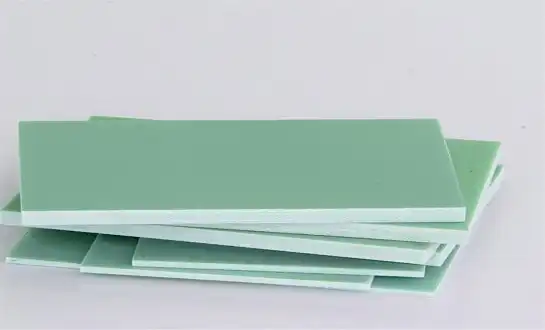
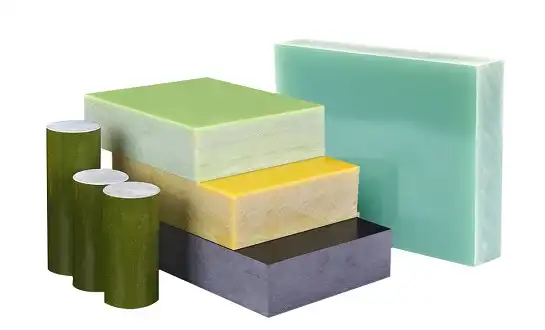
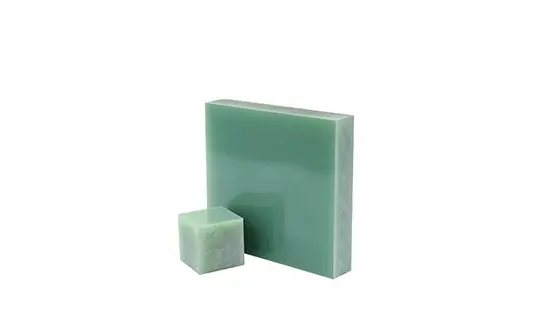
Bakelite Sheet CNC Machining Solutions for Electrical and Mechanical Parts
When engineering managers and procurement specialists search for reliable insulation materials that deliver consistent performance under extreme conditions, Bakelite Sheet emerges as a proven solution. This thermosetting phenolic composite combines superior electrical insulation with mechanical robustness, making it indispensable for CNC-machined components in electrical assemblies, industrial machinery, and power distribution systems. Understanding how precision machining unlocks the full potential of phenolic laminates allows manufacturers to produce parts that meet stringent safety standards while maintaining cost efficiency across high-volume production runs.

Understanding Bakelite Sheet: Properties and Manufacturing Process
What Makes Phenolic Laminates Unique?
Bakelite Sheet represents a high-tech building material made when phenol and formaldehyde react chemically in a controlled way. This thermoset material cures in a way that can't be undone, locking molecules into a hard three-dimensional network. This is different from thermoplastics, which soften when heated. Because of this basic difference, companies that make electrical equipment choose phenolic composites over regular plastics when the job needs to handle high power or high temperatures.
The Manufacturing Journey from Resin to Sheet
The first step in production is to condense phenol and formaldehyde in industrial reactors under exact conditions of heat and pressure. Catalysts and fillers change the properties of the plastic to meet certain performance goals. Paper or cellulose fabric layers soak up the liquid resin. The layers are then put into hydraulic presses where temperatures of 150 to 180°C and pressures of more than 1,000 psi join them together into thick, even sheets. Thru this laminating process, materials with thicknesses ranging from 0.5 mm to 100 mm are made, and each sheet has the same dielectric properties.
Critical Properties That Drive Industrial Adoption
The cured phenolic structure acts as electrical insulation that can withstand voltages of up to 20kV/mm. This keeps sensitive parts in switchgear and motor housings safe. Thermal stability goes up to 120°C for constant use, and short-term resistance can hit 180°C before any damage to the structure happens. Under compressive loads, the material's mechanical strength stays the same, and its low moisture absorption (usually less than 1%) keeps its dimensions from changing in damp places. Combining these qualities is what makes transformer makers and car sellers choose phenolic laminates as mission-critical insulation barriers.
CNC Machining with Bakelite Sheets: Advantages and Application Scenarios
Precision Capabilities That Traditional Methods Cannot Match
With limits as small as ±0.05mm, computer numerical control technology can change plain Bakelite Sheets into complicated shapes. The material's dimensional stability during cutting keeps it from warping or expanding, which happens with softer plastics. This makes it possible to make complex parts like thin-walled insulation or mounting holes that are carefully placed. CNC milling eliminates the need for secondary operations by giving parts smooth surfaces. This cuts down on lead times and labor costs while keeping the quality of thousands of identical parts.
Real-World Applications Across Industrial Sectors
Manufacturers of electrical equipment use CNC-machined phenolic parts for circuit breaker housings because they are resistant to arcing, which keeps breakdowns from being too catastrophic. Precision-cut gears and bearings are used in industrial machinery because they work quietly and don't wear out quickly from friction. Power distribution companies put up custom-shaped arc barriers between transformer coils. The flame resistance and dielectric strength of the material protect in two ways. Automotive makers make battery pack dividers that are very accurate in terms of their dimensions. This makes sure that high-voltage electric vehicle systems work safely.
When a major appliance maker switched to CNC-machined phenolic mounting clips made from Bakelite Sheet, which kept the motors precisely aligned during heat cycling, they cut motor assembly errors by 40%. This example shows how the choice of material has a direct effect on how reliable a product is and how much the warranty costs. Suppliers of transportation equipment like the material because it stays stable at high and low temperatures, meaning structural integrity is maintained whether parts are in the desert or the Arctic while the vehicle is running.
Why Performance and Safety Demand This Material Choice
When safety rules say that materials must not conduct electricity and won't add to electrical fires, engineering teams choose phenolic laminates. The material's ability to put out fires on its own meets UL94 V-0 standards for flammability, which gives automatic shutdown systems important seconds to work when something goes wrong. Chemical resistance protects parts that are exposed to hydraulic fluids, lubricants, and cleaning solvents that are common in industrial settings. This makes the parts last longer than standard engineering plastics could.
Comparing Bakelite Sheets with Alternative Materials for CNC Applications
Performance Benchmarks Against Common Alternatives
To choose the right material, you need to know how to weigh the pros and cons of different properties. Glass-reinforced epoxy laminates have a higher bending strength, but they are harder to machine because the glass strands are rough and wear down tools faster. Standard industrial plastics, like nylon, are easy to machine but break down when heated above 90°C, making them unsuitable for motor housings or transformer parts. Mica sheets are very good at withstanding heat, but they aren't strong enough to be used for building structures, so they can only be used for gaskets and washcloths.
Phenolic cotton laminates fill in these gaps by being both mechanically tough and thermally stable. They also stay machinable, which keeps production costs low. When carbide tools are used on this material, they produce fine dust instead of stringy chips that get in the way of the cutting. Compared to glass-filled composites, this property lets you use higher feed rates and tools that last longer, which means that the cost per part is lower during large-scale production runs.
Cost Analysis for Long-Term Value
Bakelite Sheets cost 20–30% more to make than regular plastics at first, but a lifetime study shows that they are worth more in the long run. When parts last twice as long, they don't need to be replaced as often, which saves money on downtime costs. Getting rid of extra finishing steps balances out the higher cost of materials, and lower scrap rates due to dimensional stability lower the cost of getting rid of trash. When purchasing managers figure out the total cost of ownership, they always find that phenolic options give them a better return on investment for tough mechanical and electrical uses.
Procurement Guide for Bakelite Sheets: How to Source the Best Material for CNC Machining?
Identifying Qualified Suppliers in Global Markets
Checking the credentials of the manufacturer thru third-party certifications like ISO 9001 quality management systems and environmental compliance standards is the first step to successful sourcing. For example, you could ask for dielectric strength test results and temperature performance data to show that the material meets industry standards. Consistent resin formulas and pressing settings from well-known providers ensure batch-to-batch regularity, which is important for keeping tight tolerances during precision machining operations.
Navigating Pricing Structures and Volume Discounts
The price of Bakelite Sheets depends on their thickness, grade, and the number of sheets that are ordered. Material in Grade X that is designed to be strong mechanically costs less than material in Grade XXX that is designed to be better at resisting water. When compared to spot purchases, volume commitments usually lead to discounts of 15–25%. This makes annual contracts appealing for manufacturers whose demand is likely to stay steady. Custom sized choices cut down on waste by sending sheets that are the right size for your cutting patterns. This increases yield rates and lowers the cost of making a finished part.
Quality Assurance Protocols That Protect Your Investment
Set up processes for inspecting arriving sheets to check their hardness, thickness tolerances, and surface quality before sending them to production. Random selection for electrical tests proves that the dielectric strength meets the needs of the design. Moisture content testing makes sure that the right storage conditions were kept during shipping so that absorbed water doesn't cause problems during machining. By adding these checks to the buying process, bad material is caught before it gets to the CNC machines. This keeps production from being held up and parts from having to be thrown away, which costs a lot of money.
Optimizing CNC Machining Performance with Bakelite Sheets
Tool Selection and Cutting Parameters
Sharp cutting edges on carbide end mills keep the shape of the part clean by reducing chip-out along polished edges. When production volumes are high enough to justify the cost, diamond-coated tooling lasts longer, but standard carbide works fine for most jobs. Spindle speeds of 3,000 to 6,000 RPM and feed rates of 150 to 300 mm/min give the surface a good finish while keeping dust levels low. Cuts with a shallow depth—usually 1-2 mm per pass—lessen the cutting forces that could break Bakelite Sheet material that is easily broken.
Dust Management and Operator Safety
Phenolic dust made by machining contains particles that are irritating to the lungs, so active extraction systems are needed. Put vacuum tubes close to where the cutting is happening to catch dust where it starts before it goes into the air. As required by occupational health guidelines for processing composite materials, operators should always wear the right respiratory protection, even when extraction systems are running. Good airflow protects workers' health and keeps machine casings clean so that they can be seen clearly while they're working.
Emerging Trends Shaping Future Applications
Nano-fillers added to advanced resin recipes improve thermal conductivity without lowering electrical insulation. This lets heat escape more efficiently from small electronic circuits. Integration of automation enables lights-out machining of phenolic parts, which lowers labor costs while maintaining quality standards. When you mix phenolic layers with metal foils, you get electromagnetic shielding components for sensitive electronics. These can be used in more areas, like telecommunications and aerospace, where signal integrity is important.
Conclusion
Bakelite Sheets have the best electrical insulation, temperature stability, and mechanical strength. They can be turned into precise parts for important uses using CNC cutting. Because the material has been used successfully in electrical equipment, industrial tools, power distribution, automotive systems, and home products, it is the best choice when safety and dependability must be maintained. By working with experienced suppliers, you can be sure to get certified materials and technical support. Also, by using the best machining techniques, you can get the most out of your production runs in terms of productivity and part quality.
FAQ
What Temperature Range Can Phenolic Laminates Handle?
Standard Bakelite Sheet grades can be used constantly at 120°C and sometimes at 180°C without losing their electrical or structural features. Specialized high-temperature versions raise the constant values to 150°C so they can be used for things like transformer insulation or parts inside an engine. When you go over the recommended temperatures, the plastic turns carbonized, which lowers both its mechanical strength and its ability to conduct electricity.
How Does Mechanical Strength Compare to Engineering Plastics?
When it comes to load-bearing applications, phenolic composites are better than nylon and acetal because they have tensile strengths between 50 and 90 MPa and compressive strengths over 150 MPa. The material doesn't creep under long-term loads as well as thermoplastics do, so it can keep its shape in structural parts that are under constant stress, like bearing housings or gear flats.
What Minimum Order Quantities Should Buyers Expect?
Standard thicknesses and grades are usually in stock and can be bought by the sheet. However, for custom sizes and specifications, suppliers may need at least 50 to 100 sheets to cover the costs of setting up the production line. Delivery times range from right away for items that are in stock to 4 to 6 weeks for custom formulations or sizes that aren't standard.
Partner with J&Q for Superior Bakelite Sheet Solutions
J&Q has been making high-quality phenolic laminates for more than 20 years and has also been trading internationally for ten years, helping companies that make electrical equipment and industrial machinery. Our integrated logistics services make it easy for goods to get from our production facilities to your machining operations, cutting out the need for middle-man delays. As a well-known provider of Bakelite Sheet, we keep a large stock of different thicknesses and grades, along with approved quality paperwork that meets UL and ROHS standards.
Technical support teams help you choose the right materials, make the most of the cutting parameters, and do application engineering to make sure your parts work the way they're supposed to. With volume pricing and custom sizing options, you can lower your total acquisition costs while still getting the consistent materials that precision CNC operations need. Get in touch with our purchasing agents at info@jhd-material.com to talk about your unique needs and find out how working with an expert phenolic laminate manufacturer can improve the quality of your products and the reliability of your supply chain.
References
1. Baekeland, L.H. (1909). The Synthesis, Constitution, and Uses of Bakelite. Industrial & Engineering Chemistry Research, Volume 1, Issue 3.
2. Harper, C.A. (2006). Handbook of Plastics Technologies: The Complete Guide to Properties and Performance. McGraw-Hill Professional Publishing.
3. Society of Manufacturing Engineers (2018). CNC Machining of Composite Materials: Best Practices and Tool Selection. SME Technical Paper Series.
4. International Electrotechnical Commission (2015). IEC 60893: Insulating Materials - Industrial Rigid Laminated Sheets Based on Thermosetting Resins for Electrical Purposes.
5. American Society for Testing and Materials (2020). ASTM D709: Standard Specification for Laminated Thermosetting Materials. ASTM International Standards.
6. Thompson, R.J. & Martinez, K. (2019). Advanced Phenolic Resins: Chemistry, Processing and Applications in Electrical Engineering. Polymer Science Publishers.

Get a complete product list and quotation
J&Q New Composite Materials Company