Which CNC Machines Deliver High Precision FR4 94V0 Epoxy Board Parts?
High-speed vertical milling machines, multi-axis CNC routers, and laser micro-machining systems deliver exceptional precision for Fr4 94v0 Epoxy Board components. These machines achieve tight tolerances required for electrical insulation parts, PCB substrates, and switchgear components. Their spindle speeds, rigidity, and repeatability directly influence edge quality, hole dimensions, and surface flatness—critical factors that determine the functional integrity and dielectric performance of flame-retardant epoxy laminates in high-reliability applications.
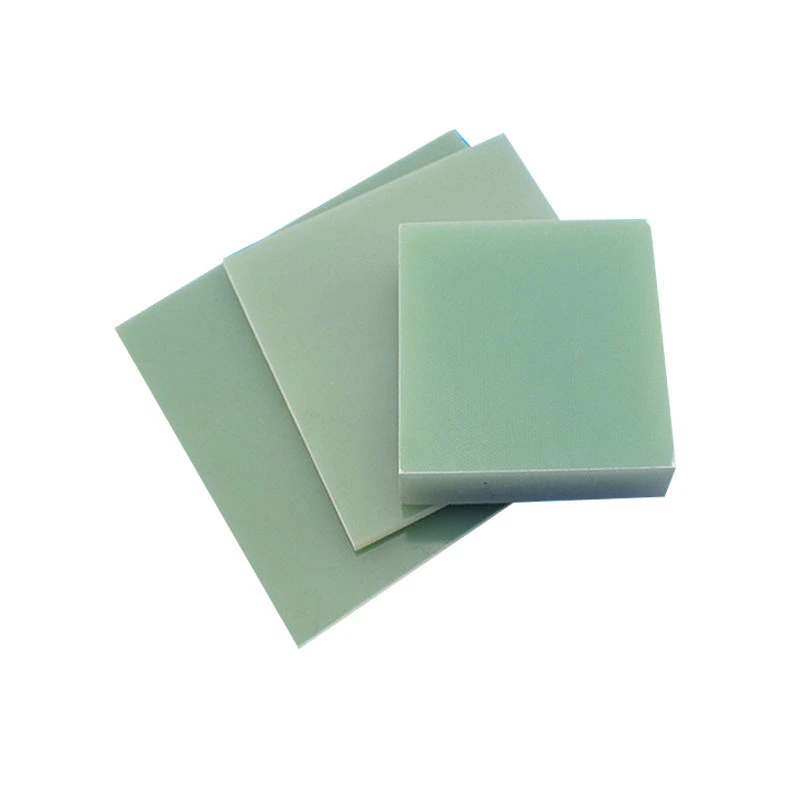
Understanding FR4 94V0 Epoxy Board and Precision Requirements
Flame-resistant epoxy laminates are very important in the making of electronics and electrical goods, so they need to be precisely machined. As a supplier that has been making insulating materials for more than 20 years, we've seen firsthand how the composition of the material directly affects how well it machines.
What Makes FR4 94V0 a Standard in Electronics Manufacturing?
The National Electrical Manufacturers Association says that FR4 is an epoxy resin veneer with glass reinforcement. The "FR" label means that the material is flame retardant and meets the UL94V-0 standard for how easily plastic can catch fire. This certification promises that the fire won't spread and that it will go out quickly if it starts to burn. The composite structure is made of woven glass fabric and epoxy resin. This makes a material that doesn't absorb water and keeps its high mechanical strength in both dry and wet conditions. Standard types have glass transition temperatures between 130°C and 140°C, while High-Tg types reach temperatures above 170°C, which keeps the structure strong during thermal cycling without delamination.
Why Precision Machining Matters for Electrical Insulation?
The dielectric constant is between 4.4 and 4.8 MHz at 1 MHz, and the dielectric breakdown voltage is more than 40kV. This means that precise machining is necessary. When we machine busbar supports or arc barriers for switchgear use, even small changes in size can make them less effective at high voltages. The Comparative Tracking Index of the material stops conductive paths from forming on surfaces when there is a lot of voltage and moisture, but only if the quality of the edges meets the requirements. Dimensional stability is important when making test fixtures and solder pallets because these parts have to be able to handle repeated localized heating cycles and mechanical pressure. The woven glass support gives the material a bending strength of more than 400 MPa along its length. However, the abrasive content makes it hard to machine and needs special techniques.
Critical Tolerance Requirements in PCB Substrate Machining
For servers and phone equipment, multilayer printed circuit boards need to have precise hole placement and controlled surface roughness. Some of the resistance to measling—white spots that show up during temperature cycling—depends on how well the base is protected during machining. Edge delamination, burring, and microcracks can make computer gear less reliable over time. Twenty years of experience have taught us that to get consistent results from batch to batch, we need to know how feed rates, spindle speeds, and tool geometry affect the composite structure of the material.
Criteria for Selecting CNC Machines for FR4 94V0 Epoxy Board Parts
When picking out the right CNC tools, you have to weigh the technical features against the needs of your business. Through our foreign trade relationships that go back more than ten years, we've helped many electrical and technology businesses weigh their options.
Technical Parameters That Determine Machining Quality
When cutting glass-reinforced laminates like Fr4 94v0 Epoxy Board, the spindle speed has a direct effect on the quality of the surface finish and the edges. Machines with 18,000 to 24,000 RPM offer the best cutting conditions for carbide tools, keeping output high while reducing delamination. Dimensional accuracy is affected by how rigid the machine is, especially when working with thicker boards or removing a lot of material. Micron-level precision makes sure that holes are always in the same place on all panels, which is very important for PCB uses where connector orientation can't change. Temperature adjustment systems take into account thermal expansion during long production runs. This keeps the tolerances intact even when the temperature and humidity change.
Production Scale and Automation Considerations
The expected batch size has a big impact on the equipment that is chosen. Automated loading systems and multi-table setups that cut down on non-productive time are helpful for producers who make a lot of things. Quick-change tools and flexible fixturing methods are important for job shops that have to handle a lot of different tasks. Automation can do more than just move materials. It can also track tool wear, find broken tools, and change the feed rate automatically. These features lower the amount of scrap and user involvement, which has a direct effect on labor costs and delivery times. Our integrated logistics services have shown that machine uptime is related to the reliability of the supply chain. We address this issue through strategic partnerships with our suppliers.
After-Sales Support and Total Cost of Ownership
How quickly technical help responds affects the continuation of production when problems with machining need to be fixed or parameters need to be optimized for new part shapes. When spare parts are available, long periods of downtime that break customer promises are avoided. Training programs make sure that engineers and operators get the most out of their equipment while still following safety rules. Lifecycle costs include things like filtering the coolant, maintaining the spindle, and replacing tools on a regular basis. Different types of machines use a wide range of amounts of energy, which affects the costs of running the equipment over its useful life. Our manufacturing experience helps us find solutions that balance initial investment with long-term value, which we then share with procurement teams.
Top CNC Machine Types Delivering High Precision for FR4 94V0 Epoxy Board
Depending on the needs of the application and the amount of work that needs to be done, each CNC technology has its own benefits. Knowing these differences helps match the skills of tools to the needs of the manufacturing process.
High-Speed Vertical Milling Machines for Standard PCB Parts
Vertical machining centers are great at drilling, routing, and contouring, all of which are common tasks in making PCBs and electrical parts. Because they are rigid, they don't bend much when they are being cut, so the dimensions stay the same across the whole work envelope. Spindle speeds that are best for non-ferrous materials allow for clean cuts through glass-epoxy composites without wearing out the tools too quickly. Standard surfaces range from thin flexible circuits to thick industrial laminates, and these tools can easily handle boards of different sizes. Automatic tool changes make it possible to make complicated parts that need more than one process without having to do them by hand. Coolant distribution systems control the flow of chips and the temperature, which keeps materials from breaking down during cutting. Manufacturers that work with electronics find that these tools work well for making insulation frames, motor brackets, and thermal separation components in medium to large quantities.
Multi-Axis CNC Routers for Complex Geometries
CNC cutters give you more options when making parts from Fr4 94v0 Epoxy Board with complicated cuts, curved curves, or three-dimensional features. Their gantry-style design lets them handle the big panel sizes that are common in industrial machinery. This is because structural insulation and mechanical spacers need more precision than simple drilling operations. With multi-axis capabilities, you can make beveled edges, chamfers, and compound angles on workpieces without having to move them. This cuts down on setup time and improves accuracy. When cutting aggressively, vacuum table workholding keeps thin materials in place and stops vibrations that can damage the edge quality. The power-to-weight ratio of router spindles makes them good for cutting reinforced composites because they balance the need for cutting force with the need for a smooth surface. These tools are used by companies that make parts for cars and need special insulation pads and battery pack barriers that keep the quality of each batch the same across production runs.
Laser and Micro-Machining Solutions for Fine Features
Laser machining lets you process things without touching them, which is helpful for delicate parts or situations where mechanical stress needs to be kept to a minimum. The focused energy beam makes clean cuts with few areas affected by heat, so the properties of the material next to the machined edges are not changed. Micro-drilling makes it possible to get hole diameters and position accuracy that aren't possible with regular tools. Traceability is improved by engraving and writing features that don't require any extra work. Due to their limited depth capabilities, laser systems can only work with thinner materials or shallow features. This means that they are best used in conjunction with mechanical cutting and not as an alternative for it. Laser precision is used in the power and energy sector for things like coil insulation parts and arc barriers that need to be flame-resistant and stable in terms of temperature. The technology works well for low- to medium-volume production where the cost of the process is worth it because of the complexity of the parts.
Comparing CNC Solutions: Performance, Cost, and ROI
When choosing tools, it's important to compare them objectively across a number of factors that affect how well they work in the factory and how well they do financially.
Accuracy and Surface Quality Benchmarks
Positional accuracy specs tell you how often a machine can return to the numbers you give it. These specs are usually between ±0.005mm and ±0.025mm, based on the type of equipment. Surface roughness values show how well the material was cut, and Ra values below 1.6 micrometers are possible with the right parameter optimization. Cutting speeds, tool change times, and workpiece loading cycles are all taken into account when measuring throughput. At the same quality level, a machine that makes 200 parts per shift is a better deal than one that makes 150 parts per shift. Maximum board sizes are based on the thickness of the material. Industrial equipment can handle materials up to 50 mm thick, while electronics-focused machines are better at working with thinner substrates. These success indicators have a direct effect on customer happiness and yield rates.
Initial Investment and Operational Expenses
The prices of buying equipment range from small expenses for entry-level systems to large sums of money for advanced multi-axis platforms. Costs of operations include things like using electricity, replacing coolant, and regular maintenance. Wearing out tools is a high ongoing cost of working with rough glass-reinforced materials. When cutting certain linear distances, carbide end mills may need to be replaced. Diamond-coated tools, on the other hand, can last longer but cost more at first. These factors have been measured in our manufacturing processes, which lets us make accurate ROI predictions. When a machine cuts tool use by 30% and cycle time by 20%, it quickly explains its higher price by saving money on consumables and making better use of its capacity.
Real-World ROI in Production Environments
Manufacturers of electrical switchgear say that their yields have gone up by 15 to 25 percent since they switched to high-speed spindle systems that are better at working with composite materials like Fr4 94v0 Epoxy Board. Less scrap directly leads to less material waste and better delivery performance. Transformer makers cut down on wait times by using automated loading systems that get rid of the need for too much human labor. Within 18 months, the investment was paid for by higher output and lower labor allocation. Automotive tier-1 suppliers improved batch consistency, which cut down on the time needed for sorting and inspection. This cut down on quality costs and made relationships with customers stronger. These results show that choosing the right equipment has measurable benefits beyond just measuring productivity.
Optimizing Your Procurement Strategy for FR4 94V0 Epoxy Board CNC Machining
Strategic sourcing includes choosing the right equipment and building relationships with suppliers that guarantee consistent quality and on-time delivery.
Sample Validation and Supplier Certification
By asking for sample parts before placing a big order, you can be sure that the made parts meet your needs for size, surface finish, and edge quality. Instead of being optimized demonstration pieces, samples should show how production really works. Certifications for suppliers give people faith in their quality management systems and environmental responsibility. ISO 14001 certification shows that a company cares about the environment, while ISO 9001 certification shows that a company has organized quality systems. UL recognition and ROHS compliance documentation make sure that materials can be tracked and that rules are followed. These certifications are important for companies that make electronics and electrical goods for regulated markets. They need proof for customer audits and to protect themselves from product liability.
Technical Support and Custom Service Capabilities
The technical knowledge of the supplier helps find the best cutting settings for each part's shape and tolerance needs. Having engineering help during design reviews stops problems with manufacturability that raise costs or lengthen lead times. Custom service options let you make changes that standard goods can't, so they can meet the specific needs of applications in the power distribution or industrial machinery sectors. Our experienced team takes a consultative approach, using their understanding of manufacturing to suggest answers instead of just quoting requests. Logistics efficiency is just as important. Our integrated logistics company offers a one-stop service that makes international transactions easier and lowers transit risks for customers around the world.
Negotiating Terms for Long-Term Partnerships
By placing a bulk order, you can get better prices and make sure that materials are available even when demand changes. Making volume promises shows that you mean what you say, which encourages providers to put your needs first when they are limited in capacity. Payment terms, which can range from advance deposits to net terms based on the history of the relationship, affect how cash flows. With expedited delivery, you can meet urgent needs without sacrificing quality by making things quickly. To make these agreements work, predictions must be clear, and the agreements must be able to adapt to changing needs. Over ten years of experience trading with other countries has taught us that long-term partnerships are the best way to balance business needs with operational realities. This creates value for both parties that goes beyond individual transactions.
Conclusion
To get high-precision cutting of flame-retardant epoxy laminates like Fr4 94v0 Epoxy Board, the capabilities of CNC tools must be matched to the needs of the application. Standard PCB manufacturing is done with high-speed vertical mills, complex geometries are handled by multi-axis routers, and micro-feature accuracy is achieved by laser systems. When you look at both technical and practical factors at the same time, you can be sure that investments in tools will pay off in the form of better quality, higher throughput, and lower operational costs. Strategic procurement includes more than just choosing machines. It also includes building relationships with suppliers that provide technical support, licensing paperwork, and reliable services that are necessary for industrial operations to be competitive.
FAQ
What spindle speed works best for machining FR4 94V0 materials?
When working with carbide tools on glass-reinforced epoxy laminates, the best spindle speeds are between 18,000 and 24,000 RPM. Higher speeds lower the cutting forces that cause delamination, and the right feed rates keep the heat from building up too quickly. The results are also affected by the shape of the tool and the coating that is used. For example, in abrasive materials, polished flutes and diamond coatings make the tool last longer.
How do I prevent edge delamination when routing epoxy boards?
The strength of the edge relies on a number of things working together. Cutting through glass support is easy when you have sharp tools and the right clearance angles. Fiber loss is lessened when climb milling is used instead of regular milling. Backing materials or sacrificial layers hold the workpiece in place during breakthrough, which stops tearing on the exit side. Feed rates that are moderate strike a balance between production and the mechanical stress that pulls laminate layers apart.
Can laser machining replace mechanical cutting for all applications?
Laser systems are great for cutting thin materials and small details, but they can't handle thick boards or deep cuts. Heat-affected zones can change the qualities of materials close to cut edges, which could affect how well dielectrics work in sensitive applications. For most structural parts and high-volume production, mechanical machining is still needed. It is common for makers to use both technologies together, choosing the process that works best for each part.
Partner with J&Q for Your Fr4 94v0 Epoxy Board Machining Needs
J&Q has been making and selling insulation materials for more than 20 years and has also been doing business internationally for more than 10 years, helping makers of electrical, electronic, and industrial machinery around the world. Precision CNC cutting that complies with UL/ROHS standards and provides the dielectric strength, heat resistance, and dimensional accuracy your applications require is among our Fr4 94v0 Epoxy Board supply capabilities. We know what engineering managers and technical teams go through when they have to buy things because we've been through them ourselves by working with trading companies in other countries for a long time. Our combined logistics company offers smooth one-stop service from placing an order to delivering it, so there are no problems with planning, and everything gets there on time. Email us at info@jhd-material.com to talk about your particular needs and ask for samples that show how precise our work is and how good our materials are. Blog.jhd-material.com has more technical information that can help you with designing parts and finding suppliers.
References
1. National Electrical Manufacturers Association. "NEMA Standards Publication LI 1-1998: Industrial Laminating Thermosetting Products." NEMA, 1998.
2. ASTM International. "ASTM D709 Standard Specification for Laminated Thermosetting Materials." ASTM Volume 08.01 Plastics, Annual Book of Standards, 2020.
3. Underwriters Laboratories. "UL 94 Standard for Safety of Flammability of Plastic Materials for Parts in Devices and Appliances." UL Standards & Engagement, 2013.
4. Coombs, Clyde F. "Printed Circuits Handbook, Seventh Edition." McGraw-Hill Education, 2016.
5. Kobayashi, Tetsuo. "World Class Manufacturing: Handbook of Printed Circuit Board Manufacturing." Springer Science & Business Media, 2005.
6. Society of Manufacturing Engineers. "Machining Composite Materials: Technical Paper Series on Advanced Composites." SME Manufacturing Engineering Handbook, 2018.

Get a complete product list and quotation

J&Q New Composite Materials Company



