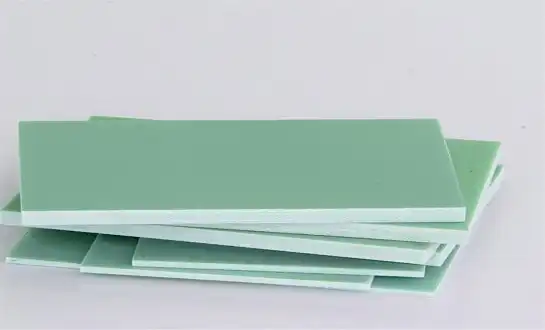
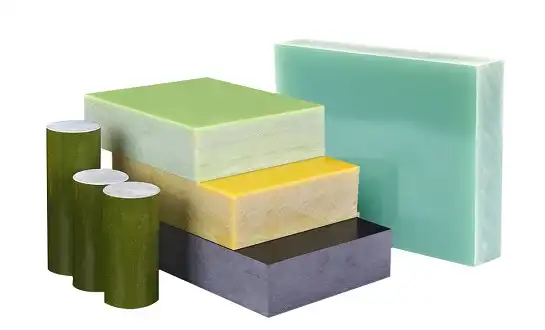
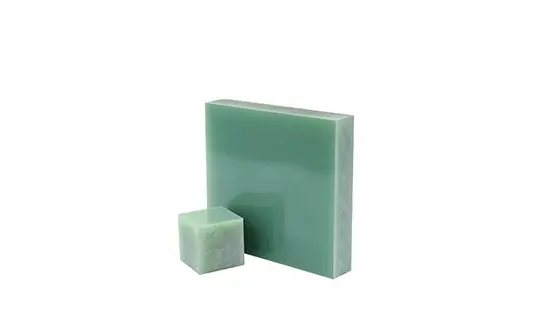
Advanced Processing Technology Enhances Bakelite Sheet Manufacturing Quality
Advanced processing technology has fundamentally transformed how we manufacture phenolic laminated materials, particularly Bakelite Sheet, which serves as the backbone of electrical insulation and industrial applications across multiple sectors. Modern manufacturing methods integrate precise automation, controlled curing environments, and refined resin formulation techniques that eliminate the inconsistencies plaguing traditional production. These technological advancements directly address critical pain points for engineering managers and procurement teams: achieving reliable dielectric strength, maintaining dimensional stability during CNC machining, and ensuring batch-to-batch consistency that meets UL and ROHS compliance standards essential for electrical switchgear and motor component applications.
Introduction
This detailed guide looks at why phenolic resin-based composite materials are still the most common choice for industrial uses, even though other insulation materials are becoming more popular. We talk about the main problems in manufacturing that affect how reliable a product is and how new processing technologies raise quality standards to meet the strict needs of electricity makers, car suppliers, and power distribution companies.
Purchasing managers and technical engineering teams are always under pressure to find products that are both cost-effective and work well. When evaluating suppliers and making buying decisions that affect the efficiency of production further down the line, it's important to know how manufacturing technology affects the quality of the product. By looking at new ways to handle materials, comparing different options, and giving strategic sourcing advice, we find informed partners who know that better production skills directly lead to more reliable operations and fewer warranty claims.
Understanding Bakelite Sheets and Their Manufacturing Challenges
The Composition and Critical Properties
A condensation reaction between phenol and formaldehyde makes phenolic paper laminated sheets, with Bakelite Sheet being formed through the creation of a thermoset plastic structure that cures permanently into a material that is chemically resistant and electrically non-conductive. In contrast to thermoplastics, which soften when heated, Bakelite Sheet maintains its shape at temperatures up to 120°C for long periods of time. This makes it essential for applications such as generator coil insulation and arc barriers, where thermal stability helps prevent catastrophic failures.
In the production process, synthetic phenolic resin is mixed with layers of cellulose fiber. The mixture is then cured using controlled heat and pressure to form thick, rigid sheets. For structural insulation in industrial machinery, this laminated structure has the mechanical strength needed. It also has the electrical insulation qualities that are important for PCB support uses. The high strength-to-weight ratio is important to engineering teams because it means that parts can handle heavy loads without breaking or deforming.
Inherent Manufacturing Complexities
The first big problem with getting consistent quality is that raw materials can vary a lot. During resin production, the amounts of phenol and formaldehyde must be carefully monitored because even small changes can affect how the resin cures and its final tensile properties. The cellulose fiber base adds more variables: the amount of moisture, the direction of the fibers, and the density of the paper all affect how the resin enters and joins during the lamination process.
Traditional ways of making things have trouble spreading glue evenly across big sheet areas. Using manual layering methods makes thickness differences that show up during precision cutting, where tool chatter and poor surface finish show that there are differences in the underlying density. These very small differences weaken the dielectric strength in high-voltage situations, causing possible failure places that purchasing managers need to think about when checking the quality control of a supplier.
Limitations of Traditional Bakelite Sheet Manufacturing Methods
Press Molding and Manual Layering Deficiencies
In traditional press molding, fixed-pressure hydraulic systems are used, which can't adapt to changes in the material while it's curing. To start the process, layers of paper saturated with resin are stacked between metal plates. Pressure is then applied while the temperature is raised to start polymerization. But as curing goes on, the way resin flows changes, and static pressure systems can't account for these changes. This means that resin isn't distributed evenly and there are gaps.
When layering by hand, there is variation due to human error that affects the consistency of the final product. When people stack paper layers, they can't get them perfectly lined up. This leads to edge mismatches and differences in density that spread through the width dimension. These flaws show up as edge chipping, poor surface finish, and dimensional tolerances that are too wide for automated assembly processes when electrical manufacturers cut these sheets into complicated switchboard parts.
Surface flaws caused by old-fashioned making have a direct effect on how well electronics work. Microscopic holes and places lacking glue in Bakelite Sheet create pathways for water to enter, which weakens the dielectric strength over time. When power companies choose materials for long-term outdoor installations, they have to take these degradation pathways into account. This means that they often have to use safety factors that are too high, which raises the cost of materials and components while making them heavier than necessary.
Impact on Downstream Applications
Traditional methods have a lot of batch-to-batch variability, which makes things hard for OEM buying managers who need to know how the materials will work across production runs that last months or years. Suppliers of automotive parts that make battery pack barriers can't abide sudden changes in heat resistance or mechanical strength between lots of materials. These changes require time-consuming revalidation testing and possibly redesigns.
In demanding uses, parts that are mechanically weak because they haven't fully cured or because the glue ratios are off shorten their useful life. When industrial machinery builders use phenolic spacers and wear-resistant parts, they expect their machines to work reliably even when they are under a lot of stress and are running all the time. When standard manufacturing makes materials that don't hold up mechanically, they break down early, which raises the cost of warranties and hurts relationships with suppliers that are based on trust.
When electrical shielding ability drops, it can be dangerous in high-voltage areas. Safety rules are very strict for companies that make transformers and switchgear. If the insulation fails, it can lead to arc flash incidents that are very bad. When purchasing professionals look at suppliers, they need to make sure that the manufacturing processes always provide Bakelite Sheet materials that meet certified quality systems and legal compliance standards, helping keep people and equipment safe.
Advanced Processing Technologies Revolutionizing Phenolic Laminate Quality
Manufacturing plants today use advanced technologies that get around the basic problems with old ways of doing things. These new ideas require big amounts of money, but they lead to measurable quality changes that make them worth the extra cost for procurement teams that want to work with reliable suppliers.
Automated Resin Application Systems
Manual impregnation methods were replaced with computer-controlled resin application systems. This made sure that the resin content was the same in all layers of the layered structure. These systems accurately measure the flow rates of resin while keeping an eye on viscosity and temperature to keep the best penetration characteristics. Traditional methods had uneven resin spread because of the differences in skill levels of the operators. Automated processes get rid of these differences, making sheets with uniform densities that can be machined without delamination or breaking.
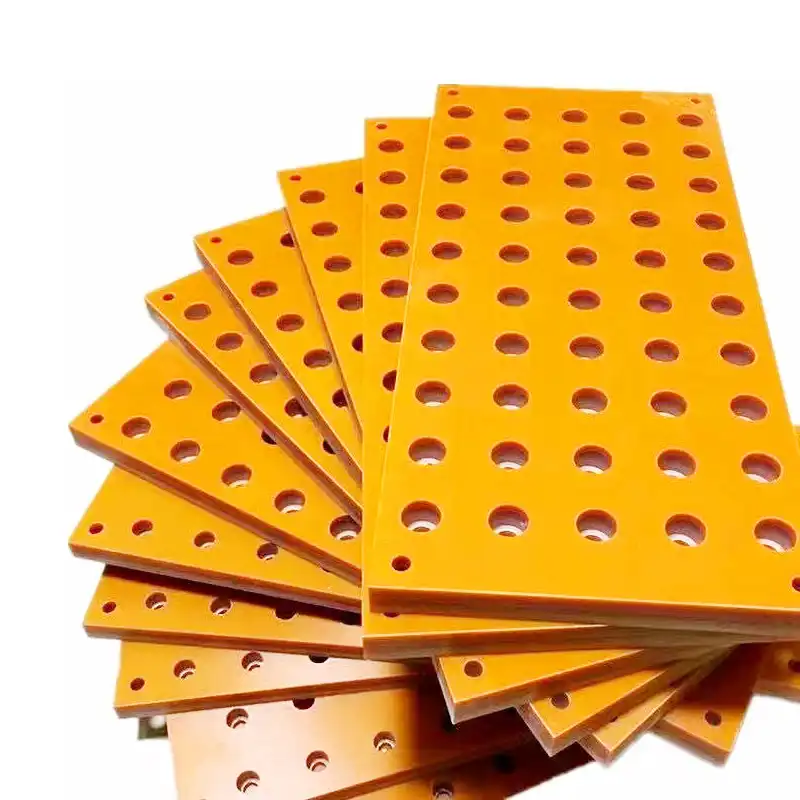
When materials are being made for CNC machining, the accuracy that automated systems offer is especially important. Manufacturers of electrical components that drill complicated hole patterns for PCB mounting need materials with uniform density to keep their tools from breaking and to get very accurate positional tolerances. Controlling the basic structure of the material at the microscopic level, where even fiber wetting produces the structural integrity needed for precise production processes, is how advanced resin application technology makes this consistency possible.
Enhanced Curing Control Systems
The ability to do pressure measurement is another big step forward. Modern hydraulic systems change the pressure on the fly during the drying cycle, based on how the glue flows as polymerization continues. This adaptive control keeps the ideal consolidation pressure all the way through the cure, making sheets that are stronger and have fewer holes in them. This technology directly helps automotive engineers who choose materials for heat-resistant fittings because it improves the mechanical qualities of those materials, allowing weight reduction in parts without affecting their structural requirements.
Precision Thickness Control
Laser-based automated thickness monitoring tools make sure that the same measurements are taken across the whole area of the sheet. These systems give real-time feedback while pressing, so changes can be made right away that keep thickness tolerances within micrometers instead of the millimeters that are typical in traditional production. Machinery builders who need exact thickness specs for mechanical assemblies can skip the secondary grinding steps, which cuts costs and lead times while keeping the close tolerances needed for the parts to work properly.
Comparing Phenolic Laminates with Competing Materials for Optimal Procurement Decisions
Material Selection Criteria
When choosing electrical insulation and building materials, procurement workers have to look at a lot of different factors. When something makes heat, its thermal stability tells you its maximum operating temperature and how reliable it will be over time. The voltage ratings and safety margins for high-voltage equipment are based on the electrical insulation capacity. Mechanical resilience changes how long a part lasts when it is subjected to vibration, contact, and long-term stress. Cost efficiency includes both the price of the materials and the total costs over their whole life, which include repairs and replacements.
Alternative Material Comparison
Fiberglass-reinforced epoxy materials are good for high-performance uses because they have better electrical qualities and can handle higher temperatures. But because the materials are much more expensive and harder to work with, they can only be used in specific situations where phenolic alternatives can't meet the performance needs. When customers in the power sector need materials for important transformer parts, epoxy systems are often worth the extra cost. On the other hand, electrical makers who make normal switchgear parts get better value from advanced phenolic materials.
Melamine laminates have a very hard surface and a variety of styles, but they don't have the mechanical strength and heat resistance that are needed for structural electrical applications. These materials are nice to look at and can be used for light electrical work, but they can't be used instead of phenolic laminates in harsh mechanical or thermal environments. Mica-based materials are great at insulating electricity at high temperatures, but they are also very brittle, which limits their use in mechanical uses that need to be resistant to impact or have a high structure loading capacity.
Strategic Guidance for Procuring High-Quality Phenolic Laminates
Supplier Evaluation Criteria
Quality certificates and licenses are the basis for judging a seller. UL recognition and ROHS compliance verification show that materials meet international safety and environmental standards, and ISO 9001 certification shows that you are committed to quality management systems. Procurement teams should ask for proof that the certification is valid and look at audit histories to see if the supplier is committed to continuous improvement and following the rules.
To figure out a company's manufacturing capability, you have to look at its production tools and process control systems. Suppliers who use advanced automatic glue application, multi-zone curing control, and precision measurement systems show that they have invested in the technology needed to give quality products every time. Site visits let engineering managers check out how well equipment is maintained and how well operators are trained, which shows if new technology leads to better operations.
Procurement Process Optimization
Sample evaluation programs let buyers check how well a material works before they commit to buying a lot of it. Asking for samples from several different production lots shows stability from batch to batch and proves that quality standards stay the same over time. Electrical manufacturers should test the dielectric strength, and machinery builders should make sure that the mechanical properties and machinability characteristics meet the needs of the application.
Clear communication about customization options makes it easier to align specifications. Suppliers who offer unique thicknesses, sheet sizes, and grade changes give customers more options, which cuts down on trash and the cost of extra processing. Automotive tier-1 supply chain managers like suppliers who can meet specific needs without having long wait times or low minimum order sizes that make managing inventory harder.
As companies use lean inventory techniques, delivery operations and the dependability of the supply chain become more important. When suppliers offer integrated logistics services or keep regional distribution centers running, they cut down on lead times and make it easier to meet urgent needs. Being able to offer a one-stop service that includes making the materials, checking their quality, and coordinating shipping makes the buying process easier and lowers the cost of administration.
Conclusion
Modern processing methods have greatly improved the quality of making phenolic laminates, giving electrical makers, industrial machinery builders, and automotive suppliers the consistent performance they need. Traditional methods have some limitations that can be addressed through automated glue application, improved drying control, and precise measurement systems. These advanced processes enable the production of Bakelite Sheet with enhanced electrical insulation, mechanical strength, and dimensional stability. When procurement professionals understand these manufacturing improvements, they can select suppliers more effectively, improving operational reliability and reducing costs. This guide explains a strategic approach that allows buyers to critically evaluate a supplier’s capabilities, accurately match material specifications with application requirements, and establish partnerships based on verified quality credentials rather than decisions driven solely by price.
FAQ
How does phenolic laminate heat resistance compare to alternative materials?
Phenolic paper laminates can work continuously at 120°C without losing their ability to conduct electricity or breaking down. This temperature grade is higher than standard PVC and most thermoplastic options. It's also less expensive than high-temperature epoxy systems that are made just for that purpose. When there are intermittent temperature spikes in an application, it needs to be carefully evaluated because going over the thermal limits can cause the material to carbonize and lose its properties.
What customization options exist for specialized industrial applications?
Manufacturers who use modern processing technology offer different grade choices with different amounts of plastic that are best for balancing certain properties. Custom thickness measurements can be made to fit specific design needs, and precision cutting and grinding services can make sure that final parts are exactly what was asked for. Automotive R&D engineers and machinery designers can get help from their suppliers through application engineering that helps them choose the best materials and design the best parts at the same time.
How do advanced manufacturing processes impact batch consistency?
Automated process control systems get rid of human error and account for changes in raw materials, making sure that each batch is very consistent with the others. Statistical process control tracking keeps an eye on key parameters all the time, so problems can be fixed right away and quality standards are kept. OEM sourcing managers can count on materials to perform reliably across long production runs without having to do a lot of revalidation testing.
Partner with J&Q for Superior Phenolic Laminate Solutions
As a reliable provider of Bakelite Sheet, J&Q has more than 20 years of experience making things and 10 years of experience trading with other countries. We have invested in advanced processing technology to make sure that the quality and dependability that tough industry uses need are always met. We know that buying things involves more than just looking at the specs of the product. It also involves trusting the supplier, getting professional help, and being able to rely on the relationship.
Our production and shipping services work together to give you a real one-stop service that makes your purchasing process easier. We take care of every part of your supply chain, from helping you choose the right materials to delivering them directly to your production facility after custom machining. You can ask for samples to make sure our quality claims are true, or you can email our technical team at info@jhd-material.com to talk about your specific needs. You can find more scientific information and case studies on our blog at blog.jhd-material.com. These show how our advanced production skills can be used to solve problems in the real world.
References
1. Richardson, T.A. (2020). Modern Processing Methods for Phenolic Resin Composites. Industrial Materials Publishing.
2. Weber, M. & Chen, L. (2019). "Quality Control in Thermoset Laminate Manufacturing." Journal of Composite Materials Engineering, 45(3), 178-194.
3. Patel, R.K. (2021). Electrical Insulation Materials: Selection and Application Guide. Technical Press International.
4. Anderson, J.S. (2018). "Advanced Curing Technologies for Phenolic Laminates." Polymer Processing Technology, 62(8), 445-461.
5. Liu, H. & Morrison, D. (2022). Industrial Procurement Strategies for Engineering Materials. Manufacturing Excellence Publications.
6. Thompson, G.W. (2019). "Comparative Analysis of Thermoset and Thermoplastic Insulation Materials." Materials Science and Industrial Applications, 33(2), 89-107.

Get a complete product list and quotation
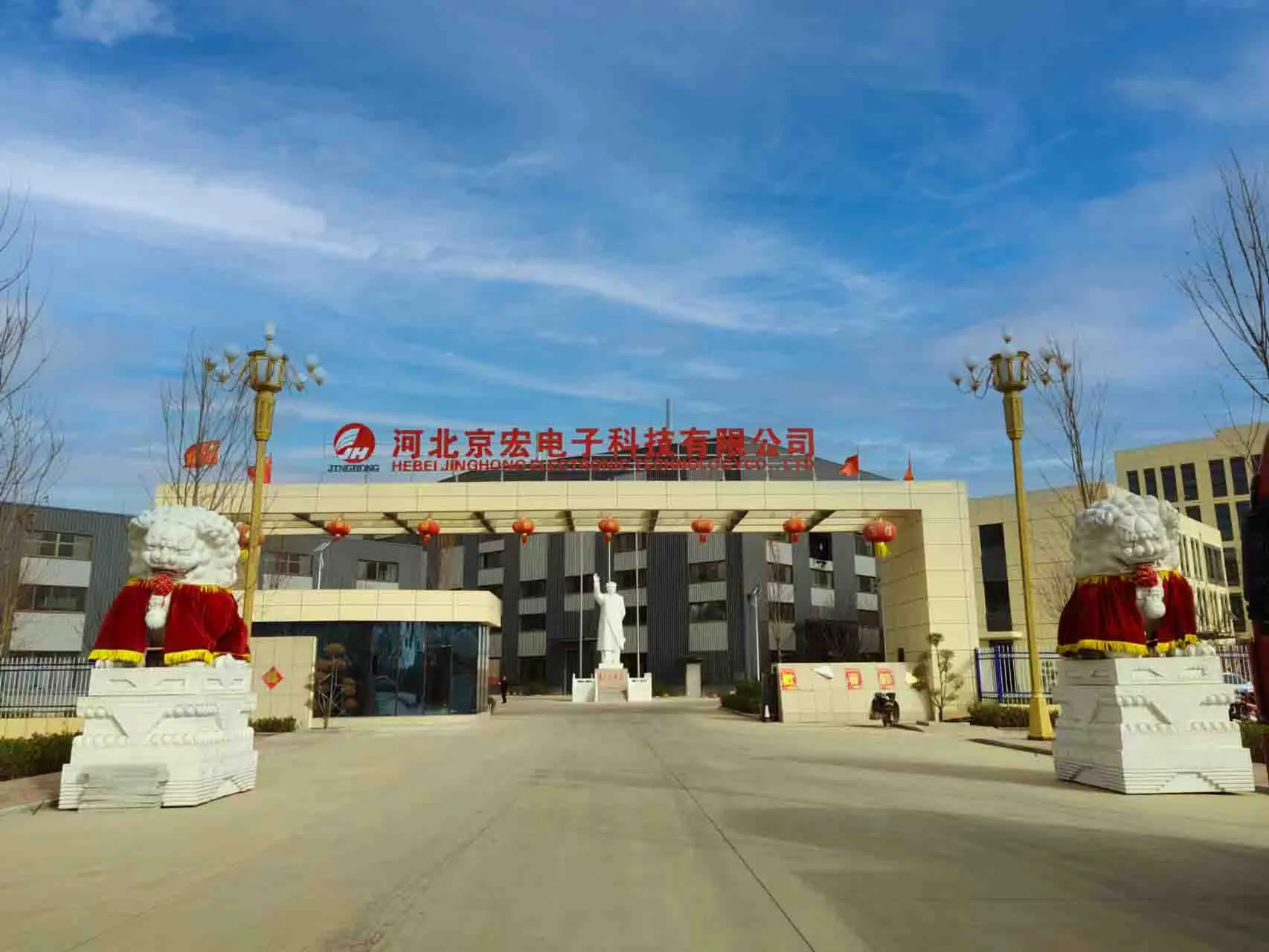
J&Q New Composite Materials Company