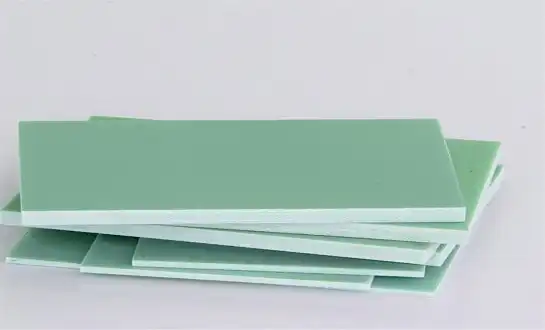
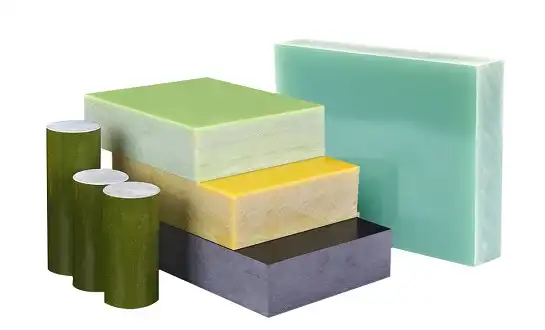
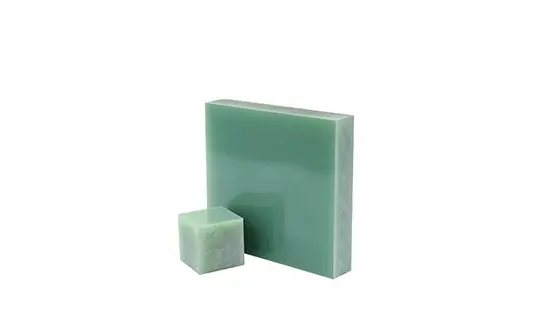
Advanced Laminating Equipment Ensures Stable 94V0 FR4 Sheet Production
In electronics and industrial manufacturing, maintaining consistent flame retardant performance is non-negotiable. Advanced laminating equipment has transformed how we produce 94V0 FR4 Fiberglass Sheet materials, delivering unprecedented stability across production runs. Modern lamination systems integrate precision temperature controls, automated pressure adjustments, and real-time quality monitoring to ensure every sheet meets UL 94 V-0 certification standards. This technological leap addresses historical challenges of batch variability, delamination risks, and inconsistent flame retardancy that plagued traditional manufacturing methods. For procurement managers and engineering teams seeking reliable epoxy laminate substrates, understanding this equipment-driven quality revolution clarifies why certain suppliers consistently deliver superior flame retardant materials.
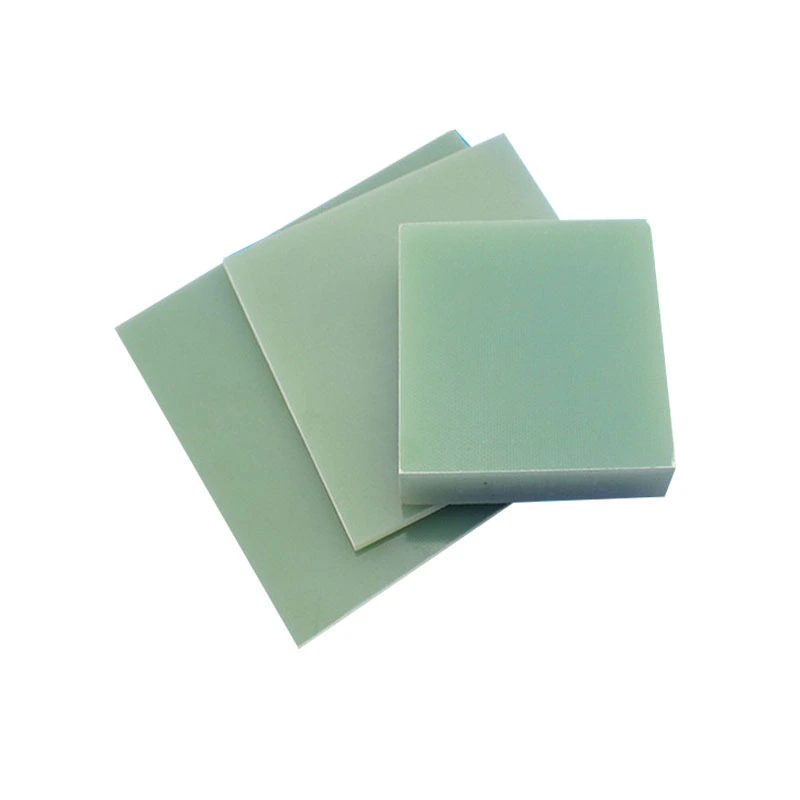
Understanding 94V0 FR4 Fiberglass Sheets and Their Flame Retardant Rating
What Defines a 94V0 Flame Retardant Material?
According to UL 94 testing rules, the 94V0 designation is the highest vertical burn classification. This grade means that the material puts out its own fire within ten seconds of being exposed to flame, doesn't drip with flame, and stops the fire from spreading. The V-0 standard, unlike lower classifications like 94V-1 or 94V-2, requires very high flame resistance. This is important for high-density electronic assemblies and power distribution equipment. The material is made up of knitted fiberglass cloth and brominated epoxy glue. Together, they make a thermoset laminate that is strong enough to hold things together and not conduct electricity.
Core Performance Characteristics Engineering Managers Prioritize
Three technical points help electrical engineers choose flame-resistant epoxy laminates. For high-voltage uses like transformer barriers and switchgear phase separators, insulation with a dielectric strength of more than 50 kV/mm is safe. The material's mechanical qualities include a flexural strength of more than 340 MPa, which means it can handle the mounting pressures and vibrations that come with motor parts and machinery gaps. Thermal stability at constant temperatures up to 130°C (and 180°C for high-Tg versions) stops bending during soldering and long-term thermal cycles. This substrate is always chosen over phenolic alternatives by buying teams in car battery systems, PCB manufacturing, and industrial control screens because of these qualities.
How 94V0 Compares to Standard FR4 and Other Laminates?
Knowing how different materials work can help you avoid making costly design mistakes. Standard FR4 rarely gets 94HB ratings, which means it burns more slowly and doesn't put out fires on its own. Paper core construction makes CEM-1 substrates cheaper, but it makes them less stable in humid environments. G10 epoxy glass has great mechanical properties, but it doesn't have any chemicals that stop flames, so it can't be used for electrical safety. As part of the V-0 certification process, brominated compounds are added to the resin matrix. When the resin burns, these compounds release gases that put out the flame. This chemistry shows why the 94V0 standard is needed for safety-critical uses in the power and energy sectors and for certified electronics manufacturing, even though it costs a little more to make than options that aren't rated.
How Advanced Laminating Equipment Enhances Stability in 94V0 FR4 Sheet Production
Precision Temperature Control Systems Eliminate Batch Variability
Traditional laminating presses for 94V0 FR4 Fiberglass Sheet use zone heating that needs to be adjusted by hand, creating differences in temperature that affect how fast the glue cures across different sheet sizes. Modern machines use spread-out heating elements with closed-loop feedback to keep the temperature of the press platen the same, within ±2°C. This accuracy makes sure that the molecules of epoxy cross-link consistently, which has a direct effect on how well the flame retardant works. When sealing isn't done right, unreacted resin that burns more easily is left behind, which puts UL 94 V-0 compliance at risk. Over-curing makes areas that are weak and likely to crack during CNC cutting. We've seen over 20 years of production experience that keeping the temperature stable lowers the number of failed certification tests. This is because it gets rid of the material flaws that cause flaming drips or longer burn times.
Automated Pressure Profiling Optimizes Resin Distribution
How well the resin soaks into the fiberglass weave is controlled by the lamination pressure. This has an impact on both the mechanical strength and the electrical performance. Modern systems use programmable pressure curves that start with lower compression during the resin flow stages and rise to the final consolidation pressures. This step-by-step method stops areas that are too full or too empty of resin, which lowers the dielectric strength and creates weak spots that can delaminate. The machine checks the hydraulic pressure at several platen sites and automatically adjusts for differences in the thickness of materials going in. This level of accuracy keeps thickness tolerances within ±0.1mm across production runs, which is very important for automated assembly equipment used in electronics manufacturing where consistent component height affects the quality of soldering and the stability of the product.
Real-Time Quality Monitoring Reduces Certification Risks
Modern laminating lines have sensors built right in that measure dielectric properties and take pictures of the temperature to track how the cure is going. Before the sheets leave the press, these tools look for problems like moisture contamination or glue that hasn't fully cured. Automated data logging makes quality records that can be tracked and meet UL and RoHS certification standards. This makes checks for ISO-certified quality management systems easier. When thermal sensors find hot spots that mean exothermic reactions are going too fast, the system changes the rate of cooling to keep the materials from breaking down. This proactive approach to quality assurance is very different from older methods that relied on random sampling, which let bad batches get to customers. In the end, this leads to reliable supply chains where purchasing managers always get materials that meet certain standards for flame resistance and electrical insulation.
Comparing 94V0 FR4 Fiberglass Sheets with Other Materials — What Procurement Managers Must Know?
Flame Retardancy Performance Across Material Classes
To choose the right material, you need to know how different substrates react to ignition sources. Phenolic cotton laminates get 94V0 ratings, but they have lower flexural strength and moisture absorption rates that are higher than 1%, which is a problem in humid work environments. While polyimide films are better at keeping heat out above 200°C, they are not rigid enough to be used for structural insulation in machinery. Standard FR4 that isn't certified as V-0 costs 15 to 20 percent less, but it comes with liability risks in safety-critical setups that need to meet regulatory requirements for self-extinguishing qualities. It's easier to understand the research when buying teams look at the total cost of ownership instead of just unit price. This includes possible recall costs, certification delays, and failure risks in the field.
Electrical and Mechanical Trade-offs for Industrial Applications
For high-voltage switchgear uses, breakdown voltages greater than 40 kV must be present parallel to the laminations, a requirement that 94V0 FR4 Fiberglass Sheet meets reliably. The halogenated additives in V-0 flame retardant chemistry make the electrical tracking resistance a little lower than in unfilled epoxies. This trade-off is still fine for most power distribution equipment, though, since arc barriers and busbar supports put fire safety ahead of small dielectric gains. On the other hand, brominated compounds may cause signal loss in high-frequency PCB uses above 10 GHz, which is why RF engineers need to define specific low-loss versions. When mechanical engineers make precise jigs for wave solder pallets, they like that the dimensions don't change much after multiple thermal cycles—less than 0.5% warpage—which phenolic materials can't match when exposed to the same amount of heat.
Supplier Certification and Customization Capabilities
Beyond the properties of the materials themselves, sourcing decisions also include metrics for evaluating suppliers. Batch numbering systems connect finished sheets to lots of raw materials, press cycle parameters, and UL test results so that certified makers can keep track of them. This paperwork is very important for customer audits and government inspections. It doesn't matter what kind of customization you can do; OEM clients in the automobile and transportation sectors need non-standard thickness choices, custom sheet dimensions for automated cutting processes, and drilling patterns that work best with certain assembly fixtures. These requests can be met by suppliers with modern laminating equipment that has programmable press parameters. On the other hand, buyers who buy from commodity makers that only offer stock sizes have to deal with material waste and extra processing costs. Lead time commitments show how flexible production is. Reliable suppliers with multiple press lines can deliver large orders within two to three weeks, but during times of high demand, single-line operations can take up to six weeks or longer.
Procurement Guide: Buying 94V0 FR4 Fiberglass Sheets with Confidence
Identifying Certified Suppliers with Production Transparency
Checking for UL recognition in the official UL Product iQ database is the first step in effectively qualifying a supplier. This makes sure that the manufacturer has active certification for the specific flame retardant grade. Ask for certificates of compliance that show you follow RoHS, especially if you are sending gadgets that will be used in limited substance laws. Supplier checks should look at the age of laminating equipment and records of its upkeep. Presses that are more than fifteen years old usually don't have the precise controls that make sure that each batch is the same. We suggest that you find out about quality management systems that are approved to international standards. These standards require process controls and data analysis to lower the number of defects. Being open about where the resin and fiberglass cloth come from can mean either vertical integration or stable material partnerships, both of which lower the risk of supply chain disruptions that affect delivery reliability.
Negotiating Bulk Orders and Understanding Pricing Factors
Pricing based on volume takes into account both the cost of materials and how efficiently they are made. Specifications for thickness have a big effect on prices because thicker sheets need longer press cycles and more resin. If you switch from standard profiles to heavy-gauge options, you can expect to pay 30–40% more. The rating of flame retardants changes the cost of raw materials by adding brominated chemicals, which makes V-0 grades about 10% more expensive than V-1 options. When buyers commit to scheduled releases across quarters instead of spot purchases, they have more negotiating power, which helps suppliers plan their production more efficiently. Ask for price breaks that show the differences between material, processing, and testing costs. This will help you see where customization adds value and where extra specifications are driving up prices. Packaging needs are also important. For long-term storage, special moisture-barrier wrapping adds a small amount of cost but keeps electrical performance from dropping due to humidity.
Communicating Technical Specifications to Prevent Misunderstandings
Clear purchase orders for 94V0 FR4 Fiberglass Sheet stop mistakes that cost a lot of money and delays in production. Instead of thinking that industry standards apply, be clear about the thickness margins. For example, CNC machining may need tighter ±0.05mm tolerances, which would mean that the production controls would need to be improved. Set standards for the surface finish, especially when sheets will be touching automated handling equipment that can tell when the surface is rough. Make sure you know ahead of time what kind of testing paperwork is needed. Some buyers want full UL yellow card certification data, while others are happy with provider certificates of conformance. Electrical properties should include test methods (like ASTM D149 for dielectric breakdown and IPC-TM-650 for insulation resistance) to make sure that suppliers know how to measure things correctly. If custom measurements are asked for, it's better to use CAD drawings instead of direct explanations to avoid confusion. With decades of experience in foreign trade, these ways of communicating have been fine-tuned to cut down on revision cycles and make sure that delivered materials fit right into production processes.
Trusted Brands and Suppliers of 94V0 FR4 Fiberglass Sheets for Global Markets
Evaluating Manufacturer Track Records and Industry Reputation
When choosing a supplier, it's helpful to look at how long the company has been in the market and how many customers they keep. Manufacturers that have been in business for twenty years or more have seen through economic downturns and changes in technology, showing that they are both technically and operationally resilient. Customer testimonials from well-known brands in the auto, industrial machinery, and appliance industries show that the company has a history of meeting strict requirements. Certifications from other industries, like environmental management systems and occupational health standards, show a commitment to sustainable practices that are becoming more and more important to corporate procurement policies. Joining expert committees and industry groups shows that you want to improve manufacturing standards instead of just achieving the minimum requirements.
Assessing Production Capacity and Global Logistics Capabilities
Reliable suppliers keep capacity buffers to avoid order backlogs during demand spikes that affect the power equipment and electronics industries. Having multiple production lines with backup laminating equipment makes sure that output doesn't stop when repairs or upgrades are done. Integrated logistics capabilities make international shipping easier. Suppliers with dedicated freight forwarding partnerships or in-house logistics departments cut down on transit times and the chance of damage during transport across continents. In just-in-time production settings, warehouse networks in key markets make it easier to respond faster to pressing orders for restocking. We've set up our business so that we can provide one-stop service from choosing materials to clearing customs. This saves buyers the trouble of coordinating with multiple vendors at different stages of the supply chain.
Future-Ready Suppliers Embracing Technology Innovation
With the addition of Industry 4.0's smart sensors, predictive maintenance algorithms, and digital twin models, laminating equipment is still changing. Progressive sellers buy these technologies, which help them better control the production process and make it faster to come up with new products. Environmental rules are getting stricter around the world. Companies that use halogen-free flame retardant chemicals get ahead of the rules and protect their customers from future problems with following them. More and more companies are being required to be environmentally friendly, and transparency projects like material traceability and carbon footprint reporting help companies meet these requirements. When procurement professionals work with suppliers who are focused on innovation, they get early access to next-generation materials and production skills that traditional commodity makers can't match. This gives them a competitive edge.
Conclusion
Newer laminating machines have greatly improved the production of flame retardant epoxy laminates like 94V0 FR4 Fiberglass Sheet, giving electrical engineers and procurement managers the consistent batches and certification reliability they need. Modern presses have precise temperature controls, automatic pressure profiles, and real-time quality systems that get rid of the variability that used to make certification testing and field performance hard. Buyers who are looking for suppliers for making electronics, industrial machinery, power distribution, automotive systems, and appliances directly benefit from lower quality risks and reliable supply chains. Companies that choose suppliers who invest in cutting-edge manufacturing technology, keep clear quality records, and show long-term commitment to the industry are more likely to succeed in tough situations where failure of the material is not an option.
FAQ
What makes the 94V0 rating important for my application?
The V-0 classification makes sure that materials self-extinguish within ten seconds. This stops fires from spreading in electrical equipment that has sources of ignition. This certification is needed for projects that are safety-critical in power systems, certified technology, and businesses that are regulated. Lower grades, like V-1 or HB, don't have this self-extinguishing performance, which leaves you open to risk.
How does advanced laminating equipment improve sheet consistency?
Modern presses keep the temperature even within ±2°C and use programmable pressure patterns that make the best use of the resin's spread across the fiberglass layers. Inline sensors find problems with the cure in real time, so bad batches don't get to customers. This equipment-driven accuracy lowers variation from batch to batch that could affect material qualities and flame retardant certification.
Can suppliers accommodate custom thickness requirements?
By changing the press parameters and material layup configurations, reputable manufacturers with programmable laminating equipment can make thickness profiles that aren't standard. Custom orders usually have minimum amounts and longer wait times than stock sizes, and the prices represent the extra costs of setting up the production in a way that is unique to the order.
Partner with J&Q for Reliable 94V0 FR4 Fiberglass Sheet Supply
J&Q serves electrical and electronics manufacturers, industrial machinery builders, power sector clients, automotive suppliers, and appliance makers all over the United States. They have more than twenty years of experience in manufacturing and ten years of experience in international trade. Our 94V0 FR4 Fiberglass Sheet is made with high-tech lamination equipment that makes sure that each batch is the same and that we meet all UL/RoHS certification requirements. As a 94V0 FR4 Fiberglass Sheet seller with a long history, we can offer custom thickness choices, flexible order amounts, and reliable shipping schedules that are backed up by our combined logistics capabilities. Our team can be reached at info@jhd-material.com by engineering managers and procurement teams looking for stable flame retardant materials backed by clear quality documentation. In our resource center at blog.jhd-material.com, you can find detailed technical specs and ask for reasonable prices. This is where we share industry lessons from decades of serving challenging industrial uses.
References
1. National Electrical Manufacturers Association. "NEMA Standards Publication LI 1-1998: Industrial Laminating Thermosetting Products." Washington, D.C.: NEMA, 1998.
2. Underwriters Laboratories. "UL 94: Standard for Safety of Flammability of Plastic Materials for Parts in Devices and Appliances." Northbrook, IL: UL LLC, 2013.
3. Institute for Printed Circuits. "IPC-4101E: Specification for Base Materials for Rigid and Multilayer Printed Boards." Bannockburn, IL: IPC, 2020.
4. American Society for Testing and Materials. "ASTM D709-01: Standard Specification for Laminated Thermosetting Materials." West Conshohocken, PA: ASTM International, 2018.
5. Harper, Charles A. "Handbook of Materials for Product Design." Third Edition. New York: McGraw-Hill Professional, 2001.
6. Coombs, Clyde F. "Printed Circuits Handbook." Seventh Edition. New York: McGraw-Hill Education, 2016.

Get a complete product list and quotation
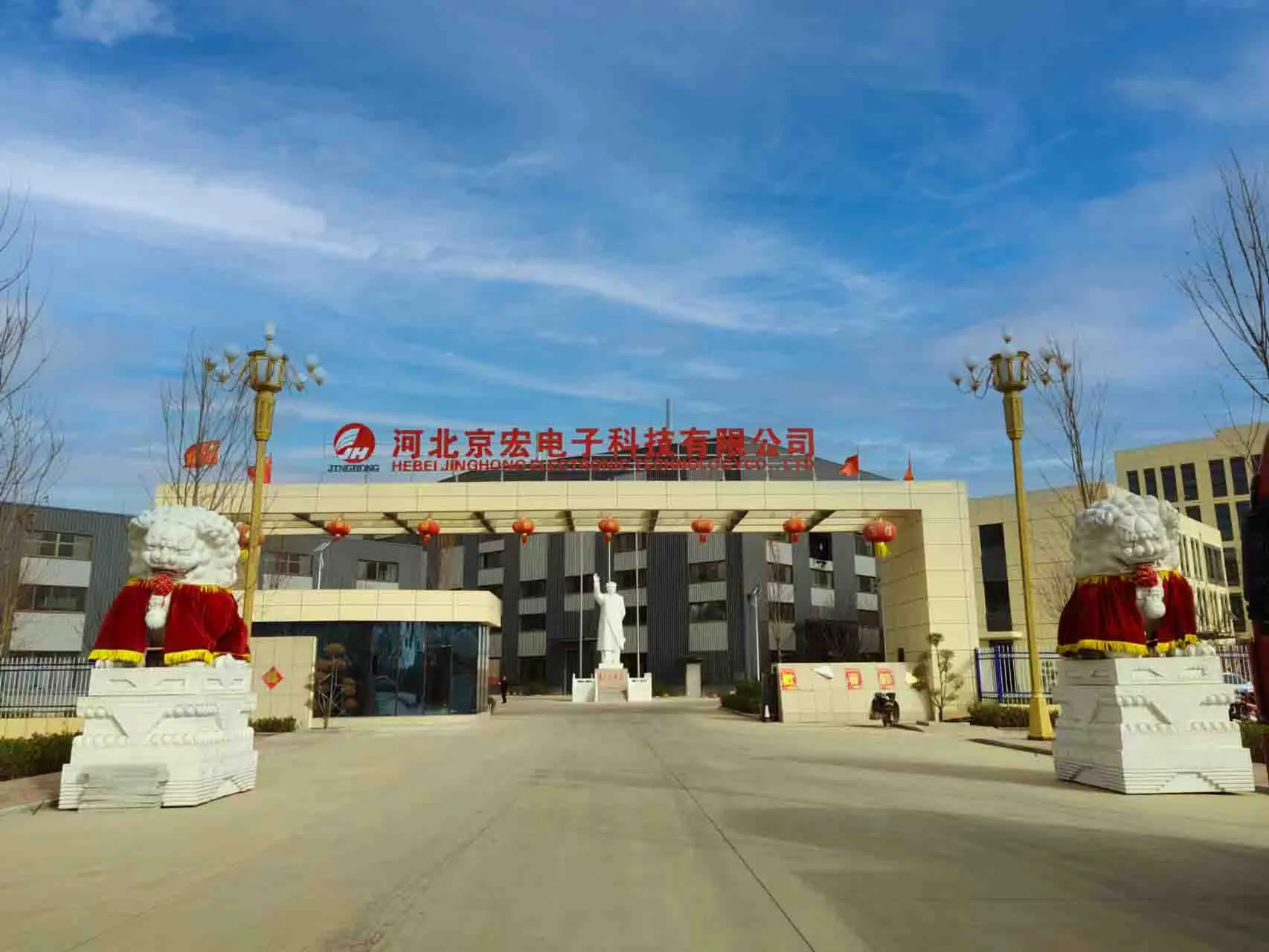
J&Q New Composite Materials Company