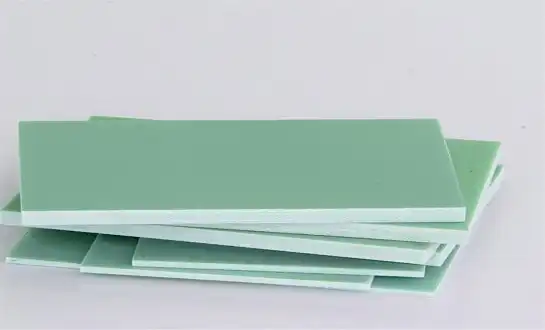
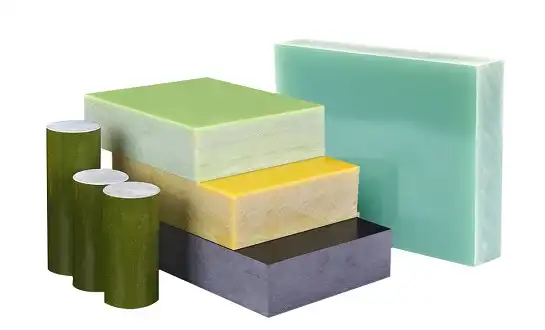
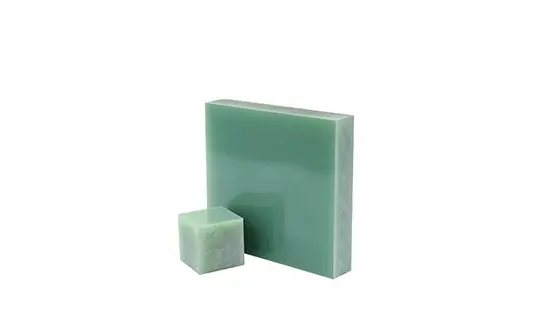
What Machines Are Used to Manufacture Precision Bakelite Sheet Parts?
Manufacturing precision Bakelite sheet parts requires specialized machinery to transform phenolic resin-impregnated sheets into exact components. The primary equipment includes compression molding presses that cure and shape raw materials under heat and pressure, CNC machining centers (3-axis and 5-axis) for milling, drilling, and cutting with tight tolerances, precision grinding machines for surface finishing, automated drilling and routing systems for repetitive accuracy, and coordinate measuring machines (CMM) for quality verification. Together, these machines ensure the dimensional precision, electrical insulation properties, and mechanical strength that electrical manufacturers, industrial machinery builders, and power sector clients demand from every phenolic laminate component.
Introduction
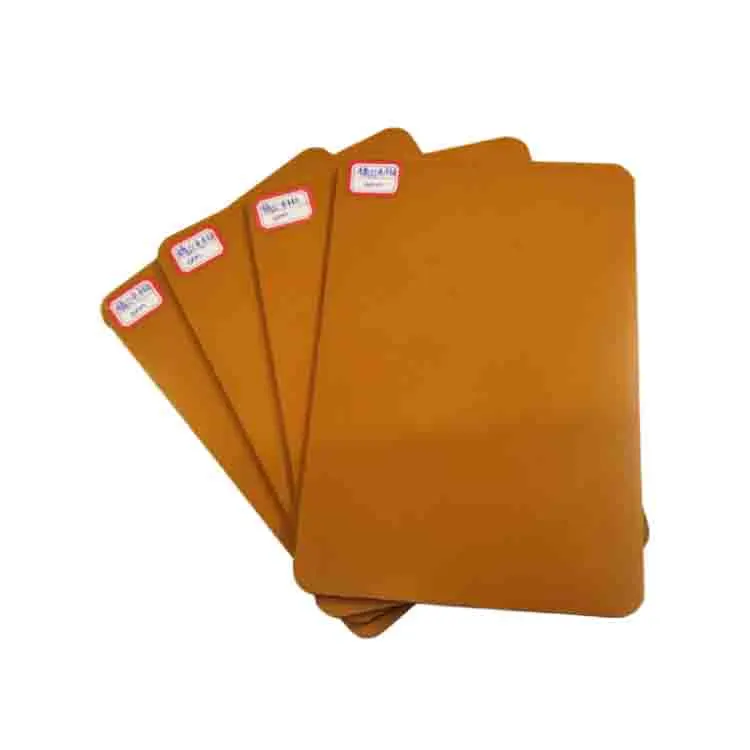
I've worked with phenolic laminates for 20 years and seen how important precision manufacturing has become for engineering teams and B2B procurement managers. Bakelite Sheets, which are actually phenolic paper laminated sheets, are used as the main material for electrical insulation, motor parts, and structural supports in many fields, from power distribution to making cars. These thermoset materials don't melt like regular plastics do when they get hot. Instead, they keep their shape and dielectric strength even when heated to 120°C.
It's not enough to just understand the properties of the material; you also need to choose the right manufacturing equipment to turn raw sheets into precise parts. When engineers are looking for parts for switchgear systems, they need to make sure that the specs on the parts are within ±0.05mm. Manufacturers of transformers need spark shields that are always the same thickness and don't catch fire. Automotive makers want battery pack insulation parts to be able to be used again and again from batch to batch.
This guide solves those specific problems by looking at the machinery environment that makes it possible to make precise phenolic parts. Whether you're a mechanical engineer looking at CNC capabilities or a procurement specialist looking at equipment suppliers, knowing about these manufacturing technologies has a direct effect on the quality of your products, the time it takes to make them, and the long-term costs of running your business.
Understanding Precision Bakelite Sheet Manufacturing
Material Properties That Shape Production Methods
Phenolic laminates have special properties that change the way we machine them in fundamental ways. The material has a very high dielectric strength (16–20 kV/mm), which makes it essential for use in electrical shielding. Because it can work continuously at temperatures up to 120°C, it can be used in motor housings and generator barriers. Tensile strengths of about 70 to 90 MPa make it strong enough to be used as a structural material in gears and mechanical spacers.
There are limits on how these qualities can be used in industry. Compared to engineering thermoplastics, phenolic materials are naturally weak. Cutting tools get worn down quickly by the resin-paper hybrid structure. If the cutting speed is too fast, the heat from the cutting can break down the resin core. Moisture content changes the security of dimensions, so they need to be stored in a controlled way before they can be machined.
Industrial Applications Driving Precision Requirements
Electrical and electronics companies use precisely cut phenolic sheets for PCB support structures and switchgear insulation. The accuracy of the dimensions has a direct effect on how well the parts fit together and how much electrical space there is. Builders of industrial machines use these materials to make bearing housings and gear blanks. The load distribution is affected by the thickness limits. Applications in the power sector, like coil insulation in transformers and arc barriers in distribution equipment, need materials that are not only accurate in size but also certified to be flame-resistant and stable in temperature.
Manufacturers of home appliances use phenolic parts as motor mounting brackets and thermal separation barriers. They do this by balancing the need for low costs with high production volumes. With battery pack insulation and heat-resistant fixtures, automotive applications push the limits of precision even further. Tight tolerances and stable batch quality become must-haves.
Manufacturing Challenges Requiring Specialized Equipment
Because cured phenolic resin is brittle, it can chip when drilling and cutting the edges. Standard metalworking tools wear out quickly because they are made with rough paper or fabric reinforcements built into the material. To get smooth surfaces, you need to use certain tool shapes and keep the feed rates under control. When the material is machined, it produces fine particle dust that is irritating to the lungs and needs active extraction systems built into the machinery.
When temperatures change, it's hard to keep measurements accurate for Bakelite Sheet. Phenolic laminates expand slightly when heated, but not as much as many plastics. This means that parts with tolerances below ±0.1mm need to be machined in climate-controlled environments. Even though it doesn't absorb as much moisture as some other composites, it still changes its shape in places with a lot of humidity, which can affect both the way it is machined and how it is stored.
Key Machines Used in Manufacturing Precision Bakelite Sheet Parts
A combined machinery set is needed to make parts that meet standards for electrical insulation and mechanical performance. Each type of equipment is used for a different step in the manufacturing process, from the first shaping to the final quality check.
Compression Molding Presses for Primary Forming
Compression molding presses are the main tool used to make phenolic sheets. Controlled heat (150–180°C) and pressure (7–15 MPa) are applied by these hydraulic systems to layers of resin-soaked paper or fabric. This turns them into solid laminated sheets. Modern presses have temperature and pressure sequences and profiles that can be programmed to get the best cross-linking of the resin while minimizing internal stresses. Small lab presses that can make 300mm x 300mm samples are one end of the press capacity range. Large industrial presses can handle sheets that are over 2000mm x 1000mm.
The length of the hardening cycle—usually 40 to 90 minutes, based on the thickness—has a direct effect on the rate of production. Modern presses have platens that heat up quickly and lines that cool materials more efficiently so that cycle times are cut without affecting the features of the materials. Automated loading systems make consistency better by making sure that the resin is spread out evenly before compression starts.
CNC Machining Centers for Precision Component Fabrication
CNC machining centers take cured phenolic sheets and turn them into finished parts that meet purchase standards for surface quality and accuracy of size. Most of the time, three-axis vertical machining centers are used to drill, mill, and shape flat parts like motor frames and insulating plates. When they are properly calibrated, these machines can keep their positions within ±0.02mm and repeat them within ±0.01mm.
Five-axis CNC systems can make the complicated shapes needed for electrical housings and insulation barriers with curves. The extra rotational axes let you set approach angles for the tools that keep the edges from chipping, which is very helpful when working with phenolic materials that are easily broken. Spindle speeds between 8,000 and 24,000 RPM and feed rates that are adjusted for material hardness keep heat from building up and breaking down the properties of the resin.
The choice of tool becomes very important. Carbide end mills with special shapes, like flutes that are smooth and have higher helix angles, lower cutting forces, and make it easier for chips to escape. When working with rough phenolic grades, diamond-coated tools make the tools last longer. CAD/CAM software integration lets you program directly from engineering models. This makes sure that the first piece is accurate and cuts down on the time it takes to set up unique parts.
Precision Grinding and Surface Finishing Equipment
Surface grinding machines can make surfaces flat and smooth in ways that milling alone can't. Aluminum oxide or silicon carbide wheels on rotary surface grinders can remove material in controlled steps as small as 0.01 mm, making surfaces with Ra values below 0.8μm. This feature is very important for electrical insulation parts that need to be in close touch with conductive surfaces or parts that need to have a certain dielectric breakdown performance.
Cylindrical phenolic parts like bearing bushings and spacers are machined on centerless grinding systems, which keep diameter tolerances within ±0.02mm during batch production runs. When compared to standard cylindrical grinding, the continuous feeding system improves output while keeping the same quality of dimensions.
Edge finishing tools, like belt sanders and buffing machines, get rid of machining burrs and make chamfers that keep stress from building up in certain places. Automated finishing cells combine several tasks, making sure that the quality of the edges is the same across all production batches without any changes made by hand.
Automated Drilling and Routing Systems
Automated equipment is very helpful for tasks that need to be done over and over, like mounting hole patterns and contour cutting. Multiple spindle drilling tools can follow hole patterns with positional accuracy of less than 0.05 mm and drill dozens of holes at once to speed up production. Spindles that are pneumatic or servo-driven change speed and feed automatically based on the thickness of the material. This keeps the quality of the holes consistent.
CNC routers with carbide spiral bits can cut complex shapes around the edges and holes inside of things better than shear or saw cutting. Phenolic particles are collected at the source by dust extractor systems built right into the cutting head. This protects the workers and keeps the cutting path visible. With automatic tool changers, operations like drilling, routing, and chamfering can be done in order within a single machine cycle. This cuts down on handling and boosts throughput.
Quality Inspection and Measurement Systems
Coordinate measuring machines check the accuracy of measurements against the requirements set by engineers. To within 0.001mm, touch-probe CMMs can find the locations of holes, the distances between edges, the flatness of a surface, and its thickness. Optical CMMs that use laser scanning can get full pictures of surfaces and find deformations or other problems on the surface that touch probes might miss.
Automated vision inspection systems look at several parts made from Bakelite Sheet at once and find problems with the edges, the surface, or the way the parts were machined. These systems work with production lines to give real-time feedback on quality, pointing out problems before whole batches move on to the next step in the process. Statistical process control software looks at patterns in measurement data to make sure that machining parameters are changed before parts go outside of acceptable ranges.
Electrical testing tools check the dielectric strength and insulation resistance of a material to make sure that the machining processes haven't changed its electrical qualities. High-voltage test sets use voltages of up to 10kV to check for breakdown resistance. This is especially important for parts that will be used in power distribution.
How to Choose the Right Machine for Your Bakelite Sheet Production Needs?
Assessing Production Volume and Manufacturing Scale
The amount of production has a big impact on the choice of tools and the allocation of cash. Manufacturers of custom parts that only make 50 to 500 parts a month usually buy flexible 3-axis CNC machining centers that can handle a wide range of part shapes with little downtime. Because the freedom means that the costs of making each part are higher, the amortization of the tools is spread out over a smaller number of parts.
Medium-volume manufacturers (1,000 to 10,000 parts per month) can use specialized CNC routers or multi-spindle drilling tools for routine tasks and machining centers for more complicated parts. This mixed method strikes a balance between using equipment efficiently and being able to change how things are done. This maximizes the return on investment while still allowing for customization.
When making more than 10,000 parts per month, high-volume manufacturing needs automatic production rooms that combine several tasks. Robotic loading systems, in-line inspection, and automated material handling all cut down on the cost of labor and make things more consistent. The money spent on automation pays off in shorter cycle times and less variation in quality across large production runs.
Matching Equipment Capabilities to Part Complexity
Parts that are shaped and have tight geometric tolerances need more complex tools than parts that are flat and have basic hole patterns. Motor housing insulation plates might only need CNC cutting and drilling, which can be done with mid-range machines that don't cost nearly as much as multi-axis machines. On the other hand, complex transformer barriers with curved profiles and multiple mounting options make 5-axis CNC systems worth the extra money they cost to buy.
The thickness of the material directly affects the choice of machine. Phenolic sheets that are between 1 and 3 mm thick need different cutting tools and settings than sheets that are 10 mm or more thick. Cutting forces are higher on thicker materials, so machines need to be stiffer and have more tool power. Router systems that work well with thin sheets might not have enough power and stiffness for heavy-section parts.
Evaluating Automation Levels and Precision Requirements
Manual loading systems work best for low-volume operations where the skill of the operator makes the best use of setup for different part configurations. With powered material clamping and automatic tool changers, semi-automated equipment boosts output while keeping production freedom at a medium level. Fully automated cells that use robots to handle parts are the most efficient way to make a lot of things at once, but they don't allow for quick changes.
Needs for testing tools are directly related to needs for precision. Handheld tools can be used to take regular measurements of parts with limits of ±0.1mm or less. Tighter tolerances require checking during the process with integrated probing or after the machining with a CMM. Parts that need certified dimension reports for medical or aerospace uses need measurement tools that can be tracked and whose calibration can be proven.
Supplier Reliability and After-Sales Support Considerations
When your equipment is down, you can't keep your shipping promises to your customers. As important as the initial machine specs are, the track record of the supplier for spare parts availability, technical support responsiveness, and preventive maintenance programs. Manufacturers with well-established service networks can send out techs within 24 to 48 hours, so when equipment breaks down, production isn't interrupted as much.
Suppliers offer training programs that help operators get better faster and cut down on setup mistakes that waste time and materials. Your team will get full training on programming, choosing the right tools, and fixing problems so that they can get the most out of the equipment from the moment it is installed. As your production needs change, ongoing technical support, such as remote troubleshooting and application engineering advice, can help you make the most of your processes.
Total cost of ownership is affected by warranty terms and ways to finance equipment. Longer guarantees that cover important parts like wheels and control systems help keep costs down during the first few years of production. Leasing or deferred payment plans help businesses keep their working capital for things like tools, materials, and growing their markets while they bring their production capacity online.
Practical Application: Electrical Insulation Component Production
Think about a company that sells insulation barriers for switches to electrical OEMs. Part specs call for a 6mm phenolic sheet to be cut to an accuracy of ±0.15mm around the edges, with multiple mounting holes set within an accuracy of ±0.1mm, and edge chamfers to avoid sharp corners. Every month, 3,000 pieces with five different part numbers are made.
A 3-axis CNC machining center is best for milling and drilling, and an automatic multi-spindle drill is best for making the same design of holes over and over again. Edge shaping and chamfering are done by a CNC cutter. With this method, the capital investment is between $180,000 and $250,000, and the production capacity is about the same. Cycle times for each part are between 4 and 6 minutes, and the minimum standards are met. The choice of machinery allows for batch flexibility for the five part variants while still meeting the quality standards and volume commitments that electrical equipment manufacturers require.
Trends and Innovations in Bakelite Sheet Manufacturing Machinery
Advanced CNC Technologies Enhancing Precision and Throughput
These days, CNC control systems for Bakelite Sheet have adaptable machining programs that change the cutting settings automatically based on feedback from spindle load and vibration monitors in real time. This technology keeps tools from breaking when they come across differences in material density that are common in laminated structures. Adaptive control increases tool life by 25–40% while keeping the surface finish the same. This lowers the cost of tools and the difference in quality.
High-speed spindle technology, which has rotational speeds of more than 30,000 RPM, makes it possible to machine thin-wall phenolic parts with better surface finishes and tighter tolerances. High speed and low feed rates work together to keep heat production low. This keeps the resin from breaking down, which can change its electrical properties. In linear motor drive systems, there are no mechanical transmission parts, so they can reach speeds that cut non-cutting time by 30 to 50 percent compared to traditional ball screw systems.
Tool path optimization software looks at the shape of a part and comes up with cutting strategies that use the least amount of force to engage the tool, which keeps edges from chipping on phenolic materials that are easily broken. These systems find the best approach angles, entry points, and stepover distances that regular CAM software misses. This makes the quality of the first pass better and cuts down on the number of extra finishing processes that need to be done.
Industry 4.0 Integration and Predictive Maintenance
IoT-enabled manufacturing equipment sends operational data to central monitoring systems in real time, such as spindle temperature, vibration profiles, power consumption, and cycle times. Analytics platforms find patterns in performance that let you know when a part will break down before they cause unplanned downtime. Vibration analysis can find patterns of bearing wear that should lead to replacements during planned repair windows instead of unplanned shutdowns that mess up production plans.
Digital twin technology makes virtual copies of real-life machining processes. This lets you program and improve processes without using up production machine time. Engineers test different tooling strategies and cutting parameters virtually for new part programs before committing physical resources. This feature speeds up the release of new products and cuts down on waste during process development.
Suppliers of equipment and internal technical teams can figure out what's wrong without having to go to the production floor thanks to remote monitoring. Secure network connections let you see control screens and operational parameters in real time, which speeds up the process of fixing problems. This connectivity is especially helpful for makers who have more than one facility or who work with equipment providers in other countries.
Sustainable Manufacturing and Eco-Friendly Equipment Design
Motor technologies that use less energy and hydraulic systems that work better together to cut costs and help meet environmental responsibility goals. Instead of running at full power all the time, variable frequency drives change the motor speed to match the load. This saves 20–35% of the energy used by fixed-speed systems. Servo systems use regenerative braking to collect energy from slowing down and send it back to the building's power systems.
Closed-loop coolant systems recycle cutting fluids after filtering them. This lowers the amount of fluid used and the cost of disposal. Advanced filtering gets rid of phenolic particles as small as 5 microns, which extends the life of the coolant and keeps the machine performance stable. Cutting fluids made from water can be used instead of cutting fluids made from oil in situations where lubricity requirements allow it. This has an even smaller effect on the environment.
It is possible for dust collection devices to work directly with machining tools, which means that they can collect phenolic particles at their source more than 99.5% of the time. HEPA filter keeps workers from breathing in dust and allows for safe recycling or dumping. Modern extraction systems are very quiet, with noise levels below 75 dBA. This makes the workplace more comfortable without reducing the effectiveness of collection.
Procurement Considerations for Bakelite Sheet Manufacturing Equipment
Identifying Qualified Equipment Suppliers and Distributors
Some of the companies around the world that sell machines for processing phenolics are well-known CNC makers with dedicated composites machining sections and specialized companies that only work with thermoset materials. Regional distributors offer localized support, an inventory of spare parts, and application engineering knowledge that is tailored to the needs of each market. Certification to ISO 9001 quality standards means that the manufacturing process is organized and quality control is documented. This lowers the risk of equipment defects or poor performance.
Some examples of industry trade shows are manufacturing technology shows and plastics processing conferences. These give you the chance to see equipment in action and talk to technical experts about your specific needs. Demonstrations in real life show how well the machine cuts, how smooth the surface is, and how it works in ways that specs alone can't. Talking to current users face-to-face at these events gives you a clear picture of how reliable the equipment is and how good the seller's help is.
Logistics, Lead Times, and Regulatory Compliance
Standard CNC machining equipment usually ships 8 to 16 weeks after an order is confirmed. However, lead times for customized configurations can go up to 20 to 24 weeks. For international exports, freight forwarding, customs clearance, and checking that the electrical requirements of the target country are met must all be coordinated. Voltage and frequency requirements must match the electrical system of the building. For example, equipment made for 480V/60Hz needs to be modified in a costly way to work in 400V/50Hz areas.
American safety standards, such as OSHA rules and NFPA electrical codes, make sure that equipment can legally be used in U.S. facilities. The CE mark means that the product meets European safety standards, but it doesn't mean that it meets all American standards. It should be clear in the procurement requirements that electrical parts must be UL or ETL certified and that machine guarding and safety interlocks must meet ANSI standards.
Cost Structure Analysis and Investment Planning
The most obvious cost is the capital equipment, but that doesn't include the total costs of ownership. A three-axis CNC machine center in the middle price range that can be used to make phenolic parts usually costs between $85,000 and $150,000, depending on the size of the work area, the spindle's specs, and the automation features. Five-axis systems cost between $200,000 and $400,000, but they are worth it because they can make parts with complicated shapes that simpler machines can't.
Installation costs, which include preparing the foundation, getting electricity, and setting up compressed air systems, add 10 to 15 percent to the price of buying equipment. Buying carbide end mills, drill bits, and grinding wheels costs between $8,000 and $15,000 at first, and then between $12,000 and $20,000 a year, depending on how much is made. Adding dust collection and filtration systems to a building costs between $15,000 and $35,000.
The costs of running a machine include the electricity it uses (about $2 to $5 an hour on average), upkeep supplies and greasing, and replacing parts like spindle bearings and ball screws that wear out over time. Labor is the highest cost of running a business. Skilled CNC operators in American industrial regions make $45,000 to $65,000 a year, but automation means that machines don't need as many operators.
Customization and Scalability for Future Production Growth
Modular equipment designs let you add more power without having to update the whole system. CNC machining centers with tool magazines that can be expanded can handle parts that get more complicated as product designs change. When automation cells are built with extra robot positions, secondary tasks like deburring, washing, and packaging can be added as production levels allow.
Software updates make tools more useful without having to buy new gear. As ongoing software subscriptions, control system makers offer better CAM packages, better tool path algorithms, and more machine monitoring features. These changes keep equipment competitive with newer models and protect the money that was put into mechanical systems that have been shown to work in the past.
Building relationships with equipment suppliers that offer trade-in programs opens up ways to upgrade in the future. As production needs grow beyond the capabilities of the original machine, trading old equipment for newer models is a way to get the residual value while switching to higher-performance systems. When compared to buying new tools directly, this method lowers the financial barrier to adopting new technology.
Conclusion
Choosing the right equipment for making precision phenolic parts from Bakelite Sheet is very important because it needs to match the properties of the material, the complexity of the part, and the production volume. Compression molding presses make the basic laminated sheets. Then, CNC machining centers, grinding machines, and automatic systems turn those sheets into final parts that meet electrical, mechanical, and size requirements. Procurement managers and engineering teams carefully consider how decisions about equipment affect the quality of the products, the costs of running the business, and how well the deliveries go.
New technologies like adaptable machining, Industry 4.0 connections, and environmentally friendly production methods are constantly changing what equipment can do and how much it costs to own. For implementation to go well, not only the original capital investment needs to be looked at, but also the supplier support infrastructure, legal compliance, and the ability to grow production in the future. By learning about these manufacturing technologies, you can make smart choices about what equipment to buy based on your application needs and business goals.
FAQ
Can CNC machines handle thin phenolic sheets without cracking?
To machine thin sheets (usually less than 2 mm thick), you need special fixtures that hold the material in place without putting stress on it. With vacuum hold-down tables, the pressing force is spread out evenly across the sheet surface, so it doesn't bend while it's being cut. Cutting speeds and lines are slowed down to reduce vibrations that could spread cracks. When you use climb milling, the cutter rotates in the same direction as the feed. This makes the edges cleaner and lowers the risk of delamination compared to regular milling.
What are typical delivery timelines for precision phenolic components?
Longer lead times depend on how complicated the part is and how many are ordered. For prototype numbers, simple parts that can be machined in normal ways can be shipped within two to three weeks. Orders for 500 to 2,000 pieces usually take 4 to 6 weeks to complete, which includes getting the materials, cutting them, inspecting them, and packing them. It could take 8–10 weeks for complex parts that need 5-axis machining or a lot of extra processes. With extra fees, rush services can cut down on wait times by 40 to 50 percent.
Do phenolic parts maintain insulation properties after machining?
When machining is done correctly, the electrical insulation properties of phenolic laminates are kept. If you don't use the right cutting parameters, too much heat can carbonize the resin near the cut edges, making conductive paths that weaken the dielectric. Thermal damage can be avoided by using sharp carbide tools, letting chips escape properly, and controlling cutting speeds. Electrical testing after cutting makes sure that the breakdown voltage and insulator resistance meet the needs of the application.
Partner with J&Q for Your Precision Phenolic Component Needs
J&Q has been making precise parts from Bakelite Sheet and other phenolic laminates for more than 20 years. These parts are used in the power, industrial, and electrical sectors. Advanced CNC machining centers, automated drilling systems, and precision grinding equipment that consistently deliver dimensional tolerances within ±0.05mm are just a few of the many things we can make. As both a manufacturer and a processor of Bakelite Sheet, we are in charge of the quality of the material from the time we make the raw sheet until we deliver the finished part.
Our combined logistics company offers a smooth one-stop service from the first engineering advice to the final delivery. This gets rid of the coordination problems that come up with supply chains that use more than one provider. This vertical integration makes it possible for buying teams to get faster lead times, more consistent batches, and quick technology help. We keep up with certifications that make sure we meet UL and ROHS standards, which are very important to companies that make electrical equipment.
Email our technical team at info@jhd-material.com to talk about the specific parts you need. We'll look over your plans, suggest the best ways to make them, and give you specific quotes that show how committed we are to quality and on-time delivery. We can help you find phenolic components by showing you how our production skills and wide range of services can help.
References
1. Richardson, T. (2019). Thermoset Plastics Processing: Industrial Methods and Material Selection. Manufacturing Technology Press.
2. Chen, M. & Williams, R. (2020). "Precision Machining of Phenolic Composites: Tool Selection and Parameter Optimization." Journal of Composite Materials Manufacturing, 45(3), 287-304.
3. Industrial Electrical Insulation Standards Committee. (2021). Specification Guide for Phenolic Laminated Sheets in Electrical Applications. Technical Standards Association.
4. Kumar, S. (2018). CNC Machining of Engineering Plastics and Composites. Advanced Manufacturing Publications.
5. National Association of Manufacturers. (2022). "Trends in Precision Component Machining: Survey of Equipment Technologies and Procurement Practices." Manufacturing Industry Report, 2022 Edition.
6. Roberts, J., Anderson, P., & Lee, K. (2020). Quality Assurance in Thermoset Component Manufacturing: Measurement Systems and Process Control. Quality Engineering Institute.

Get a complete product list and quotation

J&Q New Composite Materials Company