CNC Machined 94V0 FR4 Fiberglass Sheet for Reliable Electrical Insulation
When electrical engineers and procurement teams search for dependable insulation materials, CNC machined 94V0 FR4 fiberglass sheets consistently stand out as the reliable solution. This high-performance composite material combines woven fiberglass fabric with flame-retardant epoxy resin, delivering exceptional electrical insulation properties while meeting stringent UL 94 V-0 flammability standards. Through precision CNC machining processes, we transform these sheets into custom-shaped components that serve critical roles in PCB substrates, high-voltage switchgear, and thermal management applications across electronics, automotive, and power distribution industries.
Understanding 94V0 FR4 Fiberglass Sheet and Its Flame Retardant Rating
What Makes 94V0 FR4 Fiberglass Sheet Unique?
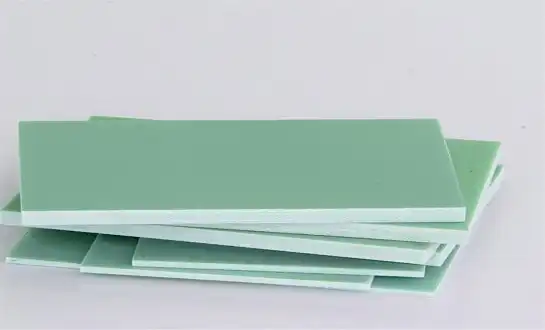
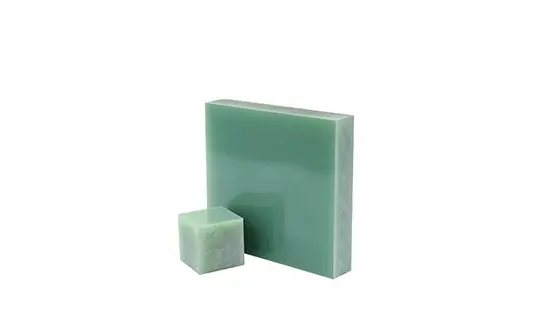
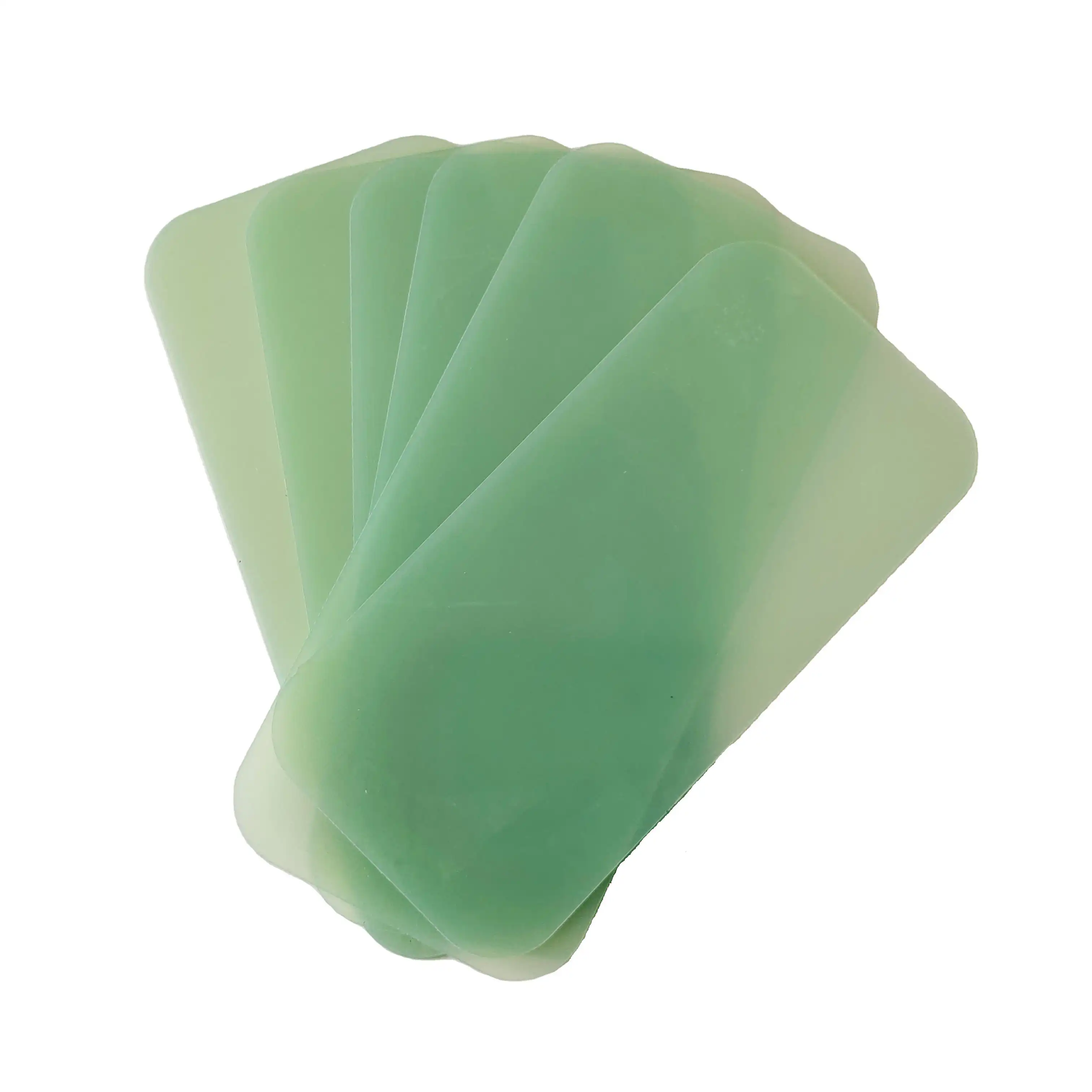
The 94V0 FR4 Fiberglass Sheet is the best high-pressure thermosetting industrial laminate that solves important safety problems in today's electronics. This substance is made up of woven fiberglass cloth that is fully saturated with a brominated epoxy resin glue. "94V0" is the best number for vertical burn flammability under the UL 94 standard, while "FR4" is the NEMA grade for "Flame Retardant." Unlike less stable materials like paper-phenolic laminates, this composite completely removes the risk of fire spreading in high-density electronics while still keeping excellent mechanical dimensional stability under thermal stress.
Core Technical Properties That Matter
This material's technical specs make it a one-of-a-kind mix of electrical insulation and mechanical strength. With a density of 1.85 to 2.08 g/cm³ and a flexural strength of more than 340 MPa, the sheets keep their shape even when they are under a lot of stress. The UL 94 V-0 grade comes from the brominated epoxy resin matrix, which makes sure that vertical examples stop burning within 10 seconds without any burning drips. The electrical performance is still very good, with a dielectric strength of about 50 kV/mm and a breakdown voltage of more than 40 kV when connected parallel to the laminations. When it comes to temperature, normal sheets have a Glass Transition Temperature between 130°C and 140°C, while High-Tg versions can reach up to 180°C for harsh thermal conditions.
How CNC Machining Enhances Precision?
With CNC machining, raw fiberglass epoxy laminates can be turned into precisely engineered parts that meet all the requirements. The computer-controlled cutting process ensures repeatable accuracy, with tolerances of only ±0.1mm for thin sheets. This makes sure that the parts always fit together correctly during the assembly process. The quality of the surface finish is much better than with hand cutting, and there is less chance of delamination or edge tearing, which could damage electrical insulation barriers. When making complex shapes like PCB mounting brackets, switchgear insulators, or custom test fixtures, this level of accuracy is especially useful because it has a direct effect on the safety and performance of the product.
Comparing 94V0 FR4 Fiberglass Sheet with Other Materials: Making the Right Choice
Performance Distinctions Between Material Options
Before you can choose the best insulation material, you need to know how different composites work in real life. The flame-resistant fiberglass epoxy laminate is not the same as G10 grade material, which doesn't have self-extinguishing properties even though it has similar mechanical properties. The epoxy-based composite is better at resisting moisture than phenolic sheets; it absorbs less than 0.2% water, according to ASTM D570, which makes it better for humid places. CEM-1 materials are a cheaper option for less demanding uses, but they don't have the temperature stability and electrical performance needed for high-voltage equipment or gadgets that run all the time.
Standard FR4 and the 94V0 variant of 94V0 FR4 Fiberglass Sheet have the same base ingredients. However, the certified flame rating shows that the product meets the safety standards required by many industry regulations. In places like electrical cabinets, where arc flash events can be very dangerous, this license is a must. The brominated chemicals in the resin system actively break down combustion chains. This stops flames from spreading across component surfaces, even when they are near sources of long-term burning.
Cost-Benefit Analysis for Long-Term Investment
Premium flame-retardant laminates cost more up front than standard insulation materials, but the overall cost of ownership often makes the investment worthwhile. The material is very durable, so it lasts longer and doesn't need to be replaced as often, which cuts down on maintenance downtime. When making PCBs, the ability to keep their shape over many heat cycles stops them from warping, which would otherwise lead to assembly errors and expensive repairs. When there is a lot of production going on, these benefits stand out even more because consistent materials have a direct effect on yield rates and quality control measures.
Procurement Considerations for 94V0 FR4 Fiberglass Sheets
Identifying Qualified Material Suppliers
The first step in strategic sourcing is to check the credentials and production skills of the seller. Reputable manufacturers keep UL certifications that show they follow the rules for flammability tests, and ISO quality control systems show they are dedicated to making sure their products always meet the same standards. In our 20 years of experience in the field, we've seen that suppliers who offer customization services, like pre-cut dimensions that work with your CNC equipment, make the manufacturing process run more smoothly and waste less material. You can choose from thicknesses ranging from 0.5mm to 50mm, and standard sheet sizes can be used with a variety of machining setups.
Navigating Order Specifications and Lead Times
Knowing the minimum order quantity helps you balance the cost of keeping inventory with the needs of your production schedule. Many sellers set MOQs based on the number of sheets or the total weight, and as the quantity goes up, deals for buying more are offered. Lead times are different if you want to order standard stock sizes or custom thicknesses that need to be made in smaller batches. Delivery times for standard materials are usually between two and six weeks, but they can be up to eight weeks for special High-Tg versions or materials with specific size needs.
When buying something from another country, logistics play a big role in the total cost of procurement. We handle our own services, which lets us offer streamlined shipping options that make clearing customs easier and cut down on delivery times. This one-stop service approach gets rid of the problems that come up when you have to coordinate with multiple vendors. You only have to talk to one person for important questions, tracking your delivery, and help after delivery.
Benefits and Applications of CNC Machined 94V0 FR4 Fiberglass Sheets in Electrical Insulation
Precision Machining Advantages for Component Manufacturing
CNC machining makes flame-retardant fiberglass laminates more useful by making it possible to make complex shapes that can't be reliably made by hand. The computer-controlled process makes sure that every production run has the same parts, which is important for keeping the assembly line running smoothly and making sure that the products are always the same. Due to the abrasive glass content, machining needs tungsten carbide or diamond-coated tools. High spindle speeds lower the risk of delamination, and proper dust clearance keeps the operation safe. The parts that are made have smooth edges and holes that are precisely placed, which makes automated assembly easier and cuts down on the need for hand-finishing.
Critical Applications Across Industrial Sectors
Because this insulation material is so flexible, it can be used in a wide range of situations and industries.
In the electronics manufacturing industry, PCB substrates made of 94V0 FR4 Fiberglass Sheet are the most common type of material used. These are the bases for single-sided, double-sided, and multi-layer printed circuit boards. Because it can handle high temperatures during soldering and keep the copper layers from touching each other electrically, it is an important part of household electronics, industrial controls, and telecommunications equipment. Dimensional stability keeps parts from moving out of place during reflow processes, which is especially helpful for surface-mount technology.
Power Distribution Equipment: Machined insulators are used in electrical cabinets to hold busbars, protect against arcs, and keep phases separate in high-voltage switchgear. As a result, the UL 94 V-0 grade becomes an absolute safety requirement. This stops catastrophic failures during arcing problems that could otherwise spread through equipment enclosures. Manufacturers of transformers use the material for coil insulation and heat barriers. Its temperature stability keeps it working well after decades of constant use.
Automotive Electronics: More and more, flame-resistant composites are being used for battery pack shields in electric cars. Managing heat and preventing fires have a direct effect on the safety of passengers. Insulation pads keep sensitive electronics from getting damaged by engine heat, and precision-machined clamps support the structure and keep the electricity from getting to them. The mechanical strength of the material can handle the vibration and shock loads that are common in automotive environments. It will stay intact for the life of the vehicle.
Precision Test Equipment: Wave solder pallets and Automated Test Equipment fittings need materials that can keep their shape even after being heated and cooled many times. Because the coefficient of thermal expansion is low, there is no warping that would throw off the alignment of test probes or make it hard to form a solder joint. This dependability is especially helpful in manufacturing large amounts of goods, where broken equipment has a direct effect on meeting output goals and making money.
These uses show how flame-retardant properties lead to higher safety margins in tough working conditions, while mechanical properties ensure long-lasting reliability in places where material failure would affect the product's functionality or the safety of the operators.
Ensuring Quality and Trust in Your 94V0 FR4 Fiberglass Sheet Supplier
Essential Supplier Credentials and Certifications
To build partnerships based on trust, you need to make sure that manufacturers actually have the right quality credentials, not just say they do. UL approval paperwork should be easy to find and show that regular flammability tests are done on production runs according to UL 94 standard procedures. ISO 9001 quality management systems show structured ways to make sure that production is consistent, and ISO 14001 environmental certifications show that a company is making products in a responsible way. We've kept these certifications throughout our business history, and we can prove that we've followed the ROHS rules on dangerous substances that many international markets require.
Quality Control Measures That Protect Your Investment
Before materials are shipped, thorough testing processes make sure that both safety rules are followed and the structure is sound. The self-extinguishing properties that make up the 94V0 rating are confirmed by flammability testing. This makes sure that every production batch meets the performance standards. Dimensional tolerance inspections check that the thickness is uniform and that any differences stay within acceptable limits, which are usually ±0.1mm for precision-grade sheets. For high-grade boards, warping and twisting metrics must stay below 0.5%. Electrical testing includes measuring the dielectric breakdown voltage according to ASTM D149 standards and taking Comparative Tracking Index readings to make sure there is no electrical tracking across surface pathways.
Surface integrity tests find flaws like bubbles, dry spots, or impurity inclusions that could make the insulation barrier less effective. When you combine these visual checks with mechanical tests, you can be sure that the properties of the materials will stay the same throughout the whole manufacturing process. Our 20 years of production experience have made these quality standards even better, and our vast experience in international trade makes sure that all of our paperwork meets the standards for international purchases.
The Value of After-Sales Support
Suppliers who see relationships as partnerships instead of transactions set themselves apart by offering ongoing professional help. When questions about applications, problems with machining, or clarifications of specifications come up during the development of a component, responsive communication channels help get them answered. Having access to material property data sheets, suggestions for machining parameters, and compliance paperwork makes your engineering work and regulatory reports easier. Because our team has worked in international trade for more than ten years, we know what paperwork international clients need and how they like to communicate, which makes it easier for everyone to work together despite time zones and language barriers.
Conclusion
Electrical shielding needs materials that are reliable, and CNC-machined fiberglass epoxy laminates like 94V0 FR4 Fiberglass Sheet with UL 94 V-0 flame ratings meet those needs. Because these materials are self-extinguishing, have high dielectric strength, and are mechanically stable, they are essential in the electronics, power distribution, automobile, and industrial equipment industries. Precision machining turns standard sheets into unique parts that are made to exact specs. This cuts down on waste and speeds up the assembly process. Partnering with suppliers who can show verifiable quality credentials, maintain consistent production standards, and offer quick technical support throughout the product development cycle is key to successful procurement.
FAQ
What distinguishes G10 from flame-retardant fiberglass laminates?
The brominated chemicals that make G10 material self-extinguishing are missing from this material. The flame-retardant version is mostly made up of G10 base material that has chemicals added to the epoxy glue that stop flames. This gives it the UL 94 V-0 safety grade that electronics need.
Can these sheets withstand continuous high-temperature exposure?
Standard formulations can work continuously at 130°C, which is what Class B thermal grades mean. For uses that need to withstand higher temperatures, like wave solder pallets or automotive underhood parts, High-Tg variants are better because they keep their shape up to 170°C to 180°C, stopping deformation during thermal cycling.
How does moisture affect electrical properties?
Even though water absorption is still very low (less than 0.2%) according to ASTM D570, even very small amounts of moisture can change how well a high-frequency dielectric works. Keeping things in places with controlled humidity keeps their best electrical properties for precise RF applications and impedance-controlled PCB manufacturing.
Does the green color indicate flame-retardant certification?
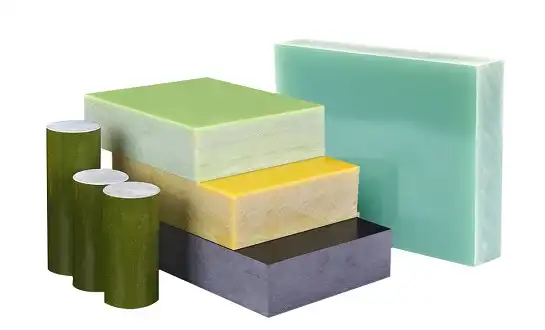
Instead of flame-retardant qualities, the usual green color comes from pigments added to epoxy resin. There are black, yellow, and white versions with the same UL 94 V-0 ratings because the flammability performance relies only on the resin chemistry and not on the colorant used.
Partner with J&Q for Premium FR4 Fiberglass Sheet Solutions
J&Q is a reliable source for 94V0 FR4 Fiberglass Sheet because they have been in business for over 20 years and have experience with both domestic and international trade. Our in-house logistics operations streamline the whole process, from choosing materials to delivering them, so you don't have to deal with the problems that come with coordinating with different vendors. We work closely with many trading companies in the United States and other countries to make sure that our flame-resistant laminates meet all of the different rules and requirements for different uses. Whether you need normal sheet sizes or CNC-machined parts made just for you, our technical team is here to help you every step of the way during the buying process. You can email us at info@jhd-material.com to talk about your electrical insulation needs, get more information, or get a quote for your next production run. Our dedication to quality that doesn't change and service that is attentive helps you keep your supply chain reliable while meeting tight project deadlines.
References
1. National Electrical Manufacturers Association. "Industrial Laminating Thermosetting Products: NEMA Standards Publication LI 1-2019." NEMA, 2019.
2. Underwriters Laboratories. "Standard for Safety of Flammability of Plastic Materials for Parts in Devices and Appliances: UL 94." UL LLC, 2021.
3. IPC—Association Connecting Electronics Industries. "Specification for Base Materials for Rigid and Multilayer Printed Boards: IPC-4101E." IPC, 2020.
4. ASTM International. "Standard Test Methods for Dielectric Breakdown Voltage and Dielectric Strength of Solid Electrical Insulating Materials: ASTM D149-20." ASTM, 2020.
5. Coombs, Clyde F. "Printed Circuits Handbook, Seventh Edition." McGraw-Hill Education, 2016.
6. Harper, Charles A. "Electronic Materials and Processes Handbook, Fourth Edition." McGraw-Hill Professional, 2018.

Get a complete product list and quotation
J&Q New Composite Materials Company