Where Is EPGC308 Epoxy Sheet Used in Industrial Electrical Systems?
One name keeps coming up in technical specs when engineers and purchasing managers look for reliable shielding materials: EPGC308 epoxy sheet. The IEC 60893-3-2 standard describes this high-performance glass fibre-reinforced laminate as having Class H thermal endurance up to 180°C for continuous operation. This makes it a popular choice for use in harsh industrial electrical environments. This material is great for insulating things like motor windings and high-voltage switches that other materials just can't do.
Understanding EPGC308 Epoxy Sheet and Its Core Properties
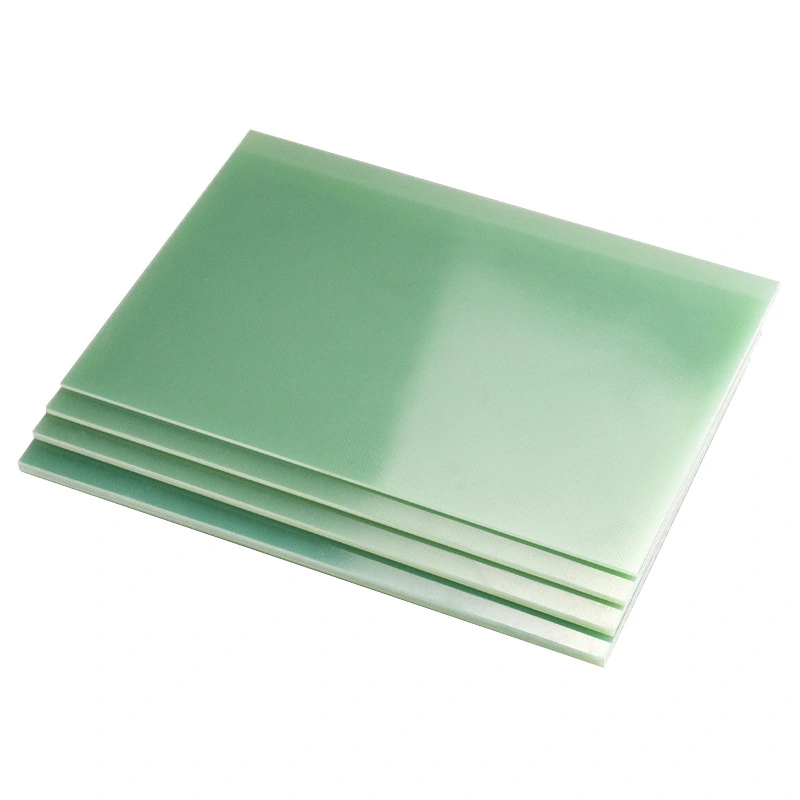
The EPGC308 is made of woven glass fibre cloth that was mixed with a special epoxy glue system and then heated and pressed until it became hard. The end result is a rigid laminate that doesn't change shape when it gets hot, which works better than regular G10 or general-purpose epoxy boards.
Thermal and Mechanical Performance
The temperature at which this substance turns into glass (Tg) is usually higher than 170°C, and its thermal index is 180°C (Class H). At room temperature, the material has a flexural strength of about 340 MPa. What's more, it keeps more than half of that strength at 150°C, which is what IEC 60893 needs. When loaded at high temperatures, most fibreglass laminates soften and warp. This one, on the other hand, keeps its strength even when it's hot.
Electrical and Chemical Resistance
Based on the resin mix, the Comparative Tracking Index (CTI) can reach up to 600V, and the dielectric strength is ≥10 kV/mm when tested in oil across the laminate. Transformer oils, organic solvents, and weak acids can't break down the material at all. In switch and motor housings, which are often chemically harsh places, this means it can last a long time.
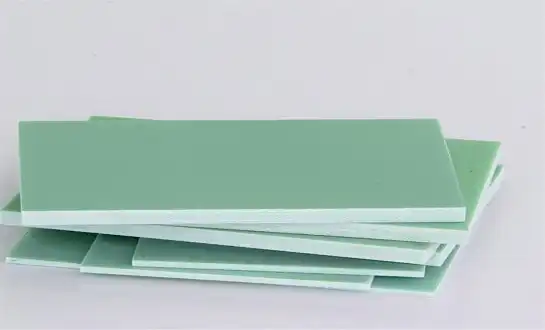
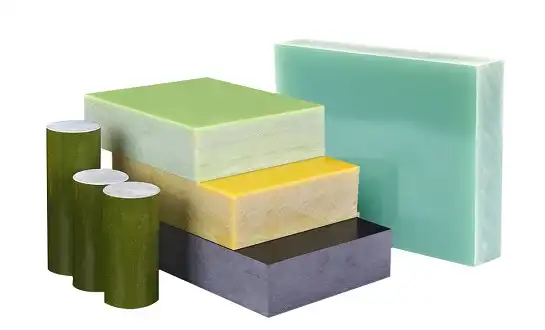
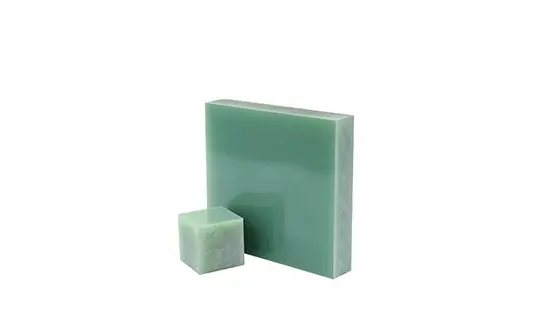
J&Q sells the JingHong brand EPGC308 in lengths ranging from 0.3mm to 100mm. A standard sheet size is 1030mm by 1230mm. Sizes up to 1220mm by 2440mm can also be made to order. It is made of epoxy-glass, which gives it a light green colour. The sheets meet ISO, UL, and ASTM standards.
Primary Industrial Electrical Applications of EPGC308 Epoxy Sheet
When engineers and OEM buyers know where this material works best, they can make better decisions about where to get it. The following examples from real life show how very bad things can happen when a material fails.
Motor Stators, Rotors, and Generator Slot Wedges
The stator windings in big AC motors and power sources are always hot and shaking. There are packing blocks and slot wedges made out of the Epgc308 Epoxy Sheet. These keep the coil wires in place in the stator slots. The temperatures, spinning force, and vibrational fatigue that these parts have to be able to handle are all higher than what regular FR4 can handle. It works great for this job because it stays mechanically sound at 150°C.
High-Voltage Switchgear and Transformers
Because they are made of epoxy laminate boards, they support the structure and block the flow of electricity in SF6 gas-insulated switches and oil-filled transformers. Tests using IEC 60243-1 showed that the material keeps its dielectric properties even when it is submerged in hot transformer oil. One requirement for zero failure is that arc faults can't move from one phase to another. This laminate always meets that requirement.
Rail power motors are another tricky situation. When you speed these motors up and slow them down, they go through rapid changes in temperature and mechanical shock. If you heat this epoxy laminate that is used to make insulation parts, it doesn't separate as lower-quality materials do.
Comparing EPGC308 Epoxy Sheet with Alternative Insulation Materials
Purchasing teams often compare this material to G11, standard G10, and FR4 before they make a final decision on the specs. Let's all be honest about where we stand:
- EPGC308 vs. G10 (FR4): Both G10 and FR4 work well at room temperature, but they don't keep their strength when they get hot, which is what IEC 60893 requires for Class H uses. When heated to 150°C, FR4 quickly loses its shape. Under the same conditions, EPGC308 keeps more than half of its flexural strength. This is a very important feature for motor and transformer insulation.
- EPGC308 and NEMA G11 both use epoxy resin and glass fibre. The difference is in the standard that was used. EPGC308 follows IEC 60893-3-2, which has tighter rules for mechanical holding at 150°C. When OEM makers sell to foreign markets, IEC compliance is often more important than NEMA labels.
- Phenolic Laminates vs. EPGC308: Phenolic cotton and paper-based laminates are cheaper, but they can't compare to glass-epoxy systems when it comes to dielectric strength, resistance to moisture, or thermal stability. When exposed to high voltage or humidity, phenolic materials take in water and stop shielding as well.
EPGC308 is more expensive than phenolic laminates made of cotton and paper, but they can't match glass-epoxy systems when it comes to electrical strength, resistance to moisture, or temperature stability. These materials take in water and stop shielding when they are exposed to high voltage or humidity.
How to Select and Use EPGC308 Epoxy Sheets Effectively in Your Projects?
Step one is to pick the right thickness and size of sheet. For slot wedges and thin thermal walls, sheets that are between 1 mm and 5 mm thick are often used. A lot of the time, structural spacers and arc shields in circuits need 10mm to 50mm material. You can get everything from 0.3mm to 100mm at J&Q. If you ask, they can also make sizes just for you.
Machining and Handling Best Practices
This stuff is rough on cutting tools because Epgc308 Epoxy Sheet has glass fibre in it. To mill, drill, and route, you need tools with diamond or solid carbide tips. It's easy for fit tolerances to be off when high-speed steel tools get dull quickly and make sides that are too rough. Getting rid of the dust is important because glass fibre powder is bad for your health and needs to be kept under control with the right breathing air.
Quality Inspection Criteria
For safe buying, quality control that can be seen is important. When EPGC308 material comes in, it is checked for a number of important things. These include the dielectric breakdown voltage (IEC 60243-1), the water absorption (ISO 62), and the high-temperature flexural test according to ISO 178. Samples are heated to 150°C for one hour before the test. It is okay if less than 0.2% is absorbed after 24 hours of immersion. At the ends of the sheet, you should look to see if there are any blisters, tears, or glue holes. At J&Q, each production run is tested at the batch level, and you can find certifications if you ask for them.
Trusted Sourcing and Procurement of EPGC308 Epoxy Sheets
Picking the right material is important, but finding the right supplier is even more so. A whole production batch can be harmed by sheets of different thicknesses, bad resin impregnation, or paperwork that is missing for certification. Teams in charge of buying things should pick the best factory-direct suppliers who have set up quality systems and production capacities that can be tracked.
It has been making insulating sheets for more than 20 years and trading with other countries for more than 10 years. J&Q does business under the JingHong brand. J&Q can keep up with OEM projects that need a lot of parts because it can make 43,000 tons of them every year. Since the company runs its own delivery system, it only needs to talk to one person to set up shipping by sea, air, and land. The MOQ is 500KG, and T/T is the most common way to pay. You can get sheets in any size you need, like 1030mm x 2030mm, 1220mm x 2440mm, or 1030mm x 2070mm, so they can fit your engineering plans perfectly.
Conclusion
Epgc308 Epoxy Sheet is a special and important part of industrial electrical engineering. It is great for motor insulation, circuit barriers, transformer parts, and traction motor parts because it can handle Class H temperatures, keeps its mechanical strength at 150°C, doesn't react with chemicals, and can handle Class H temperatures. Regular laminates stop being useful after a while, but this glass-epoxy method still works. In order to build effective electrical systems, buying teams and engineers should know what this material can do and make sure they get it from a reputable maker.
FAQ
What thickness options are available for EPGC308 sheets?
You can get JingHong brand EPGC308 from 0.3mm to 100mm at J&Q. Standard sizes range from 1030mm to 1230mm, but you can get them in any size you need for your project.
How does EPGC308 perform under continuous high-temperature conditions?
The Class H Thermal Index for this material is 180°C, and its Tg is higher than 170°C. IEC 60893-3-2 says that at 150°C, it still has more than half of its flexural strength at room temperature.
Is EPGC308 compliant with international quality standards?
Yes. It meets the standards of IEC 60893-3-2, ISO, ASTM D709 (G11 similar), and UL. J&Q can give you batch-level certifications and test results if you ask for them.
What is the minimum order quantity for bulk procurement?
J&Q's minimum order quantity is 500KG. The company has its own transportation network that helps with ocean, land, and air freight. This makes managing the foreign supply chain easier.
Can EPGC308 sheets be customized for specific OEM requirements?
J&Q provides full OEM service, which includes custom colors, sizes, and thickness tolerances. Email the team at info@jhd-material.com to talk about the needs of your specific project.
Partner with J&Q for Reliable EPGC308 Epoxy Sheet Supply
For more than twenty years, J&Q has sold approved insulating laminates to electrical makers, machinery builders, and people in the power sector. We are a reliable Epgc308 Epoxy Sheet maker that can make 43,000 tons of sheets a year and handles all of its own operations. We offer a steady supply, low prices, and full documentation support. You can ask for a sample or detailed paper right now by emailing our team at info@jhd-material.com or going to blog.jhd-material.com for more product information.
References
1. International Electrotechnical Commission. IEC 60893-3-2: Insulating Materials — Industrial Rigid Laminated Sheets Based on Thermosetting Resins for Electrical Purposes. IEC, 2003.
2. ASTM International. ASTM D709: Standard Specification for Laminated Thermosetting Materials. ASTM International, 2017.
3. Brydson, J.A. Plastics Materials, 7th ed. Butterworth-Heinemann, 1999.
4. Harper, Charles A. Handbook of Plastics Technologies. McGraw-Hill, 2006.
5. IEEE. IEEE Std 117: Standard Test Procedure for Thermal Evaluation of Electrical Insulating Materials. IEEE, 2015.
6. DIN Deutsches Institut für Normung. DIN 7735: Hard Paper and Hard Fabric — Laminates for Electrical Engineering. Beuth Verlag, 1993.

Get a complete product list and quotation
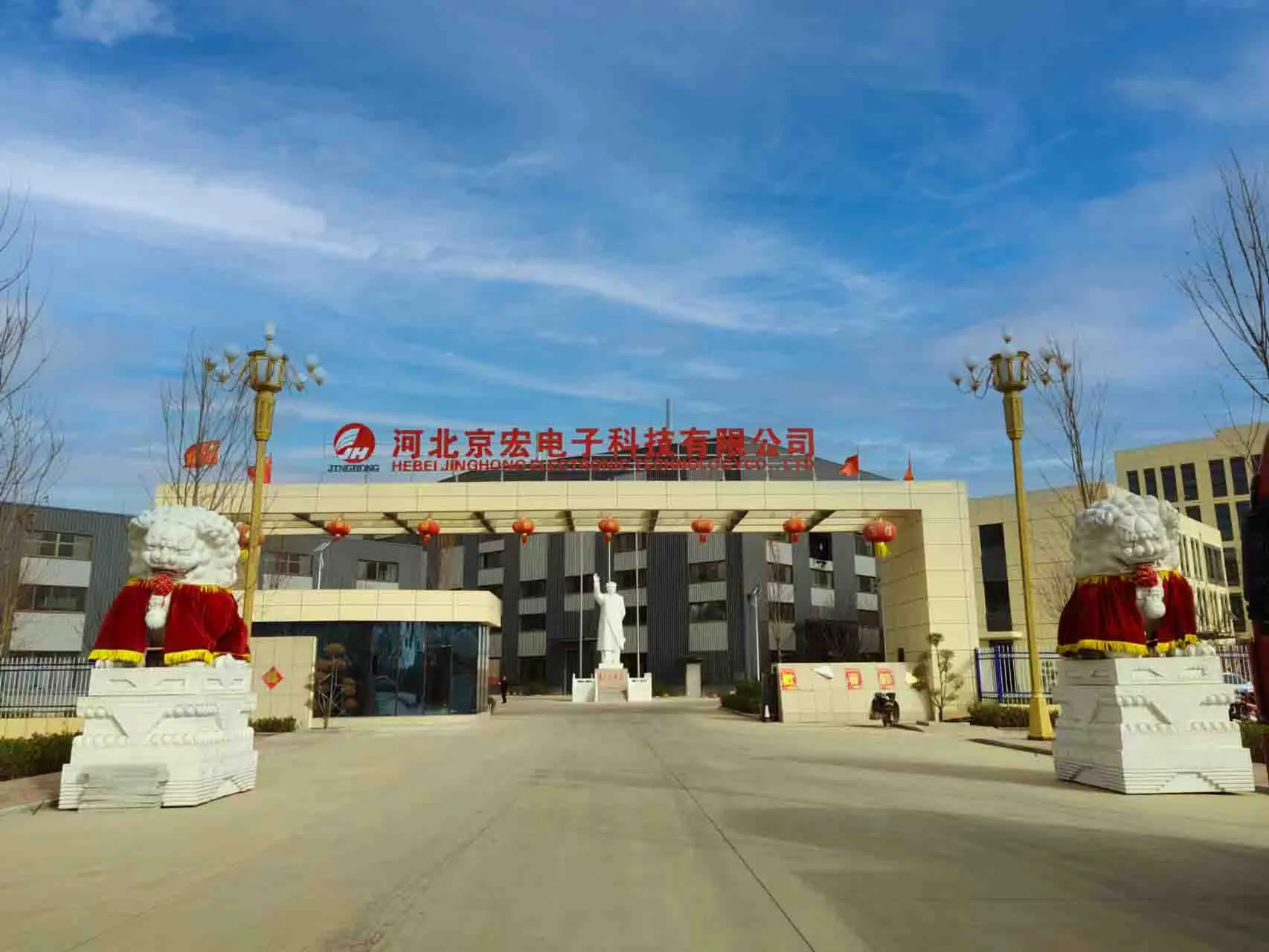
J&Q New Composite Materials Company