NEMA Grade FR4 Epoxy Sheet for PCB and Electrical Insulation
When it comes to reliable electrical insulation and PCB substrate materials, the NEMA Grade FR4 Epoxy Sheet consistently ranks as the industry standard. Built from 7628 E-glass fabric bonded with epoxy resin, this composite laminate delivers a precise balance of mechanical rigidity, dielectric performance, and flame resistance. Whether you are sourcing materials for switchgear assemblies, transformer insulation, or high-density circuit boards, understanding the full technical and procurement picture helps you make confident purchasing decisions that protect both performance and budget.
Understanding NEMA Grade FR4 Epoxy Sheet
What Makes FR4 a Benchmark Material?
NEMA has a grade called FR4 for glass-reinforced epoxy laminates. The name comes from the National Electrical Manufacturers Association, and the "FR" at the beginning means the material won't catch fire. FR4 is made of knitted fiberglass cloth that has been mixed with epoxy glue and then cured under heat and pressure. It has a density of about 1.85 g/cm³ and absorbs less than 0.25% water. Because of these structural features, it stays the same size even when it is under mechanical stress and changes in temperature.
Core Technical Properties
The properties of FR4's material makeup are well known and spelled out in many international standards. Key parameters that are measured are:
- Flexural strength: Exceeds 415 MPa (lengthwise) and 345 MPa (crosswise), qualifying it as a load-bearing structural insulator.
- Dielectric breakdown voltage: Greater than 50 kV, providing robust protection in high-voltage environments.
- Relative permittivity (Dk): Typically between 4.2 and 4.8, essential for controlled impedance in PCB trace design.
- Glass transition temperature (Tg): Standard grade at 130°C–140°C; high-Tg variants reach 170°C–180°C, accommodating lead-free soldering processes.
- Flame rating: UL 94 V-0, meaning the material self-extinguishes within 10 seconds when ignition is removed.
It has a tensile strength of more than 415 MPa along its length and 345 MPa across its width, which makes it a load-bearing structural insulator.
The dielectric breakdown voltage is more than 50 kV, which means it can protect well in high-voltage areas.
Comparing NEMA Grade FR4 with Other Epoxy Sheets
FR4 vs. G10, Phenolic, and Other Laminates
When things get tough, not all epoxy laminates work the same way. G10 is made of fiberglass and epoxy, just like NEMA Grade FR4 Epoxy Sheet, but it doesn't have any chemicals that stop fires, so it can't be used in places where fire safety rules apply. Phenolic cotton sheets are cheap and work well for mechanical gaps and low-frequency electrical parts, but they soak up more water and are less stable at high temperatures. Epoxy glass laminates, like FR5 and G11, offer better thermal performance, but they cost more to make.
In a real sense, FR4 is in the middle. Compared to phenolic grades, it has higher dielectric strength, works better than G10 in fire-rated areas, and is still cheaper than FR5 for bulk purchases. This material has the right mix of qualities for most PCB boards, insulation barriers, and structural electrical components. It doesn't cost more than it needs to.
Thickness Selection and Its Effect on Application Fit
FR4 sheets from JingHong come in a range of thicknesses, from 0.3 mm to 100 mm. PCB boards and flexible insulating layers work well with thin sheets (0.3 mm to 2 mm). Thicknesses in the middle (3 mm to 25 mm) work well for motor insulation parts, busbar supports, and terminal boards. Usually, structural parts like jigs, fittings, and heavy-duty spacers are made from pieces that are thicker than 25 mm. When you match the thickness to the load requirements, you avoid both unnecessary engineering costs and mechanical failure before it's time.
Choosing the Right Epoxy Sheet for Your Electrical Insulation Needs
Key Selection Criteria for Engineers and Procurement Teams
More than just material datasheets need to be looked at when choosing an epoxy laminate grade. The temperature range, voltage class, humidity exposure, and mechanical load cycle in the working area must all match the certified parameters of the material. Before committing to a specification, here are the main things you should think about when making your choice:
- Voltage class compatibility: Confirm the dielectric breakdown value aligns with the system's rated voltage plus a safety margin of at least 20%.
- Temperature index: Standard FR4 carries a thermal classification of 140°C. Applications near or above this threshold call for high-Tg variants.
- CNC machinability: FR4 machines cleanly when using carbide tooling and controlled feed rates, producing burr-free edges suitable for precision components.
- Compliance requirements: Confirm UL 94 V-0, RoHS, and NEMA LI-1-1990 documentation is available with each batch shipment.
These things directly affect whether the Nema Grade Fr4 Epoxy Sheet plastic you choose will work reliably in use or need to be replaced too soon. Talking to an experienced source at this point is not only helpful, it also keeps you from making costly mistakes with the specifications later on.
Procurement Guide: How to Buy NEMA Grade FR4 Epoxy Sheets?
Supplier Evaluation and Order Logistics
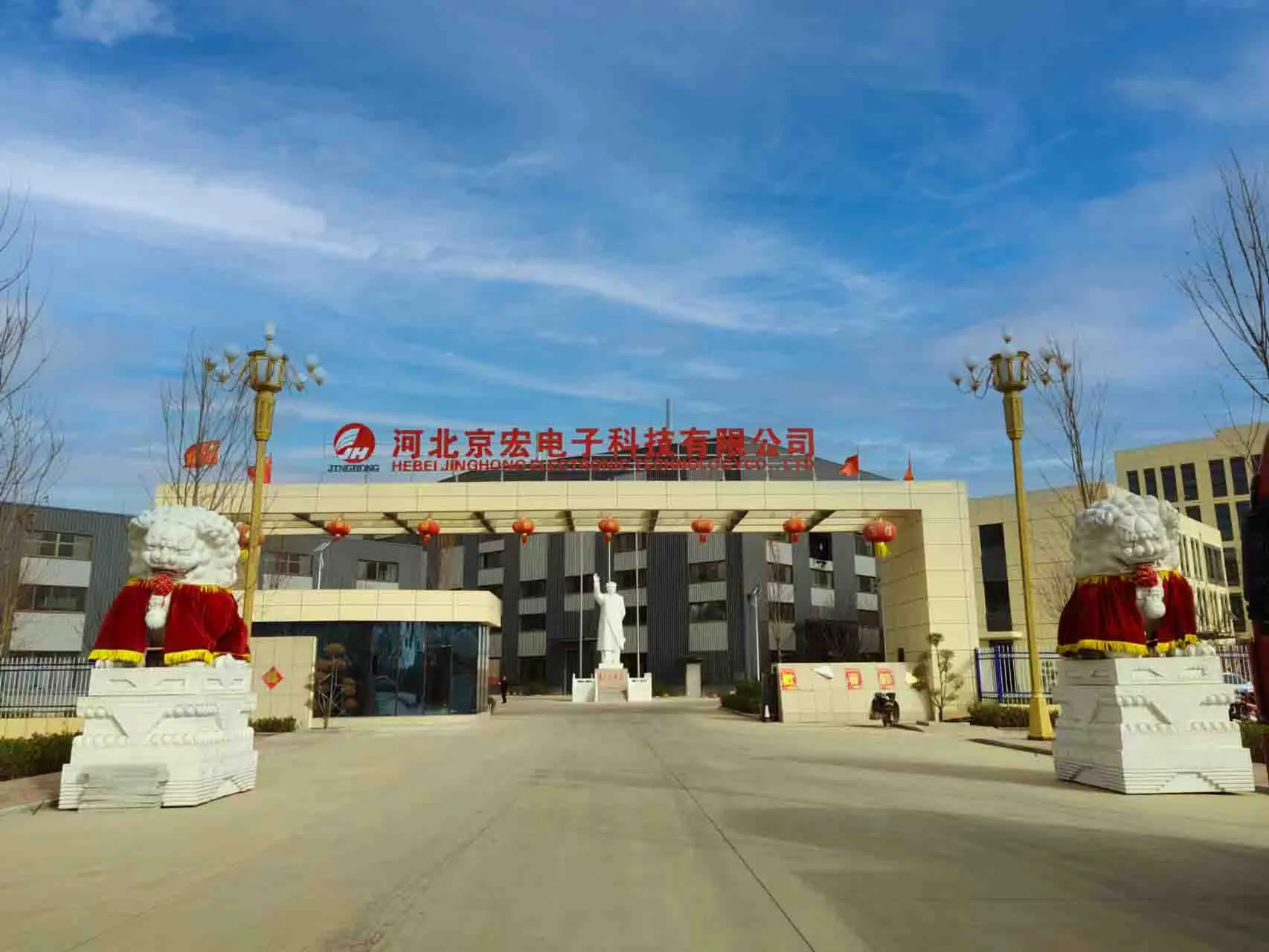
To find the right quality FR4 laminates, you need to look closely at both the material's qualifications and the supplier's ability to do business. JingHong was founded in 2018 and has a 36,300 m² factory that cost a total of 191 million RMB to build. It is certified in ISO 9001 (quality management), ISO 14001 (environmental management), and ISO 45001 (occupational health and safety). The annual production capacity is 43,000 tons, which makes sure that there is always a supply, even when demand is high.
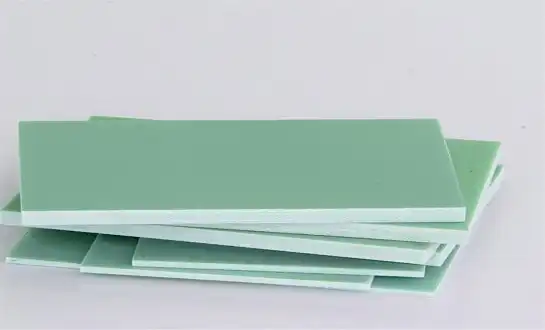
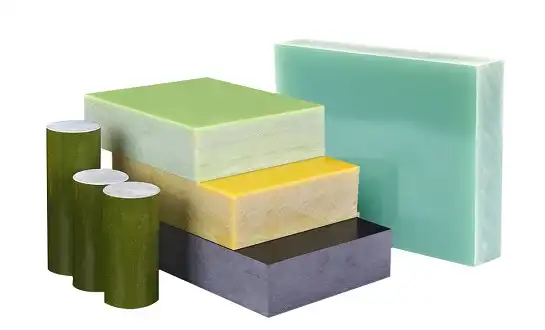
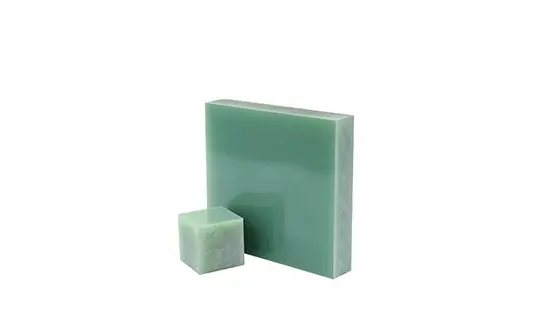
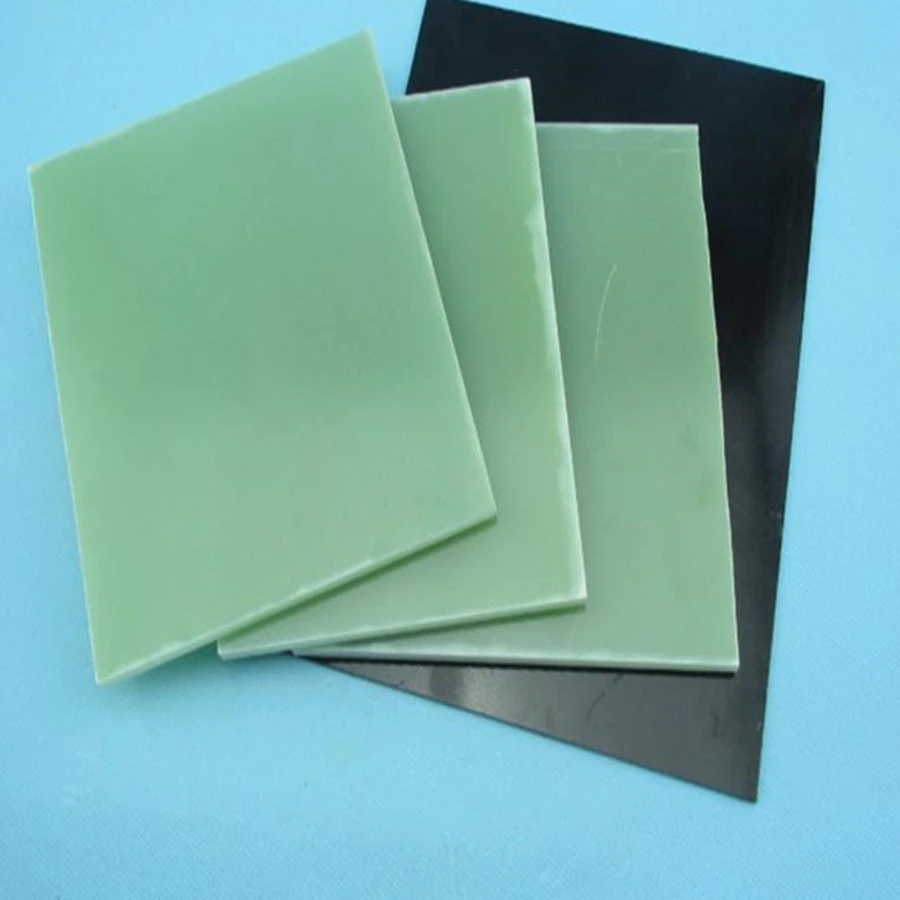
Sheets are usually 1030 mm x 1230 mm and have a light green finish on the outside. You can ask for custom sizes, such as 1220 mm × 2440 mm and 1030 mm × 2070 mm, which allow for different cutting and machining plans without wasting material. The smallest amount that can be ordered is 500 kg, and payment is made through T/T. JingHong's integrated logistics infrastructure helps shipments move by sea, land, or air freight, depending on how quickly they need to get there and where they're going.
Every production run includes tests for impact resistance and thermal stability to make sure that the products are consistent from batch to batch. There is full tracking paperwork available to support incoming review at your plant.
Applications and Case Studies of NEMA Grade FR4 Epoxy Sheet
Where FR4 Performs Across Industries?
Because FR4 glass epoxy laminate can be used in so many different ways, it is essential in many industries. It is the main base for single-sided, double-sided, and multi-layer printed circuit boards in the electronics industry, and it has to stay the same size even when heated and cooled many times. Power distribution engineers use its high Comparative Tracking Index to stop surface discharge and use it for arc chutes, phase barriers, and busbar supports inside switchgear enclosures.
Automotive R&D teams cut FR4 into battery pack shields and insulation pads that can handle high temperatures. Builders of industrial machinery cut it into mechanical spaces and wear-resistant guides for situations where the structure needs to be strong and not conduct electricity. It is used by appliance makers for motor brackets and insulation frames because it has uniform qualities across big production volumes, which lowers the amount of scrap. In all of these areas, the material's clean machinability with normal CNC tools immediately leads to shorter production times and more accurate measurements.
Conclusion
In the business world around the world, NEMA Grade Fr4 Epoxy Sheet FR4 epoxy laminate is the standard material for insulation and PCB substrates. Its tested mix of mechanical strength, insulating performance, and flame resistance meets the strictest application needs while still being easy to buy in large quantities. If you know the right grade and buy from a certified manufacturer, you won't have to guess what to use for your project, whether it's high-voltage switchgear, precision circuit boards, or heavy industrial insulation.
FAQ
Why is FR4 epoxy laminate preferred for PCB manufacturing?
FR4 is stable in terms of size, has a steady dielectric constant, and sticks to copper paper very well. During the PCB construction and soldering process, these qualities make sure that the signal integrity and structural integrity are maintained.
How do I choose the correct sheet thickness for my application?
PCB boards and insulation overlays work best with thinner pieces that are between 0.3 mm and 2 mm thick. Sheets that are 3 mm to 25 mm thick are good for insulating buildings and making machine parts. When the thickness is more than 25 mm, sheets are usually cut into load-bearing parts.
Can I request custom sheet sizes before placing a bulk order?
Yes. JingHong provides OEM services with sizes that can be changed, such as 1220 mm × 2440 mm and 1030 mm × 2070 mm. Before committing to full-volume orders, sample requests can be discussed with the procurement team.
What certifications should I verify before purchasing?
Put ISO 9001 for quality management, UL 94 V-0 for flame resistance, and NEMA LI-1-1990 compliance at the top of your list. RoHS paperwork is just as important for companies that sell to regulated electronics markets.
What is the minimum order quantity?
The minimum order quantity for JingHong is 500 kg. Their integrated delivery network, which includes ocean, land, and air freight choices, makes logistics more efficient for large orders.
Request a Quote from J&Q — Certified FR4 Epoxy Sheet Supplier
J&Q has been making insulated sheets for more than 20 years and has been doing business internationally for more than 10 years. The company that makes Nema Grade Fr4 Epoxy Sheet is reliable, and we offer certified, batch-consistent laminates for use in PCB, switchgear, power, and automobile uses. You can email our expert team at info@jhd-material.com or go to blog.jhd-material.com to get examples, custom sizes, or volume pricing that fits the needs of your project.
References
1. National Electrical Manufacturers Association. NEMA LI 1: Industrial Laminating Thermosetting Products. NEMA, 2020.
2. Underwriters Laboratories. UL 94: Tests for Flammability of Plastic Materials for Parts in Devices and Appliances. UL Standards, 2018.
3. ASTM International. ASTM D638: Standard Test Method for Tensile Properties of Plastics. ASTM International, 2022.
4. Harper, Charles A. Electronic Materials and Processes Handbook. McGraw-Hill, 2004.
5. Mohan, Ned. Power Electronics: Converters, Applications, and Design. John Wiley & Sons, 2003.
6. Coombs, Clyde F. Printed Circuits Handbook, 7th Edition. McGraw-Hill Education, 2016.

Get a complete product list and quotation
J&Q New Composite Materials Company