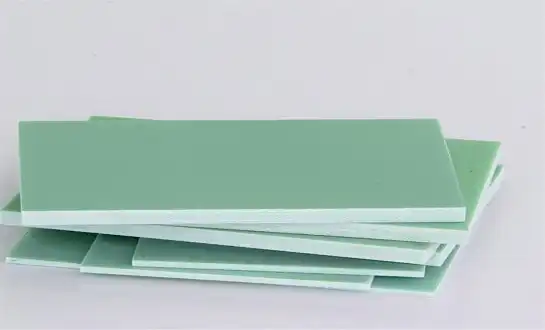
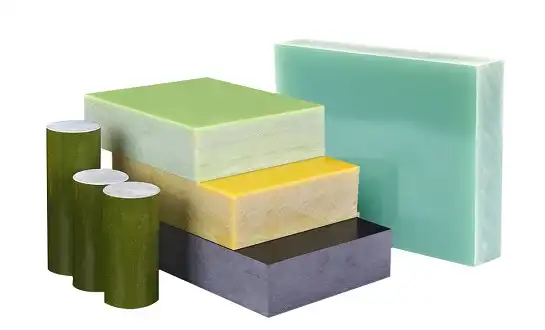
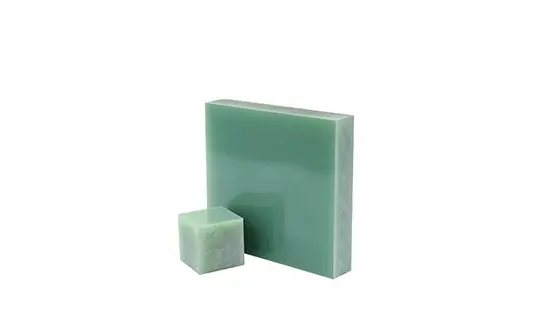
Phenolic Paper Sheet Provides Stable Performance in Industrial Equipment
When industrial equipment demands consistent insulation and structural reliability, material selection becomes a critical engineering decision. Phenolic paper sheet — a laminated composite made by impregnating kraft paper with phenolic resin under high heat and pressure — has earned a trusted position across electrical manufacturing, power distribution, machinery building, and automotive sectors. Its dielectric strength, mechanical processability, and cost-efficiency make it a practical choice where premium composites like FR4 are simply more than the application requires. This article explores why this material continues to deliver stable performance across demanding industrial environments.
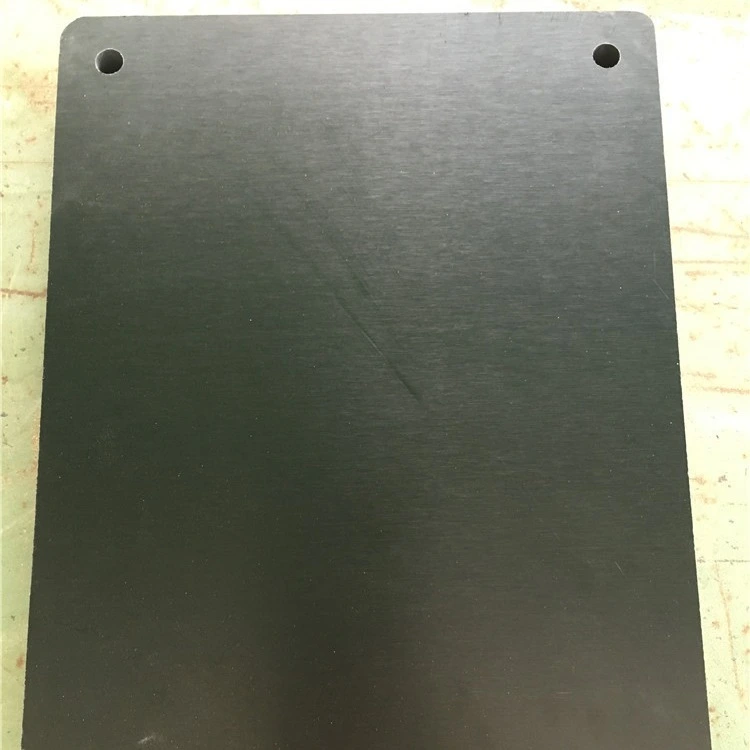
Understanding Phenolic Paper Sheet and Its Industrial Relevance
Composition and Core Properties
To make Phenolic Paper Sheet, insulating kraft paper is mixed with phenolic resin and then cured using controlled heat and pressure. The end result is a rigid, dimensionally stable sheet that is rated as a Class E insulating material and can handle temperatures up to 120°C for extended periods of time. NEMA standards say that grades X, XX, and XXX show more resin content and better protection against moisture. Each grade is suitable for electrical conditions that are more difficult.
It has a density of 1.30–1.45 g/cm³, a flexural strength of ≥120 MPa perpendicular to the laminations, and a dielectric strength of more than 10 kV/mm when tested in transformer oil. These numbers match the standards for IEC 60893-3-4 classification, which means the material is known around the world and meets the requirements.
Where It Gets Used?
This insulating material is used in many fields where stable electrical separation and mechanical stability are more important than brute strength. PCB drilling backup boards are often used in high-volume electronics manufacturing; busbar supports and arc chutes are used in high-voltage circuits; punched washers and terminal strips are used for starter motors; and insulating gaskets are used in home appliance parts. It can be cold-punched, especially in grades that have had plasticizers added to them. This lets mass-production stamping happen without cracking, which is a feature that appliance makers and auto parts suppliers really like.
Comparing Phenolic Paper Sheet with Alternative Industrial Materials
How It Stacks Up Against Fiberglass, Melamine, and Epoxy Laminates?
The people who work in procurement often compare Phenolic Paper Sheet to FR4 fiberglass, melamine sheets, and epoxy glass laminates. Each material falls into a different price and performance range. When it comes to the most important procurement criteria, this is how the comparison usually goes:
- Versus FR4 / G10 (Epoxy Fiberglass): FR4 is made of woven glass fiber and epoxy glue, which makes it more resistant to dampness and stronger. But the rough glass fiber content makes tool wear happen faster when CNC cutting and punching. Phenolic Paper Sheet is not scratchy, which greatly increases the life of carbide tools and lowers the cost of production, which is a big plus for high-volume tasks.
- Versus Melamine Sheets: Melamine laminates have a rougher surface and are often used for decoration or light construction. However, Phenolic Paper Sheet is better than melamine when it comes to dielectric stability and temperature durability. This means that it should be used in places with a lot of electrical activity.
- Versus Phenolic Cotton and Epoxy Laminates: Phenolic cotton sheets are better at withstanding impacts and have better mechanical performance, while epoxy glass laminates work best in places with a lot of wetness or that are close to nature. Phenolic Paper Sheet is in the middle of these choices; it has good mechanical strength and the best price among thermoset laminates.
These differences are very important when engineering managers try to match up material requirements with actual budgets. When used indoors, Phenolic Paper Sheet always gives the best value for money when it comes to low power, oil-immersed, or dry situations.
How Phenolic Paper Sheets Are Made and Quality Factors
The Manufacturing Process
The process starts with immersing rolls of kraft paper continuously in a phenolic resin bath. Next, the rolls are carefully dried to control the amount of resin and volatiles present. After the Phenolic Paper Sheets are impregnated, they are stacked in the right amounts, and hydraulic hot pressing is used to join the layers together into a thick, void-free laminate. The temperature and pressure are controlled.
Manufacturers who care about quality test their products at many stages of production. Measurements of dielectric strength make sure the insulation is solid; tests of flexural and compressive strength make sure the material is mechanically consistent; and checks of dimensions make sure the thickness tolerances meet the requirements, which are usually within ±0.1 mm for standard industrial grades.
Customization and Thickness Options
Standard Phenolic Paper Sheet comes in widths from 0.5 mm to 100 mm, and the sheet sizes can be changed to cut down on waste during manufacturing. Custom-cut panels cut down on the cost per unit and remove the need for extra processing steps for procurement teams that are in charge of big production runs. Verified makers also offer grade-specific formulas, such as punchable grades for stamped parts and higher-resin grades for areas with high humidity. This makes sure that the specifications are perfectly met without any compromises.
Procurement Insights: Sourcing Phenolic Paper Sheets for Industrial Use
Evaluating Suppliers and Managing Lead Times
It takes more than just comparing price lists to find a good insulating laminate. Technical procurement teams should make sure that potential suppliers have the right quality certifications, keep track of their process controls, and show that the properties of the materials they supply are consistent from batch to batch. Suppliers who offer combined transportation have a real practical benefit. Consolidated shipping cuts down on wait times and routine work, which is especially helpful for buyers who are handling multiple types of materials at the same time.
Most of the time, bulk order pricing works well for large purchases that are made over and over again, and well-known makers can usually handle blanket orders with staged delivery schedules. This arrangement works well for OEM sourcing managers who need a steady supply without having to store too much inventory, which would tie up capital. It is common practice to ask for material test results and traceable grade certifications from vendors when reviewing them. Any reputable maker should gladly provide these.
Why Choose Phenolic Paper Sheets for Industrial Equipment: Value and Future Outlook?
Proven Resilience and Emerging Applications
Because Phenolic Paper Sheet has been used in industry for decades, it has real material value. When used to make transformers, these sheets keep their dielectric stability even when soaked in transformer oil for long periods of time. This is an example of chemical resistance that is hard to achieve with cellulose sheets that are not saturated. As backup boards for precision micro-drill bits, they protect them from twisting and burring during PCB drilling operations. This directly improves production yield rates.
In the future, Phenolic Paper Sheets will become more important when talking about green manufacturing. Their relatively lower processing energy compared to glass-fiber composites, along with the fact that thermoset materials can be recycled in well-known ways, puts them in a good place within industry sustainability frameworks. As electronics get smaller and battery pack assemblies need lighter insulating barriers, R&D engineers in the automotive and appliance sectors are becoming more interested in paper-based Phenolic Paper Sheets because they are easier to work with.
Conclusion
Phenolic Paper Sheet has sustained its industrial relevance because it solves a genuine problem: delivering reliable electrical insulation and adequate mechanical strength at a price point that makes engineering sense for a wide range of applications. From PCB production support boards to transformer components and punched appliance parts, this material performs consistently where it is correctly specified. For procurement teams and engineering managers navigating material selection, understanding its capabilities — and its limits — leads to smarter sourcing decisions and longer equipment service life.
FAQ
What thicknesses are typically available?
There are layers of standard Phenolic Paper Sheet in stock that range from 0.5 mm to 100 mm. Most well-known makers can make sheets in different thicknesses and sizes to fit specific cutting or punching needs.
How does it compare to fiberglass in terms of cost and performance?
Phenolic Paper Sheet costs less per unit than FR4 fiberglass and is much easier to work with and wears down tools less quickly. It works well in low-voltage and oil-filled situations. Fiberglass-based laminates are still the better choice for places with a lot of humidity or that need strong construction.
Can these sheets be cold-punched?
Yes, punchable grades are made with plasticizers that make it possible to punch them cold without the edges cracking. To get clean results, standard grades may need to be heated before they are punched.
Is outdoor use suitable?
The main uses for Phenolic Paper Sheet are indoor or oil-immersed ones. Long-term UV exposure breaks down the phenolic glue, and changes in air can cause delamination over time.
What happens if the temperature rating is exceeded?
When exposed to temperatures above 120°C for a long time, the paper substrate turns into carbon, which turns the insulating material into a conductor. This is a critical failure mode that makes it important to plan for good thermal management during the design phase.
Request a Quote from J&Q — Your Trusted Phenolic Paper Sheet Supplier
J&Q has been making insulating sheets for more than 20 years and has been trading with other countries for more than 10 years. Our in-house logistics operation enables true one-stop service — from custom-cut Phenolic Paper Sheets to consolidated international shipments. Whether you need punchable grades for high-volume stamping or high-resin grades for switchgear components, our technical team is ready to match your specifications. Contact us at info@jhd-material.com or visit blog.jhd-material.com to request a quote today.
References
1. IEEE Electrical Insulation Magazine — 2019
2. NEMA LI 1: Industrial Laminating Thermosetting Products Standard — 2020
3. IEC 60893-3-4: Industrial Rigid Laminated Sheets Based on Thermosetting Resins for Electrical Purposes — 2021
4. Journal of Applied Polymer Science — 2018
5. Composites Part B: Engineering — 2020
6. Plastics Technology Magazine — 2022

Get a complete product list and quotation
J&Q New Composite Materials Company