What Thickness Should Buyers Choose for Phenolic Paper Sheets?
People who want to buy a part should choose the thinnest Phenolic Paper Sheet that meets the needs for electrical spacing, mechanical load, and machining. Also, they should leave some room for wear and tear, tolerance, and assembly stress. It never works to just be thick. The grade, voltage, temperature, moisture, and design of the part all play a role in the answer. It's not always safer to use a thicker sheet, either. I think you should choose the grade first and then figure out the minimum functional thickness before you place a bulk order. To be sure that both are right, samples should be used.
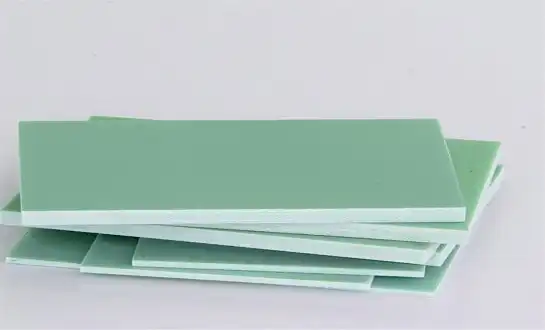
A Phenolic Paper Sheet is a rigid laminate that is made by baking phenolic resin mixed with kraft paper and then pressing it hard with hot air. It is set by classifications like IEC 60893-3-4 and NEMA X, XX, and XXX. What matters is the thickness because it determines how easy it is to machine, how well it blocks electricity, and how much it costs.

Start With the Application and the Specification
Define What the Sheet Must Do
Before you choose a thickness, you should think about what the part is meant to do. People who buy laminate do very different things with it in electronics, machinery, power distribution, making cars, and making appliances. A Phenolic Paper Sheet can be utilized as a drilling back-up board, a terminal board, a punched washer, or a transformer spacer during the PCB manufacturing process. You need to pay attention to voltage, creepage, clearance, and moisture when you work with electricity. When you do mechanical work, you need to check for things like pressure, bending, vibration, and compression. For shims and barriers, thin sheets work well. Terminal boards and mounting plates work well with medium thicknesses. Parts that need to be strong or have been heavily machined should be made with thick stock. Write down the job before you ask for a quote.
Read the Grade and the Datasheet
The grade tells you how thick something is. The electrical properties of X are average, those of XX are average, and those of XXX are the best in terms of insulation and resistance to humidity. In most cases, this laminate weighs between 1.30 and 1.45 grams per cubic centimeter, has a flexural strength of at least 120 MPa across the laminations, and a dielectric strength of more than 10 kV/mm in oil. Each grade has its own, so I always tell people who want to buy something to look at the supplier's datasheet. It's possible for a stronger sheet that is thinner to work better than a weaker sheet that is thicker. To begin, look at the test results. Next, measure the thickness.
Confirm Supply Format, Tolerance, and Flatness
Suppliers can give you standard sheets, custom panels, pieces that are cut to size, and parts that are CNC-worked. There is no wrong way to ask for the nominal thickness, thickness tolerance, flatness, surface finish, and edge condition in writing. These specifics are necessary because tolerance affects the space between parts, the height of the stack, and how well things fit around fasteners. Builders of machines often feel this first, since a spacer that is too thick or too thin can make the whole frame move. You should say in the question if your drawing shows a tight dimension. If there's going to be a problem, I'd rather find it before production starts than when you come in for your inspection.
Match Thickness to Electrical and Mechanical Demands
Set the Electrical Insulation Distance
Thickness isn't the only thing that keeps heat in. It is important for buyers to know the dielectric strength, clearance, material thickness, and operating voltage. There is a rule in IEC 60664-1 about how to coordinate the insulation of low-voltage equipment. It talks about things like clearance and creepage. What this means is that your design standard tells you how far apart things need to be. To find out how strong a dielectric is, different test methods are used, such as IEC 60243-1 or ASTM D149. The way something works in oil might not be the same way it works in dry air. A sheet that is thicker might also be heavier and take up more room when it is being put up. I believe engineers should pick the thinnest layer that meets the requirements and then add a good amount of extra safety.
Check Mechanical Load and Span
Not being able to bend a Phenolic Paper Sheet as easily makes a big difference. If you take a flat plate and make it thicker, it gets stiffer when bent. This means that even a small increase in thickness makes a big difference. A lot of the time, ASTM D790 is used to test flexural properties. But thickness doesn't just decide what will happen. Some of the things that show whether a plate stays flat under load are its unsupported span, hole diameter, edge distance, mounting pattern, and the force on the fasteners. Wafers, shims, and barriers work best with thin stock most of the time. For bushings, gears, brackets, and mounting blocks, thicker stock is often needed. I think you should look at phenolic cotton for very high loads or loads that are hit hard.
Plan for Machining and Punching
CBN and diamond-coated tools last longer on this laminate because it is smooth. If you don't want the edges to crack, you may need to hot-punch standard grades. For NEMA XP grades, you can cold-punch them. In order to get a clean punch, you should ask the supplier what the thickest grade of stock is that they can punch. There must be enough material around the deep pockets, threading, and countersinking for them to work. If someone buys a lot of terminal strips and washers for cars and appliances, they should test a small batch first. Before you agree on the thickness, check the edges, holes, and any chipping or delamination to make sure they are good.
Weigh Temperature, Moisture, and Material Alternatives
Respect the Temperature Limit
This kind of thermal classification is set out in IEC 60085. The continuous use of a Phenolic Paper Sheet at 120°C makes it a Class E material. The paper base can turn into carbon if that temperature is kept high for a long time. This is possible because carbon is a conductor. Since the resin and paper system already sets the temperature, it doesn't matter how thick it is. When I look at a project, I ask about thermal cycling and high and low temperatures that don't change. Before changing the thickness, compare the part to a laminate with a higher rating if it is close to a heat source or getting very hot.
Account for Moisture, Oil, and Outdoor Exposure
Moisture can change the insulation's size and make it less resistant. Only the XXX grade of NEMA paper works best when it's damp. The laminate is good at standing up to oils, solvents, and weak acids. It also works well in oil-filled transformer parts. Acids that are too strong can hurt it. To use outside most of the time is not a good idea because UV light breaks down the resin and changes in humidity can cause it to separate over time. It doesn't matter how thick the sheet is if the environment isn't right. Before picking a thickness, ask the supplier about how the part will be used and whether it will be in water, condensation, or direct sunlight.
Compare Phenolic Cotton and FR4
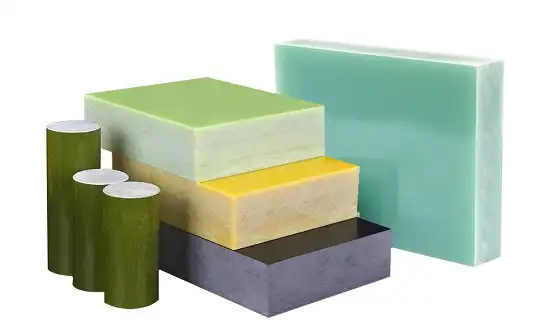
See what other materials you can use for a Phenolic Paper Sheet before you decide on the thickness. Phenolic cotton usually works better mechanically and when hit. Because it is made of woven glass fiber and epoxy resin, FR4 is stronger and can handle moisture better. But it costs more, and the tools break down faster. A paper-based laminate is still a good choice when FR4 would not work because of low voltage, or when it is dry or oily. Remember that "Bakelite" is a business term that doesn't mean a specific thing. We need to know the grade, the test values, the type of reinforcement, and the resin system. Pick the grade first, then the thickness.
Follow a Practical Decision Process
Work Through the Steps in Order
A simple sequence can help you avoid both over-specification and failure too soon. Ask if the part supports, insulates, or separates heat, if it doesn't wear down easily, and if it replaces a part that's already there. Second, make a list of the voltage, mechanical load, temperature, moisture, service life, conditions for machining, and conditions for putting it together. Third, pick the grade based on the technical information it gives you from the supplier. Fourth, choose the thinnest layer that is safe and allows for flaws in the manufacturing process, normal wear and tear, installation stress, changes in temperature, and changes in load. Fifth, make sure samples are safe before giving the yes. I always ask questions in this order because it keeps the conversation on your drawing instead of a guess.
Use Scenario Guidance by Application
There are various parts that offer various rewards. The thinnest option that keeps its edges straight and fits right is best for washers, shims, and barriers. More rigid terminal boards and mounting plates need to be made. Holes need to be drilled more accurately, and fasteners need to be moved around. When you make transformer and motor parts, you need to think about grade, thermal aging, moisture, and having parts that don't change size. This list is often expanded for parts of cars and machines to include compressive strength, wear, oil resistance, and vibration. As supports, back-up boards for PCB drilling are the most important thing. It's not how stiff the board is, but how well it stays flat on the machine. Please tell me about your application, and I will help you choose the best one.
Validate With Samples and Documents
There are samples that show that a calculation is right. Before you agree to a production specification, you should test the parts' size, electrical performance, how they machine, how they react to heat and moisture, and how well they fit together. You should also ask for the inspection reports, datasheets, and details on the tolerances along with the samples. This is to make sure that repeat orders and safety-related parts are the same from one lot to the next. They should be inspected upon arrival, their sizes checked, and their batches checked. This protects your line. Make sure you get the UL or RoHS paperwork early on if your project needs it so that nothing stops review.
Control Cost, Avoid Mistakes, and Use a Final Checklist
Look at Total Delivered Cost and the RFQ
The price on the paper doesn't say everything. Full standard sheets often cost less per unit, and parts that are machined or cut to size can save time, money, and labor. What should be in a full RFQ? The grade, thickness, tolerance, dimensions, annual demand, processing details, performance goals, destination, Incoterms, packaging, and certification needs should all be included. We've worked with insulation sheets for more than 20 years at J&Q, so we can quickly find any details that are missing. Since we have our own shipping business, we can talk about making things and shipping them at the same time.
Avoid the Common Thickness Mistakes
It always makes the same four mistakes. People who buy phenolic or "Bakelite" sheets think that all of them are the same or choose the cheapest one. They also copy a thickness from another use and don't care about tolerance or flatness. Some of the effects are a bad fit during assembly, problems with electrical spacing, flaws in the machining, failures early on, rework, and a higher cost of ownership. To fix it, you need to check the real voltage, span, heat, humidity, load, and mounting method of each part. Do not forget to write down the grade, test values, reinforcement, and resin system from the supplier.
Run a Final Buyer Checklist
Before you place an order, make sure you know the grade, thickness, tolerance, electrical needs, mechanical loads, temperature, moisture, and ways to machine and put it together. Then, make sure you understand the business side: sheet or custom size, samples, minimum order quantity, lead time, tiered pricing, packaging, shipping terms, inspection reports, and the amount of work that can be done. It's easy to understand the rule. First, pick the grade. Next, decide on the minimum functional thickness. Finally, add the engineering and manufacturing margin. Test it to make sure it's right, and then check it again before you place an OEM or wholesale order.
Conclusion
There is no set number for how thick a Phenolic Paper Sheet should be. It's different for each job. The grade tells you what kind of electrical and mechanical performance you can use, so it's first. In electrical thickness, you need to meet the requirements for clearance, creepage, and dielectric. The span, load, fasteners, and machining all play a role in figuring out the thickness in mechanical design. Any temperature, wetness, or being outside can damage a paper-based laminate, no matter how thick it is. In harsher places, phenolic cotton or FR4 might be better. A full RFQ, sample testing, clear tolerances, and a step-by-step process make it less likely that something will not fit right, need to be fixed, or fail early. In real life, the minimum safe thickness is what happens, and tests and data back this up.
FAQ
Does a thicker Phenolic Paper Sheet always insulate better?
No, the performance of the insulation depends on the grade, the amount of resin, the amount of water, and the test conditions. We can see from your design standard how much space there should be for clearance and creepage. If the sheet is too thick and heavy, it might not fit.
Can I use a Phenolic Paper Sheet outdoors?
Most of the time, no. UV light breaks down the resin, and changes in humidity can make it separate. It works in oil and indoors.
What should I send for an accurate quotation?
Send the reason, grade, thickness and tolerance, size, voltage, temperature, load, processing needs, yearly quantity, and place where the stone will be used.
When is FR4 a better choice?
FR4 works better in harsh environments because it is stronger and doesn't soak up water. But it costs more, and the tools break down faster.
Request a Phenolic Paper Sheet Thickness Recommendation from J&Q
Please send your drawing, grade, thickness range, and annual volume to info@jhd-material.com so J&Q can get back to you. After that, our team will look at what you need for Phenolic Paper Sheet. We have been producing Phenolic Paper Sheets for more than 20 years, and we have been trading with other countries for more than 10 years. We have our own shipping company too, so we can handle everything, from sending out samples to making sure they get to the right place. You can visit blog.jhd-material.com to read more technical guides.
References
1. ANSI/NEMA LI 1 Industrial Laminated Thermosetting Products, 1998
2. IEC 60893-3-4 Insulating Materials – Industrial Rigid Laminated Sheets Based on Thermosetting Resins for Electrical Purposes – Specifications for Individual Materials: Phenolic Resin Sheets, 2003
3. IEC 60664-1 Insulation Coordination for Equipment Within Low-Voltage Supply Systems – Principles, Requirements and Tests, 2020
4. IEC 60085 Electrical Insulation – Thermal Evaluation and Designation, 2007
5. ASTM D149 Standard Test Method for Dielectric Breakdown Voltage and Dielectric Strength of Solid Electrical Insulating Materials, 2020
6. ASTM D790 Standard Test Methods for Flexural Properties of Unreinforced and Reinforced Plastics and Electrical Insulating Materials, 2017

Get a complete product list and quotation

J&Q New Composite Materials Company