What Should OEM Buyers Consider When Sourcing Phenolic Paper Laminate?
OEM buyers of Phenolic Paper Laminate should think about five things: what it will be used for, the written specification, the tested data, how well the supplier controls the process, and the total cost. First, check to see if the grade is right for your voltage, heat, humidity, and moving load. Once you know what grade you want to buy, don't just ask for a general price from a catalog. Next, check out how the supplier cuts, presses, cures, and checks each batch. Last, compare the price to the lead time, freight, and yield. This guide I wrote will help the engineering and procurement teams make that choice.

Start With the Application and Define Your Specifications
If you have a clear application and specification, you can avoid most problems when you are sourcing.
Is Phenolic Paper Laminate Suitable for Your OEM Product?
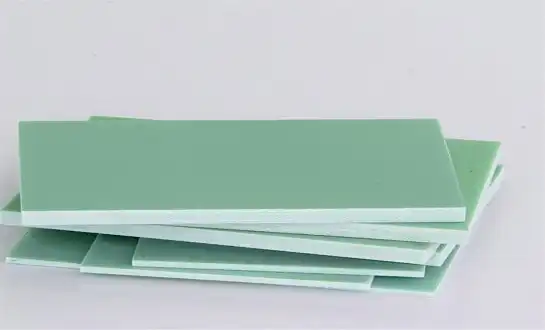
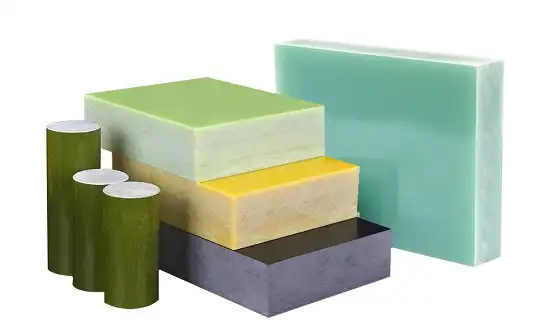
A rigid thermoset composite is called Phenolic Paper Laminate. Phenolic resin is mixed with layers of kraft paper, which are then heated and pressed together. A lot of people call it paper Bakelite. The dielectric is strong, stable in shape, easy to machine, and lasts a long time. These things are affected by the type of paper, the amount of resin used, the curing time, the density, and the surface finish. They are often found in electrical panels, spacers, bushings, electrical panels, transformer barriers, switchgear plates, and CNC-machined parts. At 50/60 Hz and a moderate mechanical load, it works well as insulation. This is especially true in places where glass-epoxy FR4 would be too hard to install and cost too much.
Which NEMA Grade Fits Your Operating Conditions?
To put it, there are NEMA grades X, XX, and XXX, as well as XP, XXP, and XXXP. Because XXX grades have more resin, they don't soak up as much water, which is good for damp places. For X, it takes in less than 1% water, and for X, it takes in about 2.5%. Standard grades need to be warmed up to between 40°C and 80°C before they can be punched. This keeps the holes from cracking. If you have a lot of work to do, P grades let you punch better whether it's hot or cold. Most standard grades have a UL 94 HB rating. If your design needs it to be able to put out fires on its own, ask for a fire-resistant paper phenolic.
What Belongs in a Clear RFQ Specification?
The grade, thickness, sheet size, tolerances, and surface condition are some of the most important parts of a good RFQ. It also says what kind of format you need, like full sheets, cut-to-size pieces, nested blanks, or machined parts. The cost, the amount of material made, and the lead time all change based on the choice. Enter the device's temperature, humidity, voltage, mechanical load, vibration, chemical exposure, and how long it is expected to last. You can compare real quotes instead of guesses when all the suppliers quote based on the same written spec. Also, I believe you should add drawings since they can show things like hole patterns, edge details, and flatness needs better than words alone.
Evaluate Performance Properties and Compare Alternative Materials
One catalog number isn't as good as data that has been checked.
Which Electrical and Thermal Values Should You Check?
Around 300 to 500 V/mil (12 to 20 kV/mm) is the dielectric strength across the laminations in oil. Find out how each number was obtained by asking about the thickness, temperature, humidity, conditioning time, and test method. It is covered by ASTM D149 to test for dielectric breakdown and ASTM D229 to test for rigid sheet insulation materials. Prime XXX and XXXP grades have low dielectric loss and high insulation resistance in damp places. For long-term use, most datasheets list temperature class E (120°C) or B (130°C). Find out what your exact grade is and make sure you understand whether it comes from lab samples or finished parts.
How Do Mechanical, Moisture, and Chemical Properties Matter?
There is a range of 1.30 to 1.45 g/cm³ throughout the year for Phenolic Paper Laminate. There are many good sheets that can be bent over 100 MPa and still stay flat. It is impossible for mineral oils, chlorinated hydrocarbons, or weak acids to damage phenolic resin once it has fully hardened. This means that the laminate doesn't move around in the oil. People who are buying a house don't usually think about how wet it is. If you store sheets flat on full-support pallets at a temperature of 20°C and a relative humidity of less than 50%, the sheets may bow because they soak up water in different ways. You should look for ASTM D709, IEC 60893, NEMA LI-1, UL data, and RoHS or REACH declarations to get the right paperwork for your market.
How Does It Compare With Phenolic Cotton, FR4, and Epoxy?
Paper grades don't soak up as much water and don't conduct electricity as poorly as phenolic cotton, but they aren't as strong when hit. They are easier to work with and cost less than FR4. This means that the tools will last longer. FR4 and 3240 epoxy boards are still better at handling high frequencies, being strong, and not breaking when hit. FR4 also has a flame rating of V-0. Paper phenolic is the best choice when 50/60 Hz insulation is enough because it costs less. For gears and parts that will wear out quickly, choose cotton. It's possible for engineers and buyers to agree on something by using a simple selection matrix that has scores for things like cost, heat, movement, and tool wear.
Qualify the Supplier and Compare Price, Lead Time, and Total Cost
The right supplier is just as important as the right grade.
Does the Supplier Control the Manufacturing Process?
As the supplier, you should ask if they will prepare the paper, add the resin, press, cure, cut, finish, and inspect the product one last time. Finally, look at the rules for grades, inspections, batch certificates, traceability records, datasheets, and change control to find out what your exact grade is. Most of the time, manufacturers let you change things and have more say over the process. They let you see what they have in stock and make quick, small orders. Trading companies can help put together shipments of different types, but their technical support may be different. Since J&Q has been making and selling insulating sheets for over 20 years, our staff can answer questions about grades and processing without having to ask someone else.
What Support Should an Export Supplier Offer?
Export programs need more than just good sheets to work. Find out if they have exported before, if they have good packaging, if they have the right paperwork, if they can keep up a steady production rate, and if they can help you with drawings or machined parts. For many years, J&Q has worked with both American and Canadian trading companies. They have been trading with other countries for more than 10 years. Plus, we have our own shipping company, so we can handle everything for you, from making the item to sending it out. Sheets of clear paperwork and packing tips that take moisture into account arrive flat and ready to be checked when they get there.
How Do You Compare Price, Lead Time, and Total Procurement Cost?
It's not always true that the cheapest quote means the lowest price. Prices vary based on grade, thickness, sheet size, tolerances, testing, cutting, machining, packaging, and the number of items ordered. Add up the material yield, the scrap, the parts that were rejected, the tools, the freight, the insurance, the duties, and the rework. In addition to the MOQ, the decision is also based on the availability of stock, the production lead time, the need for samples, and the sharing of forecasts. Early on, agree on how to pay, Incoterms, the packaging, an inspection before the goods are sent, and what to do if the goods are damaged or don't meet your needs. After the order has been placed, these steps keep things from going badly.
Use a Structured Validation Process and Avoid Common Sourcing Mistakes
Lots of things are less risky before they are validated.
What Should Your RFQ and Sample Plan Include?
You should describe the requirements, performance goals, sizes, annual volume, standards, packaging needs, destination, and how you think the approval process will work in your RFQ. Have samples of the real grade and thickness sent to you. Once you're done, test the things that matter for your product, such as its surface condition, flatness, thickness variation, dielectric performance, thermal aging, moisture behavior, mechanical loading, chemical exposure, and how well it was machined. Reading a brochure isn't nearly as helpful as testing samples from the real production process. Also, it gives your quality team a place to start for the next batches.
How Do You Approve the First Article and Control Batches?
First-article approval for a Phenolic Paper Laminate checks the fit, electrical clearances, burr control, labeling, and packaging of an item before it is mass-produced. Turn on the controls and then leave them on after getting permission. Checking the incoming goods, keeping records on each batch, regularly checking up on suppliers, and keeping reference samples sealed are all steps that can be helpful. A reference sample makes it easy to see if a new lot is the same as one that has already been approved. A lot of teams also plan for a backup source in case the first one's quality or capacity changes. Even after months have passed, engineering, quality, and procurement can still see the same facts if they are written down.
Which Sourcing Mistakes Cost OEMs the Most?
People often make mistakes, like choosing based on the color black or the price per unit, using catalog values that aren't specific to their situation, not taking humidity and temperature into account, and believing that part quality is the same as sheet quality. The way something is made, tested, and how thick the paper is, as well as the type of resin used, can change how well it works. Check the exact grade, look at the machined edges and surfaces, and make sure that the sizes don't change after they've been worked on. Also, think about how you'll keep things going for a long time. Ask for written change control, consistency in repeat orders, capacity verification, emergency supply options, and a written process for replacing items that don't meet standards.
Match the Material to Your Industry and Finish With a Buyer Checklist
In different fields, the same properties are given different amounts of weight.
Which Priorities Fit Electrical, Power, and Appliance Programs?
People who make electronics need to be able to rely on the dielectric performance, accurate measurements, and a fair price of the parts they use. When builders make transformers and switchgear, they should think about how they handle heat and humidity, as well as electrical clearances, batch records, and being able to track the parts. They also like that the laminate stays stable even where there is oil. As for appliance brands, the most important things are cost, stable mass production, and fast delivery. This means that punching performance and consistent thickness are important. For big projects, pick suppliers whose production is stable, who can do work that is unique to you, and who can quickly answer technical questions.
When Do Machinery and Automotive Programs Need Another Material?
For machinery wear parts like gears and spacers, they need to be tough and have tight thickness tolerances. This is shown well by phenolic cotton. Auto parts suppliers that make heat-resistant fixtures, battery pack barriers, and insulation pads care about stable batches, precise machining, and customization. You should think about flame-retardant grades, FR4, or epoxy laminate if your design needs to be able to handle high temperatures or strict flame rules. Picking the right material from the start is cheaper than having to redo something after validation failed.
What Belongs on the Final Buyer Checklist?
The list should be used by all teams. Standards such as IEC, ASTM, UL, RoHS, and REACH are discussed, along with grade, thickness, temperature, dielectric performance, mechanical load, chemical exposure, tolerances, and loads. The part about suppliers talks about where the goods are made, how they are inspected for quality, how much they cost, how they can be customized, how they are packed, and what can be done to fix problems. The business section talks about comparing prices for the same specs, the lead time, logistics, payment terms, Incoterms, and first-article approval. It also talks about the minimum order quantity (MOQ). When needs are shared, it's less likely that orders that are sent over and over will be wrong.
Conclusion
It's easier to find Phenolic Paper Laminate if you know what you want to do with it. Its dielectric strength, how it reacts to water, and how easy it is to machine depend on its grade, resin content, and finish. This is why exact-grade test data is more important than a catalog value. If you need to insulate for 50/60 Hz, paper grades are better than phenolic cotton, FR4, and epoxy. But the choice hinges on price and how simple it is to work with. You should look at other materials if you need a stronger flame, more heat, or more weight. Manage the supplier's process, keep an eye on it, and have clear business terms. These things have a bigger impact on the total cost than just the unit price. A step-by-step process that lowers risk includes RFQs, samples, first-article approval, and batch records. When an order comes back, engineering, quality, and procurement all use the same checklist to make sure they all understand what needs to be done.
FAQ
Is Phenolic Paper Laminate suitable for electrical insulation?
In fact, FR4 is over-engineered when it comes to medium voltage and 50/60 Hz. First, make sure you have the correct grade and test information.
How does it differ from phenolic cotton laminate?
There are different kinds of paper that don't soak up water as easily and keep electricity from leaking better. Cotton grades are good for gears and wear parts because they can handle being hit hard.
Can I order custom sheets and machined parts?
Please send your plans, sizes, and volumes. We'll see what we can cut or machine to size.
How do I reduce import and quality risks?
Check the exact grade, sign off on samples and the first item, and make sure there is proof of the batch. Another thing you should do is agree in writing on Incoterms and the inspection before shipping.
Request a Phenolic Paper Laminate Specification and Quotation From J&Q
Please let J&Q know about the product you need, its grade, thickness, size, annual volume, and where you'd like it delivered, and we will look it over. As a Phenolic Paper Laminate supplier, we give you sheets, blanks that can be cut to size, and samples. For more than 20 years, we've been making insulation sheets, and we also run our own fleet of trucks. To get a quote, send an email to info@jhd-material.com or visit blog.jhd-material.com.
References
1. ANSI/NEMA LI 1, Industrial Laminated Thermosetting Products, 1998
2. IEC 60893-1, Insulating Materials – Industrial Rigid Laminated Sheets Based on Thermosetting Resins for Electrical Purposes, Part 1: Definitions, Designations and General Requirements, 2004
3. ASTM D709, Standard Specification for Laminated Thermosetting Materials, 2017
4. ASTM D229, Standard Test Methods for Rigid Sheet and Plate Materials Used for Electrical Insulation, 2019
5. ASTM D149, Standard Test Method for Dielectric Breakdown Voltage and Dielectric Strength of Solid Electrical Insulating Materials at Commercial Power Frequencies, 2020
6. UL 94, Standard for Tests for Flammability of Plastic Materials for Parts in Devices and Appliances, 2013

Get a complete product list and quotation
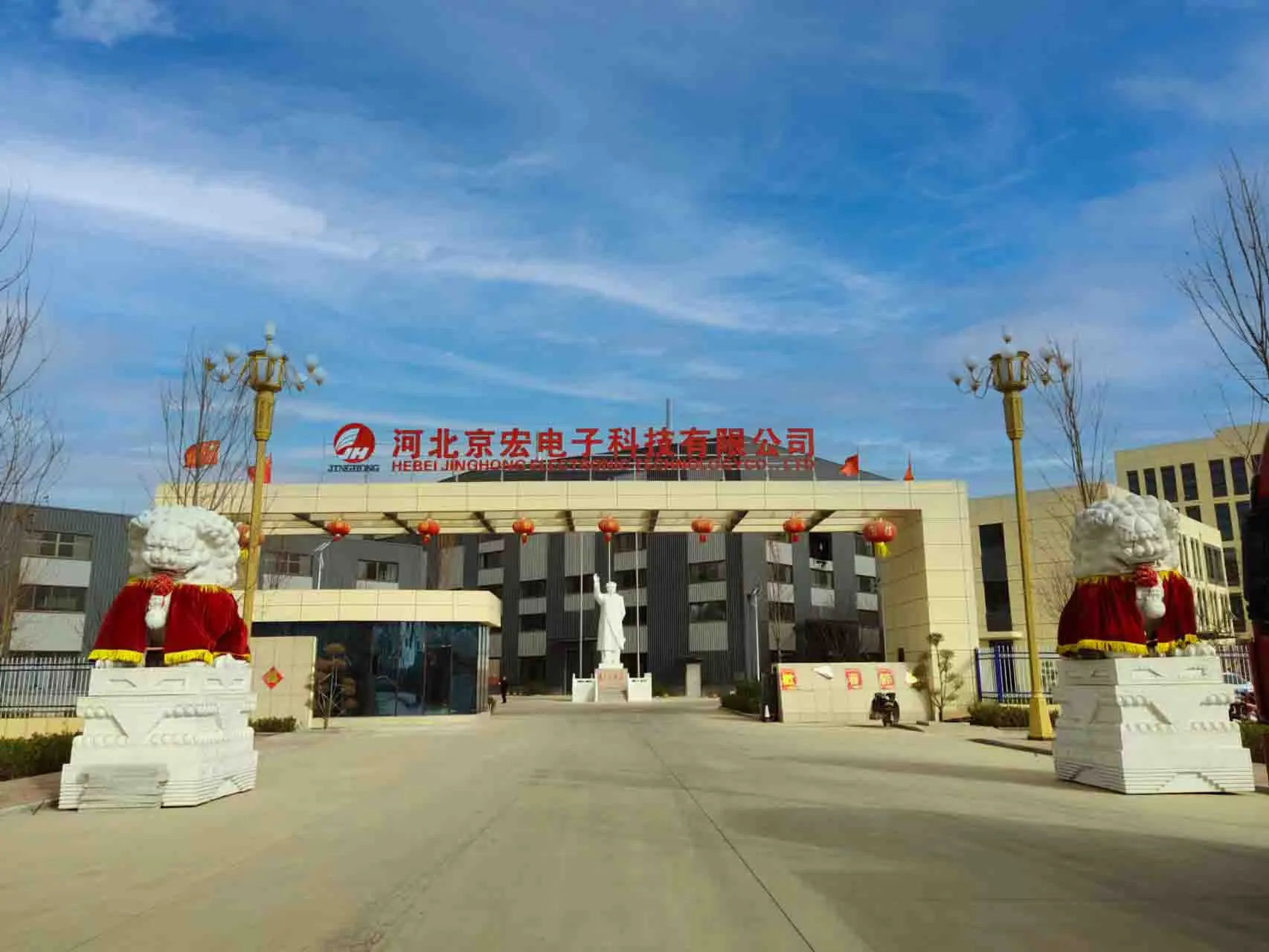
J&Q New Composite Materials Company