How to Source 3240 Epoxy Resin Sheets for Battery Pack Manufacturers?
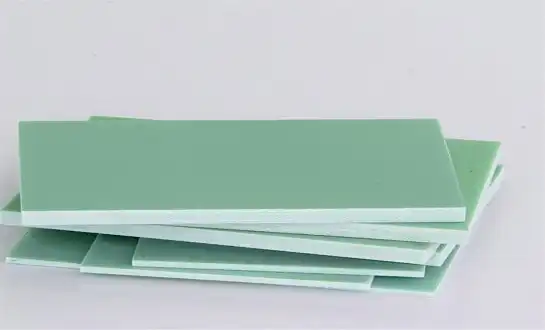
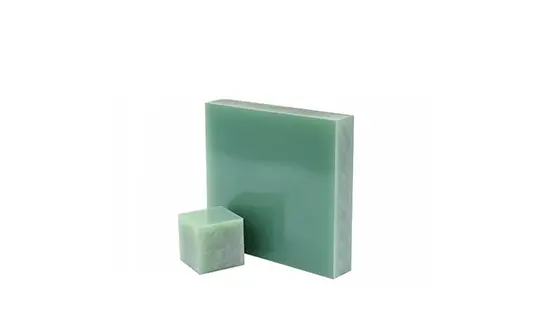
To find Lithium Battery Pack 3240 Epoxy Resin, you need to make a list of clear requirements, make sure the manufacturer meets those requirements, get a full quote, and put test samples together in your own way. It's not a liquid potting compound because it's a rigid laminate made of E-glass fabric and epoxy/phenolic resin. A lot of the things that battery teams use it for are end plates, spacers, busbar insulation, and cell barriers. When it comes to how well a program works, test data, paper control, documents, and supply capacity are more important than price. Simple steps are shown in this guide, which also tells people in the U.S. what J&Q has to offer.

Define Requirements and Evaluate Lithium Battery Pack 3240 Epoxy Resin Performance
Write the Specification First
Before you talk to any suppliers, write down the materials that your battery design needs. The part should be named something like "bracket," "spacer," "cell barrier," or "busbar insulator." Then write down the part's thickness, size, tolerances, and how it was machined. Write down the working conditions, like the voltage level, the temperature, the vibrations, the moisture, and any contact with the coolant, oil, cleaning agents, or electrolyte. As long as you are clear about what you want, you can compare quotes from different sellers since they are all charging the same amount. It also helps the tech team give the right grade quickly. The sheet keeps the cells and electrodes from shorting out when there are a lot of them.
Match Electrical and Thermal Targets
The main job of a battery barrier is to stop electricity from passing through, so start with your electrical goals. You should ask for the breakdown voltage, the insulation resistance, the dielectric strength, and the test conditions that go with each number. When you use 90°C transformer oil, the result is different from when you use dry air. This is why the method is important. We used the GB/T 1303 method to find out that the insulation has a resistance of 4.1×10^13 Ω and a vertical breakdown voltage of 15.5 kV/mm in our Grade A report. Compare any number you get to your pack's voltage and temperature range. Get the report for the batch you want to buy from each seller.
Review Mechanical and Chemical Behavior
Because battery packs shake, swell, and get hot, the laminate has to stay put. Based on the Grade A report, the piece can bend 484 MPa in the A direction, be squished 401 MPa, and be pulled apart 368 MPa. Those numbers are important for end plates and brackets that hold weight. Chemical resistance is also important because electrolytes can damage things that aren't strong enough. In the information about our product, we also say that it shrinks very little (less than 2%) after it cures. Parts will stay the same size with this. Find out how the material will bend, react to impact, and soak up water at the exact thickness you need. A laminate's performance changes based on how thick it is and how much resin it has in it.
Compare 3240 Epoxy Sheets with Other Battery Insulation Materials
3240 Sheets Versus FR4 and G10
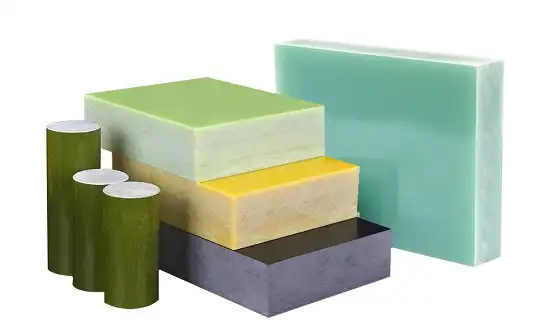
FR4 and G10 are two more types of glass-cloth epoxy laminates. JingHong makes both of them. They can be used in projects that need stronger flame or electrical resistance. The 3240 sheet is a good choice for structural battery parts because it is rigid, insulating, cheap, and easy to machine. We need to pay close attention to how flames act. On our report cards, you can pick between A and B. How things turn out will depend on which grade you pick. Before you rate the flame, you should look at the exact test setup and thickness that were used. The reason for this is that groups can be different for different-sized sheets. There is no need to choose the most well-known laminate. Instead, choose the one that meets your safety needs and costs the least.
Films, Mica, and Ceramics
There are places where a Lithium Battery Pack 3240 Epoxy Resin rigid plate can't fit, but thin films that can be bent can. High temperatures are no problem for mica and ceramic parts, but they shouldn't be able to handle them. The part must be stiff to keep its shape, hold weight, or accept screws and holes that have been drilled in it. A lot of parts put things together. A 3240 plate can hold up the busbars or cover the end of the module, and a film can go over the cells. Write down the highest temperature, thickest layer, and mounting method for each spot. After that, don't use the same product everywhere; instead, choose the right material for the job.
Sheets Versus Liquid Potting Compounds
The things that 3240 sheets and liquid epoxy potting compounds can be used for are different. While it's hard, potting compound fills in gaps and protects parts. Once the laminate sheet is hard and flat, you can cut or drill it into walls, spacers, and supports. In some cases, people who search for "epoxy resin" get liquids instead. Make sure you check the form before you send in your order. Tell them what kind of "rigid glass-cloth laminate sheet" you want and how thick it is in your RFQ. You can buy sheets from JingHong that are between 0.5 mm and 100 mm thick, so you can get both thin barriers and thick building plates there.
Qualify the 3240 Epoxy Resin Sheet Manufacturer Before You Buy
Know Who Makes the Laminate
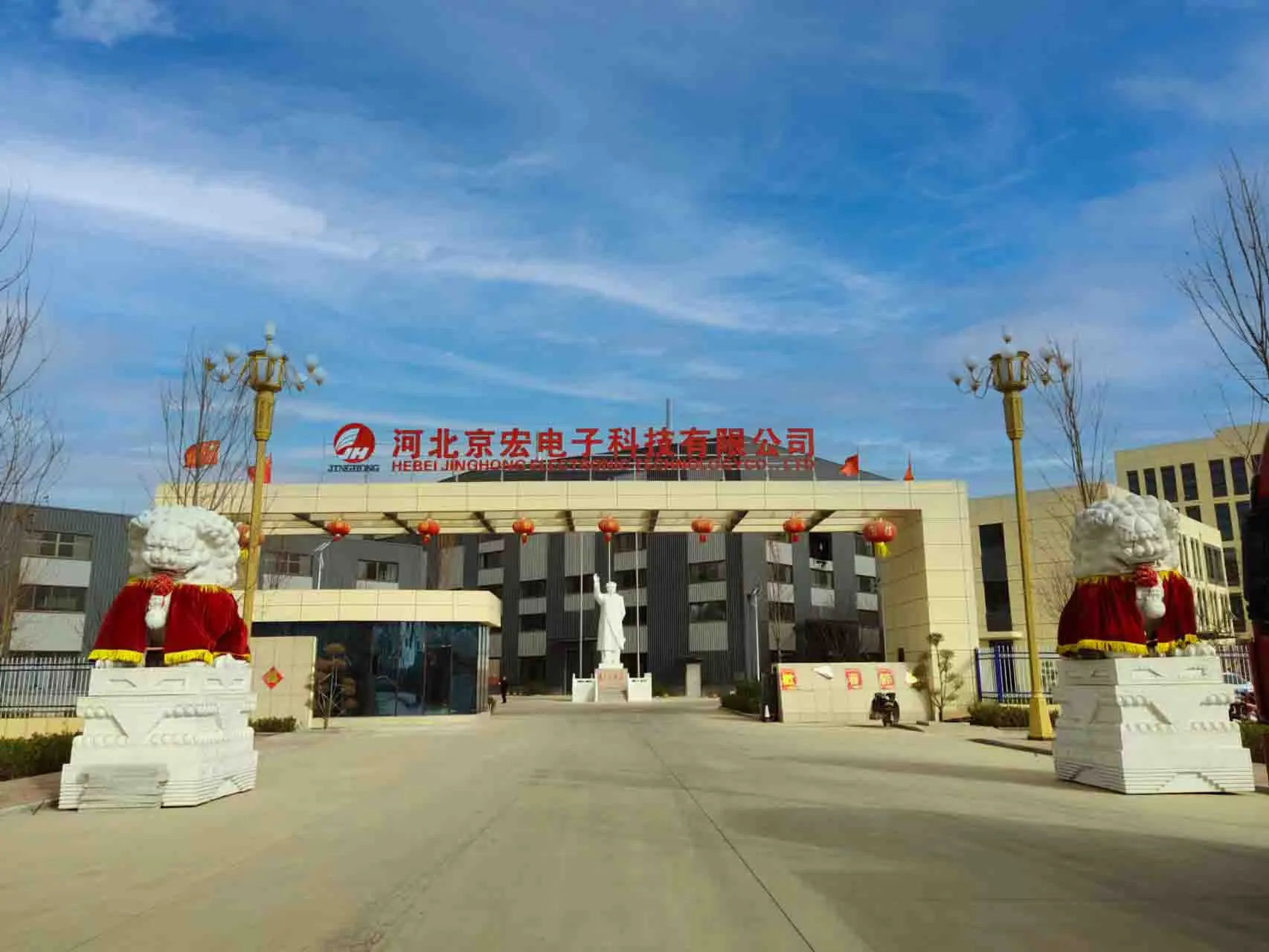
As you talk to someone, make sure you know if they are the original maker, a converter, or a distributor. The company that makes the product has full control over the resin, the glass fabric, pressing, and curing, so it can use real-world data to answer technical questions. A converter is someone who sells stock and cuts sheets that were made somewhere else. Some tasks can be done by each model, but the one you pick will affect the cost, the level of customization, and your ability to keep getting supplies. It took 191 million RMB to build the 36,300 m² land that JingHong is on. It opened for business in 2018. In October 2022, it began making things in its new factory. The two plants can now make 43,000 tons of things a year in a workshop that is fully automated.
Check Documents and Certifications
Find out how to keep track of each batch by asking for test reports, inspection records, datasheets, and test reports. Do not forget to check the quality system as well. JingHong has three different kinds of certificates: ISO 9001, ISO 14001, and ISO 45001. These include management of quality, the environment, and workers' health at work. Tell the supplier right away that your U.S. program needs a RoHS declaration or some other proof that it is compliant, and get their answer in writing. Check out what's in each one by reading it. The grade, thickness, test method, and date written on the item you buy should match what it says on the label. Before you place an order, you should think twice if a document is missing or not clear.
Confirm Customization and Long-Term Capacity
For prototype programs, you need quick samples and input from engineers. When making a lot of something, the quality has to stay the same, and the delivery has to be dependable. Find out who the supplier is and if they can cut and drill sheets to the sizes you need. The standard JingHong sheet size is 1020 mm × 2020 mm, and it is yellow. For more than 20 years, our business has made and sold insulation sheets. For more than 10 years, we have also done business with other countries. If you are on a tight schedule, it's helpful to know that orders you place directly with us get made first. A simple scorecard is used to keep things fair. It has four parts: quality, capacity, response time, and delivery.
Request Quotes, Compare Costs, and Validate Samples
Build a Complete RFQ
A good RFQ for a Lithium Battery Pack 3240 Epoxy Resin includes the grade of the material, its thickness, any tolerances, its size, its electrical and thermal needs, its quantity, its forecast, its packaging, its paperwork, where it's going, and when it's due to arrive. Here is where you can add a drawing for a cut part. What you say makes the first quote more likely to be close to the real price. For JingHong sheets, the smallest order size is 500 kg. They are usually packed on pallets to keep them safe, and you can pay by T/T. You can ship by land, sea, or air, and our logistics company will handle it. Need all of your suppliers to quote on the same Incoterms? Tell them where you want the goods delivered or which port they use. The quotes will now line up.
Compare Total Cost, Not Unit Price
If the price of the sheet is low, some costs might not show up right away. It also includes the cost of cutting, tools, inspection, packaging, freight, insurance, duties, scrap, and a failure to meet quality standards. Then, look at lead times, monthly capacity, options for safety stock, and when to place another order. It's possible for a supplier with a slightly higher unit price to still have the lowest landed cost if it meets all the requirements and ships on time. When you bring something into the U.S., write down who is responsible for the export paperwork, shipping, insurance, and the import process. On a shared spreadsheet, both engineering and purchasing can see the numbers.
Test Samples Inside Your Assembly
Before approving a sample, the goods that are coming in should be inspected, and the lab should do checks and a test run in the real battery assembly. Check to see how thick, big, flat, well-made the edges are, and how the surface looks. Another thing to look for is cracks, holes, and separation. Then, compare the flame behavior, thermal cycling, dielectric strength, and insulation resistance to standards that everyone agrees on. For example, ASTM D149 has rules for cracking the dielectric, and UL 94 has rules for flame behavior. To make sure everything fits right, check the glues, sealants, cooling plates, connectors, cells, and adhesives. If you want to start production again, you should keep a golden sample that has been approved, write down the criteria for inspection, and agree on rules for tracking and packaging.
Avoid Common Sourcing Problems and Follow a Clear Workflow
Do Not Treat "3240" as a Complete Specification
The name 3240 doesn't refer to a single recipe, but to a group of epoxy glass-cloth laminates. The test method, the amount of resin used, the curing conditions, the structure of the glass, and the type of resin used all affect how well the glass works in real life. This is clear from what we've written. Grade A is 1.96 g/cm³ dense and can catch fire at V-0. Grade B can bend at temperatures above 140°C and has a V-1 value of 2.07 g/cm³. This means that two quotes for "3240 sheet" may have different quality as well as different prices. Put the report on your order along with the grade and the test standard.
Choose Thickness and Handle Storage Carefully
Don't pick a thickness based on how much it costs. There is a greater chance that holes will form in the sheet if it is too thin. When it's too thick, it can be hard to put together and cost more. The thickness should be compared to the voltage, the clamping load, and the available space by your engineers. You also need to store things. Until they are used, keep the sheets flat on the pallets and keep them away from dust and water. The sheets that JingHong ships are carefully packed and put on pallets to protect them. This way, they get to your dock in good shape. When the pallets get there, look them over and take pictures of any damage before you sign.
Follow a Simple Procurement Workflow
First, write down what it will be used for, the voltage, the temperature, where the insulation is located, the mechanical load, and the rules that must be followed. Second, make a single specification and send it to your shortlist along with the RFQ. First, check out the first item and look at different samples, documents, prices, and lead times. Set the requirements, the standard for inspection, the packaging, the terms of delivery and payment, and the rules for controlling changes once they have been approved. Changes should be limited to formulation, plant, raw materials, and packaging. Important programs should also be protected by a second approved source. Start making things and check for quality, on-time delivery, correct documents, and mistakes every three months. Then, tell your supplier what you found.
Conclusion
The best way to find Lithium Battery Pack 3240 Epoxy Resin is to make choices based on facts one after the other. The goals for thickness, electrical force, heat, and chemicals are written down. The Grade A and Grade B reports show that the name 3240 doesn't change the amount of resin, the structure of the glass, or the flame rating. This is why test data that is broken down by grade is important. You can see where a rigid laminate fits in by putting the sheet next to FR4/G10, films, mica, ceramics, and potting compounds. When you check out a supplier, you should look at their cutting options, documents, quality certificates, and how they control the manufacturing process. Things that need to be thought about are the total landed cost, testing samples in the real assembly, change control, and safe storage so that results stay the same and the risk of insulation failure and supply interruptions is lowered.
FAQ
Is 3240 epoxy resin the same as a liquid potting compound?
You can cut and drill the rigid E-glass fabric laminate No. 3240 sheets into barriers, spacers, and supports. To fill in gaps and protect parts, liquid potting mixes are used. Look over the form that came with your RFQ.
What should I send with a quote request?
You should send information about the type of use, thickness, size, number, operating temperature, insulation goals, flame needs, drawings, where to deliver, and when. You can pay by T/T and need to order at least 500 kg of JingHong sheets.
Which documents should I ask for?
Ask for test reports, records of inspections, datasheets, and instructions on how to keep track of the item. ISO 9001, ISO 14001, and ISO 45001 standards have been met by JingHong. Do not wait to find out if your program needs RoHS or other forms of compliance. Get a written answer right away.
Send Your Lithium Battery Pack 3240 Epoxy Resin Inquiry to J&Q
Want to get Lithium Battery Pack 3240 Epoxy Resin from the company that makes it? To get the material you want, send an email from your app to info@jhd-material.com with its thickness, size, quantity, and delivery address. To offer a one-stop service, JingHong has its own logistics company that makes 43,000 tons of goods each year. The least amount that can be ordered is 500 kg. Go to blog.jhd-material.com to find out more. We'll come back to you with a clear plan.
References
1. IEC 60893-1, Insulating Materials – Industrial Rigid Laminated Sheets Based on Thermosetting Resins for Electrical Purposes, Part 1: Definitions, Designations and General Requirements (International Electrotechnical Commission, 2004)
2. UL 94, Tests for Flammability of Plastic Materials for Parts in Devices and Appliances (UL Standards, 2013)
3. ASTM D149, Standard Test Method for Dielectric Breakdown Voltage and Dielectric Strength of Solid Electrical Insulating Materials at Commercial Power Frequencies (ASTM International, 2020)
4. UL 9540A, Test Method for Evaluating Thermal Runaway Fire Propagation in Battery Energy Storage Systems (UL Standards, 2019)
5. GB/T 1303.2, Electrical Thermosetting Resin-Based Industrial Rigid Laminated Sheets, Part 2: Test Methods (Standardization Administration of China, 2009)
6. ISO 9001, Quality Management Systems – Requirements (International Organization for Standardization, 2015)

Get a complete product list and quotation
J&Q New Composite Materials Company