What Should Distributors Check When Buying Insulation Bakelite Sheets?
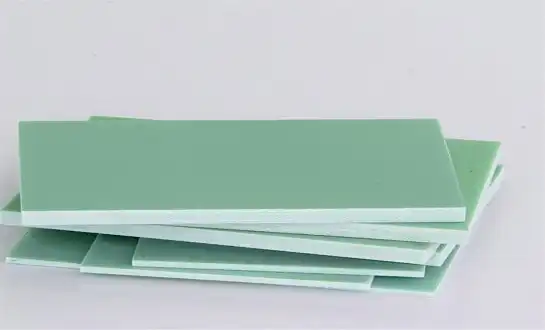
When distributors buy Insulation Bakelite Sheet, they should think about five things: how well it fits the job, the electrical and mechanical data, the size and tolerance needs, the quality system of the supplier, and how much it costs to deliver everything. When it comes to stress, heat, and water, paper and cotton cloth laminates respond in different ways. This is why the type of support is important. Next, check the test data to see the standards and the conditions. Get written proof of the thickness, flatness, and MOQ, and then ask for samples before you place a big order. That way, you can compare suppliers fairly and not have to pay a lot for returns. I'll explain each check below.

Match the Insulation Bakelite Sheet to the Intended Application
Define the Operating Conditions First
First, make a list of the operating conditions. What I want to do in the end is always where I start. A switchgear barrier, a motor bracket, and a CNC jig are all stressed in different ways. The voltage, the constant temperature, the humidity, the oil exposure, the vibration, the compression load, and the way the part was machined should all be written down. For people who make electronics and electrical components, the most important things are usually how well they insulate and how easy they are to machine. In the world of machine building, load and width limits are very important. People who work with power and energy look at how the spark moves and how stable the temperature is. Companies that make cars want stable batches, and companies that make appliances want stable tonnes of production. If you have customers from more than one of these groups, you should write down a different specification for each one so that your quotes are correct.
Paper or Cotton Cloth Reinforcement
There is reinforcement in Bakelite, which is a laminate made of phenolic resin. This changes how it works. Electricity safety in general, circuit boards, and large orders that need to stay cheap can all use paper sheets. X, XX, and XXX are the types of paper that ASTM D709 and NEMA LI 1 call for. Class X is more about how strong it is mechanically, Class XX is about how strong it is electrically, and Class XXX is the best at both keeping electricity out and keeping out moisture. For gears, spacers, and wear parts, cotton cloth laminates are often the best choice because they are stronger and can take being hit harder. Only use the word "bakelite" to know for sure what the building is made of. Ask the supplier to write down the grade of the resin and reinforcement on the quote.
Compare Alternatives Before You Commit
Most of the time, epoxy glass laminates cost more and are better at handling high temperatures and water. Phenolic sheets are often used for parts, jigs, and spacers that will be used inside or in oil because they save money, are easy to work with, and block out noise well. You shouldn't leave it outside for a long time because UV light can break down the phenolic resin, making it less good at keeping heat in. Compare what you can do with how things really work. The unit price should include the cost of cutting, trash, shipping, and the chance that you will need to buy a new one. Seeing that sum instead of just the sheet price is a better way to compare.
Check Core Insulation and Performance Specifications
Electrical Data and Test Conditions
It is important to know the test standard and the dielectric strength, insulation resistance, and breakdown voltage. One example is ASTM D149, which talks about the dielectric breakdown voltage and dielectric strength of materials that are solidly insulated. It varies on how thick it is, how much water is in it, and which way the test is going. Tests for oil and air, for instance, give you different numbers. A number that doesn't have any conditions can't be compared. The resistance to electrical flow is at least 1 × 10⁻⁴ Ω, and the dielectric strength is at least 20 kV/mm for our phenolic sheet that is reinforced with cotton cloth. Ask for a description of the type of paper you want to sell to make sure you have the right one.
Thermal, Moisture, and Flame Behavior
Short-term and long-term temperature exposure for an Insulation Bakelite Sheet should not be close to each other, especially near heaters, motors, and generators. Most paper-based phenolic sheets are rated close to Class E, which means they can last for a long time at 120°C. Our sheet is made of cotton cloth and can handle temperatures up to 150°C and very little water, just 2% or less. How much water is absorbed is important because water can change the size of the insulation and make it less resistant. To protect against tracking and flames, you should also ask about these things. It lists the different levels of flammability in UL 94, and when they need it, U.S. buyers often ask for UL paperwork. Find out what the papers are before you tell the customer you have them for their grade.
Mechanical Strength and Machinability
Clients in the auto and machinery industries need large numbers. With at least 100 MPa of force, you can pull on our cotton cloth-strengthened sheet. With at least 150 MPa of force, you can bend it. Also, look at how smooth, hard, and powerful the contact is. It's also important how the machine works. It is best to hot punch the sheet at 80°C to 100°C if it is more than 1.5 mm thick so that it doesn't chip or tear when punched cold. Because cutting and grinding produce phenol and formaldehyde, shops need to be able to get rid of the dust and let air flow. First, make a small test batch to see how the edges look, how many burrs show up, and how well the specs hold up.
Confirm Dimensions, Thickness, and Tolerances Before Ordering
Standard and Custom Sheet Sizes
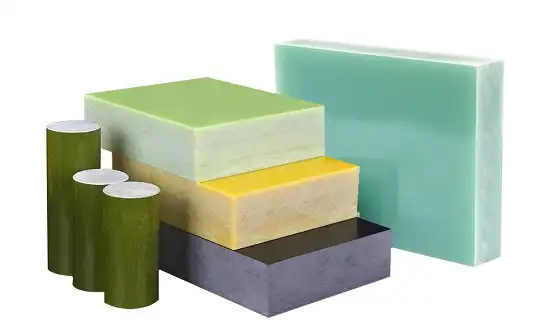
We have JingHong phenolic resin sheets that range in thickness from 2 mm to 100 mm. They come in two sizes: 1040 mm × 2080 mm or 1220 mm × 2440 mm, which are custom sizes. People will waste fewer off-cuts if you pick a size that works with how they cut. This is important for thick sheets. We have orange and black, which are their natural colours. You can choose based on what the customer wants because both colours are made to the same standard and handle electricity and light the same way. Black is often used to hide dust.
Thickness Tolerance and Flatness
The range for thickness is usually between ±0.1 mm and ±0.5 mm for most sizes. Warpage should stay below about 0.5% so that CNC machines and parts don't get stuck. For each width you stock, write down the margin and use the same unit system the whole time. Make rules about things like bubbles, scratches, cracks, delamination, and colour changes. The sheets come in at more than one corner, so check them all. People who make machines and appliances feel this the most, because uneven stock slows down assembly lines and changes how far apart the insulation is.
Cut-to-Size and Drawing Requirements
If your clients want cut parts, get the models early. Include where the holes are, the shapes, the limits, the amounts, and how to package the items. Talk to the seller to find out how to accept samples, how much tools cost, and how long you have to wait for special treatment. Give the picture and information about how it works to the seller so they can make sure the grade is right. Write down that you agree to the first sample. This will help you avoid problems in the future and give you a clear record for future sales.
4. Evaluate the Supplier's Manufacturing and Quality Capability
Manufacturer, Factory, or Trading Company?
Find out the real person who presses the sheets. A direct manufacturer watches over the mixing of resins, the curing process, and making sure that the thickness is always the same. They can also keep track of each batch. Around the world, the business has been going for more than 10 years, and J&Q has been making insulation sheets for more than 20 years. Every year, they can make 13,000 tonnes of them. We also work with trading companies in the US and other countries, and we run our own logistics company. This means that the same group of people make the products, ship them, and do the paperwork. Find out from each supplier how much they can press, if they do testing themselves, and if they can help you with repeat orders. Compare the results after that.
Certificates and Documentation
As for technical datasheets, material test certificates, batch inspection records, and approval certificates for an Insulation Bakelite Sheet, you should ask for them. You should ask for all of these things. There is an ISO 9001:2015 mark on J&Q, and all of our products follow RoHS rules. UL identification is used when it makes sense. People who want to buy in the U.S. should make sure they know which papers are the right grade because different organisations make different claims about compliance. On every certificate, make sure the right source is listed. For each shipment, keep the papers on file so that your clients can look them over.
Samples and Incoming Inspection
Before you place your first large order, ask for samples that are typical of the whole. Check the breakdown voltage that isn't going through the levels at the same time. Once the insulation has been buried in water for 24 hours, it should be checked again. This test checks to see if the resin impregnation has any holes. Look for flaws on the surface, such as bubbles, cracks, broken pieces, and dirt. There is an important reason to send a sample to a different lab. As soon as the lots arrive, set up an easy review to check their look, thickness, and shape. This way, you can quickly tell if the quality of each batch is changing.
5. Review Price, MOQ, Lead Time, Delivery, and Your Final Checklist
Quotation, MOQ, and Payment Terms
The grade, thickness, size, number, surface finish, handling fees, packing, payment terms, length of time good, and Incoterm should all be in writing. To compare prices, use a single unit, such as per sheet, per square metre, or per kilogram. We accept T/T as payment, and the minimum amount you can buy is 500 kg. Ask each seller about the lowest amount you can order of standard, special, and made items, as well as how much samples and tools cost. This makes a difference if a low price stays low after the order is placed.
Packaging, Shipping, and Lead Time
Time for samples, production, inspection, paperwork, and shipping should all be kept separate from the lead time. The sheets are packed normally, and pallets protect them. This keeps the edges from getting scratched or bent. Sheets will last longer if you keep them in a cool, dry place. Before you ship sheets, ask each company how they keep them from getting wet. We ship by plane, sea, or land, and our own transportation business delivers the goods. Before the goods leave the factory, make sure that both of you agree on the commercial invoice, packing list, and certificate of origin.
A Simple Sample-to-Bulk Checklist
Use the same list for all of your providers. Check the standards, dielectric strength, temperature range, reinforcement, glue grade, thickness, and shapes for the scientific study. For the business review, look at the written price, Incoterms, MOQ, manufacturing, wait time, payment, packing, and claims process. Check to see if the seller has the right amount of space, certificates, batch records, experience exporting, and expert help. First, give instructions, go over paperwork, test samples, agree on production standards, place a controlled trial order, and keep an eye on each batch. Then, move on to the bulk order. This way of rating companies will give you a clear record that you can use as proof.
Conclusion
You should know what you want to use the Insulation Bakelite Sheet for before you buy it. If the load is right, the temperature, the amount of moisture, and the type of reinforcement, a phenolic laminate made of paper or cotton cloth will work. There are times when alternatives to epoxy will make sense. Test standards and conditions should be given for electrical, thermal, and mechanical values. This is because measured data is more important than product names. It's important to get written approval for tolerances, thickness, and flatness, since even small changes can make it harder to machine and put together. The last step is to check the suppliers. This includes manufacturing control, ISO 9001 and compliance documents, samples, and checks when the goods arrive. When distributors compare quotes based on the same things, like MOQ, packaging, lead time, and landed cost, it's easier and less risky for them to pick a supplier.
FAQ
What is the difference between paper and cotton cloth phenolic sheets?
For general electrical insulation and orders that need to save money, paper-based sheets work well. You can make gears, spacers, and wear parts out of cotton cloth sheets because they are stronger. To get the right score, you should always look at the data sheet.
Can I use an Insulation Bakelite Sheet outdoors?
We don't think you should leave it outside for a long time. The phenolic glue can be broken down by UV light. This turns the surface carbonised and makes it less able to resist insulation. It works best inside and where there is oil.
How do I prevent delamination when punching?
When the sheet is cold or thick, it tears apart. You should heat the material to 80°C to 100°C if it is more than 1.5 mm thick before you punch it. This makes the edges smoother and the resin binder softer.
What are your MOQ and payment terms?
We accept T/T as payment, and the minimum amount you can buy is 500 kg. We can ship by sea, land, or air, and we'll keep each box safe while it's being moved.
Request an Insulation Bakelite Sheet Quote from J&Q
J&Q is an Insulation Bakelite Sheet manufacturer with over 20 years of production experience, ISO 9001:2015 certification, and an in-house logistics company for one-stop delivery. Send your application, thickness, size, and quantity to info@jhd-material.com, and our team will recommend a suitable grade, samples, and shipping options. Read more buying guides at blog.jhd-material.com.
References
1. ASTM D709 Standard Specification for Laminated Thermosetting Materials, 2017
2. ASTM D149 Standard Test Method for Dielectric Breakdown Voltage and Dielectric Strength of Solid Electrical Insulating Materials at Commercial Power Frequencies, 2020
3. NEMA LI 1 Industrial Laminated Thermosetting Products, 1998
4. UL 94 Standard for Tests for Flammability of Plastic Materials for Parts in Devices and Appliances, 2013
5. ISO 9001 Quality Management Systems – Requirements, 2015
6. Directive 2011/65/EU on the Restriction of the Use of Certain Hazardous Substances in Electrical and Electronic Equipment (RoHS), 2011

Get a complete product list and quotation
J&Q New Composite Materials Company