What Should Buyers Check When Sourcing Epgc308 Epoxy Sheet?
When someone wants to buy Epgc308 Epoxy Sheet, they should check six things: the exact grade and governing standard, the full technical data sheet, the electrical and thermal performance, the thickness and size tolerances, the supplier's quality controls, and the full order terms, which include the minimum order quantity, packing, and shipping. You can't tell much about how consistent the batch is or how long the insulation will last from the unit price. Even if the sheet looks good on paper, it could still fail inside a motor, a hot transformer, or a wall of switchgear if the test data don't match the duty. You should check certain things before giving the order the green light.
I've made and sold insulation sheets for more than 20 years as a supplier. I've worked in international business for over ten years too. A lot of the time, the same questions come up from US engineering managers, technical buyers, and OEM sourcing teams. They are given in the order that most buyers will need them.
Verify the Grade, Standard, and Technical Data
Confirm What the EPGC308 Designation Means
Around the world, IEC 60893-3-2 is the standard for rigid epoxy resin laminated sheets. In that standard, EPGC308 is a grade name. The material is made of woven glass fabric that is heated and pressed after being mixed with epoxy resin. That's 180 °C, which is what IEC 60085 calls "Class H." Different markets use names that sound the same, so make sure you ask each supplier what standard and edition they base their quote on. Don't think that a grade with a different name will work the same. Do not forget to write down the thermal class, the reinforcement, and the resin system from the supplier. Then, look at the drawing you gave them and see how those details match up. You can avoid making a mistake that costs a lot later if you write your answer clearly.
Request the Technical Data Sheet and Read the Test Conditions
Do not buy until you have seen the technical data sheet. Find out the density, size, tolerances, dielectric strength, flexural strength, water absorption, flammability, and test method that were used to get each number. How a test is done can change the results. At room temperature, a sheet's dielectric strength is not the same as its dielectric strength at 150 °C. It is also not the same in oil as it is in air. Also, make sure you know whether a number is normal, the bare minimum, or a promise. A mean value and a minimum value are given. The minimum value is the very least value that each batch needs to have. This grade usually has a glass transition temperature above 170 °C, a flexural strength of at least 340 MPa at room temperature, and a dielectric strength of at least 10 kV/mm in oil, measured perpendicular to the laminations. Ask your supplier to confirm that each number is correct for the batch you will receive.
Check Electrical Insulation Performance
Electricity is something that the sheet has to be good at in order to protect your design. Write down the test medium and temperature, and then start with the dielectric strength. For transformer parts, a test in oil at 90 °C works. For dry equipment, a test in air at room temperature works. Then look at the surface resistivity and volume resistivity again and ask how they change when heat or water is added. Track resistance is important when surfaces are under voltage in wet or dirty air. IEC 60112 tests the Comparative Tracking Index, which should go up to 600 V, but check the exact number. The last step is to compare the data to your voltage, the humidity, the expected service life, and the distances for creepage and clearance. Before you buy something for a project in the US, you should check to see which UL listing it has. Don't just assume that most people agree with it.
Evaluate Performance in Your Operating Conditions
Mechanical and Thermal Strength Under Heat
This information about the machine for an Epgc308 Epoxy Sheet should show real heat, not just room temperature. The most important test for this grade is a bend test at 150 °C. In the IEC 60893 method, samples are kept at 150 °C for an hour before being tested right away. This is what ISO 178 does. When the sheet is at room temperature, it should still have at least half of its flexural strength. This is important for gear supports, slot wedges, motor parts, and places where load and heat act together. Another thing you should do is compare your load case to data on interlaminar flow, compression, and impact. Keep the temperature for long-term use separate from the temperature for short-term use. The reason for this is that Class H talks about long-term endurance, not an allowed overload. If your part needs holes to be in tight spots or flat, find out how the dimensions change after machining and after being heated and cooled many times.
Chemical, Moisture, and Environmental Suitability
The sheet should be the right size for the liquids and air it will touch. When you get compatibility data, make sure it lists the concentration, temperature, and time of exposure. For example, transformer oil, hydraulic fluid, solvents, cleaning agents, and coolants will all affect resin in different ways. Also, watch out for water. ISO 62 measures how much water something soaks up when it is submerged in water. It's possible for the insulation to not work as well if there are holes or poor resin impregnation because of high absorption. It is more likely that this will happen in damp places, like switchgear rooms, outdoor enclosures, and motors that are close to coolant mist. As long as you look at the datasheet, you'll know for sure. A lot of high-end grades don't have any halogens in them. Do not wait until after delivery to make sure that the RoHS and REACH declarations are correct. Ask for them when the customer or the contract says to.
Compare With Other Insulation Materials
You won't do the same work just because you have the same name. Flame-resistant types of epoxy glass are often used in printed circuit boards and as light insulation. They can be used for many things. Many times, phenolic laminates are good for designs that need to save money and parts that need to be made at low temperatures. The Epgc308 grade is made to work well in hot conditions and can handle temperatures up to 180 °C. For example, it can be used in transformers, generators, and switchgear. Cost, thermal class, dielectric strength, flexural strength at temperature, moisture absorption, flame rating, and how easy it is to work with are some of the things you should look at. If the duty stays below its rating, people who buy cars and appliances may find that a lower-class material works just as well and costs less. When you put two checked, up-to-date datasheets next to each other, make sure they agree with any changes.
Match Thickness, Size, and Machining to Your Parts
Choose Thickness and Tolerance
Thickness isn't just a number. It's up to you to decide based on voltage class, insulation distance, mechanical load, installation space, and space for cutting. We have epoxy glass laminate sheets that are between 0.3 mm and 100 mm thick, so they can be used for both thin walls and thick building blocks. The tolerance class is another thing you should check out. IEC 60893-3-2 says that a 10 mm sheet should have a tolerance of ±0.50 mm. Most of the time, parts that need more precise control need to be surface-ground. Ask the supplier how they measure the tolerance and find out if it is plus or minus or one-sided. How flat or warped the panels are can also change how they fit, especially when they are stacked together. The people who come to check will be able to see if the work meets these standards.
Select Sheet Size and Color
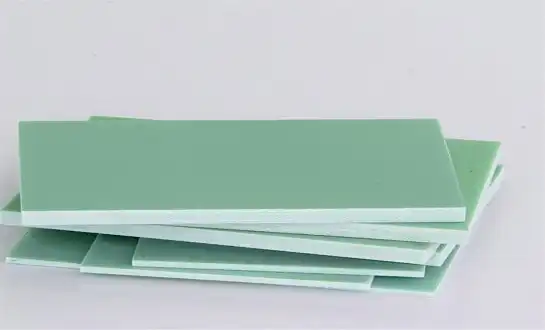
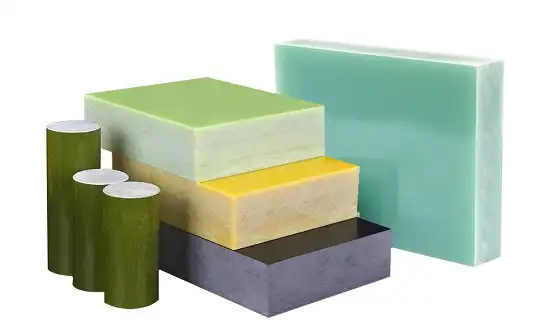
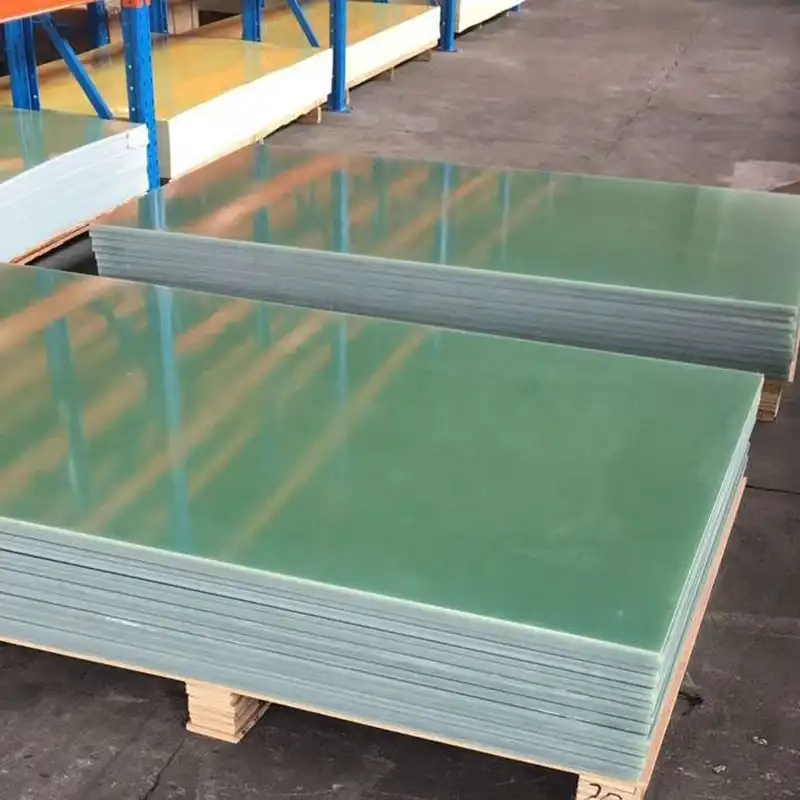
The yield and cost of an Epgc308 Epoxy Sheet are affected by the sheet format. For us, 1030 mm x 1230 mm is the best size. You can order it in sizes 1030 mm x 2030 mm, 1220 mm x 2440 mm, 1030 mm x 1030 mm, and 1030 mm x 2070 mm. We offer an OEM service that can change the sizes, colors, and other details. The color is naturally light green. Make sure the sheet size fits the layout of your part before you place your order. When you make a lot of things, like appliance frames, motor brackets, and insulation pads, you waste less sheet when you cut off less of it that doesn't match. What if this list doesn't have the size of parts you need? We'll talk about your drawing if you send it to us.
Plan for Machining and Samples
It's rough because it has glass fiber in it. For professional work, you need high-speed steel tools that get dull quickly and have solid carbide or diamond tips. The tools should also be good at collecting dust. For parts that have been drilled or slotted, ask suppliers about the quality of the edges, how they deal with burrs, and the chance of the parts coming apart. First, make a test batch on the CNC machine at work to make sure the holes are in the right place, and the edges are smooth. Your engineers can use samples to test fit, how things work when they're being machined, and how well they work electrically. Also, find out how the sheets will be shipped safely. Pallets keep the load safe when we normally pack. Writing down the drawing needs, tolerances, and inspection points on the order will make sure that every shipment matches the checked sample.
Audit the Supplier, Terms, and Buying Process
Review Manufacturing Controls and Documents
It's not just what a supplier says in their brochure that tells you about them. To find out how to control raw materials, get glass fabric, imbue resin, press, cure, control thickness, and keep track of each batch, talk to any Epgc308 manufacturer. Each batch at J&Q is checked for strength and insulation, and only the ones that pass are left to be used in electrical applications. It is made to stick to the rules that ISO, UL, and ASTM have set. Ask each supplier if they have the following: certificates, inspection records, batch test reports, and any RoHS or REACH declarations your project needs. Also, check how much can be made. We make 43,000 tons of goods every year, which helps us figure out what people will want to buy next. Lastly, ask the supplier how they deal with materials that don't meet standards and who can help you with technical questions.
Compare MOQ, Payment, Shipping, and Lead Time
A good quote tells you the total cost, not just the cost per sheet. The last number changes based on the depth, size, testing, packing, destination, and Incoterms. We can ship by sea, land, or air, and we accept T/T as payment. The minimum order quantity for us is 500 kg. We have our own logistics company, so we can take care of everything from production to delivery. Talk to each supplier about how they handle samples, how long it takes to make something from scratch vs. having it in stock, and whether you can order items in different sizes. Then, ask for a good schedule that includes shipping to your US plant or port, checking, sampling, making, and doing the paperwork. While they are being packed to go abroad, the sheets should be kept safe from water, impact, warping, and damage to the edges.
Follow a Clear Buying Process
I believe this is a fair way to compare suppliers.
- Write a technical brief first. List the application, voltage, continuous temperature, load, fluid exposure, thickness, sheet size, annual demand, delivery location, and required certificates. A complete brief lets every supplier quote the same product, so you compare the real differences in product and price instead of gaps in the request.
- Send matching RFQs and test samples. Give every supplier identical specifications, quantities, machining needs, packing details, and Incoterms. Compare the replies line by line, then test samples against the datasheet. Check dimensions, edge quality, and electrical or mechanical results for your use case before you approve any new source for production.
- Lock the specification and monitor repeat orders. Record the grade, standard, datasheet revision, tolerances, inspection criteria, packing, and change-notice rules in the purchase order. Check each repeat shipment for dimensions, test data, and paperwork, so quality stays consistent from the first order to the tenth, and any drift appears early.
A lot of people make mistakes like choosing based only on price, believing that grade names that sound alike mean the same thing, or waiting until after delivery to ask for certificates. These steps stop them.
Conclusion
People who want to find Epgc308 Epoxy Sheet should first look at the facts and then compare prices. The grade should be compared to IEC 60893-3-2, and the technical data sheet should describe how the tests were carried out, what the conditions were, and whether the values given are typical or guaranteed. To find out if a sheet can handle the heat and load of a certain part, you can check its flexural strength at 150 °C, as well as its dielectric strength and tracking index. How the material works in real life depends on how it is handled when it comes to chemicals, how much water it can soak up, its thinnest and largest sheets, and how it needs to be machined. When you place an order again, the quality and delivery will stay the same as long as the supplier controls the batch records, the MOQ, the packaging, the payment, and the shipping terms. With the help of a written brief, matching RFQs, and sample checks, buyers can pick a source that is fair.
FAQ
What documents should I request before buying?
Get the technical data sheet, certificates, batch test reports, and any RoHS or REACH declarations you need for your project. Discover the steps used to test each value and the conditions that were met.
Can the sheet be machined easily?
Yes, but glass fiber quickly wears down steel tools. First, use solid carbide or diamond-tipped tools to clean a test batch.
What are your MOQ, payment, and shipping terms?
The minimum amount you can order is 500 kg. We can ship by sea, land, or air, and we accept T/T as payment.
How should I store the sheets?
Keep them flat in a room that is close to 20 °C, dry, and not exposed to UV light. The humidity should be less than 50%. They still work the same way, but the surface may start to rust over time.
Request an Epgc308 Epoxy Sheet Quote From J&Q
If you email info@jhd-material.com with your drawings, thickness, sheet size, quantity, use, and where the sheets are going, J&Q will look at what you need for Epgc308 Epoxy Sheet. We deal in Epgc308 Epoxy Sheet and have been making insulating sheets for more than 20 years. We have also been trading with other countries for over 10 years and have our own logistics company. From making it to delivering it, we can handle it all. Go to blog.jhd-material.com to find out more.
References
1. IEC 60085: Electrical Insulation – Thermal Evaluation and Designation, 2007
2. IEC 60243-1: Electric Strength of Insulating Materials – Test Methods – Part 1: Tests at Power Frequencies, 2013
3. IEC 60112: Method for the Determination of the Proof and the Comparative Tracking Indices of Solid Insulating Materials, 2020
4. ISO 178: Plastics – Determination of Flexural Properties, 2019
5. ISO 62: Plastics – Determination of Water Absorption, 2008
6. NEMA LI 1: Industrial Laminated Thermosetting Products, 1998

Get a complete product list and quotation

J&Q New Composite Materials Company