How Does Insulation Bakelite Sheet Support Industrial Electrical Safety?
Electrical parts are safer at work when they are kept away from each other and in place with an Insulation Bakelite Sheet. It is made of phenolic resin, which keeps electricity from getting through. This stops unwanted electricity from moving between the metal frames, busbars, coils, and terminals. It doesn't melt in hot weather because it is a thermosetting laminate. It keeps its shape instead. They can also use it to make rigid boards that they can cut, drill, and connect to make mounting plates, barriers, and spacers. Engineers can use it to make an insulation layer inside switchgear, transformers, motors, and control panels that is stable and useful. But it doesn't take the place of proper testing, grounding, or clearance.
For more than 20 years, J&Q has made insulation sheets and sent them to other countries. We now know a lot more about how to choose, buy, and check phenolic laminates in the US for industrial and electrical projects.
How Insulation Bakelite Sheet Protects Electrical Equipment?
Separating Conductors and Holding Parts Steady
Electricity can go out if two conductors are too close to each other or rub against each other. There is a phenolic laminate board between them that blocks electricity well. It was cut into internal barriers, phase separators, terminal supports, and coil spacers so that it could be used in motors, transformers, switchgear, sheets, and panels. Since the load is on the same board, there is less vibration and wear that could damage the wire insulation. In the early 1900s, Leo Baekeland came up with bakelite. Phenolic laminates are still used a lot in electronics because they are rigid and insulating all in one piece. This two-in-one feature can help cut down on the number of parts that are needed to put something together.
Creepage, Clearance, Moisture, and Contamination
If there is enough space around a sheet, it will keep things safe. There is talk about clearance and creepage in IEC 60664-1. Clue: The smallest space between two conductive parts is called clearance. Creepage: The smallest path along an insulating surface is called creepage. That surface can get a film of electricity from dirt, oil, and water, which makes the safe path less clear. Because phenolic laminates can soak up some water, areas that get wet often need a grade that has been shown to soak up water and an enclosure that is dry and clean. Keep creepage in mind as you pick the thickness and edge finish. This is due to the fact that rough edges and cutouts weaken the design. Check the numbers in the whole thing, never just the numbers on the raw sheet.
Heat Limits and What the Board Does Not Do
A metal heat sink gets rid of heat, but bakelite just keeps things warm and stable. An engineer should check both the steady temperature and short bursts of heat that could be caused by parts nearby or too much load. For this reason, phenolic resin doesn't melt when it gets hot. This helps it keep its shape around coils and wires that are still warm. It doesn't matter how good the grade is; it can still get worse or darker. When it comes to electrical safety at work, NFPA 70E sees insulation as an extra layer of defense on top of lockout procedures and safety gear. There is less danger with a sheet, but it works best as part of a bigger safety plan.
Key Insulation Bakelite Sheet Properties to Review
Dielectric Strength and Insulation Resistance
Its dielectric strength tells you how much voltage it can withstand before it breaks. Insulation resistance shows how well the board keeps electricity from moving through it. The results depend on the grade, thickness, water content, and test medium used. If you test a sample in oil, it won't give you the same result as if you test it dry in air. Find out more than just a catalog number. Ask each seller for a test report on the grade and thickness you want to buy. Volume and surface resistivity are also important, since dirty panels often track because of surface leakage. Our tech team can talk to your engineers about test data so that you can see how the real numbers stack up.
Mechanical, Thermal, and Moisture Performance
Inside switchgear, an Insulation Bakelite Sheet must hold screws in place and not break. Knowing how the sheet bends, squeezes, is hard, and stays the same size tells you how it works when it's loaded. This is where reinforcement is key. To keep things warm, paper-based laminates work well, but cotton-cloth grades are better for heavy-duty mechanical jobs like wear parts and spacers. This means that when they get hot, phenolic laminates keep their shape better than thermoplastics. If the site is oily or damp, check to see if it can soak up water and chemicals. Epoxy board is used by engineers for electrical parts that will be submerged in oil because it doesn't react with mineral oil or solvents.
Standards, Flame Behavior, and Documentation
All buyers can talk to each other in the same way. In the US, steel comes in three grades: X, XX, and XXX. When it comes to international trade, IEC 60893 covers rigid laminated industrial sheets. When it comes to strength, Grade X is for mechanical strength, Grade XX is for moderate electrical strength, and Grade XXX is for the best electrical insulation and resistance to humidity. To show how a flame works, you need proof, like a UL rating on a test report. An HB rating is given to most phenolic paper laminates. ISO 9001:2015 is the name of J&Q's quality management system, and the company sells RoHS-compliant goods. Kindly let us know if UL sees your grade.
Applications and Material Selection
Switchgear, Panels, and Transformers
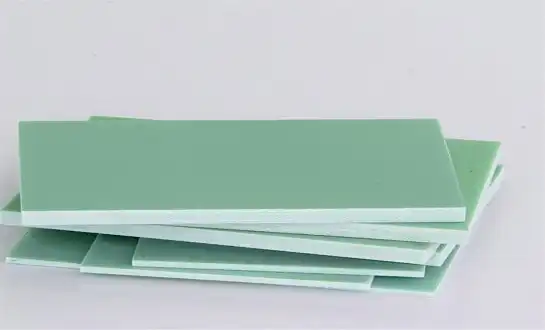
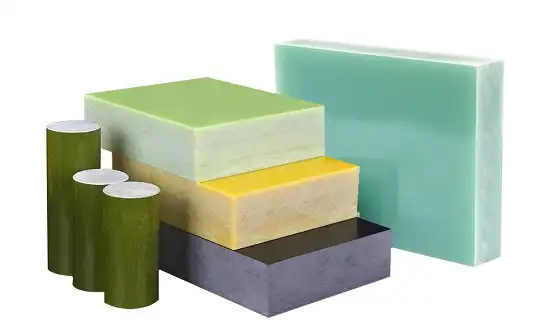
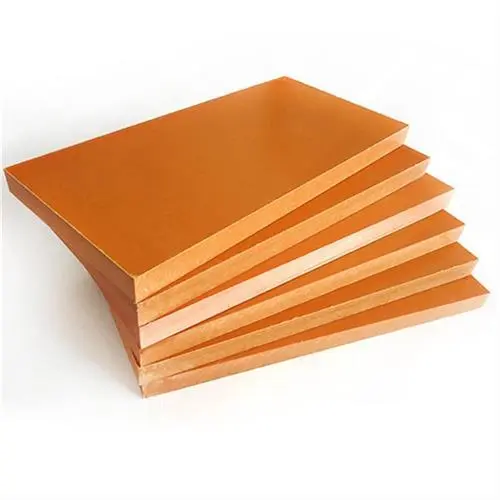
Some people who buy electricity and power use Insulation Bakelite Sheet as phase barriers, busbar supports, coil end plates, and spacers. When oil is put into transformers, the board doesn't react with the mineral oil, and it keeps its dielectric properties even when it gets hot. In dry switchgear, it keeps the phases apart and the terminals in place, rather than letting them move around. Parts must have clean edges so they don't move around as much. When corners are chipped, creepage paths get shorter. We have JingHong phenolic sheets in black and orange. The color is a pigment, and if they are both made the same way, they will work the same. Pick the color that will be easiest for your team to check.
Motors, Machinery, Automotive, and Appliances
Motor builders use phenolic board to make end plates, brackets, and slot parts. It's used by machine builders to make wear parts, spacers, and guides for places with moderate loads and tight thickness needs. It is used in the auto industry to make insulation pads and heat-resistant parts. In the appliance industry, it is used to make insulation frames, motor brackets, and thermal separators. In electronics plants, PCB drilling also uses anti-static test jigs, entry and backup boards, and other tools. The drill bits are safe on these boards because they have a flat surface. The grade you choose should match the main load, which could be mechanical, electrical, or both. This is because different uses put different amounts of stress on the sheet.
Choosing Grade, Thickness, and Sheet Size
You should first figure out what the needs are for voltage, temperature, humidity, safety from contamination, and fire. Pick the grade next. Safety isn't just about how thick something is. It can be used with information about space, creepage, and dielectric strength. Sheets from JingHong can be anywhere from 2 mm to 100 mm thick. Another size that can be made is 1220 mm by 2440 mm. For most things, the size is 1040 mm by 2080 mm. For heavy spacers and machined blocks, thick plates work best. For insulation frames and barriers, thin sheets work best. Laminates made of epoxy glass, like FR4, can handle higher temperatures and less water, but they usually cost more. Phenolic board is a good mix of insulation, rigidity, ease of machining, and cost for use indoors and in oil.
Buying Guide and Supplier Evaluation
Compare Quotations on the Same Basis
Quotes rarely match unless they agree on the grade, reinforcement, thickness, size, quantity, machining, and certificates. You need to add up the costs of shipping, customs, and packaging to get the real landed cost. At J&Q, we ship by sea, land, or air, and we accept T/T as payment. It takes at least 500 kg to place an order. We always put sheets on pallets to keep them safe while they're being shipped. Shipping is taken care of by our own logistics company, so the same team works on both production and delivery. Buyers in the U.S. can now better plan for lead times. We can talk to recurring programs about ordering based on forecasts. Send drawings of the parts you want that have their sizes and tolerances written on them.
What to Check in a Manufacturer?
The manufacturer of an Insulation Bakelite Sheet needs to be skilled enough to mix the resin, laminate it, press it, let it cure, cut it, and machine it. For more than 20 years, J&Q has made and sold goods in other countries. For more than 10 years, we have done business with other countries. We can handle 13,000 tons per year. We are ISO 9001:2015 certified, and all of the products we sell are RoHS authorized. As each supplier, find out how they keep an eye on thickness, flatness, and batch consistency. Find out how samples are approved and what the rules are for making changes to OEM parts. Check to see how responsive they are, too. A good partner will answer any technical questions you have before you place an order. We sell to big markets like the US and others, so we know what kind of paperwork and packing they want.
Mistakes That Raise Risk
A lot of people are wrong when they choose based on color or price. Sometimes orange and black sheets work the same way, but sometimes black phenolic boards from different places don't. Some other mistakes that people make are using a general-purpose grade instead of a mechanical grade, not taking humidity or oil into account, and thinking that nominal thickness is the only safety requirement. Not following the rules is more likely if the certificates are out of date. When you look over your design again, you should check for drilling, sharp edges, and fasteners that are too tight. These things can damage the board or shorten the creepage distance.
Inspection, Machining, and Validation
Incoming Inspection Checklist
Check out what you get against the order. Compare the thickness to the tolerance, which can be between ±0.1 mm and ±0.5 mm based on the gauge. Make sure that warpage is less than 0.5% so that CNC machines don't get stuck. Cracks, bubbles, delamination, and carbon tracks should all be looked for. Also, check the labels, certificates, and batch numbers to make sure they are correct. If the laminates are put in water for 24 hours and the dielectric constant is measured perpendicular to the laminates, it shows if there are any holes in the resin impregnation. Most of the problems are found before they reach the production line, and these checks don't take long.
Safe Machining and Storage
This type of laminate can be cut with saws, routers, drills, and water jets. However, the dust and smell need to be managed. Formaldehyde and phenol are released when you machine, so make sure you have industrial dust extraction and ventilation. OSHA's 29 CFR 1910.1048 says that the maximum formaldehyde that can be in the air for 8 hours is 0.75 parts per million. Before punching sheets more than 1.5 mm thick, heat the board up to 80–100°C. This is because sheets that are cold or thick tend to come apart. Keep the boards flat on a pallet in a cool, dry place and wear safety gear. If you don't, they could get wet and warp.
Pilot Approval and Requalification
Not just the sheet, check the whole thing. Before you drill and screw it in place, test the dielectric at its real thickness and shape. After that, check the strength. Based on how the field is set up, add the right amount of heat, humidity, chemicals, and vibrations. Before making a lot of them, make sure you're happy with a pilot batch or first article. After that, you should get certificates from your suppliers, do your own checks, and have a third party test it regularly. The material needs to be re-qualified every time the supplier changes the resin, reinforcement, process, or place where it is made. Before the first order ships, you can talk to our team about these steps.
Conclusion
Electricity is safer with Insulation Bakelite Sheet because it keeps conductors apart, supports weight, and keeps its shape when heated. What makes it work is the grade, the reinforcement, the thickness, and the test results. That's why people who want to buy something should look at its dielectric strength, how it reacts to water, its flame rating, and standards such as NEMA LI 1, ASTM D709, and IEC 60893. The sheet can be used for certain parts of appliances, machinery, transformers, and switchgear, but it only works with the right creepage, clearance, grounding, and enclosure design. There is a lower chance of failure and steady production because suppliers are carefully checked, quotes are based on equal factors, incoming inspections are done, and safe machining is done.
FAQ
Can Insulation Bakelite Sheet be used outdoors?
We don't think you should leave it outside for a long time. Under UV light, the phenolic resin can break down. This causes the surface to carbonize and lowers the insulation resistance. This stuff works best in or on things that are submerged in oil.
Do black and orange sheets perform differently?
Not if they both follow the same rule. These are the things that give it its color. Because it hides dust, black is often used for electronics that people will see.
What do NEMA grades X, XX, and XXX mean?
When it comes to strength, Grade X is all about it. Grade XX has a weak to moderate amount of electricity. Once the design is set, Grade XXX is the best for electrical uses that need to be very strong because it resists moisture and electricity the best.
How do I handle the odor during machining?
The odor comes from formaldehyde and phenol that have been released. As long as you follow safety rules at work, you should clean up the dust and make sure there is enough airflow.
What causes delamination when punching?
Sheets that are thick or cold come apart. Warm the board up to 80–100°C before you punch sheets that are more than 1.5 mm thick.
Request a Customized Insulation Bakelite Sheet Solution from J&Q
Send your drawings, voltage range, thickness, and quantity to info@jhd-material.com to get in touch with J&Q. Our team will get back to you with a quote and technical information. We have been making Insulation Bakelite Sheets for over 20 years, are ISO 9001:2015 certified, and have our own logistics company, which means that we make and ship the sheets ourselves. We need at least 500 kg of a product to place an order. To find more guides, please visit blog.jhd-material.com.
References
1. NEMA LI 1, Industrial Laminated Thermosetting Products, 1998
2. ASTM D709, Standard Specification for Laminated Thermosetting Materials, 2017
3. IEC 60664-1, Insulation Coordination for Equipment Within Low-Voltage Supply Systems, 2020
4. NFPA 70E, Standard for Electrical Safety in the Workplace, 2024
5. Occupational Safety and Health Administration, Formaldehyde Standard (29 CFR 1910.1048), 1992
6. Leo H. Baekeland, The Synthesis, Constitution, and Uses of Bakelite, Journal of Industrial & Engineering Chemistry, 1909

Get a complete product list and quotation
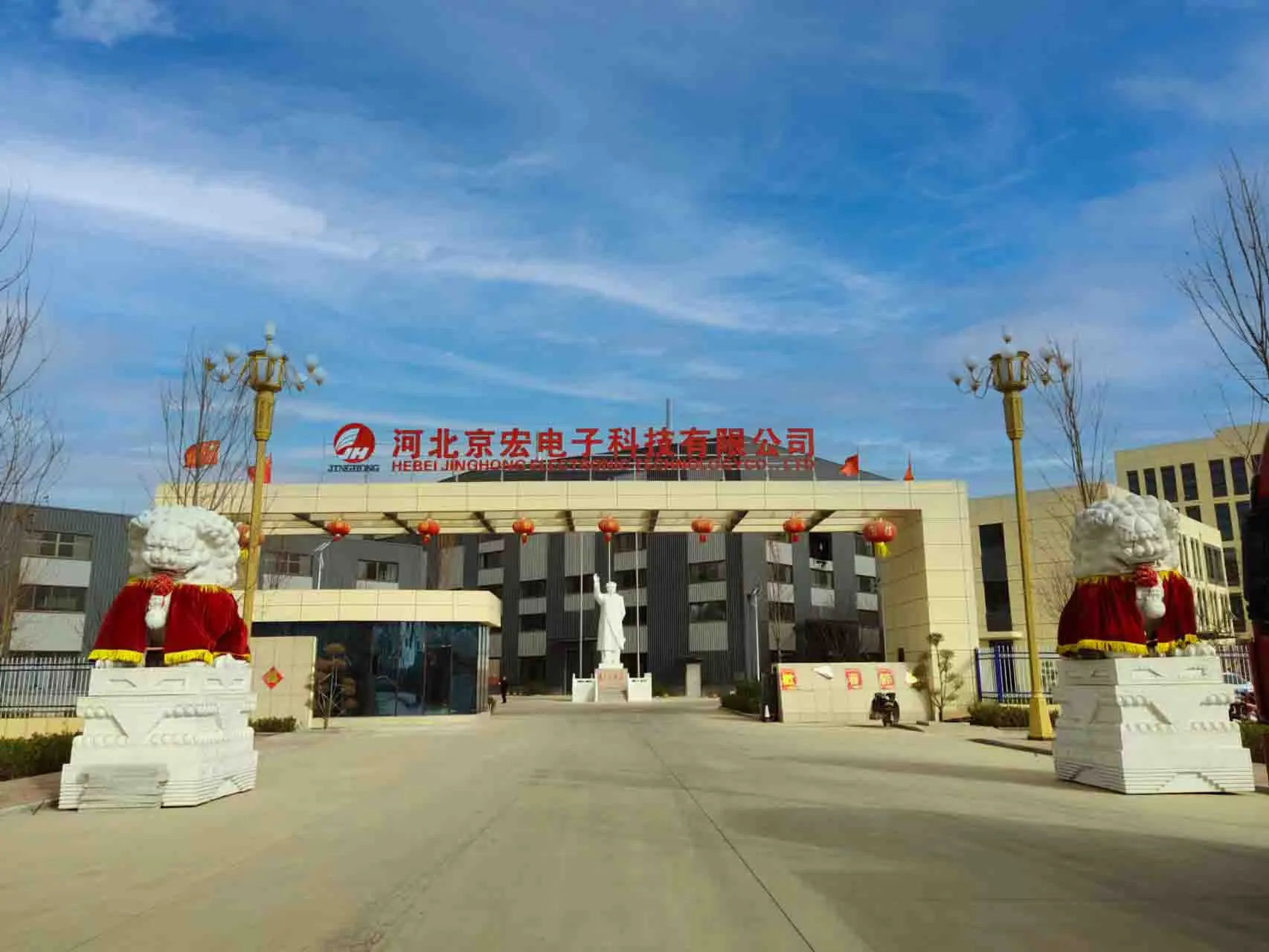
J&Q New Composite Materials Company