What Makes G10 Epoxy Resin Rod Suitable for Custom Industrial Components?
G10 epoxy resin rod is a fiberglass-reinforced composite material produced by impregnating woven glass cloth with epoxy resin, then curing it under heat and pressure into a dense, solid form. Its combination of high dielectric strength (≥40 kV/mm), flexural strength (≥450 MPa), and continuous heat resistance up to 130°C makes it a dependable choice across electrical, mechanical, and structural applications. The FR4 G10 epoxy resin rod from J&Q, manufactured under ISO 9001, ISO 14001, and ISO 45001 certifications, delivers consistent dimensional stability and chemical resistance that engineering teams and procurement managers can count on for demanding custom component projects.
Understanding G10 Epoxy Resin Rod and Its Core Properties
What Is G10 Material?
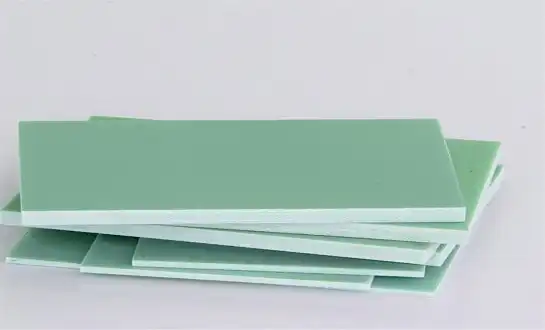
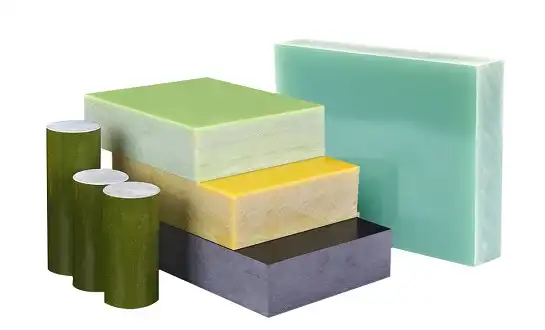
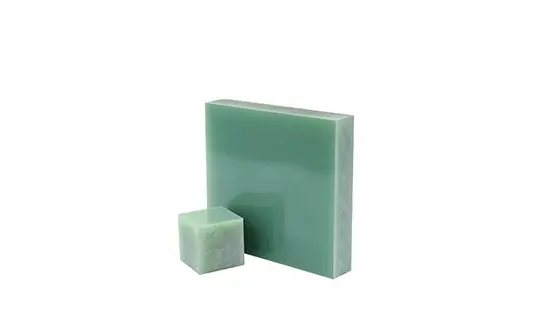
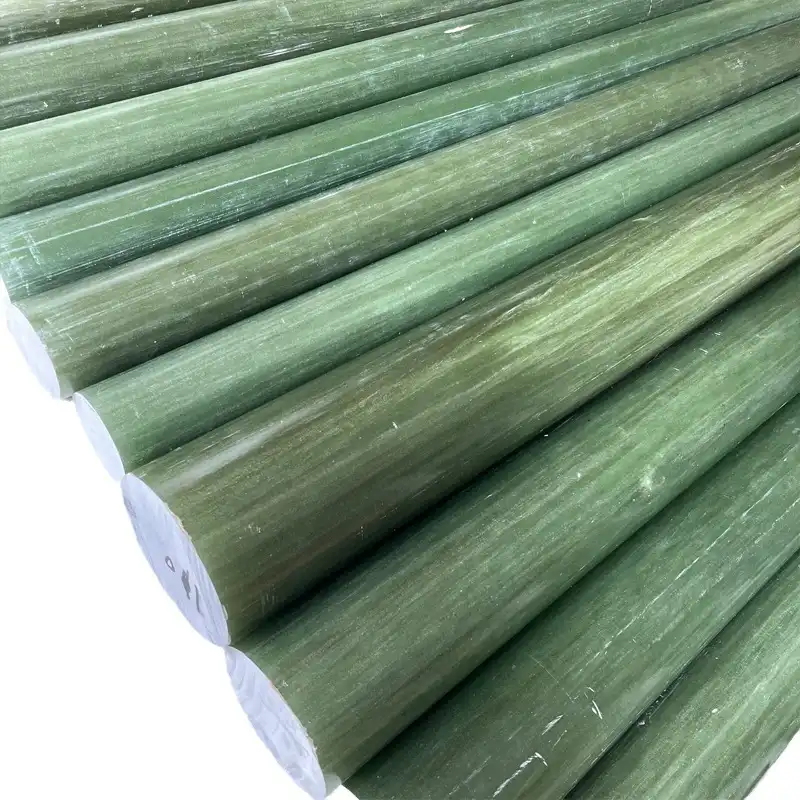
The thermoset laminate G10 is made of continuous filament-woven fiberglass cloth that is glued together with epoxy resin. When heat and pressure are managed during the curing process, a hard, uniform stick with a natural green color is made. G10 doesn't soften in moderate heat as regular plastic rods do, and it doesn't absorb water—the amount of water it absorbs stays at or below 0.1%, which protects electrical resistance over time.
How Does G10 Differ from FR4?
The base of both G10 and FR4 is the same. Controlling flammability is what makes them different. FR4 has bromine-based additives that give it a UL94 V-0 fire-retardant rating, which means that it goes out on its own within 10 seconds of being lit. People use G10 without those chemicals when fire safety approval is not the most important thing, but mechanical and electrical performance is. In reality, a lot of companies now make dual-grade rods that meet both G10 engineering standards and FR4 flame requirements at the same time.
Key Physical Properties at a Glance
The FR4 G10 epoxy resin rod is available in diameters ranging from φ5 mm to φ2000 mm, with a standard length of 1 meter, giving engineers flexibility for both prototype development and larger-scale production applications. With a density of 1.7–1.9 g/cm³ and a Rockwell hardness of M100–M110, the FR4 G10 epoxy resin rod can provide a useful combination of lightweight construction, mechanical strength, and electrical insulation. For U.S. procurement teams evaluating insulating rod materials, the FR4 G10 epoxy resin rod can be specified and assessed with reference to applicable standards such as NEMA G-10/FR-4, ASTM D709, and MIL-I-24768. These dimensional and performance specifications help engineers select the appropriate FR4 G10 epoxy resin rod for different insulation, structural, and machining requirements. When sourcing the FR4 G10 epoxy resin rod, buyers should also verify the supplier's applicable test reports, dimensional tolerances, material grade, and compliance documentation to ensure the selected product matches the requirements of the intended application.
Why G10 Epoxy Resin Rod Excels in Custom Industrial Component Manufacturing
G10 rods are used in precision manufacturing because they keep their shape during CNC cutting, which lowers the amount of waste and the cost of repairs. Carbide or diamond-tipped cutters are usually used because the glass fiber matrix is rough on tools. But the reward is clean, exact parts with the same geometry across production runs.
Here are the main performance benefits of G10 that make it a popular choice for special parts:
- Mechanical strength under load: Flexural strength above 450 MPa means G10 rods resist bending and cracking in applications like mechanical spacers, standoff insulators, and bearing bushings where cyclic stress is constant. This reduces part replacement frequency and lowers long-term maintenance costs.
- Thermal stability across operating ranges: Rated for continuous use up to 130°C, with high-Tg variants available at 150°C or 170°C, these rods maintain structural integrity in motor housings, switchgear assemblies, and transformer components where thermal cycling would degrade standard thermoplastics.
- Chemical and moisture resistance: G10 resists oils, solvents, and mild acids commonly present in industrial environments. With water absorption at ≤0.1%, the rod's dielectric properties remain stable even in humid production settings or outdoor enclosures.
These benefits solve real problems in business. When engineering teams are looking for materials for PCB fixtures, high-voltage insulators, or automotive battery barriers, they can be sure that G10 will work well for the whole component's service life without breaking down in a way that would mean it needs to be replaced too soon or raise safety concerns.
Comparison of G10 Epoxy Resin Rod with Alternative Materials for Industrial Use
G10 vs. Phenolic Rods
Phenolic cotton rods are generally easier to machine and can cost less than G10 rods, but they typically have higher moisture absorption, which can be a concern in humid operating environments. When exposed to damp conditions, phenolic materials may experience dimensional changes that can make precision machining and tight-tolerance assembly more difficult while also affecting electrical insulation performance. In comparison, the FR4 G10 epoxy resin rod offers lower moisture absorption and more stable dimensional behavior for applications where consistent electrical insulation is important. The FR4 G10 epoxy resin rod is therefore often considered for components that require dependable dielectric protection over extended periods and under varying environmental conditions. For engineers comparing insulating materials, the FR4 G10 epoxy resin rod can provide a more stable option when moisture resistance, dimensional stability, and electrical performance are key requirements. Selecting the appropriate FR4 G10 epoxy resin rod grade according to the actual humidity, temperature, and mechanical conditions can further support reliable long-term performance.
G10 vs. Carbon Fiber Rods
In some structural uses, carbon fiber is stronger per unit weight than G10. However, it carries electricity, so it can't be used to keep electricity from flowing. Carbon fiber is also a lot more expensive and needs to be machined in a certain way. G10 is an alternative that doesn't conduct electricity and strikes a good mix between mechanical performance and cost-effectiveness for B2B buying funds.
G10 vs. Standard Fiberglass Rods
Fiberglass rods that don't bend are strong along their main axis but not as strong in cross-sectional directions. Because G10 is made of woven fabric, its strength is spread out more evenly along all axes. This makes it a better choice for parts that are loaded from different directions, like gear blanks, guide rods, and structural spacers in industrial machinery.
Practical Considerations in Procuring G10 Epoxy Resin Rods for Custom Components
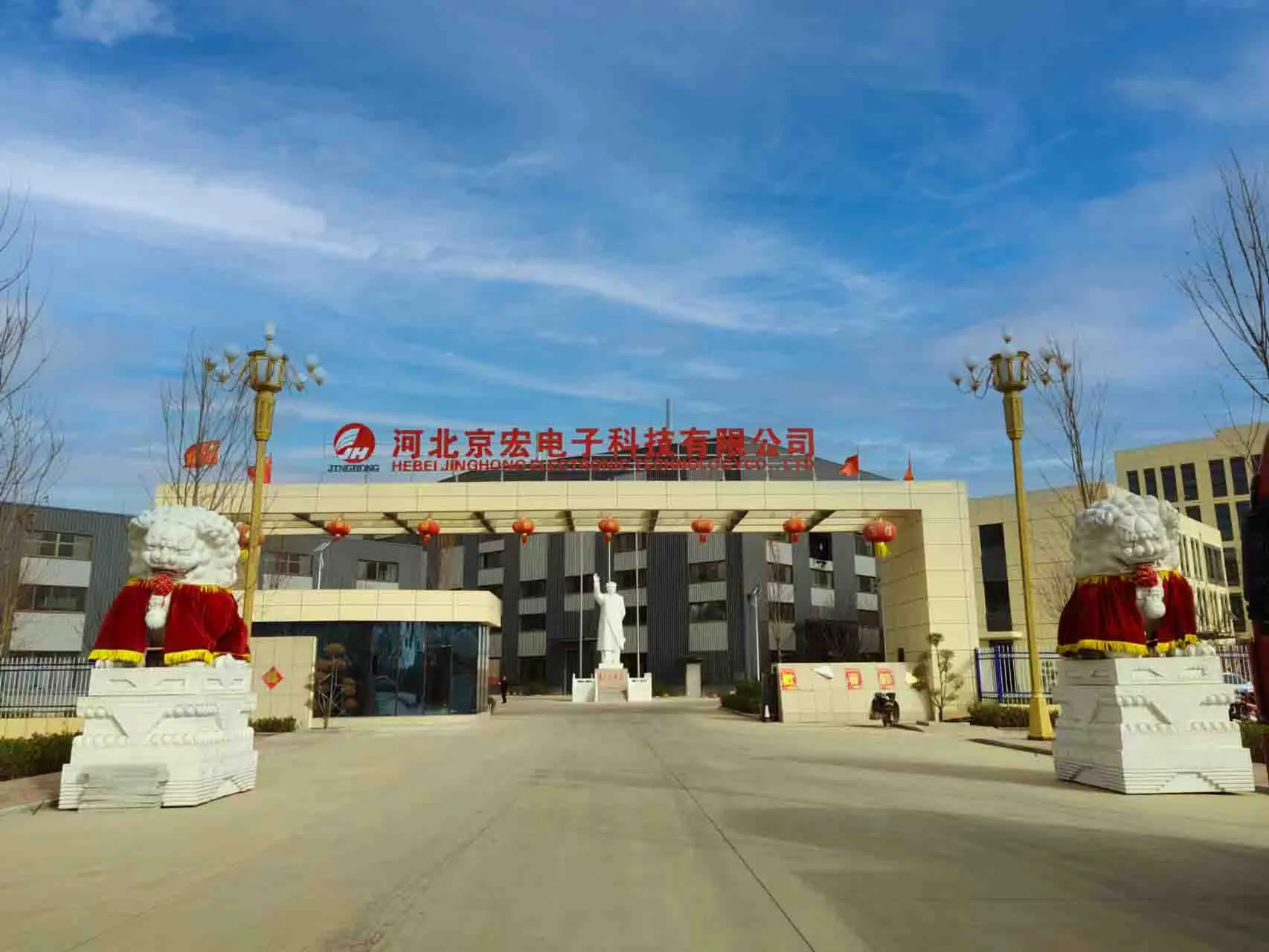
Before making an order, procurement teams looking for a dependable fiberglass epoxy rod provider should check a number of factors. Certifications are important. For example, ISO 9001 certification for quality management, ISO 14001 certification for environmental compliance, and ISO 45001 certification for work safety all show that a company follows strict rules when making things. Hebei Jinghong Electronic Technology Co., Ltd., J&Q's factory partner, has all three approvals and can make 100 tons of insulating rods every year in a building that is 36,300 m² and can hold 30,000 tons of goods.
Sourcing teams should also check the diameter range, the lengths of rods that are available, and see if the seller can make special sizes. J&Q has standard 1-meter lengths in sizes from φ5mm to φ2000mm, and you can get them by ocean freight, land, or air. They can also meet U.S. import needs for both sample requests and full production orders. J&Q has been dealing with insulating materials for more than 20 years and has been trading internationally for more than 10 years. The company also runs its own transportation company, which offers a single-source buying and delivery process that gets rid of the coordination gaps that happen in supply chains with multiple vendors.
Application Showcase: Success Stories Using G10 Epoxy Resin Rod
High-Voltage Electrical Insulation
When a power distribution equipment manufacturer needed reliable standoff insulators, the engineering team replaced phenolic alternatives that had experienced performance problems in high-humidity substations with FR4 G10 epoxy resin rod components. After 18 months of field operation, the FR4 G10 epoxy resin rod parts continued to provide the required dielectric performance, while the engineering team reported no arc-tracking failures during the evaluation period. The material's glass-epoxy construction provides strong electrical insulation and mechanical stability, making the FR4 G10 epoxy resin rod suitable for demanding power distribution applications where moisture and electrical stress are significant concerns. Compared with phenolic alternatives, the FR4 G10 epoxy resin rod can offer more stable performance under humid conditions when the appropriate grade and surface design are selected. Its resistance to surface degradation under electrical stress is another reason the FR4 G10 epoxy resin rod is considered for standoff insulators and other components that require dependable long-term electrical isolation. For engineers and procurement teams, selecting a properly specified FR4 G10 epoxy resin rod can help support consistent insulation performance in demanding substation environments.
Precision Automotive Components
One of the top suppliers to the auto industry used G10 rods to make insulation spacers for electric vehicle battery pack assemblies. Because the material didn't change size when it was CNC-turned, the supplier was able to keep tolerances within ±0.1mm for a production run of 5,000 units. Compared to their old material, the amount of scrap dropped by about 30%, and the heat resistance at 130°C met the OEM's standards for thermal management.
Industrial Machinery Bushings
A company that makes textile equipment switched out metal bushings for G10 rod-machined ones to stop electrical noise from moving between drive parts. The epoxy fiberglass material was non-magnetic and non-conductive, so there was no interference problem. It was also hard enough (M100–M110 Rockwell) to handle the duty cycle of the application.
Conclusion
The FR4 G10 epoxy resin rod combines electrical insulation, mechanical strength, thermal stability, and chemical resistance in a single engineered material. Finding another material that provides this combination of properties can be difficult for applications with demanding electrical and mechanical requirements. The FR4 G10 epoxy resin rod can support precision manufacturing across a range of industries, including switchgear insulators, PCB fixtures, automotive battery barriers, and industrial bushings. For engineering and procurement teams, selecting the appropriate FR4 G10 epoxy resin rod from a qualified manufacturer can help ensure consistent material performance and reliable supply. A reputable supplier should provide traceable certifications, appropriate dimensional and performance documentation, and sufficient diameter availability to meet different project requirements. The FR4 G10 epoxy resin rod can also be supplied through established logistics networks, with air, sea, or land transportation available for U.S. customers depending on order volume and delivery requirements. By combining verified material properties, manufacturing capability, and logistics support, a qualified supplier can provide FR4 G10 epoxy resin rod products suited to demanding long-term industrial applications.
FAQ
What diameter range is available for G10 epoxy rods?
G10 epoxy resin rods are sold at J&Q. They come in sizes ranging from ʆ5mm to φ2000mm, and the normal length of a rod is 1 meter. Please let us know if you need custom measurements to meet your unique machining needs.
Can G10 rods be used in outdoor electrical applications?
G10 works well outside, both physically and electrically. However, UV light that stays on epoxy resin for a long time can break down the surface over time. For lasting outdoor placements, it's best to use a protection coating that doesn't fade in UV light.
What machining tools work best for G10?
For CNC turning, cutting, or drilling, carbide or diamond-tipped tools are needed because woven glass fiber is very rough. Because fine fiberglass particles can be harmful to your health, you need to make sure that enough dust is removed during machining.
Does G10 meet fire safety standards?
This type of G10 doesn't have a UL94 V-0 grade. FR4-grade rods made from the same fiberglass-epoxy base have UL94 V-0 fire-retardant chemicals added to them. J&Q sells dual-grade rods that meet both G10 mechanical standards and FR4 flame standards.
What certifications does J&Q's G10 rod production carry?
The manufacturing process is governed by systems that are approved by ISO 9001, ISO 14001, and ISO 45001, which guarantee consistent quality control, care for the environment, and safe working conditions.
Partner with J&Q for Your FR4 G10 Epoxy Resin Rod Supply
You can trust J&Q to make good FR4 G10 Epoxy Resin Rods because they've been doing it for over 20 years and have a strong international trade team. Our in-house transportation team, multiple shipping choices, and yearly rod production capacity make sure that your order gets to you on time, no matter how many samples you need or how many you need for production. To get specs, prices, or a sample order right away, email our technical team at info@jhd-material.com or go to blog.jhd-material.com.
References
1. ASTM International. ASTM D709: Standard Specification for Laminated Thermosetting Materials. ASTM International, 2021.
2. National Electrical Manufacturers Association. NEMA LI 1: Industrial Laminating Thermosetting Products. NEMA, 2020.
3. Underwriters Laboratories. UL 94: Tests for Flammability of Plastic Materials for Parts in Devices and Appliances. UL Standards, 2022.
4. Harper, Charles A. Handbook of Plastics Technologies. McGraw-Hill, 2006.
5. Mazumdar, Sanjay K. Composites Manufacturing: Materials, Product, and Process Engineering. CRC Press, 2002.
6. Brydson, J.A. Plastics Materials, 7th Edition. Butterworth-Heinemann, 1999.

Get a complete product list and quotation
J&Q New Composite Materials Company