3026 Phenolic Cotton Cloth Laminated Sheet Enables Reliable Machining for Industrial Parts
When production quality depends on the materials you choose, the 3026 Phenolic Cotton Cloth Laminated Sheet stands out as a trusted solution across multiple industries. Made from insulating cotton fiber impregnated with phenolic resin and formed through baking and hot pressing, this laminated sheet delivers consistent mechanical strength, solid electrical insulation, and stable thermal performance. From motor components and mechanical gears to transformer oil environments, this material handles demanding machining requirements with dependable precision. Hongda produces 13,000 tons per year, offering thickness options from 0.5mm to 100mm and a standard size of 1220mm×2020mm.
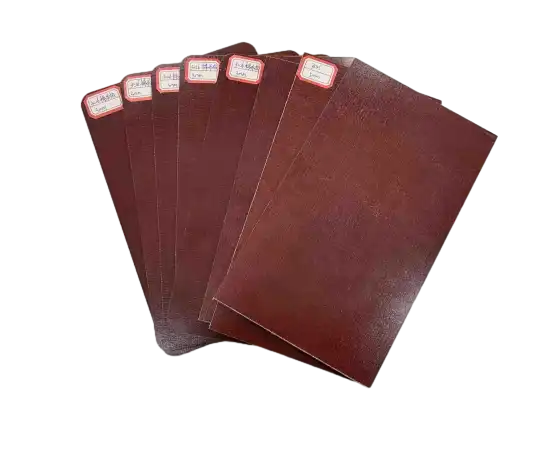
Understanding the 3026 Phenolic Cotton Cloth Laminated Sheet
Engineers need to know exactly what a material offers before they choose it as an industrial laminate. This part breaks down the main features that make this product what it is.
Material Composition and Manufacturing
The sheet is made of layers of coarse-weave cotton cloth that have been soaked with phenolic resin. The layers are then put through a process that involves high pressure and high temperatures. With this hot-press method, you get a structure that is dense, even, and free of holes. This makes a thermosetting material that doesn't bend when mechanical stress is applied, which is something that paper-based or plain resin boards can't always do.
Key Physical Properties
This laminate has Class E heat protection, which means it can work continuously at 120°C. It meets the standards set by IEC and ASTM for dielectric strength, flexural strength, and impact toughness. This grade's coarse weave puts mechanical toughness first, which makes it perfect for heavy-duty parts like gears, guide wheels, and bearing supports, where accurate measurements directly affect how well the equipment works.
Chemical and Environmental Resistance
The 3026 Phenolic Cotton Cloth Laminated Sheet can withstand exposure to many industrial chemicals and is well suited to environments where oils and lubricants are present, such as generator and machinery applications. Unlike conventional metals that may corrode or require additional surface protection, 3026 Phenolic Cotton Cloth Laminated Sheet offers good resistance to oil and chemical exposure without the same corrosion concerns. This makes 3026 Phenolic Cotton Cloth Laminated Sheet a practical alternative to metal or steel in applications where structural support must be combined with low friction and noise reduction. In moving mechanical assemblies, 3026 Phenolic Cotton Cloth Laminated Sheet can also provide useful material properties for components that require smooth operation and dependable service in demanding industrial environments. For engineers comparing composite and metal materials, 3026 Phenolic Cotton Cloth Laminated Sheet can be considered when chemical resistance, mechanical performance, and reduced operating noise are important requirements.
How This Material Enables Reliable Machining
If you pick the wrong laminate for machining, the edges may chip, fray, or change size, all of which cost more and take longer to make. In this part, we'll talk about how phenolic cotton cloth laminated sheets can help with those issues during the machining step.
Thermal Stability During Cutting
It is possible for sensitive laminates to bend when heat builds up during CNC cutting, drilling, or milling. Because the phenolic cotton cloth laminate is thermally stable, it doesn't expand when it's cut, which keeps tolerances tight. When compared to paper-phenolic options, engineers working on motor brackets and switchgear housings always say that the cuts are cleaner and fewer parts are rejected.
Structural Integrity for Precision Parts
Even when the tool tracks are rough, the coarse cotton support keeps the resin matrix together. This stops delamination or micro-cracking at the edges of cuts, which is a typical way for weaker laminates to fail. The part stays the same size from the first prototype through high-volume production runs, whether it's used for insulating gaps in power distribution equipment or mechanical gears in textile machines.
Real-World Applications Across Industries
Here are the main industry uses for this material that it always does well:
- Motors and electrical equipment: Phenolic cotton cloth sheets machine cleanly into insulating frames, coil supports, and motor brackets, meeting dielectric requirements for both low- and medium-voltage systems.
- Mechanical transmission parts: Gears, guide wheels, and saw guides machined from this grade run quietly against metal counterparts, reducing noise and wear on adjacent components.
- Oil-immersed transformer components: The material's compatibility with transformer oil makes it suitable for internal spacers, cleats, and coil supports inside distribution transformers.
These use cases show that the material's ability to be machined directly leads to longer product life and fewer repair stops during its operating cycle.
Comparative Analysis: Why Choose This Laminate Over Alternatives?
Purchasing managers often compare phenolic cotton cloth sheets to other laminated materials. Knowing the pros and cons helps teams make smart decisions about where to source things without spending too much.
Phenolic Cotton Cloth vs. Epoxy Glass Cloth
Epoxy glass laminates are often preferred for high-voltage applications in wet environments because they provide strong moisture resistance and reliable electrical insulation. However, their higher material cost and more demanding machining requirements can increase overall production expenses. In comparison, 3026 Phenolic Cotton Cloth Laminated Sheet can provide better cost efficiency for mechanical applications where electrical insulation requirements are relatively limited, and machinability is a primary consideration. The consistent machining performance of 3026 Phenolic Cotton Cloth Laminated Sheet can help manufacturers control tool wear and processing costs during repeated production runs. For components that prioritize mechanical performance, ease of machining, and reasonable material costs, 3026 Phenolic Cotton Cloth Laminated Sheet offers a practical alternative to more specialized epoxy glass materials. When selecting materials according to application requirements, 3026 Phenolic Cotton Cloth Laminated Sheet can be considered for mechanical parts where high-voltage insulation and extreme moisture resistance are not the main design priorities.
Phenolic Cotton Cloth vs. Paper-Based Phenolic Sheets
Paper-phenolic laminates are cheaper and lighter, but they break more easily when hit and don't work well in oily situations. This grade's cotton reinforcement absorbs shock and doesn't break easily, so mechanical parts last longer under cycle loading. This is an important factor for OEM sourcing managers who are looking for parts for machinery that shakes a lot.
Lifecycle Cost Considerations
The cost of materials per sheet is only one part of the buying process. Total cost of ownership goes down when fewer parts are rejected during machining, tools last longer, and parts last longer. When it comes to mechanical transfer, phenolic cotton cloth laminates usually work out cheaper per part than either paper phenolic or metal options.
Procurement Guide for Sourcing Quality Laminated Sheets
Paying attention to seller qualities, order terms, and logistics is important for getting a reliable supply. Before making an order, procurement workers should make sure of the following.
Supplier Qualifications and Certifications
Look for companies that have ISO quality control certification and goods that are RoHS compliant. Hongda has been making things for more than 20 years and trading with other countries for more than 10 years. They have built relationships with trading companies in many different areas. The annual production capacity is 13,000 tons, which can handle both regular orders and larger volumes for projects.
Order Parameters and Customization
Standard 3026 Phenolic Cotton Cloth Laminated Sheet sizes are 1220 mm × 2020 mm, with thicknesses ranging from 0.5 mm to 100 mm. For OEM-specific requirements, 3026 Phenolic Cotton Cloth Laminated Sheet can also be supplied in custom dimensions to match individual application and machining needs. Payment is made through T/T, with a minimum order quantity of 500 kg. For international shipments, Hongda can arrange transportation by sea, land, or air, while palletized packaging is used as standard to help protect 3026 Phenolic Cotton Cloth Laminated Sheet during handling and transit. For buyers with customized specifications or recurring procurement requirements, discussing dimensions, order quantities, packaging, and delivery methods in advance can help ensure that 3026 Phenolic Cotton Cloth Laminated Sheet arrives safely and meets the planned production schedule.
Sampling and First Orders
In business-to-business (B2B) sourcing, it is common to ask for a sample of the material before committing to buying a lot of it. Before production starts, this lets the engineering teams check that the limits for cutting behavior, surface quality, and size match their requirements.
Ensuring Quality and Long-Term Value
Quality Certifications and Testing Standards
To make sure that phenolic cotton cloth laminates are reliable, they should be tested against IEC 60893 and ASTM D709 standards. These standards cover things like bending strength, dielectric breakdown voltage, and water absorption rates. Verified test data from production batches gives procurement teams the proof they need for internal approval processes and to meet the needs of end customers.
Maintenance Best Practices
Keep sheets flat in a dry, temperature-controlled space to keep them from absorbing water and warping. Do not put big things on sheets that are not supported.
Material Performance Over Time
When cutting, use carbide or diamond-tipped tools with good dust extraction because phenolic dust needs to be handled carefully according to safety rules.
Conclusion
Industrial makers can use the 3026 Phenolic Cotton Cloth Laminated Sheet, which is a stable material that can be machined for both mechanical and electrical uses. It is a good choice for making electrical equipment, power systems, and tools because it is tough against pressure, stable at high temperatures, compatible with oil, and always of high quality. With standard sizes, a range of thicknesses, and the ability to make 13,000 tons of this material every year, Hongda can meet the needs of modern industrial sourcing. This material is worth giving serious thought to by teams that need a reliable insulating laminate that works well during all stages of service and machining.
FAQ
What makes this grade different from the 3025 specification?
The 3026 grade uses coarse-weave cotton cloth, which makes it more resistant to impact and better at working with heavy mechanical parts. The 3025 grade is made of fine-weave cotton, which gives smaller precision parts a smoother surface finish. If mechanical strength is important, choose 3026.
Can this material be used in transformer oil environments?
Yes. The phenolic cotton cloth laminate works with transformer oil, so it can be used for mechanical supports, spacers, and pegs inside transformers that are submerged in oil. It keeps its shape without absorbing oil or breaking down after being submerged for a long time.
What thickness and size options are available?
Hongda has sheets that are between 0.5 mm and 100 mm thick and a typical size of 1220 mm by 2020 mm. OEM users can get sizes that aren't listed. The least you can order is 500KG.
Is this material appropriate for high-humidity electrical applications?
Epoxy glass cloth laminates are the better technical choice for uses that need both high voltage and high humidity. Phenolic cotton cloth works well in dry electrical settings and systems that are submerged in oil, but it shouldn't be used for long periods of time when the high voltage insulation needs to stay wet.
How should machining be approached to avoid fraying?
High spinning speed and a controlled feed rate should be used with carbide or diamond-tipped tools. This keeps the cut edges of the cotton reinforcement from coming apart. During machining, you need equipment to get rid of the dust.
Partner with J&Q for Your Phenolic Cotton Cloth Laminated Sheet Supply
Industrial manufacturers have been able to get good insulating laminate materials from J&Q for more than twenty years. Our company is a reliable source for 3026 Phenolic Cotton Cloth Laminated Sheet. We offer checked material specs, variable order sizes starting at 500KG, and full transportation support through our own freight network. Send us your requirements or a sample today at info@jhd-material.com. You can also check out our blog at blog.jhd-material.com to learn more about all of our products.
References
1. IEEE Electrical Insulation Magazine — "Thermal Classification and Performance of Thermosetting Laminates in Industrial Applications," 2019.
2. ASTM International Standards — ASTM D709: Standard Specification for Laminated Thermosetting Materials, 2021.
3. IEC 60893-3 — "Industrial Rigid Laminated Sheets Based on Thermosetting Resins for Electrical Purposes," International Electrotechnical Commission, 2020.
4. Journal of Materials Engineering and Performance — "Mechanical Behavior of Phenolic Resin Composites Under Cyclic Load Conditions," ASM International, 2018.
5. Plastics Technology Magazine — "Thermoset Laminates in OEM Mechanical Component Manufacturing," 2020.
6. NEMA Standards Publication LI 1 — "Industrial Laminated Thermosetting Products," National Electrical Manufacturers Association, 2017.

Get a complete product list and quotation

J&Q New Composite Materials Company



