What CNC Tools Are Best for Processing Bakelite Sheet Components?
When machining Bakelite sheet components, carbide-tipped tools stand as the industry standard due to their superior wear resistance against phenolic materials' abrasive nature. Diamond-coated end mills, high-speed steel router bits, and tungsten carbide drills deliver the cleanest cuts while minimizing chipping and edge fractures. The optimal tooling setup combines proper cutting geometry with controlled feed rates and active dust extraction, ensuring both dimensional accuracy and operator safety during processing of this thermosetting material.
Understanding Bakelite Sheets and Their Machining Challenges
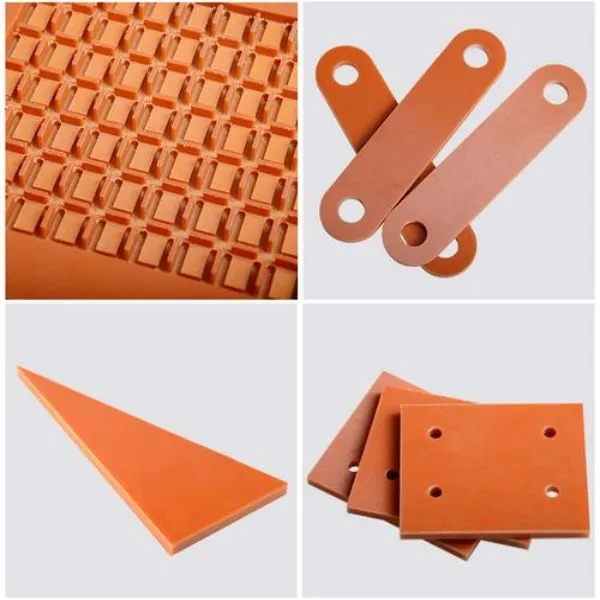
Bakelite Sheets are a type of phenol-formaldehyde thermosetting plastic that has been used for decades in industrial making. Thermoplastic materials soften when heated, but these sheets cure into a rigid, chemically stable form that can't be changed back. This makes them very good at keeping heat and electricity from moving, which makes them very useful in electrical switches, motor parts, and structure insulators.
The Unique Material Characteristics
The way phenolic paper laminate is put together makes a material description that procurement and engineering managers need to fully understand. Heat and pressure are used to cure layers of cellulose fiber that are mixed with a synthetic phenolic resin. This makes a mixture that has good mechanical strength and dielectric qualities. This structure also makes it harder to machine in ways that are very different from working with metals or lighter plastics.
Primary Machining Obstacles
The biggest problem with CNC cutting is that it makes things more brittle. The material tends to microfracture when cutting forces aren't applied correctly, which can weaken parts, especially around edges and drilled holes. The roughness of cured phenolic resin speeds up tool wear, which has a direct effect on production costs and the quality of the parts. Also, the phenolic dust that is made when things are cut is dangerous to breathe in, so strong extraction systems that meet safety standards at work are needed.
Precision Requirements in Industrial Applications
Electrical insulation parts made from Bakelite Sheet need to have physical properties that maintain consistent dielectric strength across all operating temperatures. Components such as motor bolts and structural spacers produced with Bakelite Sheet must remain mechanically stable even when they experience repeated loading and unloading cycles. Because of these strict performance requirements, the surface finish quality and edge integrity of Bakelite Sheet components cannot be compromised during cutting and machining processes. This creates additional pressure on manufacturers to select suitable tools and optimize machining parameters for Bakelite Sheet applications. Proper processing of Bakelite Sheet ensures reliable insulation performance, accurate dimensions, and long-term mechanical stability in demanding electrical and industrial environments.
Criteria for Selecting CNC Tools for Bakelite Sheet Processing
To pick the right cutting tools, you have to balance a lot of performance factors that have a direct effect on how well the parts are made and how efficiently they are made. The choice process includes more than just picking out a tool; it also includes knowing how the properties of the material affect the way it cuts.
Tool Material Compatibility
Because it is hard and doesn't change shape when heated, carbide tools are most often used for phenolic machining. Because phenolic resin is so rough, it quickly wears down high-speed steel cutting edges. For mass production, carbide is the best material for cost. Titanium nitride and other advanced finishes make tools last longer by lowering friction and heat buildup at the cutting surface. When hundreds or thousands of similar parts are being made, these material choices become even more important.
Cutting Geometry Considerations
The design of the flute affects how well chips are pushed away, which is very important when working with materials that produce fine particles. Tools with smooth blades and sharp cutting edges keep material from tearing, which lowers the risk of chipping the edge. Cutting angles need to be just right so that material is sheared easily instead of broken. This is something that mechanical engineers know changes where stress builds up in finished parts.
Speed and Feed Optimization
To keep cutting efficiently while avoiding heat damage, spindle speeds need to be carefully calibrated. When speeds are too high, heat is produced that can change the color of phenolic surfaces and weaken the electrical properties near the edges of cuts. It's important that feed rates stay slow enough to keep up with output without putting too much mechanical stress on the weak material. This balance is then turned into a technical specification that CNC operators change based on the thickness of the sheet and the complexity of the part.
Durability and Cost Efficiency
Procurement experts keep a close eye on this metric because it shows how long a tool lasts and how much it costs to make a single component. Even though premium carbide tooling costs more up front, the longer life and better finish quality often make it worth it. Setting up regular times to replace tools helps keep part quality consistent and stops production from stopping for no reason.
Top CNC Tools and Techniques for Effective Bakelite Sheet Processing
To make machine methods work, you need to combine the right tools with the best ways to run a business. Production experience in both the electrical manufacturing and industrial machinery sectors has shown that certain types of tools and methods always produce better results.
Carbide End Mills for Precision Cutting
Solid carbide end mills with two or three flutes can cut through phenolic laminates cleanly because they are rigid and sharp. The fewer flutes make it easier to get rid of chips in this dust-making material, and the carbide material can handle the rough wear that would dull regular tools quickly. These mills are great at making the precise slots, pockets, and contour profiles that are needed in insulation frames and switchgear parts.
Router Bits for Edge Profiling
For cutting and finishing the edges of composite materials, special router bits are used. These tasks are popular in the device making industry. The shapes of these tools keep upward cutting forces to a minimum, which is important because those forces can lift and break thin sheet pieces. Because the edges are clean, there is less need for extra finishing, which speeds up production cycles that home device makers value.
High-Speed Drills for Hole Making
As the tool comes out of the object during drilling, it is more likely to break. Specialized drills with sharp point angles and smooth flutes stop delamination around the edges of holes and reduce exit burring. When you use peck drilling, the tool is pulled back every so often to clear out the chips. This reduces heat buildup and mechanical stress even more. When making fixing holes in transformer insulation walls or PCB support structures, these steps are very important.
Dust Extraction and Coolant Systems
Phenolic particles generated during the machining of Bakelite Sheet are captured at their source by active dust collection systems, which helps protect both the tools and the workers who handle the material. Traditional flood coolants may cause Bakelite Sheet to absorb moisture, but air blast systems can effectively cool cutting areas without affecting the material properties of Bakelite Sheet. This machining approach considers both thermal management and workplace safety, which are important factors for electrical engineers and facility managers when selecting processing equipment for Bakelite Sheet applications. By using proper dust control and cooling methods, manufacturers can maintain the quality, reliability, and performance of Bakelite Sheet during precision machining operations.
Workholding and Vibration Control
When clamping correctly, the piece doesn't move or vibrate, which can cause microcracks to form during cutting. With vacuum tables and soft-jaw fixtures, clamping forces are spread out evenly across the surfaces of the sheets, so stress doesn't build up in one place. When cutting small pieces that are used in battery pack dividers or thermal separation parts, these workholding techniques become even more important.
Comparative Overview: Bakelite Sheet vs Other Materials in CNC Processing
When buying teams know how phenolic laminates are different from other materials, they can make smart choices about investing in tools and handling abilities. The differences affect every part of the cutting process, not just the qualities of the material itself.
Bakelite Versus FR4 Epoxy Boards
Both materials can be used to insulate electrical systems, but they behave very differently when they are machined. When compared to phenolic paper laminates, FR4 epoxy-glass composites are also rough, but they tend to be less fragile. This means that FR4 can handle a little higher feed rates, but both need carbide tools. The fiberglass reinforcement in FR4 makes dust with different properties, so it needs extraction systems that are just as strong but set up in different ways.
Comparison with Thermoplastic Sheets
Standard plastics, like polycarbonate or acrylic, are machined in a very different way than thermosetting phenolics. High-speed steel tools can be used to cut thermoplastics, and they can handle heat buildup that would change the color of Bakelite Sheet. Because thermoplastics are flexible, they don't break easily when they get brittle. This means that faster feed rates and less careful cutting settings can be used. As a result, they are not able to meet the needs of power distribution applications for thermal stability and electrical insulation.
Machining Phenolic Cotton Sheets
Paper-based Bakelite Sheet and phenolic cotton laminates are related. Both are brittle, but phenolic cotton laminates are stronger for structural uses. The fabric reinforcement makes the material a little more flexible when it comes to machining, but the same carbide tools and safe working conditions are still needed. Builders of industrial machines usually choose between these types based on how much weight they need to hold instead of how easy they are to make.
Tool Life and Operating Costs
Because phenolic materials are rough, tools made from them last less long than tools made from softer plastics. This makes the cost of making each part of a tool go up. But this drawback needs to be weighed against the fact that the material works better in high-temperature and high-voltage settings. Tier-1 suppliers to the auto industry and manufacturers of transformers are willing to pay more for machining because no other material works as well in their demanding situations.
Supplier and Procurement Insights for CNC Processing of Bakelite Components
For component production to go well, you need to be good at machining and set up solid supply lines for materials. It's impossible to say enough about how important material quality is to the success of processing, especially in situations where electrical or mechanical failure has big effects.
Evaluating Material Suppliers
Certified providers who keep the resin content and drying conditions constant give sheet stock that can be machined in a predictable way. Changes from batch to batch in the mass or spread of the resin cause uneven tool wear and surface finish, which makes it harder to plan production. When buying parts for companies that make electrical equipment that has to follow strict rules, procurement professionals should ask for certifications that show the materials meet UL or RoHS standards.
Customization and Technical Support
When optimizing layout, suppliers who let you change the sheet size and thickness cut down on waste. Technical support teams that know how to deal with problems that come up with CNC cutting can suggest grade choices that balance the qualities of the material with how quickly it can be processed. This way of working together is helpful when R&D engineers are making new parts that push the limits of what materials can do.
Delivery Reliability and Inventory Management
Lead times and minimum order amounts make it harder to change production schedules, especially for companies that make parts for device names that have short product development cycles. Shipping delays can be avoided if the supplier can deliver goods locally, and consignment inventory programs can help you manage your cash flow without worrying about running out of stock. When foreign supply lines need to be coordinated, these logistics issues become even more important.
Integrated Tool and Material Solutions
Some specialty distributors sell both phenolic sheet materials and recommended carbide tooling. This makes it easier for OEM sourcing managers to manage their vendors. This unified method makes sure that the properties of the material and the specifications of the cutting tools are compatible, which cuts down on the time needed for trial and error when setting up new production processes. The technical information these providers give helps connect the ideas behind machining settings with how things are actually made.
Conclusion
To successfully machine Bakelite Sheet parts, you need to know how the properties of the material, the choice of tool, and the operating factors all work together. The brittleness and abrasiveness of phenolic laminates can be fixed with carbide tools, slow feed rates, and strong dust extraction systems. The cost of tools needs to be weighed against how quickly and accurately they can be made so that electrical insulation and structure uses can be completed. This is something that procurement teams and engineering managers have to do. The differences between phenolic materials and others like FR4 or thermoplastics help choose the right material based on the job, not just how easy it is to machine.
FAQ
Can Standard Plastic-Cutting Tools Machine Bakelite Effectively?
When cutting phenolic materials, standard high-speed steel tools wear out too quickly, leaving a rough surface finish and needing to be replaced often. Because cured phenolic resin is rough, it needs carbide or diamond-coated tools to keep their edges sharp during production runs. Even though the original cost of the tools goes up, the longer tool life and better quality of the parts make the investment worth it for mass production.
What Spindle Speeds Work Best for Drilling Operations?
Spindle speeds should be between 3,000 and 6,000 RPM when drilling through phenolic laminates. This depends on the hole width and sheet thickness. Lower speeds keep the cutting speed high enough to keep the material from tearing while lowering the heat that can change the color of the material around the edges of holes. Peck drilling cycles that retract every so often to clear chips improve the quality of the holes even more and keep the tool from getting too hot.
How Does Sheet Thickness Affect Tool Selection?
Thicker phenolic sheets need more rigid tools to keep them from deflecting while they're being cut, which usually means shorter tool lengths and bigger sizes. To keep thin sheets below 3 mm from bending and breaking, you need very sharp tools and very little cutting force. Different clamping methods are needed for different thicknesses. For example, vacuum workholding is needed for thin materials to spread pressure evenly across the surface.
Partner with J&Q for Expert Bakelite Sheet Solutions
J&Q has been making phenolic laminates and electrical insulation materials for more than twenty years and has also been doing business in international markets for more than ten years. Our expert team knows the specific problems that engineering managers face when they have to make Bakelite Sheet parts for use in electrical switchgear, motor insulation, and industrial machinery. We have strict quality control methods that make sure that each batch is the same, which makes planning your production easier. Whether you're making transformer barriers or appliance insulation frames, our combined logistics services give you reliable delivery plans that help you meet your production deadlines. As a reliable supplier of Bakelite Sheet to companies that make auto parts and power distribution equipment, we can offer customization options that meet your engineering needs. Get in touch with us at info@jhd-material.com to talk about how our knowledge of materials and technical support can help you get the most out of your CNC machining and parts.
References
1. Mallick, P.K. (2021). Thermosetting Plastics: Processing and Applications in Industrial Manufacturing. Industrial Press.
2. Society of Manufacturing Engineers. (2020). CNC Machining Handbook: Advanced Techniques for Composite Materials. SME Publications.
3. Harper, C.A. (2019). Handbook of Plastics Technologies: Properties, Processing, and Applications. McGraw-Hill Professional.
4. Brown, R.P. & Greenwood, J.H. (2018). Practical Guide to Machining Phenolic Composites. Rapra Technology Limited.
5. American Society for Testing and Materials. (2022). ASTM Standards for Phenolic Molding Materials and Laminates. ASTM International.
6. Lopez, M.J. & Chen, W. (2020). Industrial Cutting Tool Materials: Selection and Performance Optimization. Springer Publishing.

Get a complete product list and quotation

J&Q New Composite Materials Company